OEM Shaker Screen Mesh: What It Is and Why It Matters Globally
Whether you're working in oil drilling, mining, or even wastewater treatment, the OEM shaker screen mesh is one of those unsung heroes — quietly separating solids from liquids, materials by particle size, and keeping operations running smoothly. It’s honestly one of those things you might overlook until it fails, then you realize how critical it really is. Globally, industries depend heavily on this equipment, affecting everything from economic productivity to environmental impact. In a world increasingly focused on sustainability and efficiency, understanding OEM shaker screen mesh can feel surprisingly vital—not just as a technical consideration, but as a key piece in critical supply chains and resource management.
In this article, we’ll explore the main facets of OEM shaker screen mesh, its core components, applications, and why getting this right can save money, protect the environment, and ultimately help industries operate with less downtime.
Introduction: The Global Context of OEM Shaker Screen Mesh
Across the globe, the oil and gas sector alone is expected to spend billions annually on equipment maintenance and part replacements (World Bank data, 2022). A major chunk of that goes into shaker screens—the meshes that filter out unwanted solids in drilling fluids. A clogged or worn-out screen can dramatically reduce drilling efficiency, leading to delays and higher environmental risk.
UN data shows growing industrialization in Asia, Africa, and South America means increased demand for materials extraction, hence more need for efficient separation technology. The shaker screen mesh is at the heart of that, yet many operations still struggle with sourcing reliable OEM shaker screen mesh replacements that fit their specific machinery—and that challenge has ripple effects on productivity and safety.
Defining OEM Shaker Screen Mesh
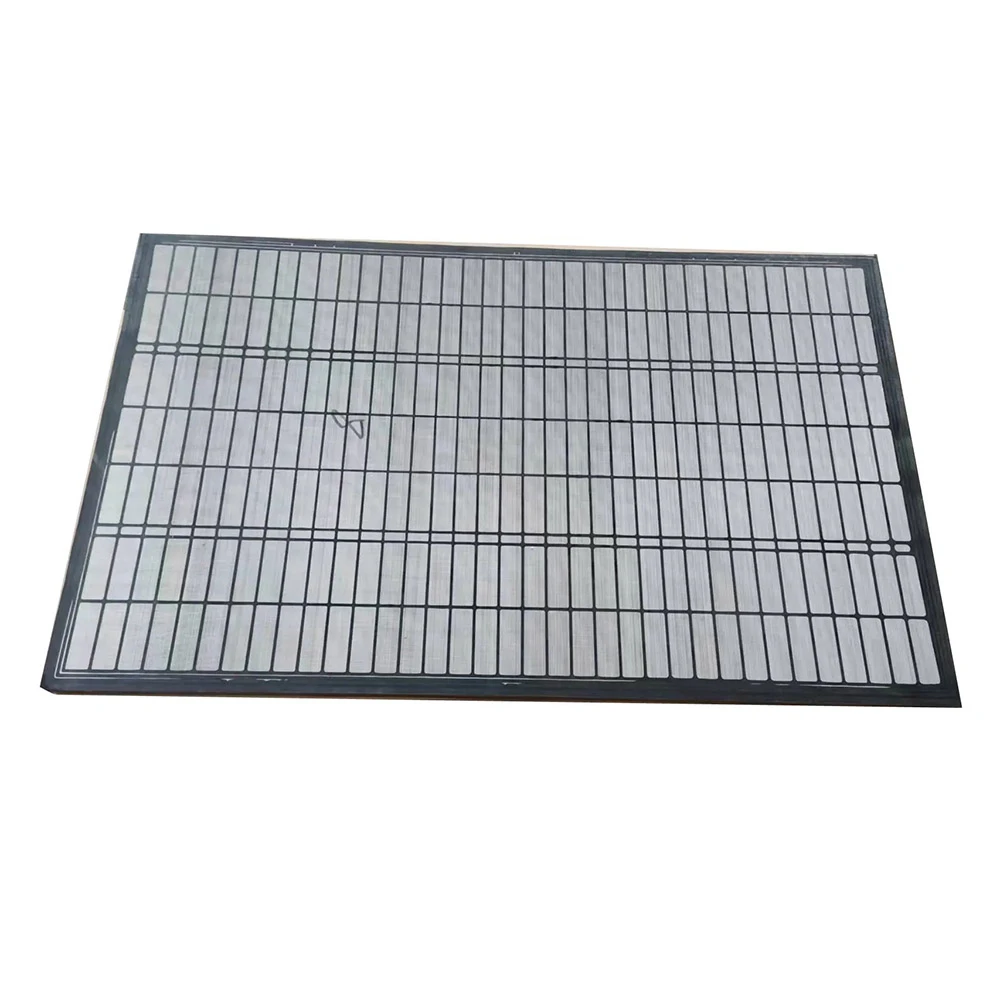
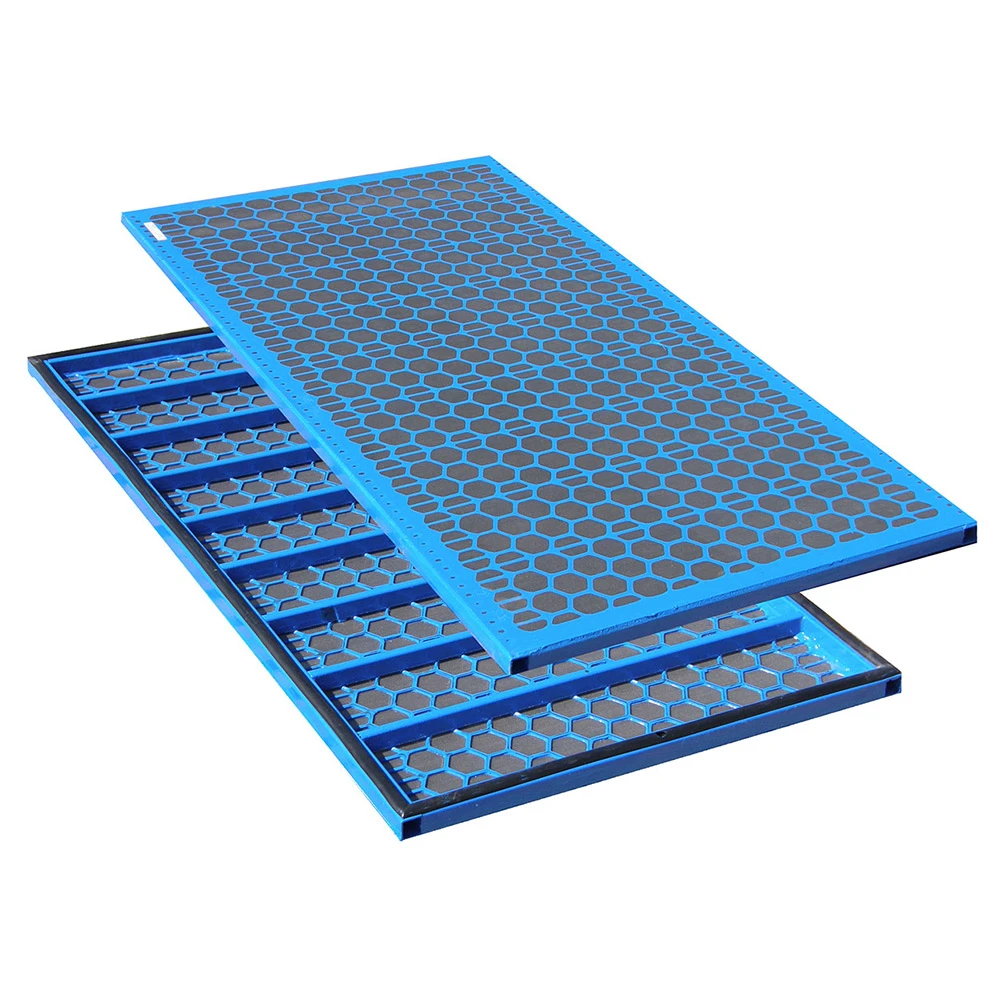
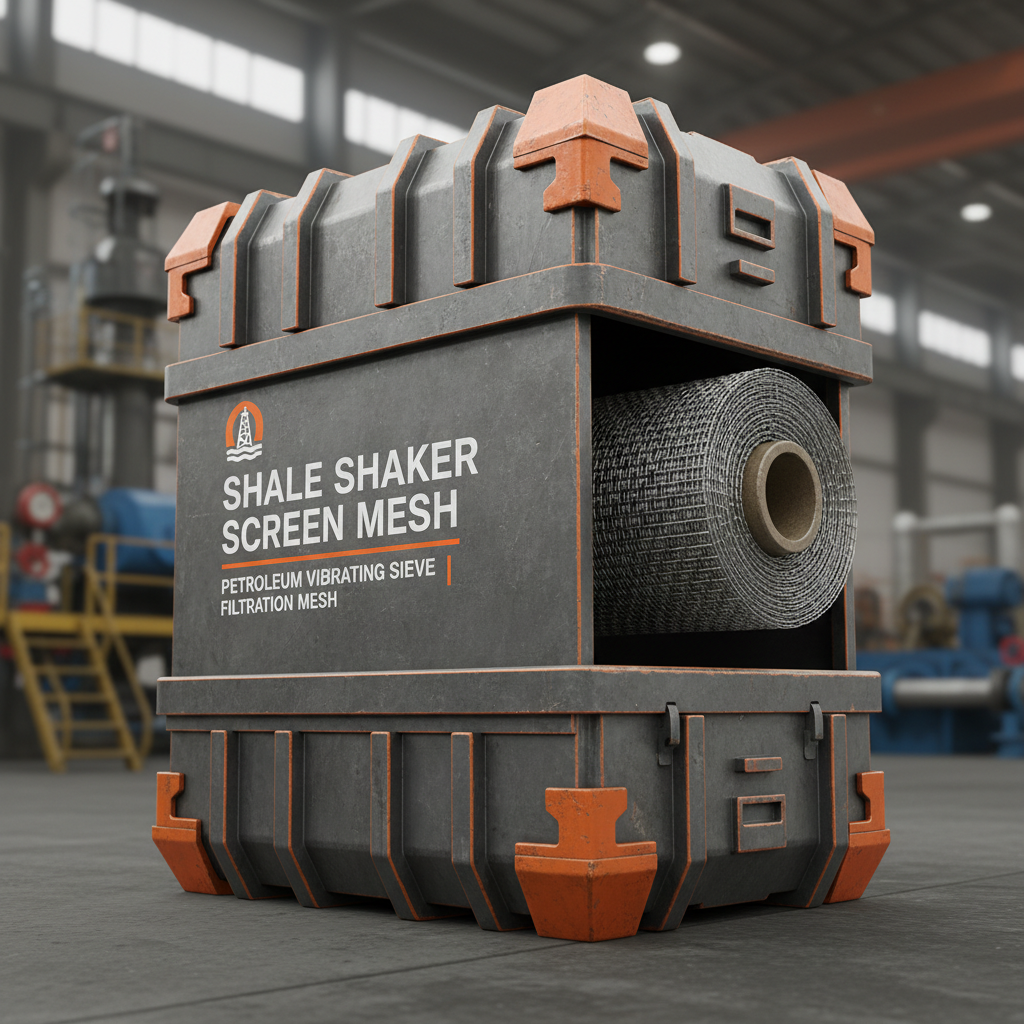
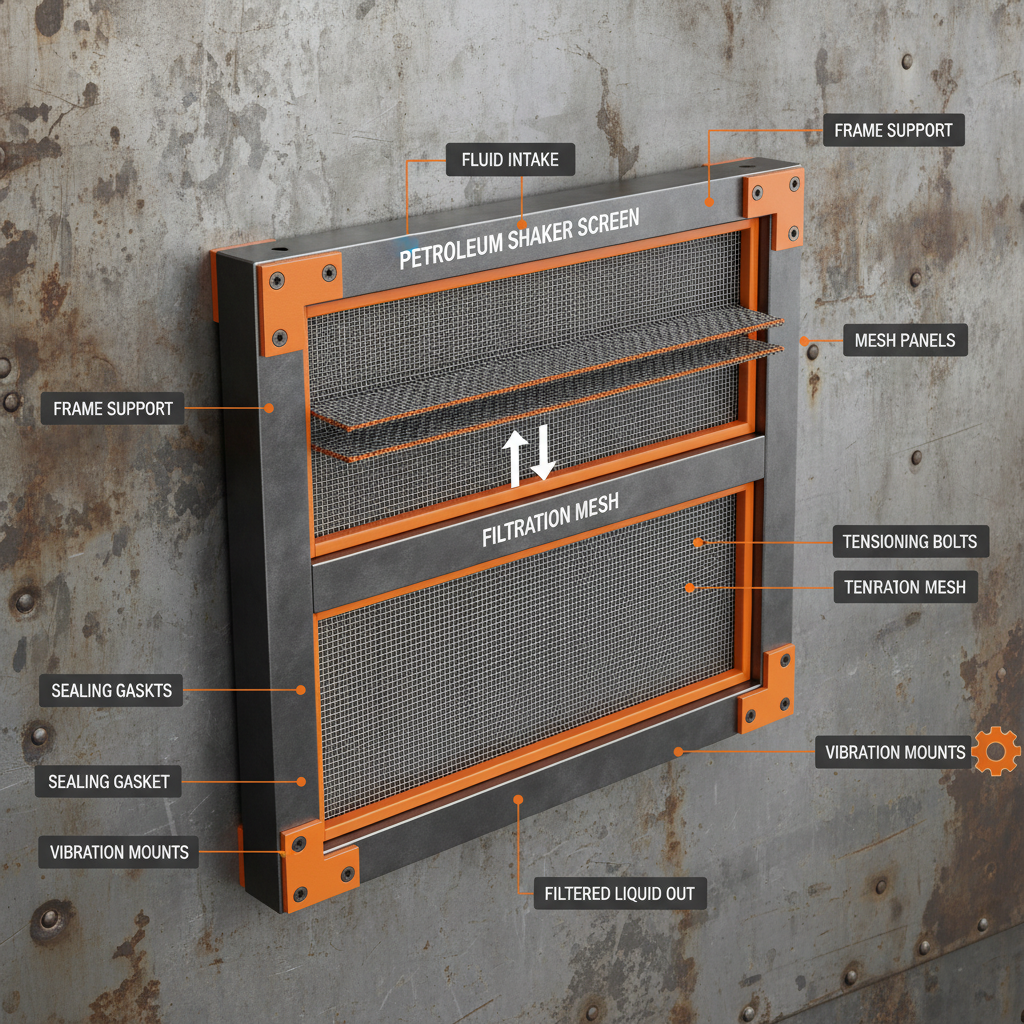
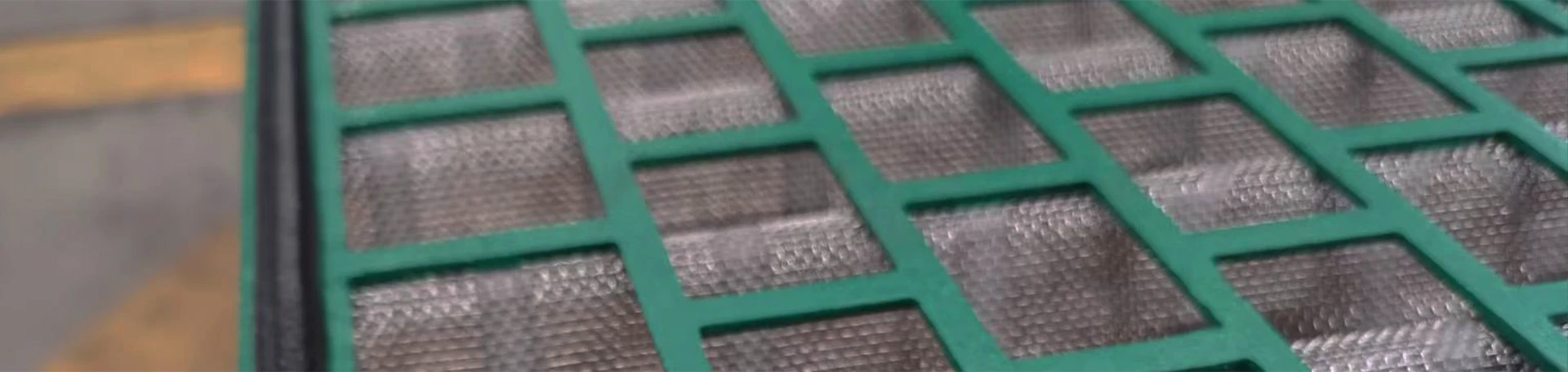
Put simply, an OEM shaker screen mesh is a precisely manufactured filter screen designed by the original equipment manufacturer for use in shale shakers and screening machines. It separates drill cuttings or debris from liquids during processes such as mineral extraction or waste treatment. The “OEM” part refers to the fact that the mesh is made to exact specifications, ensuring compatibility and performance.
Its role is straightforward yet crucial: to keep the working fluid clean, protect downstream equipment, and ultimately ensure efficient resource recovery or waste disposal.
Key Factors of OEM Shaker Screen Mesh
Durability
Because these screens operate in harsh environments, they need to withstand abrasive solids, high abrasiveness, and chemical exposure. Most OEM screens utilize stainless steel or composite materials specifically treated against corrosion and wear.
Mesh Aperture and Size
The precision of the mesh opening size—sometimes measured in micron or mesh counts—directly impacts separation efficiency. OEM screens ensure these apertures meet industry standards for consistent quality screening.
Compatibility and Fit
A major headache in the field is screens that don’t fit shaker decks properly, leading to leaks or screen damage. OEM shaker screen mesh is engineered to meet original shaker specs, avoiding these costly mismatches.
Cost Efficiency
While OEM parts might be pricier upfront compared to aftermarket alternatives, many operators find through long-term use that quality screens reduce downtime and fluid waste, saving money overall.
Ease of Replacement
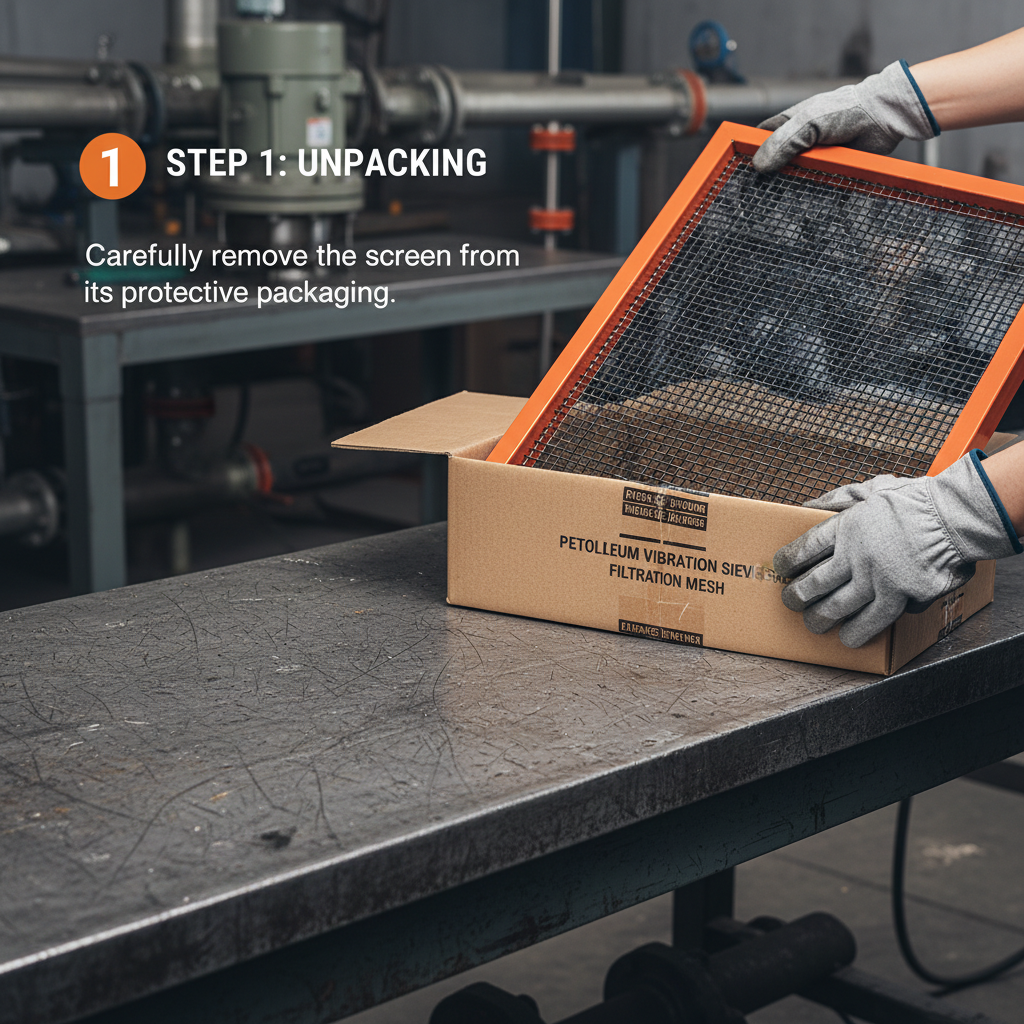
Many designs focus on user-friendly maintenance, making it quicker and safer to swap out screens—key in operations where every minute counts.
Product Specifications of Popular OEM Shaker Screen Mesh
| Specification | Description |
|---|---|
| Material | Stainless steel 304/316, composite |
| Mesh size | From 20 mesh (841 microns) to 200 mesh (74 microns) |
| Screen Type | Hook strip, pretensioned, flat panel |
| Operating Temp | -20°C to 150°C |
| Typical Lifespan | 3 to 6 months under medium usage |
Global Applications & Use Cases
OEM shaker screen mesh finds its way into numerous industries, often far away from the polished head offices. In oil and gas drilling, it’s essential for keeping drill mud clean, which helps drilling go deeper and faster. Mining operations use these screens to separate ore from earth, improving yield and purity.
Interestingly, humanitarian organizations have adopted shaker screen technology in water purification setups during emergency relief operations — ensuring water is filtered of debris and safe for consumption. Oddly enough, you’ll even see these meshes employed in some wastewater treatment plants essentially helping cities maintain hygiene standards.
Regions like the Middle East, North America’s shale basins, and Australia’s mineral-rich outbacks rely heavily on trusted OEM shaker meshes to keep complex industrial processes functioning. If you’re involved in these areas, finding a reliable OEM source is crucial.
Vendor Comparison: Leading OEM Shaker Screen Mesh Providers
| Vendor | Material Quality | Customization Options | Price Range | Delivery Speed |
|---|---|---|---|---|
| SolidControlPart | 316 Stainless Steel & Composite | Yes, OEM specs supported | $$$ | 2-3 weeks |
| ScreenMax Corp | 304 Stainless Steel | Limited sizes | $$ | 4-6 weeks |
| MeshPro Ltd. | Composite Only | Full customization | $$$ | 3-4 weeks |
Advantages & Long-Term Value of Quality OEM Shaker Screen Mesh
It’s easy to see screens as just parts, but quality OEM shaker screens have implications far beyond price tags. They reduce downtime, improve safety by preventing machinery jams, and cut down on wasteful use of drilling fluids or other liquids. And frankly, they contribute to operator dignity—reliable equipment means fewer stressful last-minute replacements in hazardous conditions.
Over time, investing in original OEM mesh means wear happens predictably, and replacements are easier to source. This brings a kind of trust that aftermarket or generic parts often don’t offer. Plus, with ongoing environmental regulations tightening, efficient solids separation supports sustainability goals, reducing pollutant discharge.
Future Trends & Innovations
Advancements in materials science are reshaping shaker screens, with research into nanocoatings that resist abrasion and biofouling. Automation is also coming to the forefront; smart shaker systems can now monitor screen wear remotely, predicting replacements before failure.
Green manufacturing, recycling old mesh materials, and digital design customization platforms offer promising avenues. As industries push digital transformation, I suppose OEM shaker screen mesh producers will have to keep innovating to stay relevant.
Challenges & Solutions
Despite these benefits, challenges persist. Lead times can be long, especially when highly specialized mesh is required. In some regions, shipping delays add to operational risks. Plus, cheaper alternatives often flood the market, tempting operators to cut corners and risking costly malfunctions.
Expert advice points to building relationships with reputable OEM suppliers, investing in quality over short-term savings, and embracing predictive maintenance tools. Also, training for operators on correct screen handling and installation extends screen life significantly.
FAQ: Frequently Asked Questions About OEM Shaker Screen Mesh
- Q: How do I know which mesh size is right for my shaker?
A: Mesh size depends on your fluid’s particle size and process requirements. Consult your shaker’s manual or an OEM distributor to match mesh aperture effectively. - Q: Can OEM shaker screen mesh be reused?
A: Generally, yes, but with caution. Screens can often be cleaned and reused a few times. However, excessive wear or damage warrants replacement for optimal performance. - Q: Are composite screens better than stainless steel?
A: Both have pros and cons. Composites are lighter and corrosion-resistant but may be less abrasion-resistant than stainless steel. Choice depends on your environment and budget. - Q: How quickly can I get OEM screens shipped internationally?
A: Shipping times vary by vendor and location, typically 2-6 weeks. Early ordering and working with experienced suppliers like SolidControlPart help minimize delays. - Q: What’s the best way to prolong the life of shaker screens?
A: Regular maintenance, avoiding overloading, proper installation, and monitoring for wear help extend screen life reliably.
Conclusion
In the end, OEM shaker screen mesh may not be glamorous, but it’s absolutely foundational for industries where filtration and separation impact everything from efficiency to environmental safety. Investing in quality OEM gear brings peace of mind, operational stability, and long-term cost savings. If you want to explore reliable options and OEM-grade specs tailored to your needs, don’t hesitate to visit our website for more details.
Thanks for reading — hopefully, this gives you a clearer sense of why shaker screen mesh is a small part with a giant impact.