The Pivotal Role of High-Performance Shale Shaker Screens in Drilling Operations
In the demanding world of oil and gas exploration, efficient solids control is paramount for operational success and environmental compliance. At the core of this efficiency are shale shaker screens, critical components that define the separation performance of drilling mud. Understanding the intricacies of manufacturing, application, and technological advancements by leading shale shaker screen manufacturers is essential for optimizing drilling fluid management. This comprehensive overview delves into the production processes, technical specifications, and strategic advantages offered by advanced screen technologies, ensuring that B2B decision-makers and engineers can make informed choices for their projects.
Modern drilling operations face increasing pressure to maximize penetration rates while minimizing non-productive time (NPT) and waste. High-quality shaker screens directly impact these metrics by enhancing mud recovery, reducing drilling fluid costs, and improving the overall efficiency of the solids control system. The choice of screen significantly affects mud cleaner performance, hydrocyclone longevity, and ultimately, the quality of the drilling fluid returned to the wellbore. The performance characteristics of screens from reputable manufacturers, such as those producing a quality shaker screen for sale, are vital for sustained operational excellence.
Manufacturing Process Flow of Advanced Shale Shaker Screens
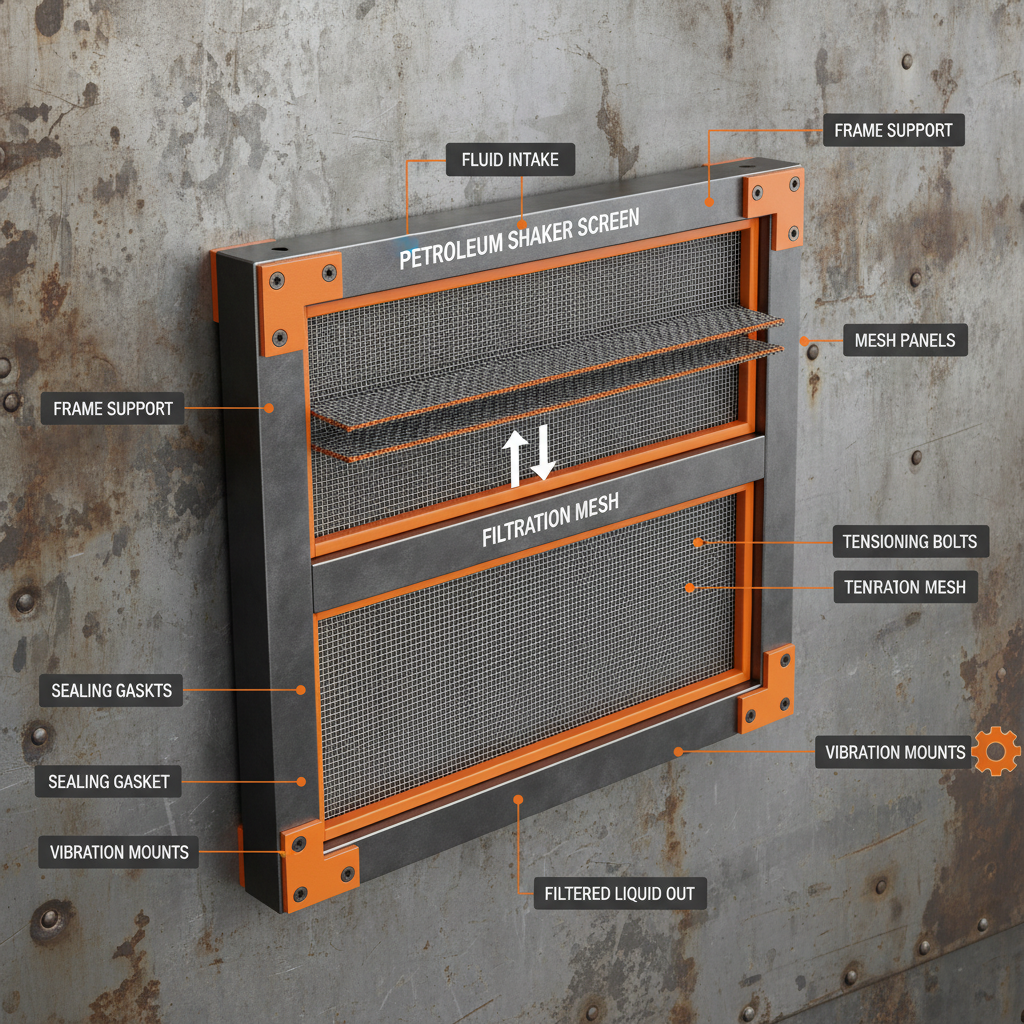
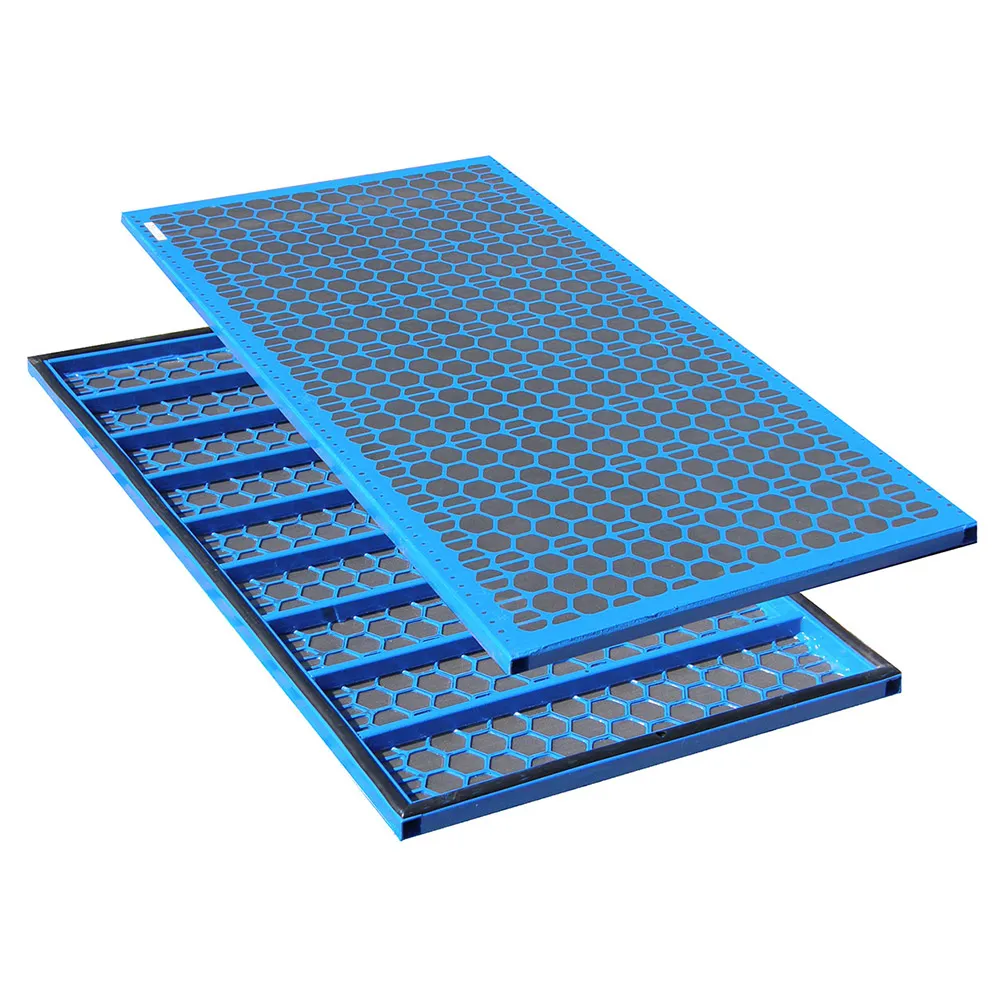
The production of high-performance shale shaker screens is a sophisticated multi-stage process, meticulously engineered to ensure durability, efficiency, and precise separation capabilities. Leading shale shaker screen manufacturers adhere to stringent quality control throughout each phase, complying with international standards such as ISO and ANSI.
1. Material Selection
Utilizing high-grade stainless steel mesh (typically 304 or 316L) for corrosion resistance and structural integrity. Frame materials often include reinforced steel or advanced composites for durability and weight optimization. These materials are selected for their resilience against abrasive drill cuttings and corrosive drilling fluids.
2. Mesh Fabrication
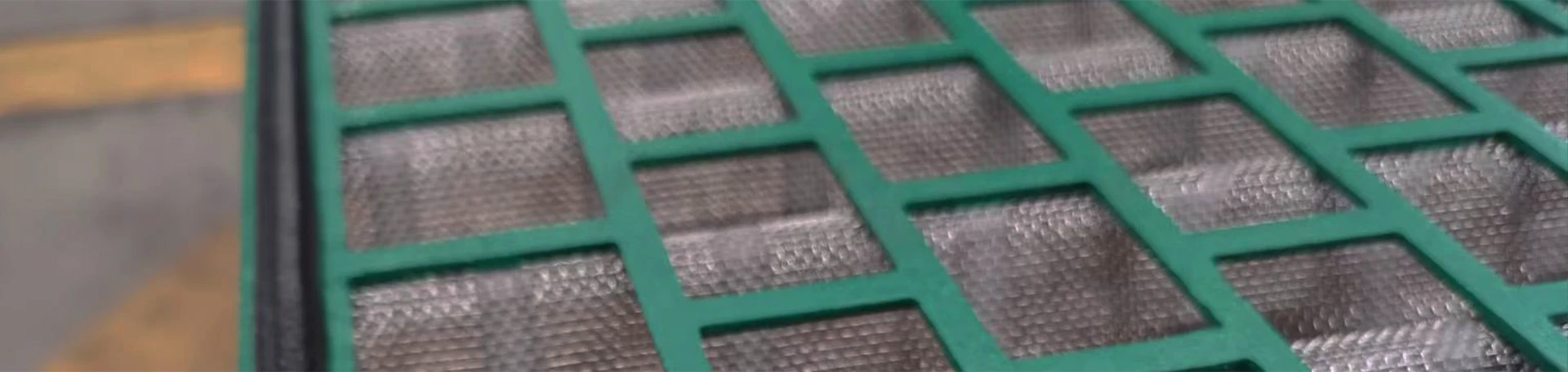
Precision weaving or welding of multiple mesh layers, often with specific configurations (e.g., three-layer, four-layer) to achieve optimal conductance and separation efficiency. This often involves automated weaving looms and specialized welding techniques to ensure uniform mesh openings and robust layer integration, critical for effective mud processing.
3. Frame Manufacturing
Frames are typically fabricated through casting (for complex geometries), forging (for high strength), or precision CNC machining of metal alloys. For composite screens, advanced injection molding techniques are employed. This ensures exact dimensions, robust structural support, and perfect fitment on the shale shaker deck, minimizing vibration and maximizing screen life.
4. Mesh Adhesion & Sealing
The fabricated mesh layers are meticulously bonded to the frame using specialized adhesive systems, often involving high-pressure, high-temperature curing processes to ensure a hermetic seal and prevent delamination. This critical step ensures that the fluid flows only through the mesh, preventing bypass and premature screen failure, which is a common issue with inferior products.
5. Quality Assurance & Testing
Each screen undergoes rigorous testing, including API RP 13C compliance for cut point and conductance, dimensional accuracy, tension testing, and seal integrity checks. Adherence to ISO 9001 and ANSI standards is standard. These tests simulate operational stresses to guarantee performance and durability, ensuring maximum return on investment for the operator.
The service life of these screens is significantly extended by advanced manufacturing techniques, with typical operational durations ranging from 200 to 500 drilling hours, depending on drilling conditions and mud type. Target industries benefiting from these screens include petrochemicals, mining, metallurgy, and municipal and industrial water supply & drainage systems. Advantages in typical application scenarios include enhanced energy saving through efficient mud recovery, superior corrosion resistance due to premium materials, and reduced waste disposal volumes.
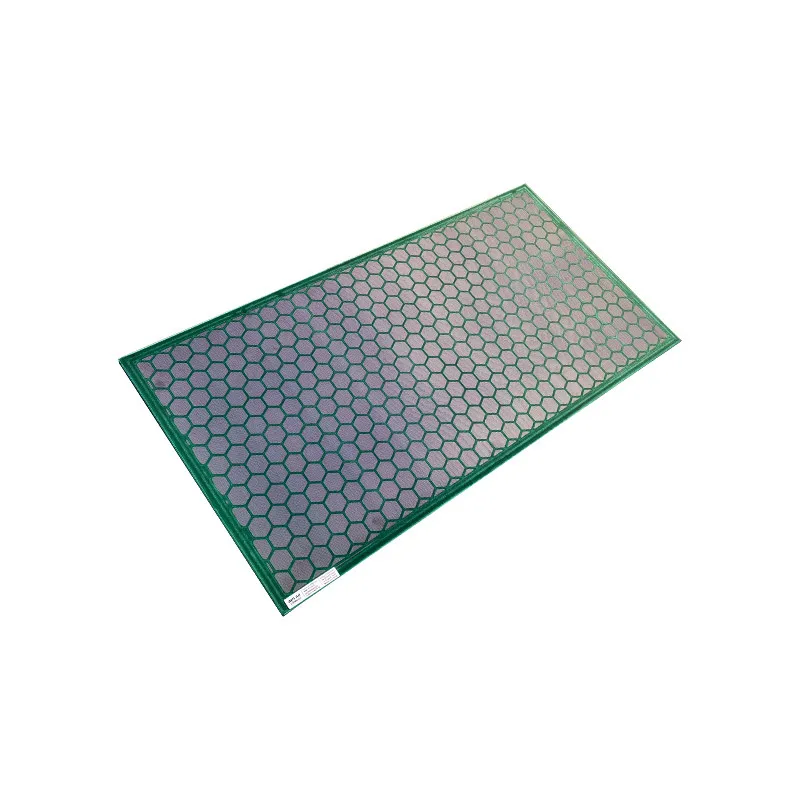
Current Industry Trends in Shale Shaker Screen Technology
The landscape for shale shaker screen manufacturers is continuously evolving, driven by the need for greater efficiency, sustainability, and adaptability. Several key trends are shaping the development and adoption of new screen technologies:
- Increased Emphasis on Fine Solids Removal: As drilling techniques become more complex, especially in unconventional plays, there's a growing demand for screens capable of removing finer solids to maintain mud properties and prevent formation damage. This requires innovative mesh designs that balance precise cut points with high fluid conductance.
- Enhanced Screen Lifespan: Manufacturers are developing screens with improved abrasion and corrosion resistance, leading to longer service life and reduced replacement frequency, thereby lowering operational costs. Innovations include composite frames and advanced mesh bonding techniques that extend screen integrity under harsh conditions.
- Modular and Customizable Designs: The trend towards modular screen panels and customizable mesh configurations allows operators to quickly adapt to varying drilling conditions and fluid types, optimizing performance on the fly. This flexibility is crucial for maximizing efficiency across diverse drilling environments.
- Sustainability and Waste Reduction: Focus on designs that facilitate easier cleaning, improved mud recovery, and reduced drilling waste volumes. This includes screens that allow for higher fluid throughput without compromising separation quality, contributing to a smaller environmental footprint.
- Digital Integration and Monitoring: While nascent, the integration of sensors for real-time performance monitoring (e.g., vibration, differential pressure) is an emerging trend to predict screen wear and optimize shaker settings for peak efficiency, leveraging data for predictive maintenance.
- API RP 13C Compliance and Optimization: Strict adherence to API RP 13C standards is becoming a baseline expectation, with manufacturers continuously striving to optimize conductance and cut points for superior performance, ensuring verifiable quality across the industry.
Technical Specifications and Parameters: Brandt Replacement Shale Shaker Screen
Understanding the technical parameters of specific screens is crucial for optimal solids control. Here, we detail the specifications of a high-quality Brandt Replacement Shale Shaker Screen, a leading product in the market often sought by operators needing reliable shaker screen for sale. This product is engineered to deliver peak performance on existing Brandt shaker units.
| Parameter | Specification |
|---|---|
| Compatibility | Designed to fit various Brandt shakers including King Cobra, King Cobra Slim, VSM 300, D380, and others, ensuring seamless integration. |
| Mesh Material | High-quality 304 or 316L Stainless Steel wire cloth, offering excellent corrosion resistance and strength. |
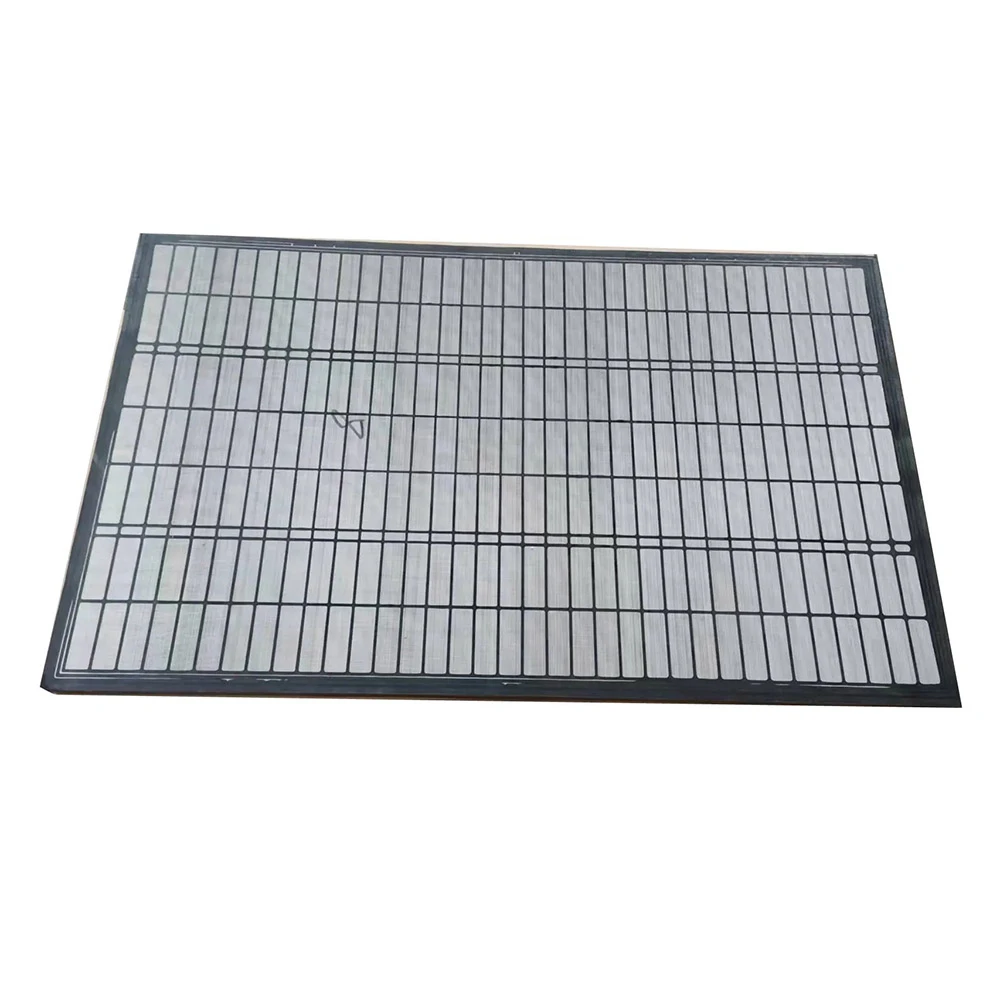
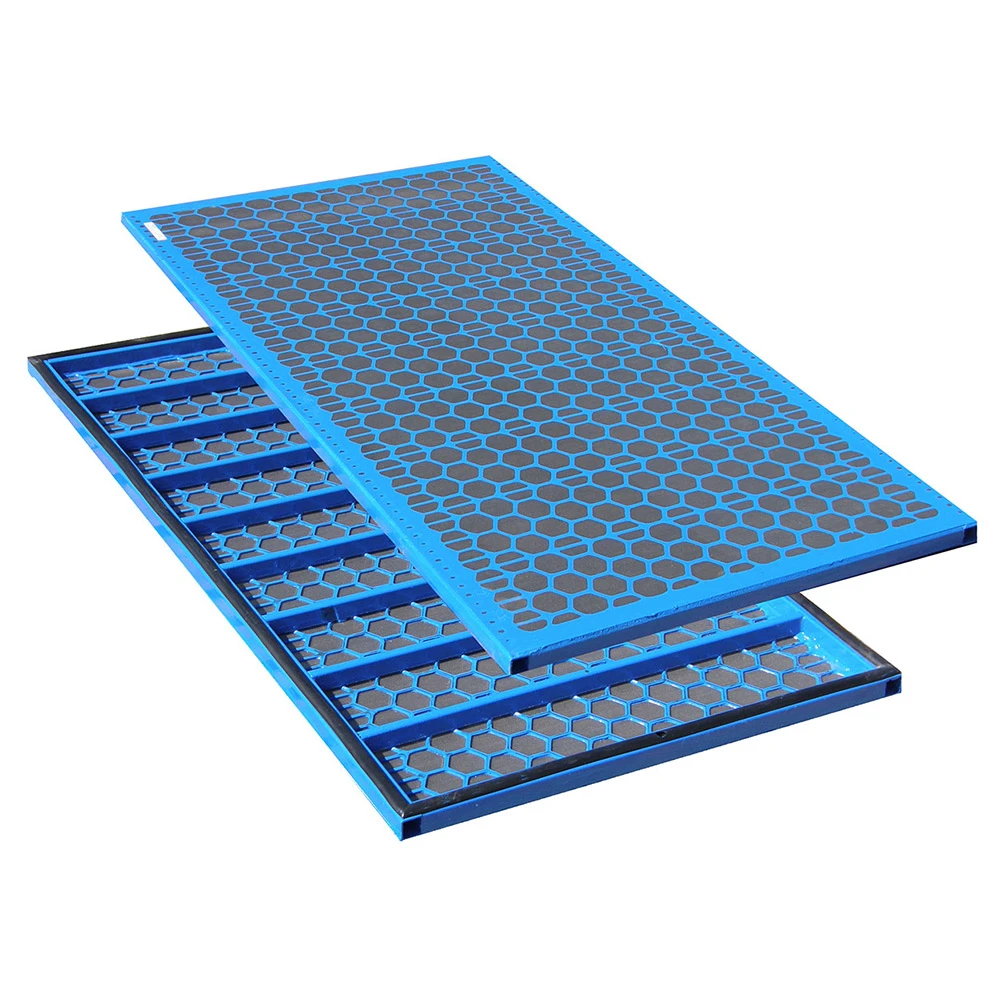
| Screen Type | Pre-tensioned composite or steel frame, multi-layer mesh, designed for durability and optimal separation. |
| API Mesh Sizes | API 60 to API 325, with customizable options for finer or coarser separation, compliant with API RP 13C. |
| Conductance (API RP 13C) | Typically ranging from 5 to 25 kD·mm, indicative of high fluid throughput (Varies significantly with mesh size and design). |
| Cut Point (API RP 13C) | D100 values from 20 to 250 microns, depending on API mesh, ensuring precise solids removal efficiency. |
| Effective Screen Area | Maximized open area for fluid throughput, specific to shaker model (e.g., King Cobra has approx. 12.3 sq ft (1.14 m²)). |
| Frame Material | High-strength composite or robust steel, designed to withstand extreme vibration and abrasive solids. |
| Operating Temperature | -20°C to +120°C (-4°F to +248°F), ensuring performance in diverse environments. |
| Service Life | Enhanced lifespan through advanced bonding, often 250-400+ hours, reducing change-out frequency. |
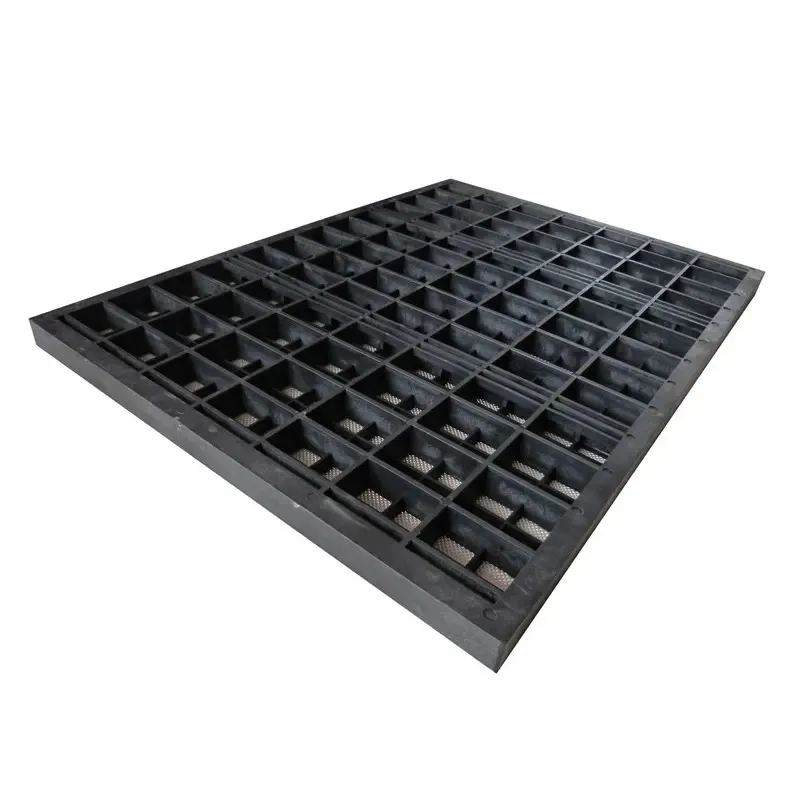
Application Scenarios and Technical Advantages
High-quality shale shaker screens are indispensable across a multitude of applications within the energy and industrial sectors. Their primary function is solids-liquid separation, ensuring the recovery of valuable fluids and the efficient removal of undesirable solids. The versatility and robustness of screens from leading shale shaker screen manufacturers allow for their deployment in the most challenging environments.
Typical Application Scenarios:
- Oil and Gas Drilling: The most prominent application, where screens remove drill cuttings and fine solids from drilling muds (WBM and OBM), ensuring mud reuse and maintaining wellbore stability. This is where products like shaker screen for sale prove invaluable for primary solids control.
- Horizontal Directional Drilling (HDD): Essential for trenchless technology projects, managing drilling fluid for successful bore completions, preventing damage to the drilling equipment and environmental contamination.
- Mining and Mineral Processing: Separating fine mineral particles from slurries, enhancing ore concentration and dewatering processes, which directly impacts extraction efficiency and product purity.
- Industrial Wastewater Treatment: Primary separation of suspended solids from industrial effluents, safeguarding downstream processes and ensuring compliance with discharge regulations.
- Coal Bed Methane (CBM) Drilling: Tailored screens handle the specific solids profiles encountered in CBM operations, which often involve unique fluid compositions and fine particle removal requirements.
Key Technical Advantages:
- Optimized Fluid Throughput: Advanced mesh designs, such as flat panel multi-layer screens, maximize the open area, allowing for higher fluid conductance without sacrificing fine solids removal. This directly translates to improved drilling rates and reduced mud losses, enhancing overall operational efficiency.
- Extended Screen Life: Composite frames and reinforced mesh structures resist wear and tear from abrasive solids and high vibration, leading to significantly longer operational life compared to traditional steel-frame screens. This reduces the frequency of replacements and associated downtime, lowering maintenance costs.
- Enhanced Separation Efficiency: Precisely controlled API cut points ensure accurate separation of solids, preventing the recirculation of detrimental particles back into the wellbore and maintaining optimal drilling fluid properties. This protects drilling equipment and improves well productivity.
- Corrosion and Abrasion Resistance: Use of high-grade stainless steel (304/316L) and specialized coatings protects against harsh chemicals and abrasive solids, critical in demanding environments like deepwater drilling or with aggressive drilling fluids. This ensures consistent performance and longevity.
- Reduced Operating Costs: Longer screen life, higher mud recovery, and less waste volume contribute directly to lower overall drilling costs. Efficient solids control also minimizes wear on pumps and other downstream equipment, extending their service life.
- Environmental Compliance: Superior separation capabilities help reduce the volume and toxicity of drilling waste, aiding operators in meeting increasingly strict environmental regulations and demonstrating responsible operations.
Vendor Comparison: King Cobra vs. VSM 300 Shaker Screens
Choosing the right shaker screen involves evaluating specific requirements against available technologies. Two prominent product lines frequently compared are the king cobra shale shaker screen and the vsm 300 shaker screen, both manufactured to high standards by leading shale shaker screen manufacturers. While both offer excellent solids control, their design philosophies cater to slightly different operational nuances, making them suitable for varied applications.
| Feature | Brandt King Cobra Screen | Brandt VSM 300 Screen |
|---|---|---|
| Shaker Compatibility | Specifically designed for Brandt King Cobra and King Cobra Slim shakers, offering a perfect fit. | Engineered for Brandt VSM 300 shakers, integrating into its multi-deck system. |
| Screen Type | Flat Panel Screen, often with durable composite frames for enhanced longevity. | Pre-tensioned Flat Panel or Corrugated Screen, available for Scalping, Primary, and Fine separation decks. |
| Effective Screen Area | Known for a large effective screen area, e.g., King Cobra has approximately 12.3 sq ft (1.14 m²), maximizing processing capacity. | Utilizes multiple screens per shaker deck (e.g., 3 panels for VSM 300 Scalping deck). Total area can be substantial for multi-stage processing. |
| Mesh Configuration | Proprietary multiple-layer mesh design ensures high conductance and sharp cut points for efficient solids removal. | Often utilizes flat or pyramid (corrugated) mesh for increased non-blanked area, improving fluid flow and separation efficiency. |
| Primary Advantage | High capacity, robust design, excellent for primary and secondary solids removal in demanding environments. | Versatile multi-deck system (Scalping, Primary, Fine) allowing for tailored, progressive separation and fine-tuning. |
| Typical Application | High-volume drilling, demanding environments, often used as the primary shaker for initial solids separation. | Multi-stage separation, precise fine solids removal, and specialized applications requiring nuanced fluid conditioning. |
| Mesh Tensioning | Typically pre-tensioned to a composite frame for maximum screen life and consistent performance. | Mechanically tensioned or pre-tensioned depending on the specific panel design, ensuring optimal tautness. |
While the King Cobra series excels in robust, high-volume applications, the VSM 300's multi-deck system offers unmatched versatility for progressive solids removal, from scalping coarse cuttings to polishing fine solids. The choice depends on the specific drilling fluid properties, desired separation efficiency, and overall solids control system architecture. Reliable brandt shaker screens from reputable suppliers ensure compatibility and performance across these critical systems, optimizing drilling operations.
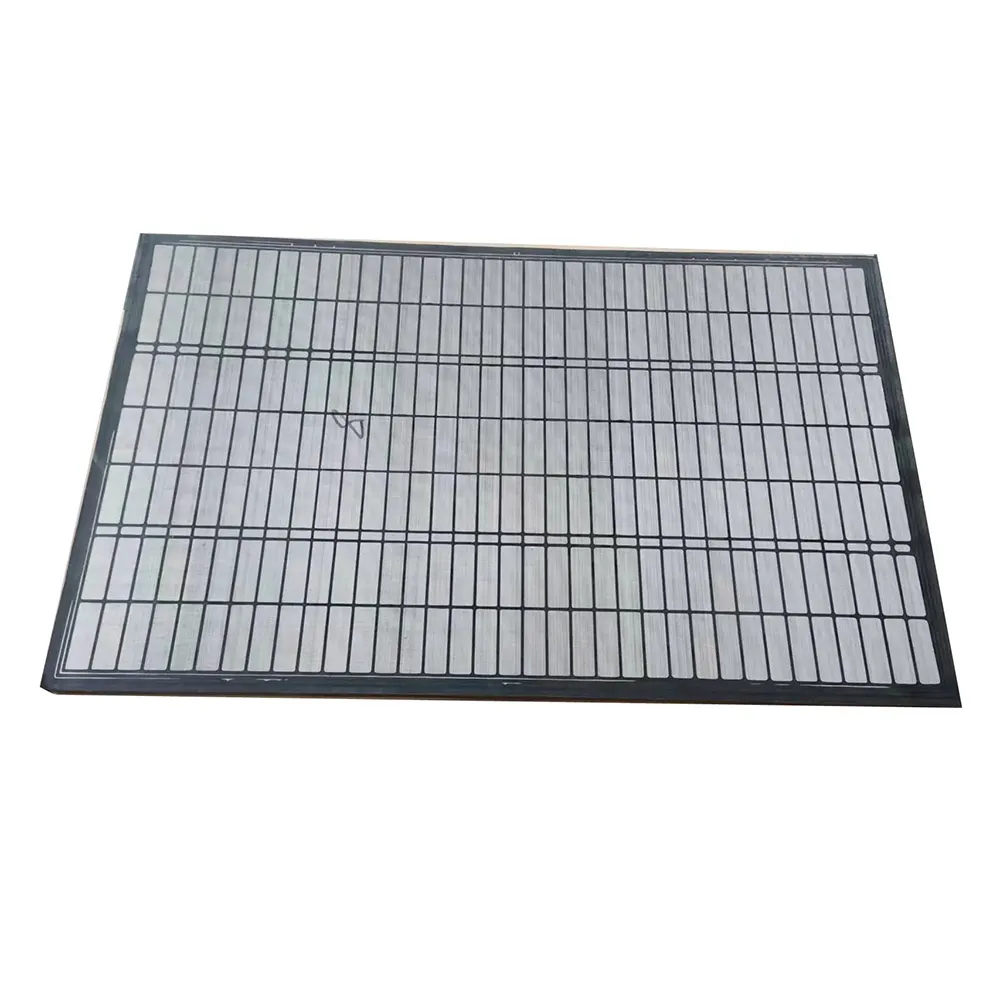
Customized Solutions and Case Studies
The dynamic nature of drilling operations often necessitates customized solutions beyond standard offerings. Leading shale shaker screen manufacturers excel in providing tailored screens to meet unique challenges related to specific formations, drilling fluids, or environmental constraints, leveraging their expertise to optimize performance.
Customization Capabilities:
- Mesh Configuration: Development of bespoke mesh layering and weaving patterns to achieve precise cut points and fluid conductance for highly specialized drilling muds, including those with challenging rheological properties.
- Frame Materials: Utilizing advanced composite polymers or specific metal alloys for enhanced resistance to extreme temperatures, corrosive chemicals, or excessive vibrations, ensuring structural integrity in harsh conditions.
- Panel Dimensions & Shapes: Manufacturing screens with non-standard dimensions or shapes to fit older or proprietary shaker models that are still in service, extending the life of existing equipment.
- Reinforcement & Coatings: Applying specialized coatings or reinforcements to areas prone to accelerated wear, thereby extending screen life in particularly abrasive environments and reducing premature failure.
Application Case Study: Enhanced Performance in Deepwater Drilling
A major independent oil and gas operator was facing significant challenges with solids control during a deepwater exploration project in the Gulf of Mexico. The combination of high flow rates, aggressive synthetic-based drilling fluid (SBM), and extremely fine drilled solids was leading to premature screen blinding and excessive mud loss, resulting in frequent screen changes and increased Non-Productive Time (NPT).
Working closely with a specialized shale shaker screen manufacturers, a customized solution was developed. This involved:
- Optimized Mesh Architecture: A proprietary four-layer mesh with a higher effective open area and improved anti-blinding characteristics was engineered for their existing Brandt VSM 300 shakers, designed to maintain flow even with sticky solids.
- Enhanced Frame Bonding: A novel, chemical-resistant adhesive and curing process was utilized for superior mesh-to-frame bonding, preventing delamination under the aggressive SBM conditions and ensuring structural integrity.
- API 200 Mesh Refinement: While standard API 200 screens were used, the customized solution focused on maximizing conductance at that specific cut point, reducing screen blinding by 30% without sacrificing solids removal efficiency.
Results: The deployment of these customized screens led to a remarkable 40% increase in average screen life, a 15% reduction in drilling fluid consumption due to improved recovery, and a significant decrease in solids disposal volumes. This project demonstrated the tangible benefits of partnering with experienced shale shaker screen manufacturers capable of delivering tailored, high-performance solutions that directly address complex operational challenges.
Ensuring Trust and Reliability: Standards and Customer Support
For B2B buyers, trust and reliability are as critical as technical performance. Reputable shale shaker screen manufacturers adhere to stringent quality, transparency, and support standards, embodying Google's principles (Expertise, Experience, Authoritativeness, Trustworthiness) to build lasting client relationships.
Certifications and Authoritativeness:
- ISO 9001:2015 Certification: Demonstrates a commitment to a consistent quality management system, ensuring products and services consistently meet customer and regulatory requirements globally.
- API RP 13C Compliance: Adherence to the American Petroleum Institute's Recommended Practice for Evaluation of Shaker Screen Performance ensures standardized and verifiable performance metrics (D100 separation, conductance), providing transparent product comparisons.
- Extensive Industry Experience: Manufacturers with decades of experience and a track record of serving major global operators solidify their authoritative standing in the solids control sector, offering invaluable practical knowledge.
- Partnerships: Collaborations with leading drilling contractors and equipment providers further validate market acceptance and product reliability, building a network of trust and proven solutions.
Frequently Asked Questions (FAQ):
- Q: How do I choose the correct API mesh size for my application?
- A: The optimal API mesh size depends on the desired cut point for solids removal, drilling fluid properties (density, viscosity), and flow rate. Consulting with a technical expert from the screen manufacturer is recommended to match screen performance with operational goals. Consider the API RP 13C D100 value which indicates the theoretical cut point, ensuring precise particle separation.
- Q: What is the typical lead time for a large order of custom screens?
- A: Standard screens usually have a lead time of 2-4 weeks, depending on stock and order volume. For custom designs, lead times can range from 6-10 weeks, factoring in design, prototyping, testing, and production. Expedited options may be available upon request and based on current production capacity and material availability, with transparent communication throughout the process.
- Q: What warranty is provided with the screens?
- A: High-quality screens typically come with a limited warranty against manufacturing defects. This usually covers issues such as premature delamination of mesh from the frame, or significant structural failures under normal operating conditions within a specified period (e.g., 6-12 months from delivery or a set number of operating hours). Specific terms vary by manufacturer and product; always review the detailed warranty statement to understand the coverage.
- Q: What after-sales support is available?
- A: Comprehensive after-sales support includes technical consultation, troubleshooting guides, on-site service (depending on location and contract), and inventory management assistance. Dedicated customer service teams are available to address inquiries regarding product performance, installation, and maintenance. Training programs for rig personnel on optimal screen usage and maintenance may also be offered to maximize screen life and efficiency.
Lead Time and Fulfillment:
For standard `shaker screen for sale` items, efficient logistics networks allow for rapid dispatch, often within 1-2 weeks for common mesh sizes and models. Custom or large-volume orders are managed through a phased approach, with clear communication on production schedules and delivery milestones to ensure timely fulfillment and minimize operational disruptions, thus maintaining project timelines.
Warranty Commitments:
Leading manufacturers back their products with robust warranty commitments, demonstrating confidence in their engineering and quality control. This typically covers defects in materials and workmanship, ensuring that clients receive reliable products that perform as specified under intended use. Details are usually provided with specific product quotations or purchase agreements, offering peace of mind to the buyer.
Customer Support:
Dedicated customer support teams provide invaluable assistance, from pre-purchase technical advice to post-installation troubleshooting. This includes access to technical specifications, API RP 13C data, application guides, and responsive channels for addressing any operational concerns, reinforcing the trustworthiness of the manufacturer and ensuring continuous operational efficiency.
Conclusion
The selection of high-quality shale shaker screens is a critical determinant of solids control efficiency, directly impacting drilling costs, operational uptime, and environmental performance. By understanding the rigorous manufacturing processes, staying abreast of industry trends, and critically evaluating technical specifications and vendor capabilities, operators can ensure they equip their drilling operations with the most effective shaker screen for sale solutions. Partnering with reputable shale shaker screen manufacturers who uphold strong standards and offer comprehensive support is key to achieving sustained success in an ever-challenging industry, safeguarding investments and optimizing performance.
Authoritative References
- American Petroleum Institute. (2020). API Recommended Practice 13C: Recommended Practice for Drilling Fluids Processing Systems Evaluation (RP 13C).
- International Organization for Standardization. (2015). ISO 9001:2015: Quality management systems – Requirements.
- Schlumberger Oilfield Glossary. (n.d.). Shale Shaker. Retrieved from Schlumberger Oilfield Glossary.
- Society of Petroleum Engineers (SPE). (Ongoing publications and technical papers on drilling fluid technology and solids control advancements).
- World Oil Magazine. (Monthly industry analysis and technical articles on drilling and production technologies).