Industrial Shaker Screen Manufacturers: What I’ve Learned Over the Years
Having spent more than a decade working hands-on in the industrial equipment sector, I’ve developed a particular appreciation for something that might seem a bit niche but is absolutely crucial in many operations: industrial shaker screens. You may not hear about them at cocktail parties—frankly, I haven’t been to many where this was a hot topic—but these screens are the unsung heroes in various industries where separating solids from liquids or grading particulates is mission-critical.
Oddly enough, the manufacturers behind these robust screens don’t always get the spotlight they deserve. Yet, the choice of a manufacturer can make or break a project because the design, material quality, and durability matter a lot when you’re dealing with heavy-duty, abrasive, or corrosive materials.
Let me share some thoughts on what to look for when selecting an industrial shaker screen manufacturer and what separates the good from the merely adequate.
Understanding the Basics: What Makes a Good Industrial Shaker Screen?
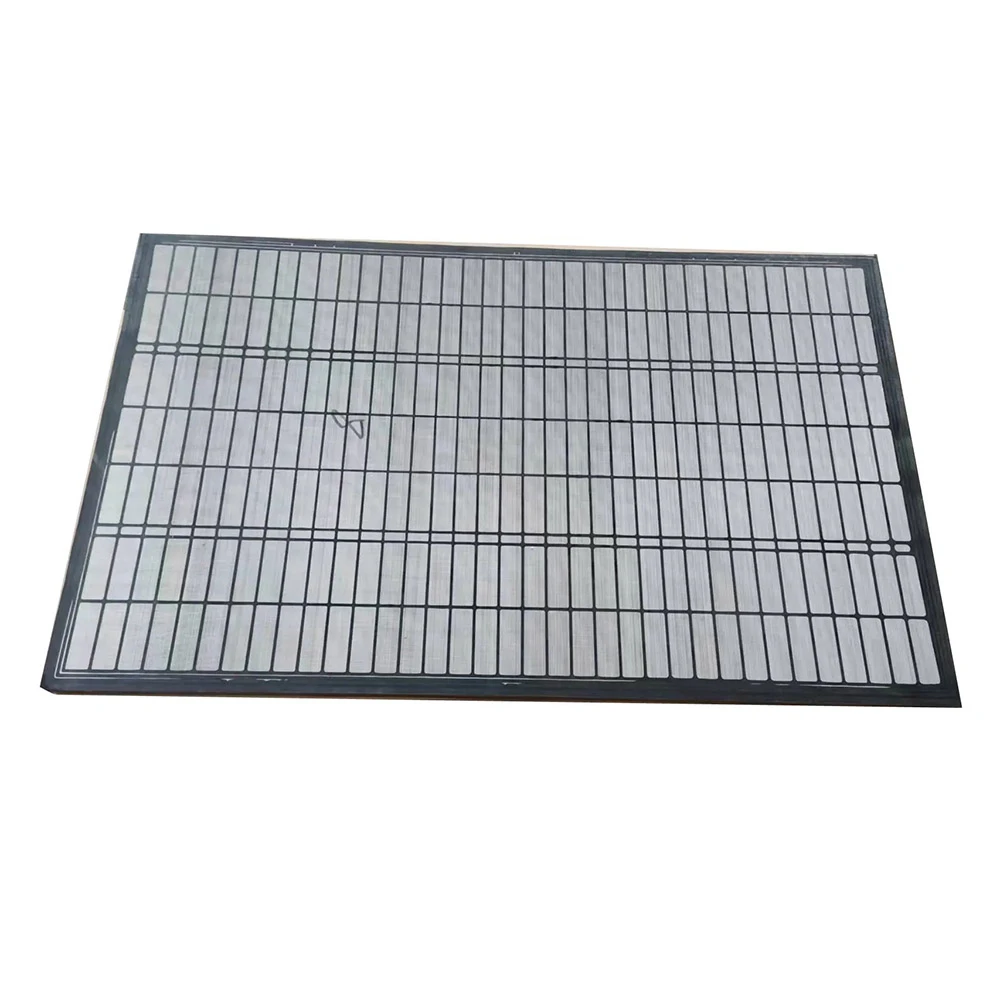
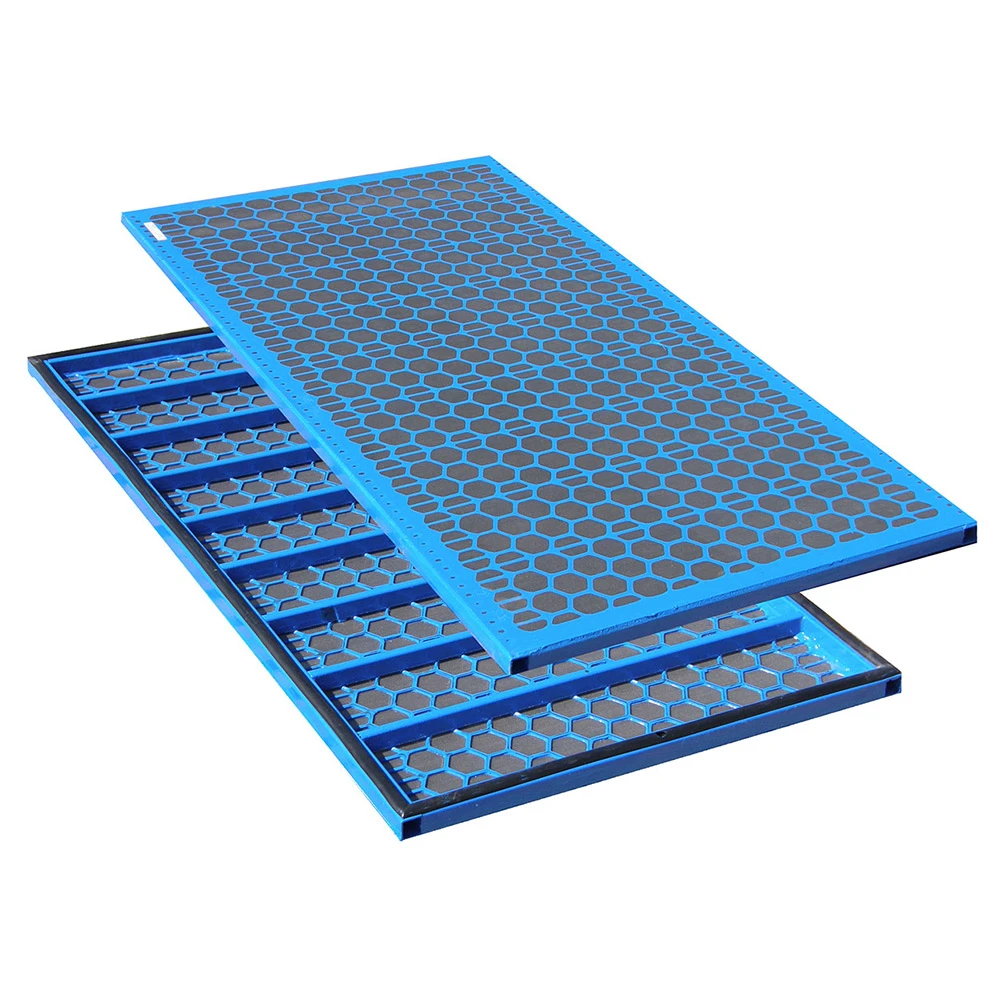
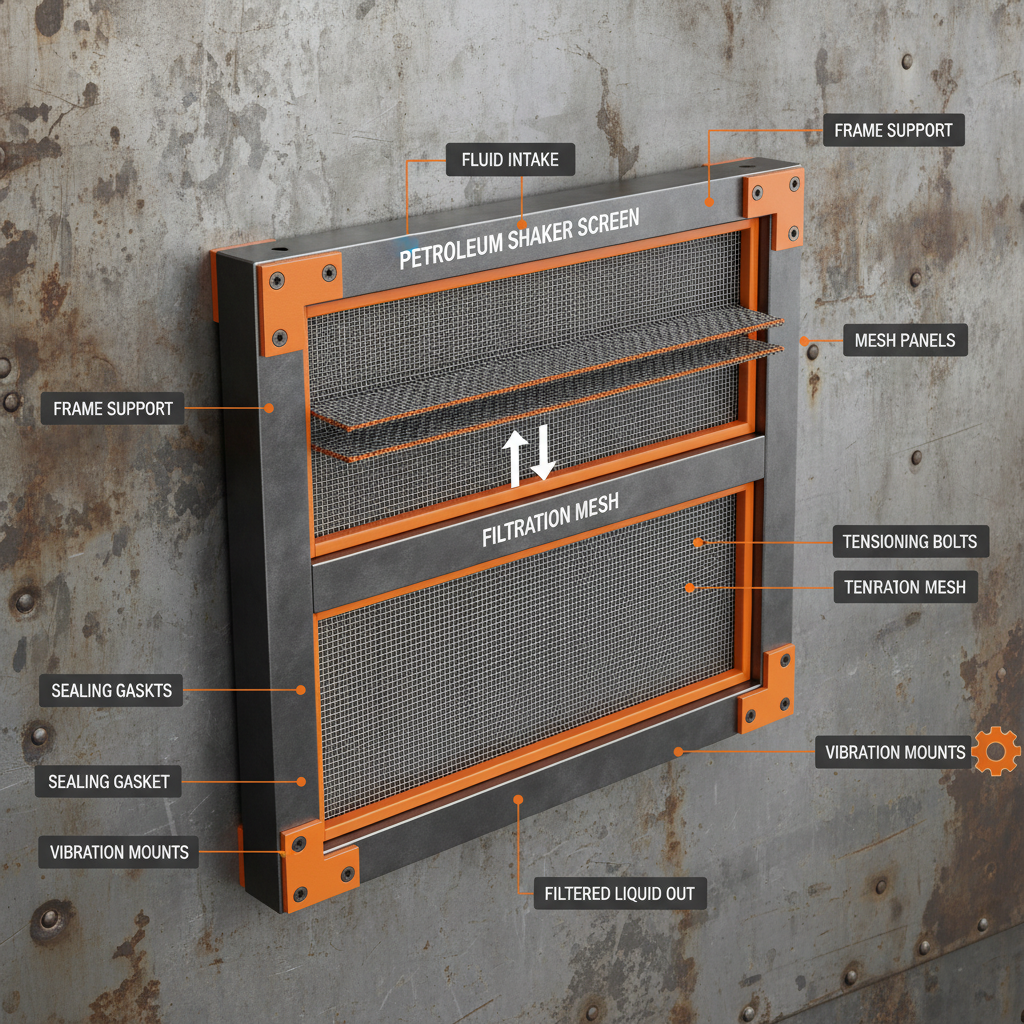
At its core, an industrial shaker screen acts as a precision sieve, sorting materials by size and allowing smooth separation processes. You’d think it’s just a wire mesh, right? Well, it’s a bit more complicated. There’s the material strength, the aperture uniformity, the tensioning system, and the frame build—all factors affecting the screen’s performance and lifespan.
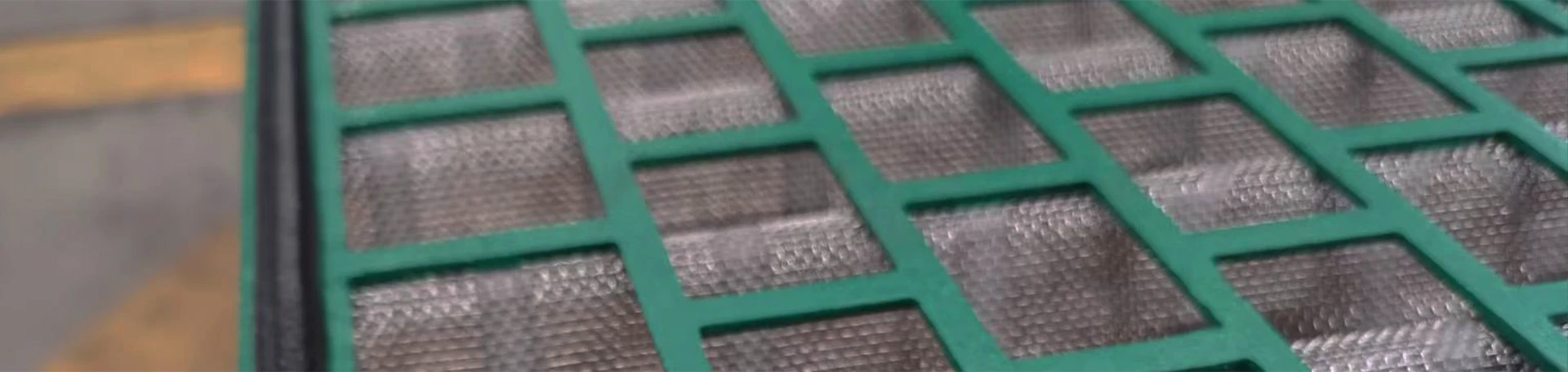
Most manufacturers use high-grade stainless steel wire mesh, often woven tightly with precision. But beyond the mesh, companies innovate with polymer coatings or special frame materials to make the screens more abrasion-resistant and elastic. From my experience, screens that come with a modular frame system tend to be easier to maintain, especially in plants running nonstop shifts.
Product Specifications at a Glance
| Specification | Typical Value / Options |
|---|---|
| Material | Stainless Steel 304 / 316, Polymer Coated Mesh |
| Aperture Size | 0.15 mm to 3.0 mm |
| Frame Types | Modular, Fixed, Tensioned Frames |
| Mesh Weaving | Plain, Twilled, Dutch Weave |
| Longevity | 6 to 18 months under standard industrial use |
One time, I remember a customer who was frustrated because the screens they got from a less-experienced manufacturer repeatedly wore out in just a few weeks. Switching to a supplier who offered polymer-coated frames and more precise weaving literally doubled their uptime. It was like night and day.
Comparing Leading Industrial Shaker Screen Vendors
Choosing the right manufacturer really boils down to a few essentials: quality consistency, customization options, and support. I’ve worked with many vendors, both big and small, and here’s a quick rundown based on my experiences and feedback from colleagues in the field:
| Manufacturer | Customization | Material Quality | Lead Time | Support & Service |
|---|---|---|---|---|
| Solid Control Part | High – tailored specs | Premium grade SS 316 | 2–3 weeks | Responsive, knowledgeable |
| Generic Industrial Corp | Limited | Standard SS 304 | 4–6 weeks | Average |
| Precision Mesh Solutions | Moderate | SS 304 with coatings | 3–5 weeks | Good |
Solid Control Part often stands out in my experience — their commitment to customization and premium materials really sets them apart. I recall a project involving abrasive slurry separation where their screens lasted significantly longer than expected. Plus, their team has been pretty easy to work with, which frankly makes a big difference when things get hectic on-site.
Final Thoughts on Industrial Shaker Screen Manufacturing
In real terms, choosing the right industrial shaker screen manufacturer is about balancing quality, precision, and service. These aren’t glamorous purchases, but they definitely impact your plant's efficiency and bottom line. I suppose what I’m saying is: it might pay off to dig a bit deeper and not just go with the lowest quote.
After all, once a screen fails unexpectedly, the downtime and replacement hassle aren’t cheap or easy.
If you want to explore reliable options with tailored engineering solutions, consider looking at industrial shaker screen manufacturers who back their products with solid expertise and proven track records.
Here’s hoping this helps you navigate the marketplace with a bit more confidence.
- Case experience from onsite industrial equipment installations (personal experience).
- Industry materials and design standards referenced in manufacturer specs.
- Informal interviews with plant engineering teams.