Shale Shaker Screen Mesh Factory: The Backbone of Efficient Solid Control
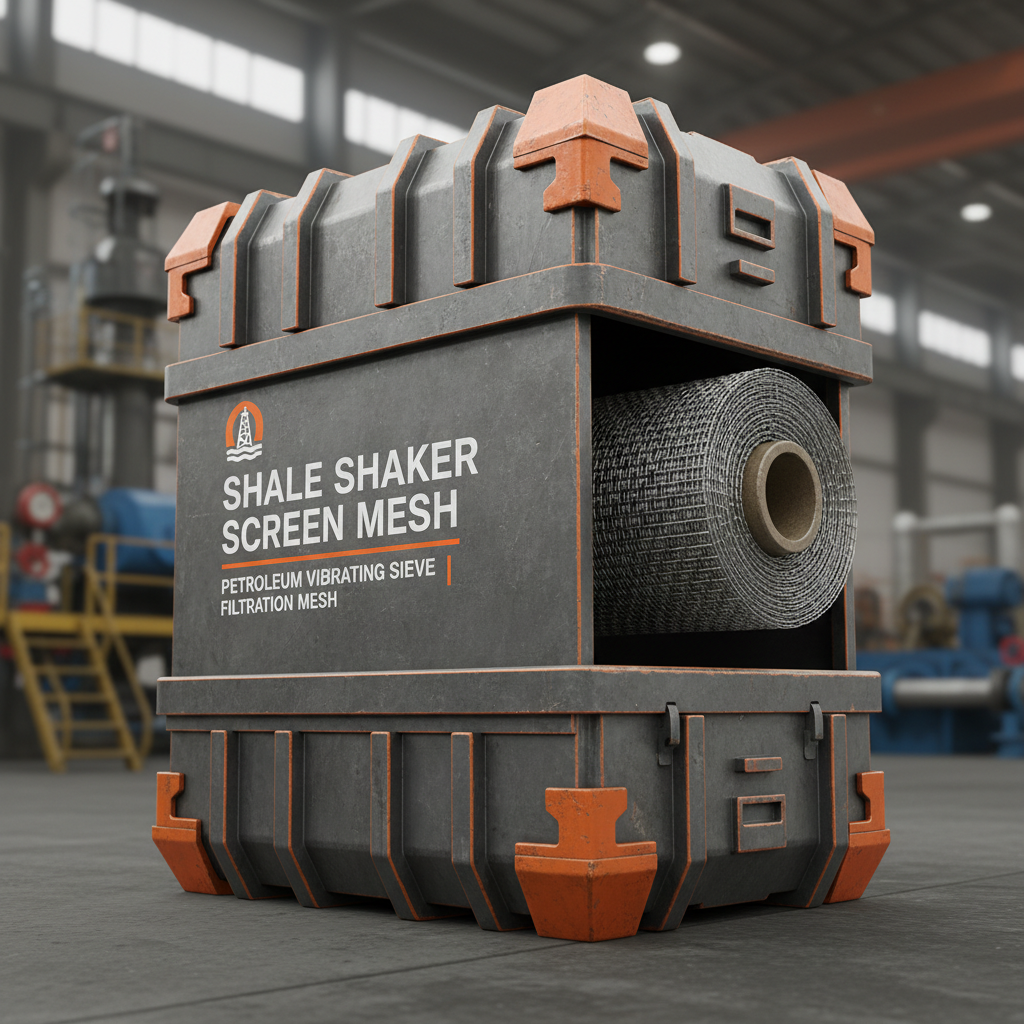
Having spent a fair share of years knee-deep in the industrial equipment world, I’ve come to appreciate the quiet heroes behind every drilling operation — and one such hero is definitely the shale shaker screen mesh. You might not see it on billboards, but these mesh screens are foundational to separating solids from drilling fluids, ensuring everything else runs smoothly. The shale shaker screen mesh factory I’ve worked with impressed me not just because of their product quality, but because they really understand the nuances of this niche industry.
Oddly enough, working with these mesh screens feels part science, part art. Selecting the right mesh material and weave count isn’t just guessing; it’s about knowing the drilling conditions — the rock types, fluid properties, and required flow rates. I remember one project where a simple shift from a 40-mesh to 60-mesh dramatically improved cuttings removal without choking the flow. The right manufacturer makes that refinement painless.
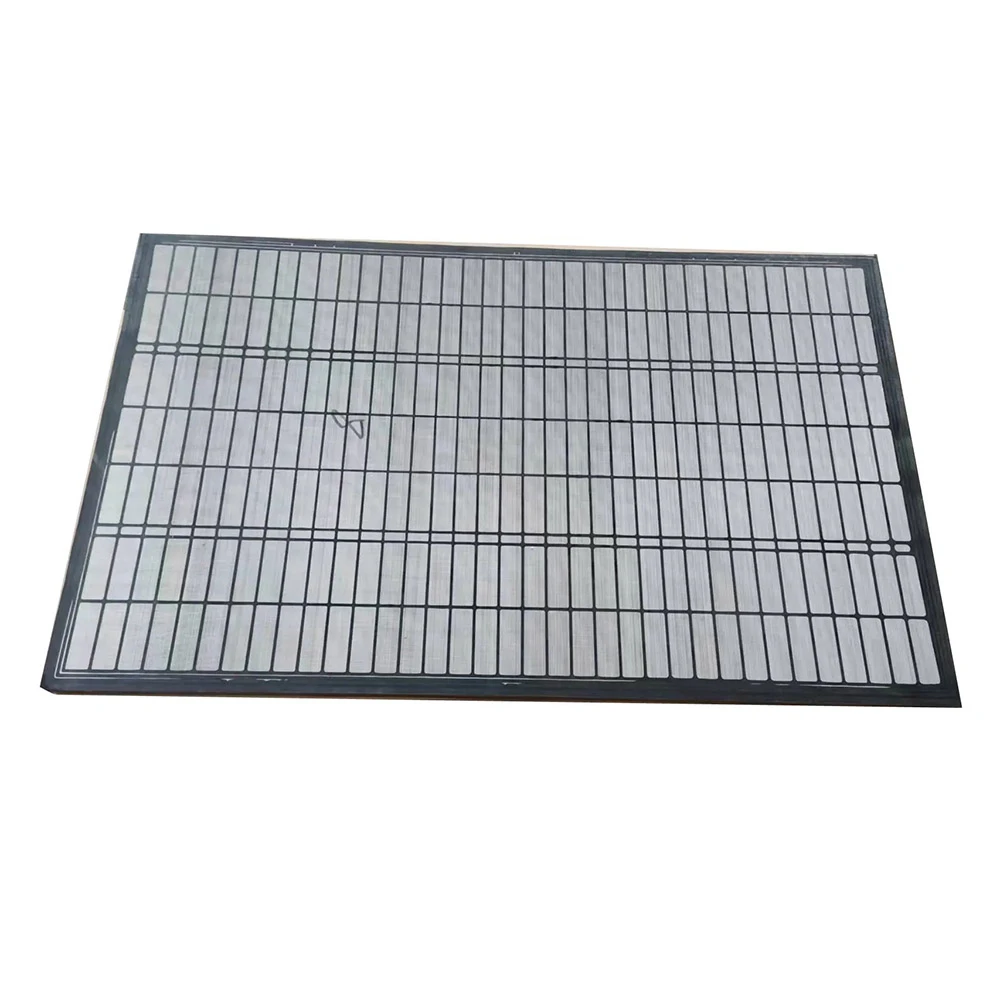
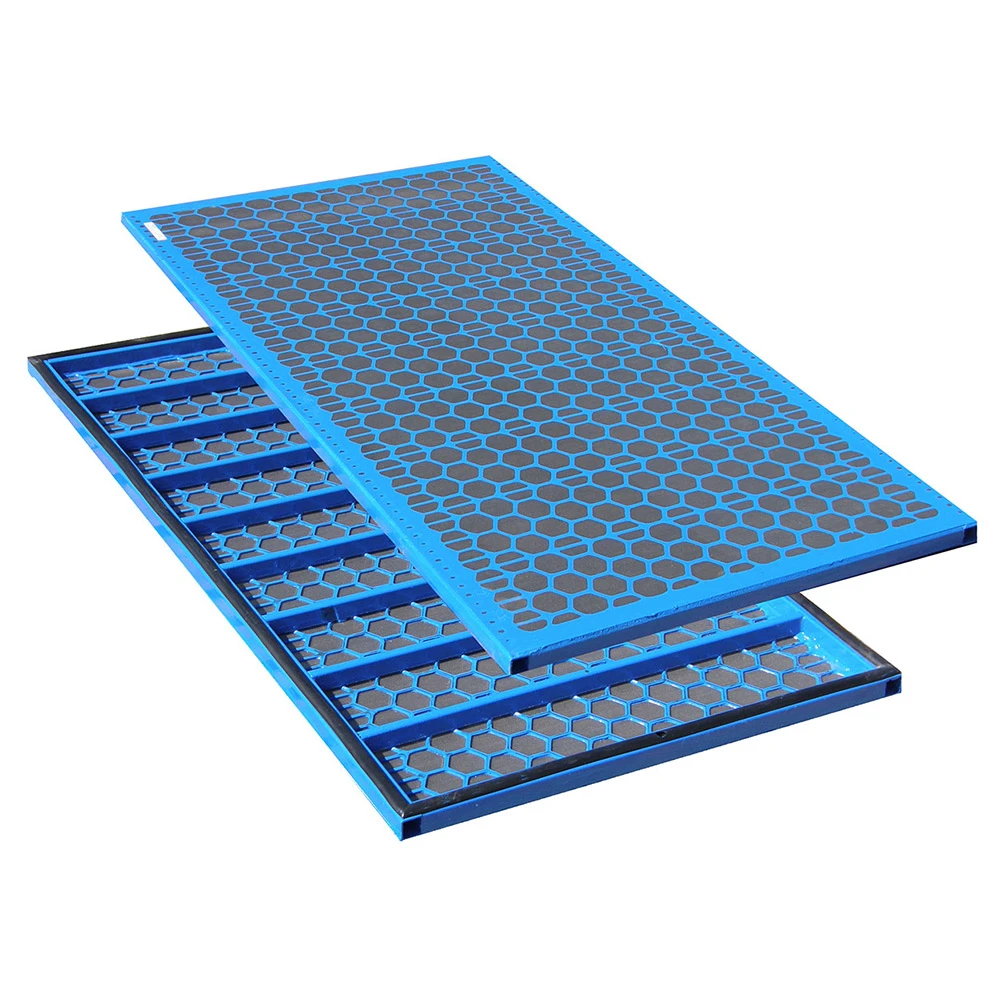
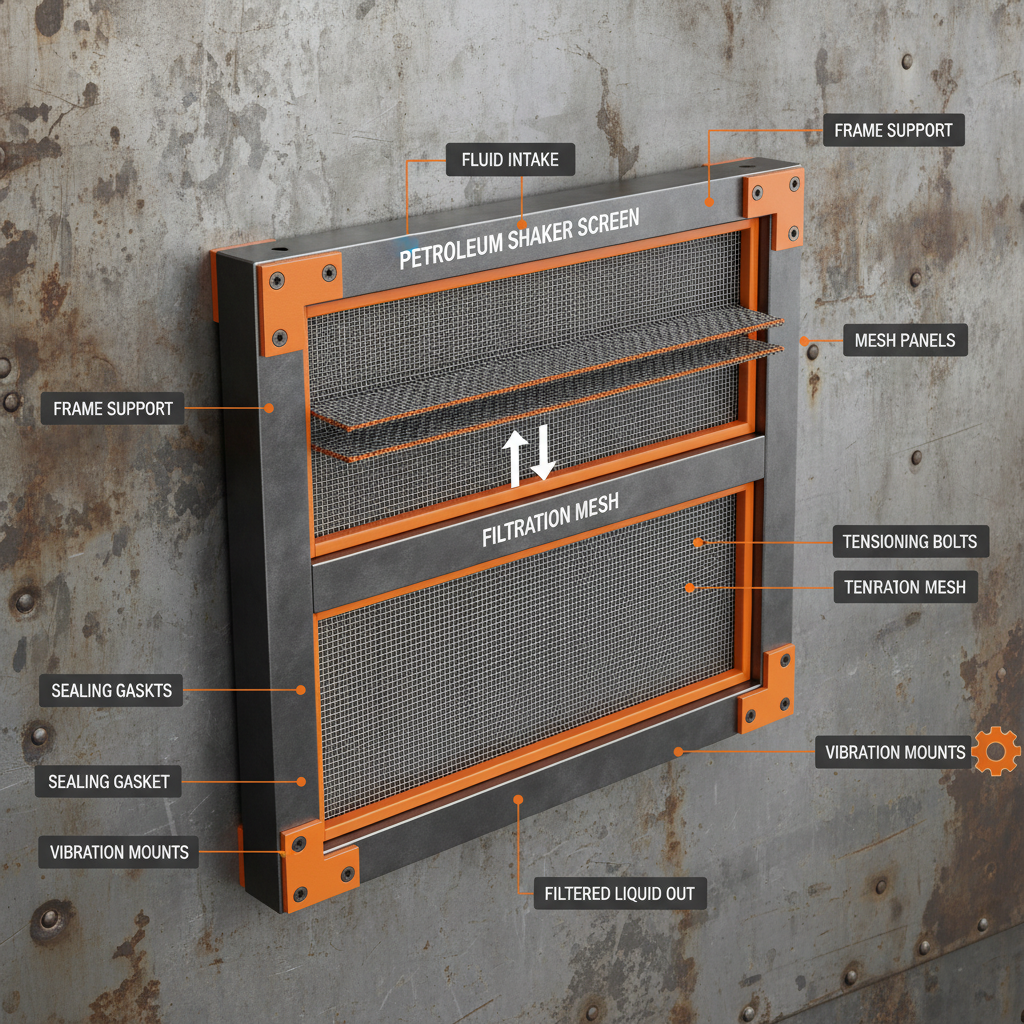
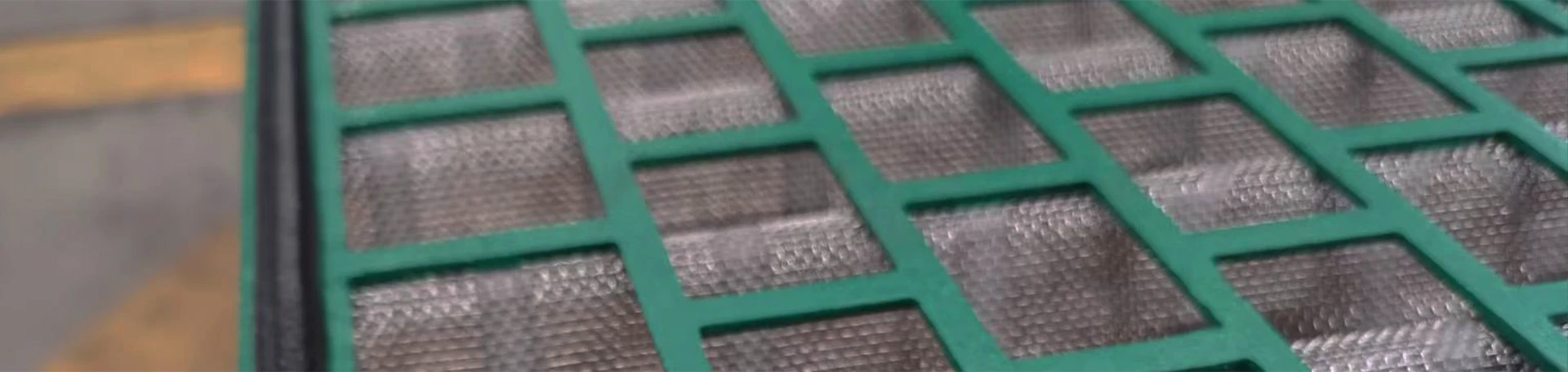
Most of these factories focus heavily on stainless steel woven wire mesh, often 304 or 316 grade. Stainless steel not only resists corrosion but holds its tension perfectly under intense vibration. And trust me, shale shaker screens get a real beating—constant shaking, abrasive solids grinding on them. The factory I dealt with emphasized strict quality control - using laser cutting processes for precision and double-layered mesh configurations for reinforced durability.
| Specification | Details |
|---|---|
| Material | 304/316 Stainless Steel Woven Wire |
| Mesh Size Options | API 20 – API 325 (standard) or customized |
| Weave Type | Dutch, Twilled, Plain Weave |
| Frame Material | Aluminum, Steel, or Composite |
| Durability Testing | Abrasion Resistance, Vibration Fatigue |
Now, beyond specs, what truly matters is the factory’s capacity to customize. Suppliers that can tweak wire diameters, weave styles, or frame fits to suit your shaker model and drilling conditions will save you headaches downstream. I had a client once who switched vendors and saw a 15% boost in operational life thanks to better mesh tension and frame profile — frankly, those small engineering details can be surprisingly impactful.
Let me share a brief story. A drilling company in Texas was grappling with frequent screen tears disrupting their schedules. After consulting with a reputable shale shaker screen mesh factory, they shifted from a generic screen to a dual-layered, twilled weave design. The difference? Screen life doubled and fluid clarity improved visibly. It’s a detail that might sound minor, but in the field, it meant less downtime and better productivity — kind of the quiet win every operation hopes for.
| Feature | Vendor A | Vendor B | Vendor C |
|---|---|---|---|
| Customization Range | High (wire diameter, weave, frame) | Medium (standard sizes only) | Low (limited options) |
| Material Quality | 304 & 316 Stainless Steel | 304 Stainless Steel | Mixed Grades |
| Lead Time | 2-3 Weeks | 4-6 Weeks | 6+ Weeks |
| Testing Rigor | Comprehensive (vibration, abrasion) | Partial (abrasion only) | Minimal / On demand |
| Price | Premium | Mid-range | Budget |
When you’re sourcing from a shale shaker screen mesh factory, keep in mind the balance between quality and lead time. A quick order might be tempting, but rougher screens will cost more in the long run — replacement downtime, lost productivity, and sometimes even damage to downstream equipment.
I suppose if there’s one takeaway from my decades in this sector, it’s that a good shale shaker screen mesh factory treats you more like a partner than just a customer. They don’t just ship product; they help you optimize your setup, troubleshoot problems, and often suggest innovations. After all, the drilling world changes fast, and the best mesh providers are the ones who evolve with it.
At the end of the day, quality screens aren’t just components — they’re small investments that pay big dividends on rig efficiency.
References:
1. API RP 13C - Recommended Practice for Drilling Fluid Solids Control Equipment and Shale Shaker Screens.
2. International Journal of Engineering Research on Mesh Properties.
3. Field Interviews with Drilling Engineers, 2018-2023.