Inside the Industrial Shaker Screen Factory: What You Should Know
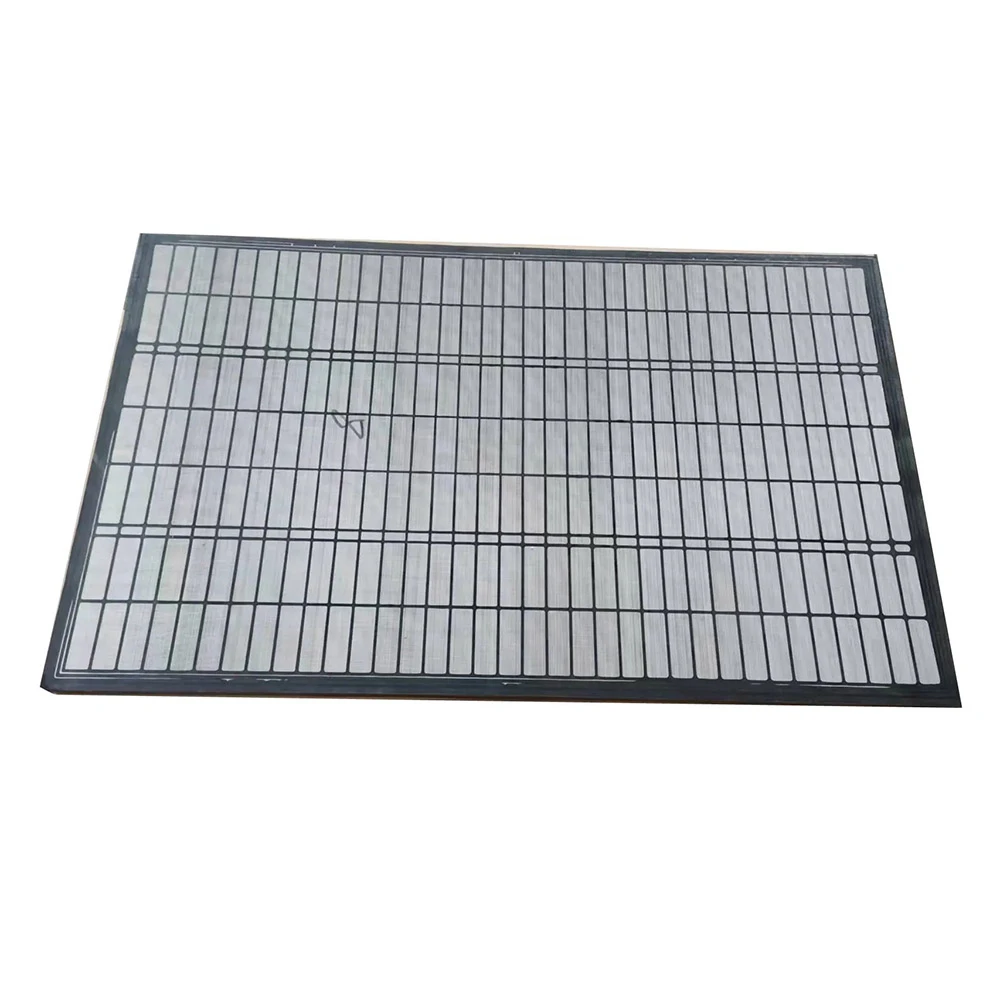
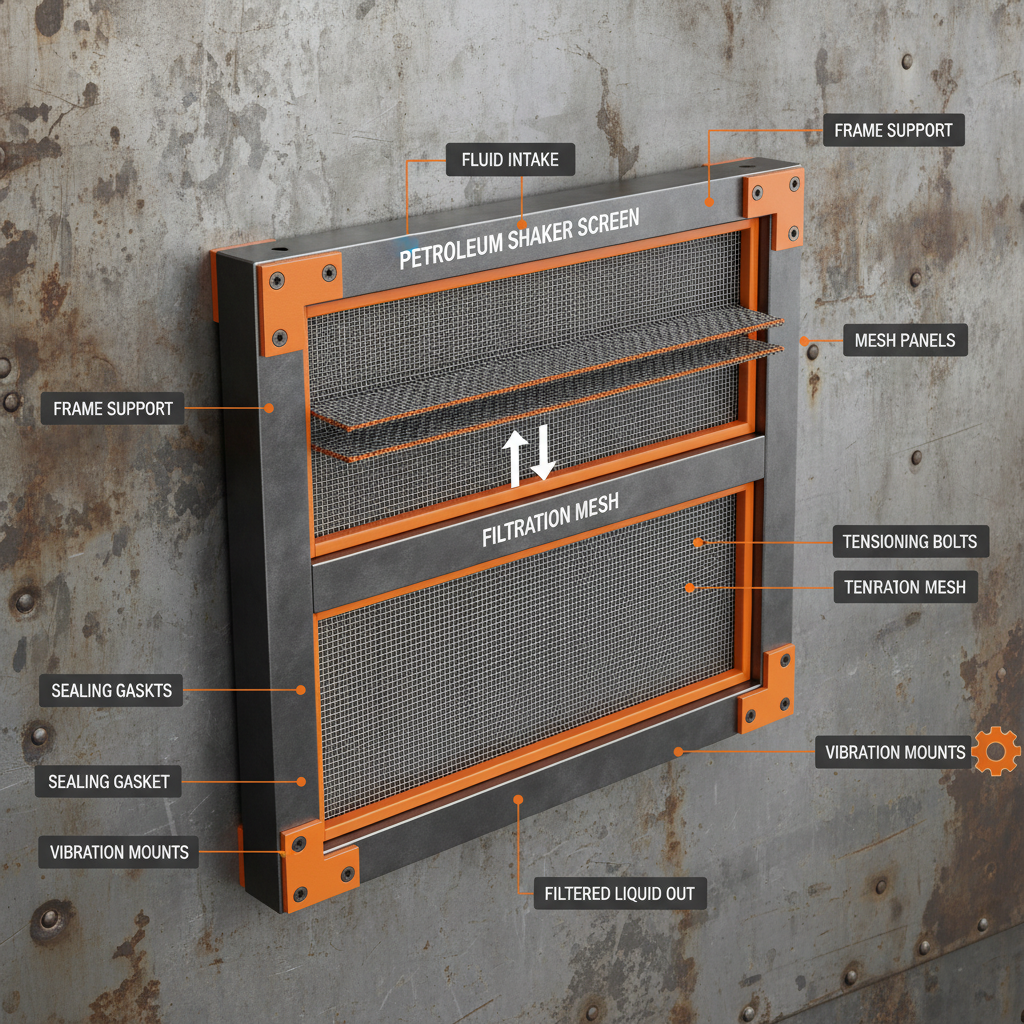
Having spent more than a decade in the industrial equipment sector, I’ve come across countless pieces of machinery that seem simple but are actually marvels of engineering. One such example is the industrial shaker screen. If you think it’s just a vibrating mesh, well, that’s true in a way — but in real terms, it's a lot more nuanced. These screens are literally the frontline soldiers in separating solids from liquids, especially in demanding environments like oil drilling or mining.
Now, when you walk into a shaker screen factory — or at least, from what I've seen visiting a few — the place hums with a focused energy. There’s welding, mesh weaving, rigorous testing, and of course, quality control. The manufacturers obsess over every wire and every weld because a tiny defect can mean massive downtime for end-users.
One thing I find pretty interesting is how these factories blend old-school craftsmanship with modern technology. You’ll spot robotic welding arms next to technicians carefully inspecting steel frames. Frankly, the commitment to precision is something many engineers I’ve chatted with appreciate deeply. After all, reliable screen performance directly impacts operational uptime and cost-efficiency.
Understanding Product Specs: What Makes a Good Shaker Screen?
Let me break down the typical specs you’d expect from a quality industrial shaker screen:
| Specification | Details |
|---|---|
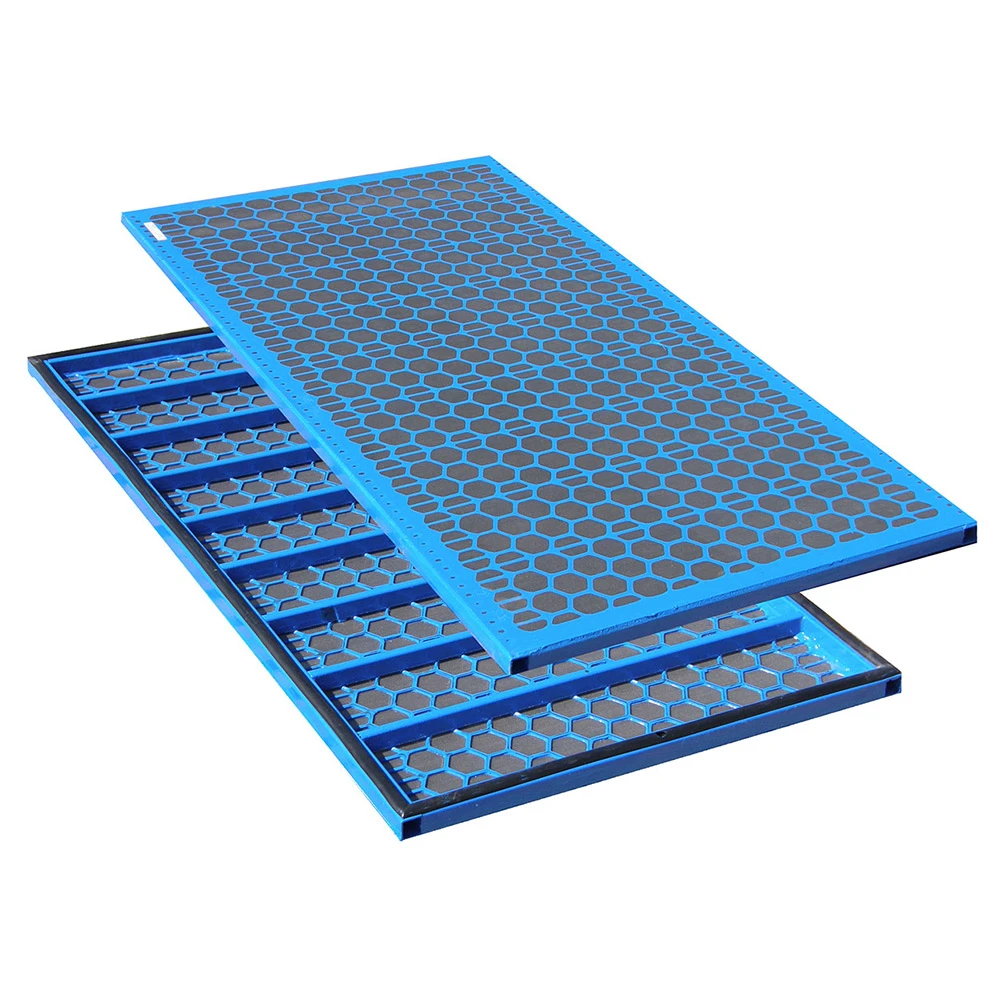
| Screen Type | Hookstrip, Pretensioned, Composite |
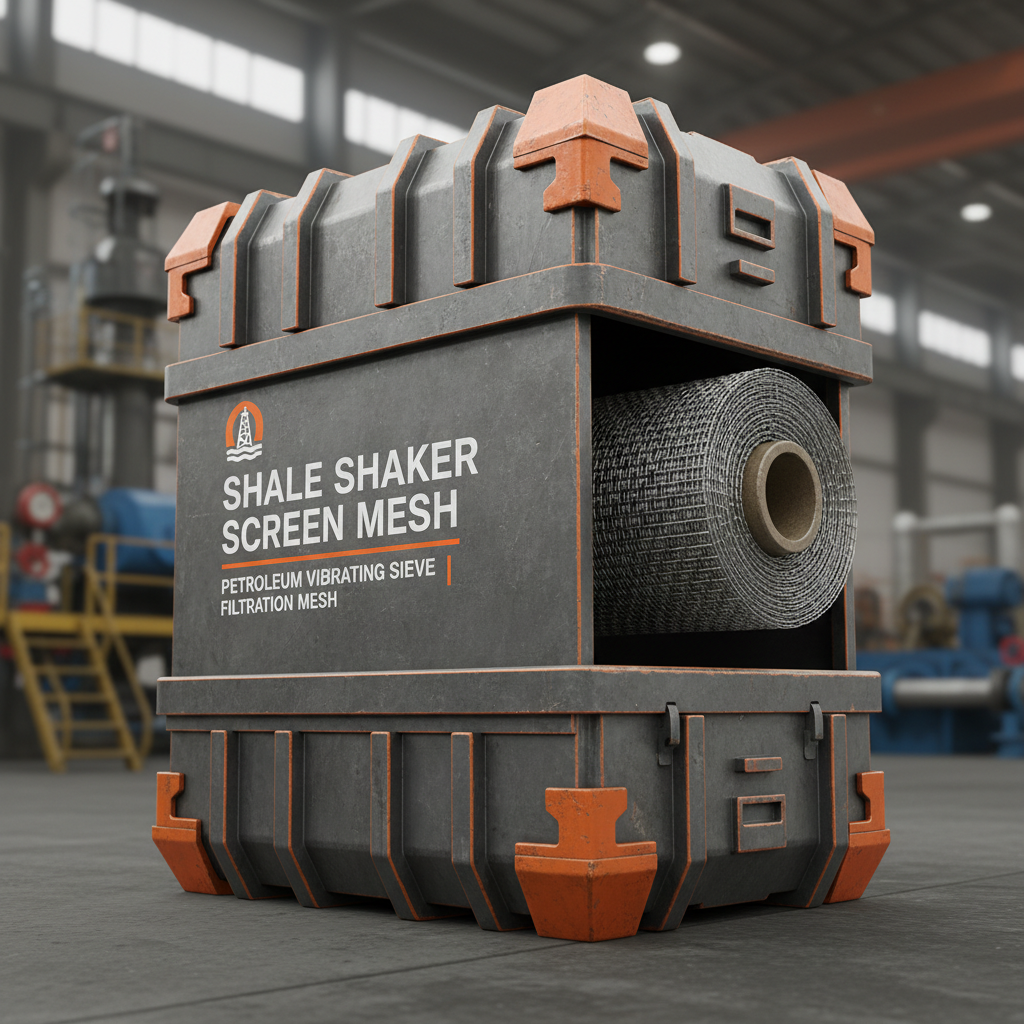
| Mesh Material | Stainless Steel, High-Tensile Steel Wire |
| Frame Construction | Carbon Steel with Anti-Corrosion Coating |
| Durability | Up to 100+ hours in heavy-duty conditions |
| Customization | Size, mesh aperture, elasticity options |
In fact, one thing I noticed — and you might too if you’re out there in the field — is how crucial the choice of mesh material is. Stainless steel for corrosion resistance; high-tensile steel wire when you need extra durability. It’s always a balancing act based on the environment.
How Do Leading Vendors Stack Up?
Picking a supplier often feels like navigating a maze. To lend you a hand, here’s a quick vendor comparison based on my experiences and industry feedback:
| Vendor | Screen Quality | Customization | Lead Time | Customer Support |
|---|---|---|---|---|
| Solid Control Part | High-grade Stainless Steel Mesh | Tailored sizes & tension options | 2-4 weeks | Responsive, technical expertise |
| Competitor A | Standard Mesh | Limited customization | 3-5 weeks | Moderate response time |
| Competitor B | Premium Composite Screens | High customization but costly | 4-6 weeks | Excellent tech support |
Oddly enough, many operators I know prefer vendors like Solid Control Part because they strike a sound balance: quality, speed, and cost. It’s the kind of partnership that after some years, feels more like a collaboration than just a supplier relationship.
I remember one client, a drilling manager in northern Canada, telling me how switching to a particular shaker screen supplier cut their non-productive time dramatically. That’s the tangible difference good equipment makes.
So, what’s the takeaway? When choosing an industrial shaker screen, it’s less about picking “the fanciest” and more about consistency, material quality, and after-sales service. The factory behind these screens, with its mix of precision and adaptability, ultimately makes or breaks your operational flow.
If you want to explore reliable options or just get your feet wet in the specs and suppliers, check out industrial shaker screen experts. There's a reason they keep popping up in conversations with seasoned field engineers.
1. Field observations, personal visits to manufacturing plants (2015-2023).
2. Interviews with drilling operators and engineers.
3. Industry reports on shaker screen performance and materials.