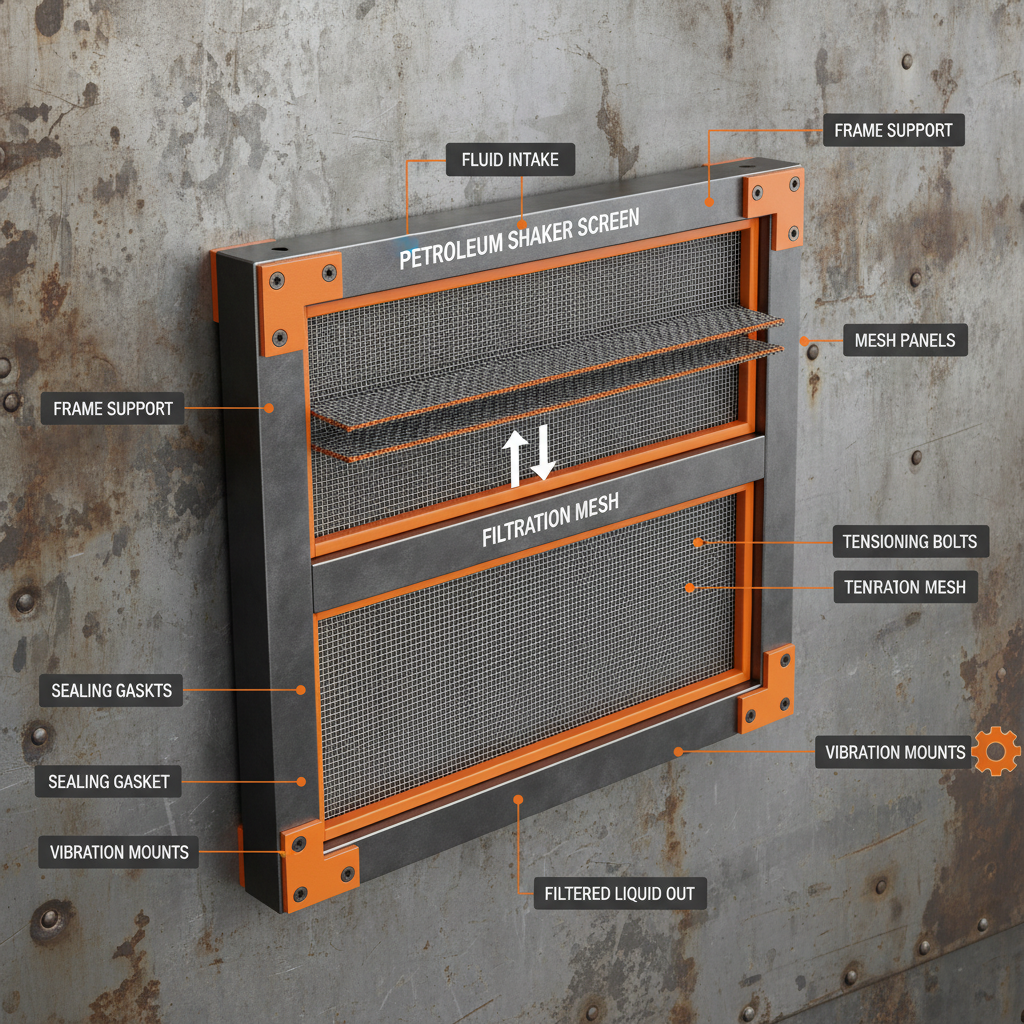
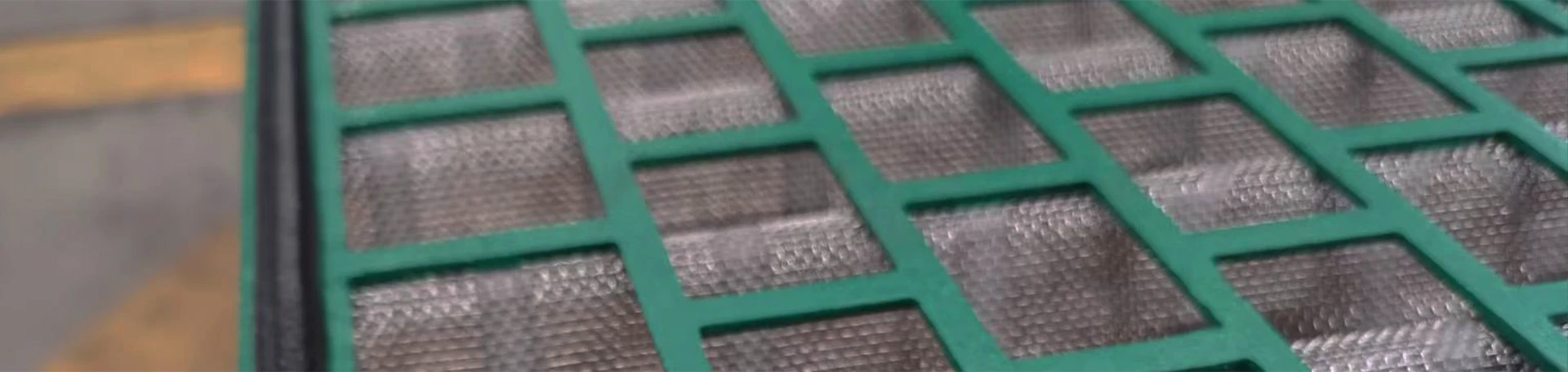
Inside a modern shaker screen factory: what really matters on the rig
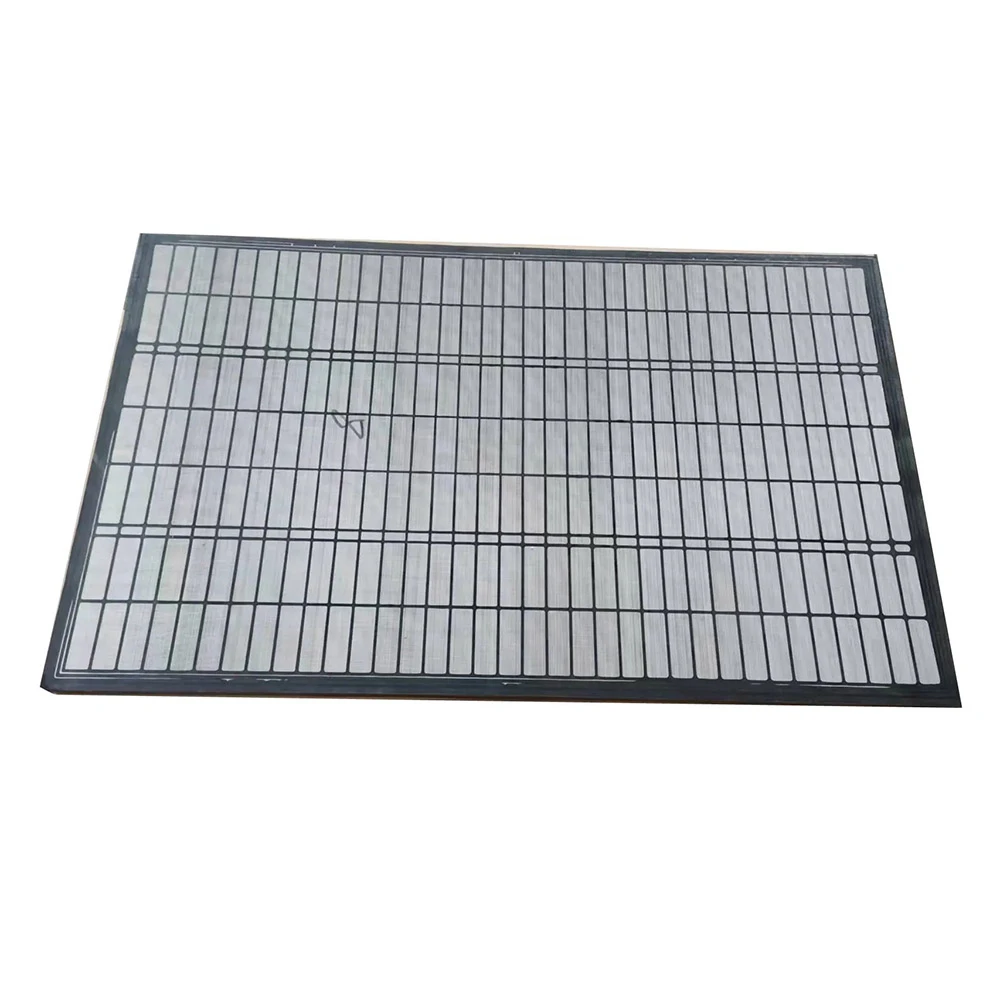
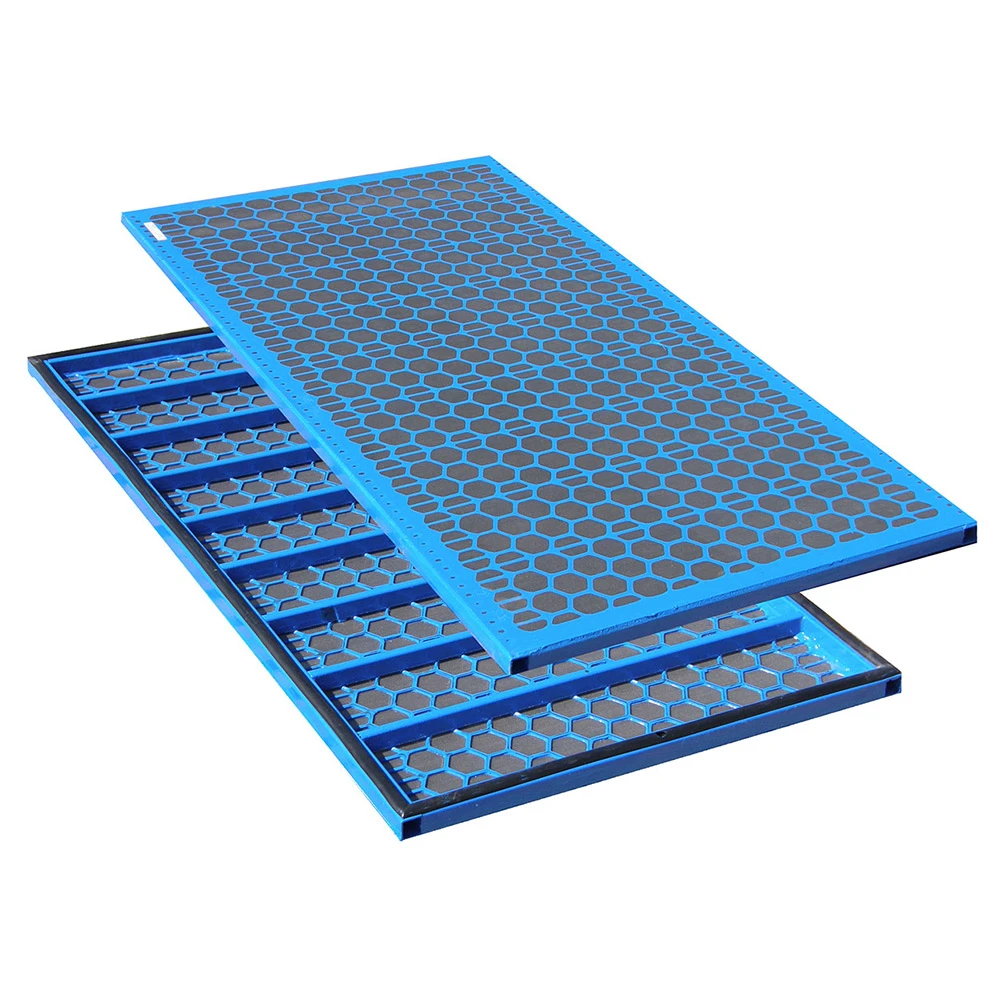
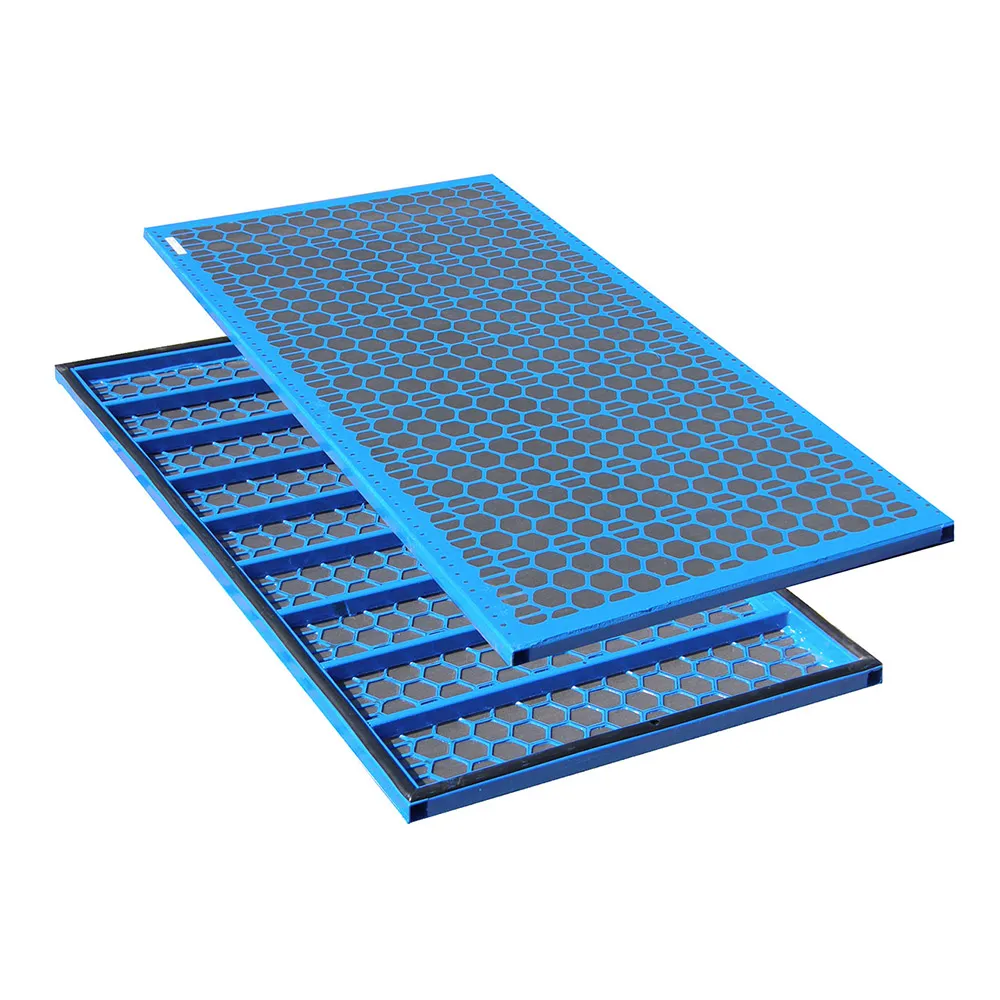
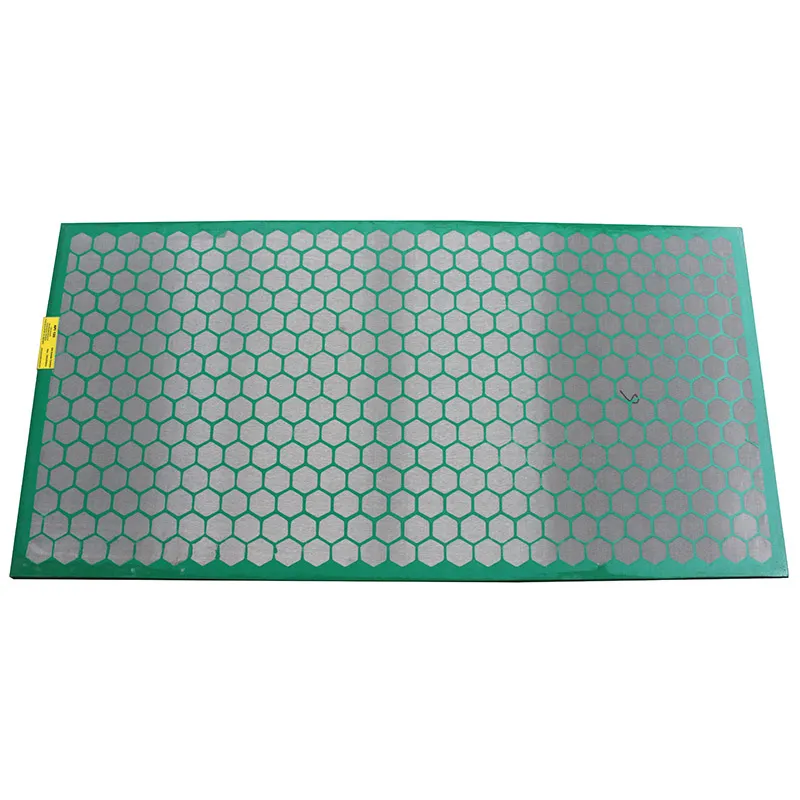
If you’ve spent time around rigs—or HDD spreads—you already know: screens make or break solids control. I’ve walked through more than a few plants, and the vibe in a serious shaker screen factory is part metallurgical lab, part race shop. The star of today’s tour is the NOV Metal Replacement Shale Shaker Screen, a pre-tensioned steel frame design that clamps fast with wedge blocks. It’s built at ROOM 1907, ZIJIN BUILDING,HUAIAN STR. SHIJIAZHUANG, but ships everywhere drillers are chasing footage.
What the industry’s asking for (and why)
Trends are clear: higher API designations (finer cut points), longer service life under hot oil-based mud, quicker swaps, and traceable test data. Actually, many customers say they’ll trade a tiny bit of conductance for a screen that survives a nasty, abrasive formation another day. Fair. That’s where stable pre-tension, quality mesh (304/316), and a rigid steel frame quietly pay dividends.
Quick specs at a glance
| Product | NOV Metal Replacement Shale Shaker Screen (pre‑tensioned steel frame) |
| Frame | Carbon steel (Q235) with anti-corrosion coating; wedge-block clamping |
| Mesh layers | 2–3 layers SS 304/316, pre-tensioned |
| API designation | API 40–325 (per API RP 13C), real‑world use may vary |
| Conductance (kD/mm) | ≈0.5–2.2 depending on mesh and layering |
| Non‑blanked area | ≈4–6 ft² (model dependent) |
| Compatibility | For NOV Brandt styles (e.g., VSM 300, King Cobra, LCM‑3D) |
| Gasket/Seal | NBR or PU perimeter seals |
| Service life | ≈200–600 hours depending on mud, solids loading, deck angle |
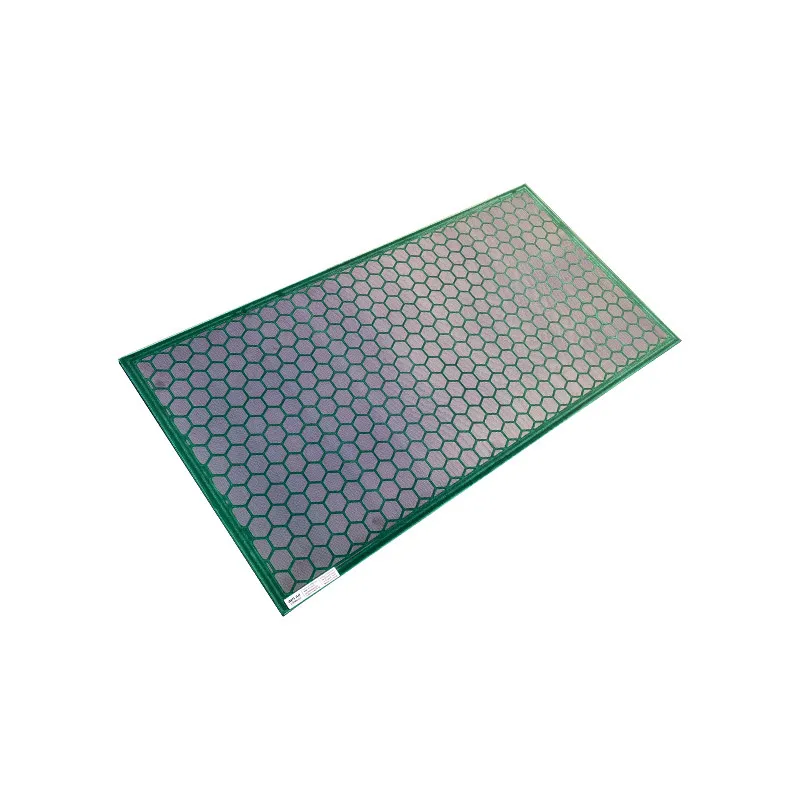
How a good shaker screen factory builds reliability
- Materials: SS 304/316 wire cloth; Q235 steel frame; wear‑resistant epoxy powder coat; oil‑resistant NBR.
- Methods: Multi‑layer pre‑tensioning; spot weld and adhesive bonding at stress points; CNC‑cut panel supports; wedge-block fitment check.
- Testing: API RP 13C cut point and conductance; mesh count verification; ASTM B117 salt‑spray for coating; adhesion per ASTM D3359; flatness and sealing tests.
- Service life drivers: Solids hardness, flow rate, G‑force, deck angle; keep spares and rotate—small trick, big payoff.
- Industries: Oil & gas, HDD, CBM, mining slurries, some pipeline dredging jobs.
Real feedback, not brochure talk
“Swaps are faster with the wedge blocks—less finger wrestling,” one toolpusher told me. Another noted fewer premature tears after switching to 316 top layers on high‑chloride brines. To be honest, that lines up with the lab salt‑spray comparisons I saw.
Vendor snapshot: picking a partner, not just a part
| Criteria | This Factory | Vendor A | Vendor B |
|---|---|---|---|
| API RP 13C labeling | Included, batch test archived | Claimed, limited reports | Inconsistent |
| Mesh options | API 40–325 | API 40–230 | API 60–270 |
| Lead time | 3–7 days typical | 7–14 days | Stock dependent |
| Custom branding/packing | Yes (MOQ applies) | Limited | No |
Customization that actually helps
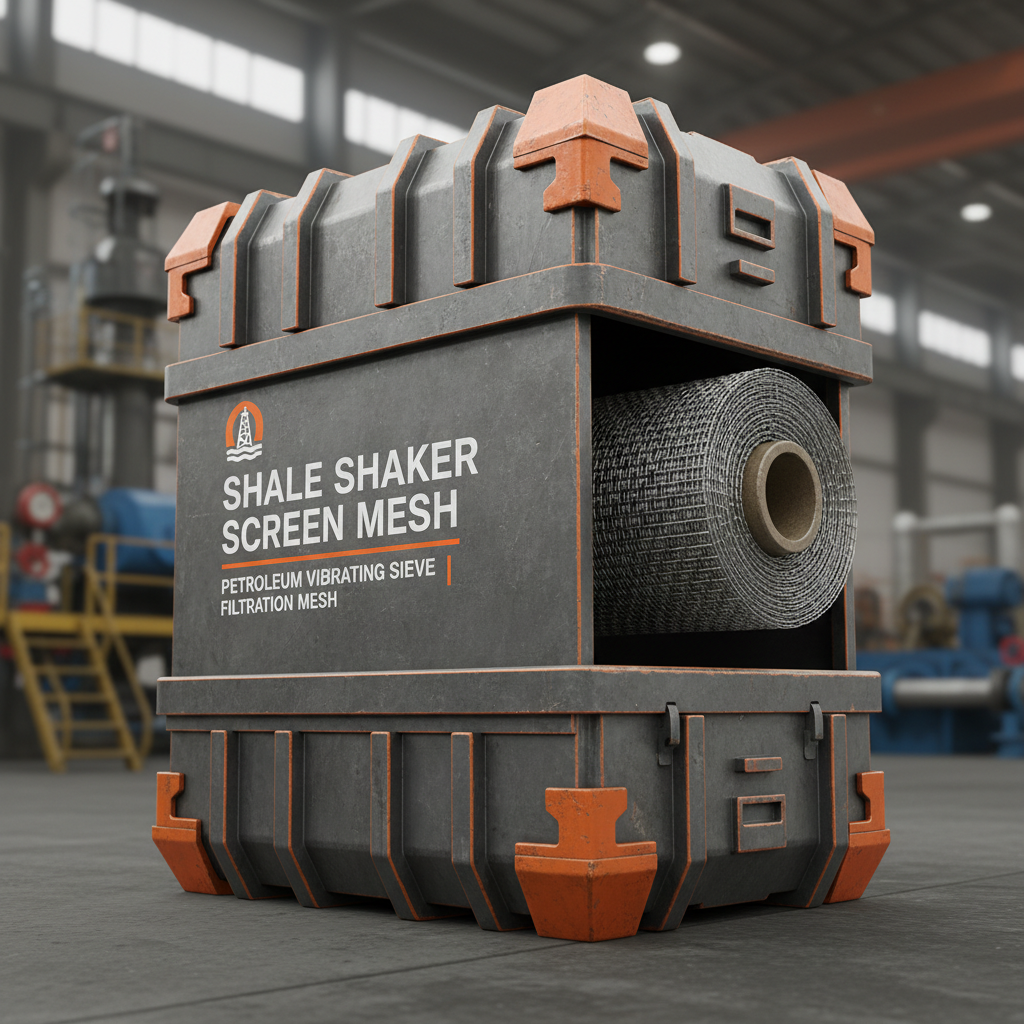
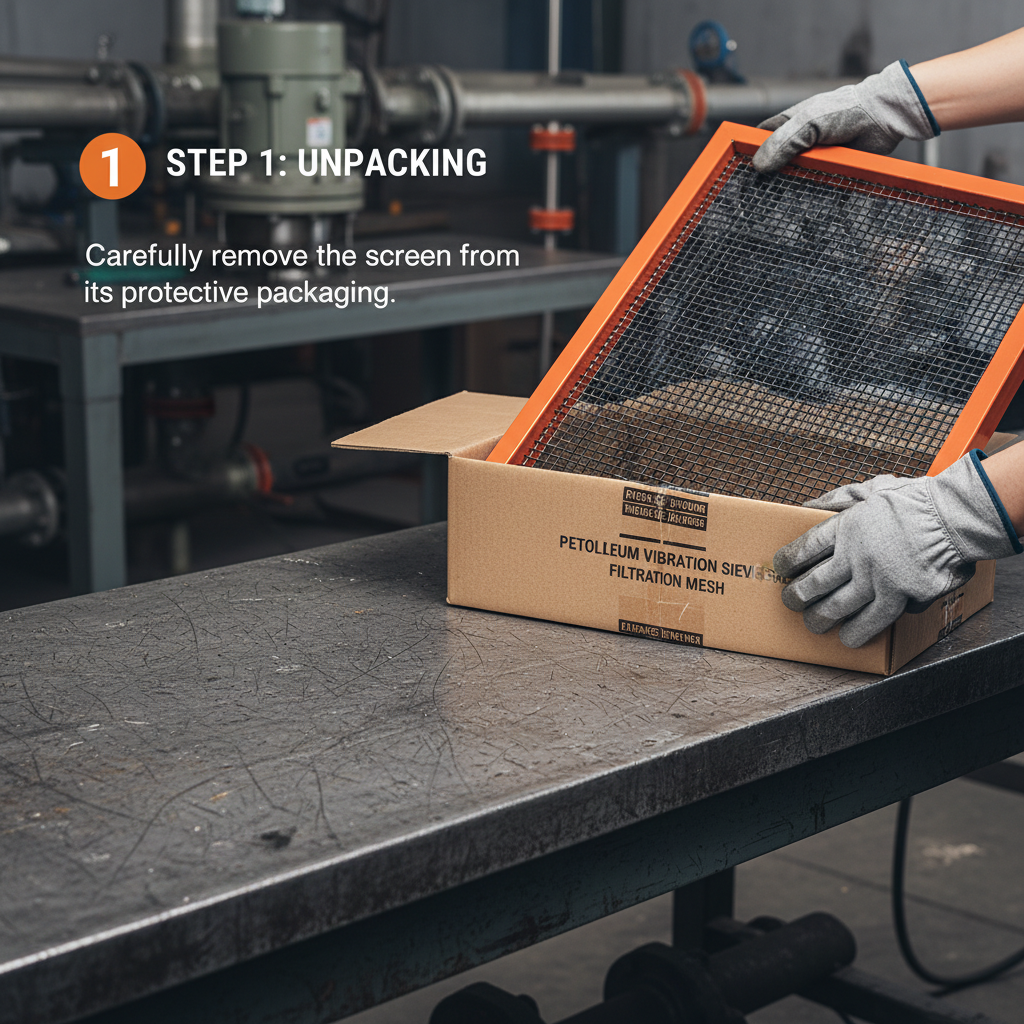
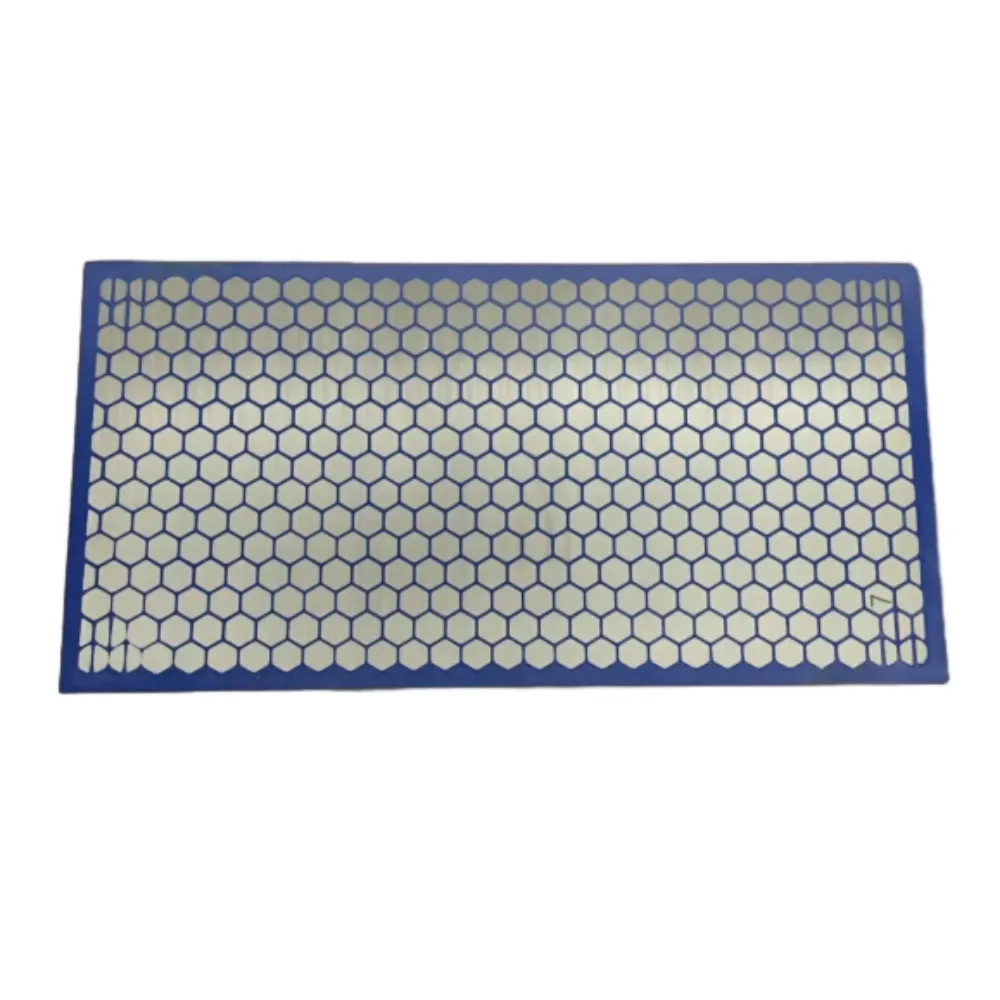
Options include 316 top mesh for corrosive muds, extra support ribs for high G‑force decks, and higher open‑area patterns for water‑based muds. Packaging can be branded; traceability labels can tie screens to test certificates—handy when audits roll through a shaker screen factory.
Mini case study
West Texas, OBM, abrasive cuttings. A rig swapped to API 170–200 NOV metal replacements with 316 top mesh. Conductance dipped ≈6%, but average life improved from ~220 to ~360 hours; NPT from screen failure dropped to near zero. Not dramatic, but crew morale? Noticeably better.
Certifications and documents
Typical packages include ISO 9001 quality certificates, API RP 13C test sheets per batch, material certificates for 304/316 mesh, and coating test results (ASTM B117/D3359). Ask for them—good suppliers won’t hesitate.
References:
- API RP 13C: Recommended Practice on Drilling Fluid Processing Systems Evaluation.
- ASTM B117: Standard Practice for Operating Salt Spray (Fog) Apparatus.
- ASTM D3359: Standard Test Methods for Rating Adhesion by Tape Test.
- ISO 9001: Quality management systems—Requirements.