Choosing the Right shaker screen mesh supplier: what really matters?
Having spent over a decade in the industrial equipment sector, especially around solids control, I’ve learned there’s a subtle art to picking the right shaker screen mesh supplier. It’s not just about specs or price tags; in real terms, it’s about reliability, customization, and trust. You know, in this line of work, a failed screen means downtime that can get seriously expensive.
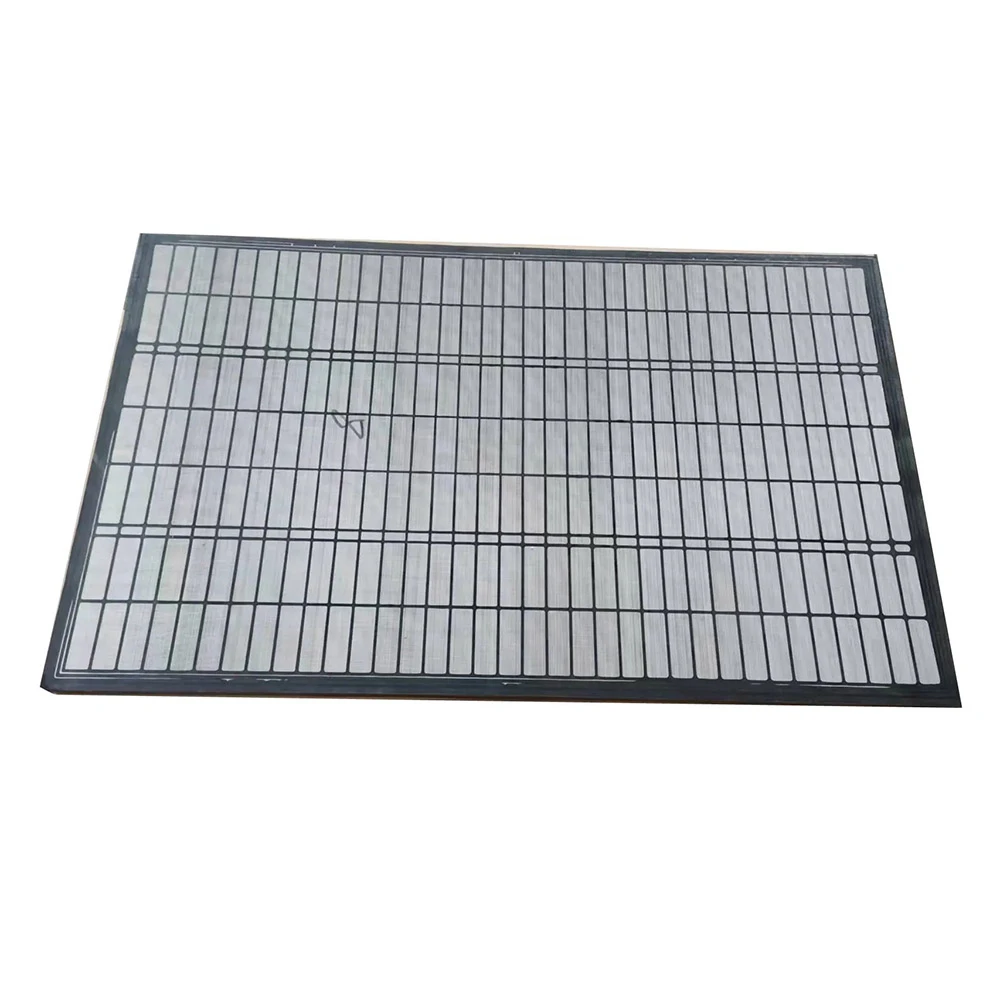
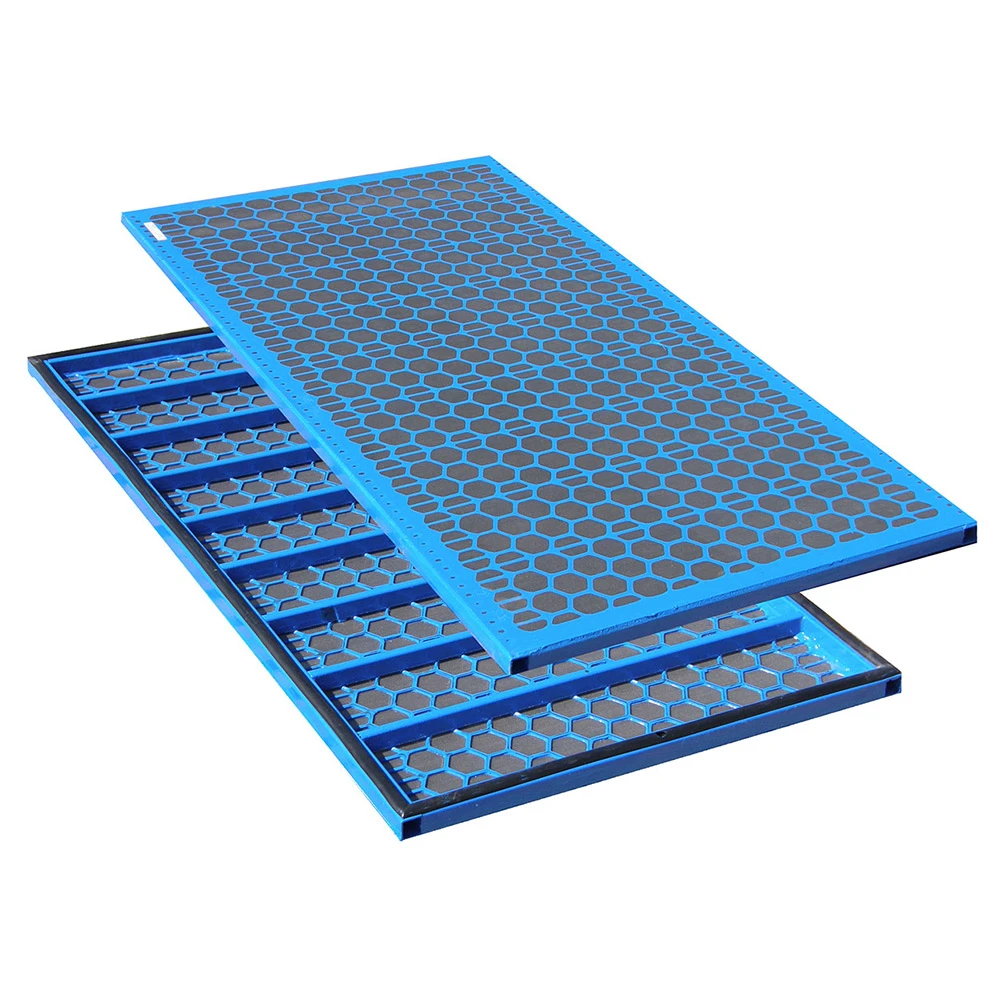
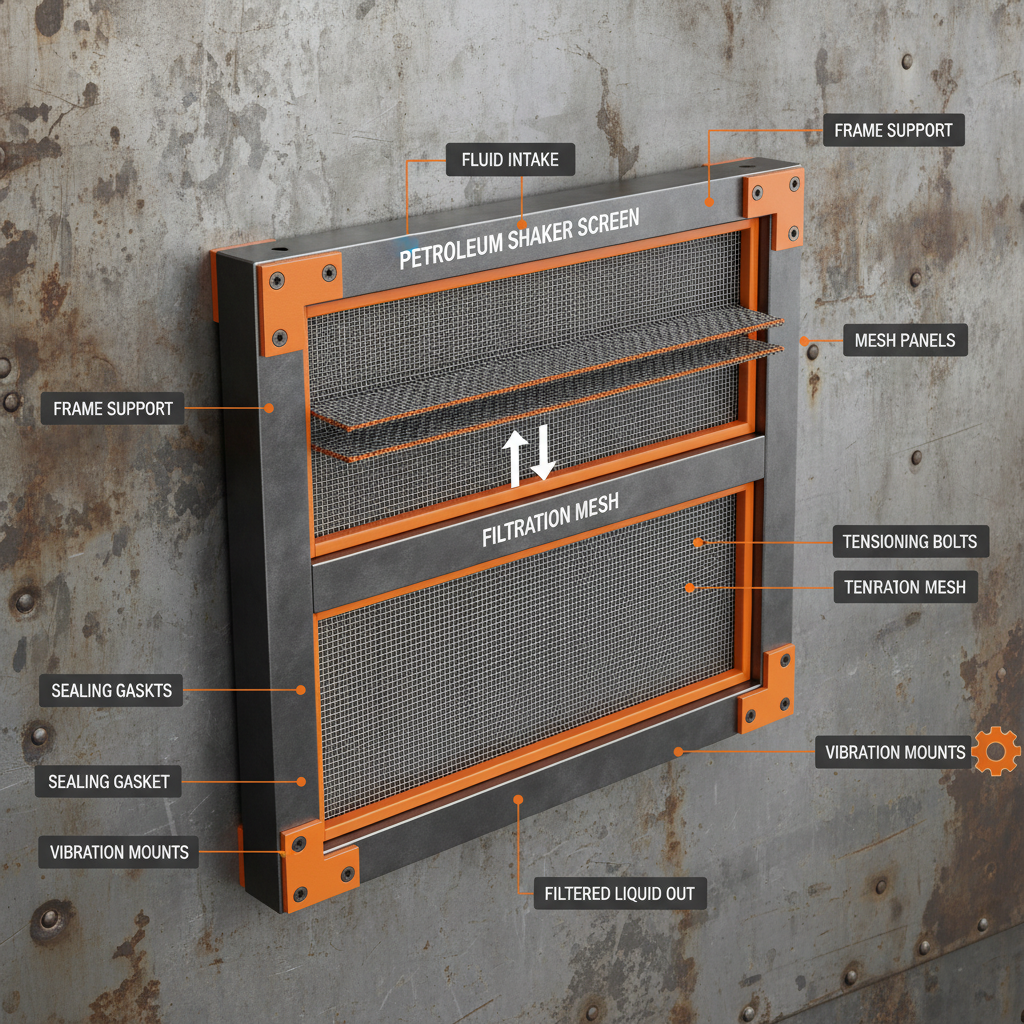
Shaker screens are the workhorses of solids control systems on drilling rigs and mineral processing plants. They separate unwanted solids from drilling fluids, protecting pumps and improving drilling efficiency. But, oddly enough, all shaker screens aren’t created equal. I noticed this early on when switching suppliers—some screens lasted twice as long and kept cuttings size consistent. That makes a huge difference in operational costs.
Materials and weave pattern really matter. Most high-quality screens are woven from stainless steel wire mesh (often SS304 or SS316). The mesh opening size and wire diameter—it’s a bit like Goldilocks: too coarse, and fine solids sneak through, too fine, and the screen clogs too quickly. The weave types (like plain, twilled, or dutch weave) also impact durability and capture rate. Many engineers I’ve worked with stress how critical it is to get these details from the supplier upfront.
Now, here’s a quick rundown of typical shaker screen mesh specs I look out for:
| Specification | Detail |
|---|---|
| Wire Material | Stainless Steel 304 / 316 |
| Mesh Opening Size | From 20 mesh to 400 mesh (custom sizes available) |
| Weave Type | Plain, Twilled, Dutch |
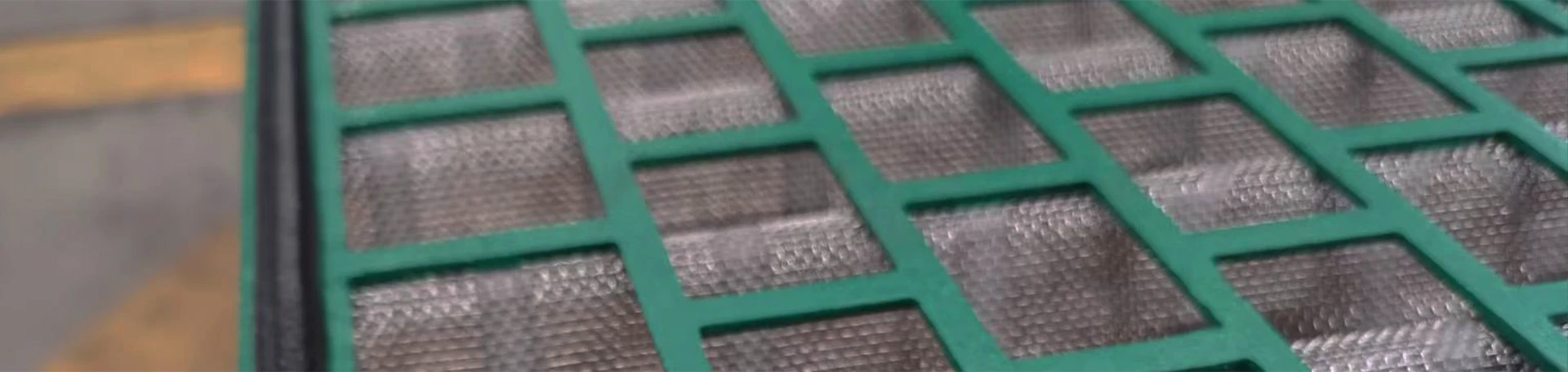
| Screen Frame | Aluminum or steel with polyurethane coating |
| Tensile Strength | Up to 2200 N/mm² |
From my experience, a great shaker screen mesh supplier doesn’t just push out generic products. They usually offer custom solutions, tailored testing (like tension tests or corrosion resistance), and certification to back up claims. I recall a customer in the Middle East who needed screens resistant to aggressive drilling fluids at extreme temperatures—only a handful of suppliers could meet that challenge credibly.
Performance and durability aside, lead times and after-sales support count heavily, too. It’s always reassuring when reps answer your calls late in the day or send you test samples quickly. A few suppliers I worked with recently surpassed expectations by sharing real-world case studies and continuous R&D investment, which frankly feels like a rare thing in this commodity-heavy sector.
To help sort through options, here’s a quick comparative snapshot of three well-known shaker screen mesh suppliers I’ve evaluated on projects:
| Supplier | Customization | Lead Time | Quality Certifications | Support |
|---|---|---|---|---|
| SolidControlPart | High (custom meshes, frames) | 2-3 weeks | ISO 9001, API Spec 13C | Responsive, technical advice included |
| TechScreen Inc. | Moderate (standard sizes mostly) | 3-4 weeks | ISO 9001 | Basic phone/email support |
| MeshMasters | Low (catalog items only) | 4-6 weeks | None specified | Limited response times |
If I had to sum it up, the best supplier for you depends on your operational complexity. For someone running a standard well with predictable solids, a mainstream supplier might suffice. On the other hand, if you're working in harsh environments or require specific mesh features, going with a trusted provider like SolidControlPart often saves headaches in the long run.
It really feels like the shaking screen mesh market is evolving with more focus on testing standardization and material science. My advice? Always vet suppliers beyond just the catalog. Ask about actual field test data, get samples, and if possible, check reviews from peers. It’s one of those cases where hearing “worked great on my last rig” carries enormous weight.
Thanks for sticking through this somewhat technical dive. Hopefully, it gives you some clarity when selecting your next shaker screen mesh supplier. If you want solid mesh info with good customer care, start there.
Happy drilling, and may your solids always be well controlled!
References
- API Spec 13C - Recommended Practices for Drilling Fluid Processing Systems
- Industry field case studies - Solids Control technologies (2018–2023)
- Material Science Overview: Stainless Steel Wire Mesh in Drilling Applications, Journal of Industrial Equipment, 2022