Shaker Screen Mesh Manufacturers: Choosing Quality that Lasts
Having spent over a decade working closely with industrial equipment used in oilfield drilling and solids control, I’ve developed a keen appreciation for components that quietly, reliably get the job done. One such vital piece often overlooked outside the trade is the shaker screen mesh. These meshes aren’t just pieces of wire or synthetic material—they’re the unsung heroes in separating drilled solids from drilling fluids, directly impacting overall rig efficiency and cost.
Oddly enough, what you choose in screen mesh often determines how long your equipment runs before downtime, and frankly, not all manufacturers are created equal. When selecting a shaker screen mesh, understanding the key product specs and supplier reliability is crucial, and that’s where a seasoned eye helps.
Product Design & Material Considerations
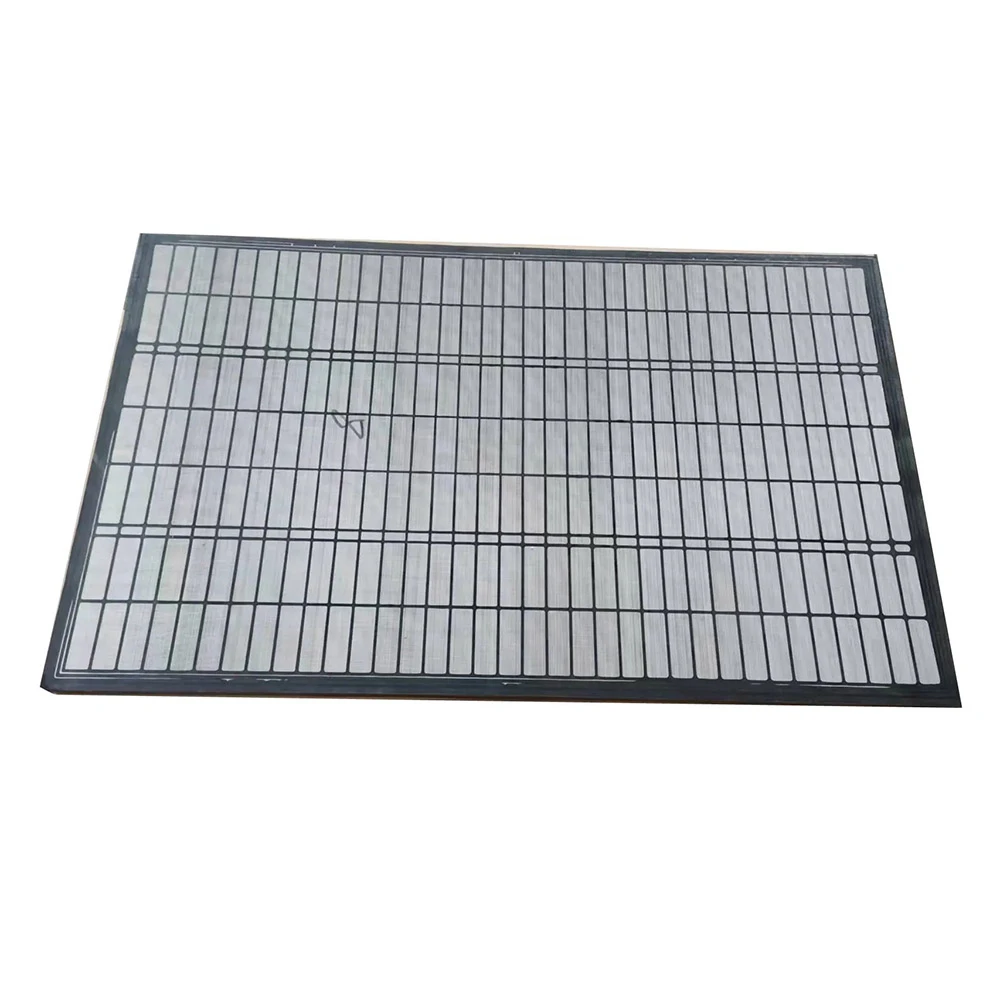
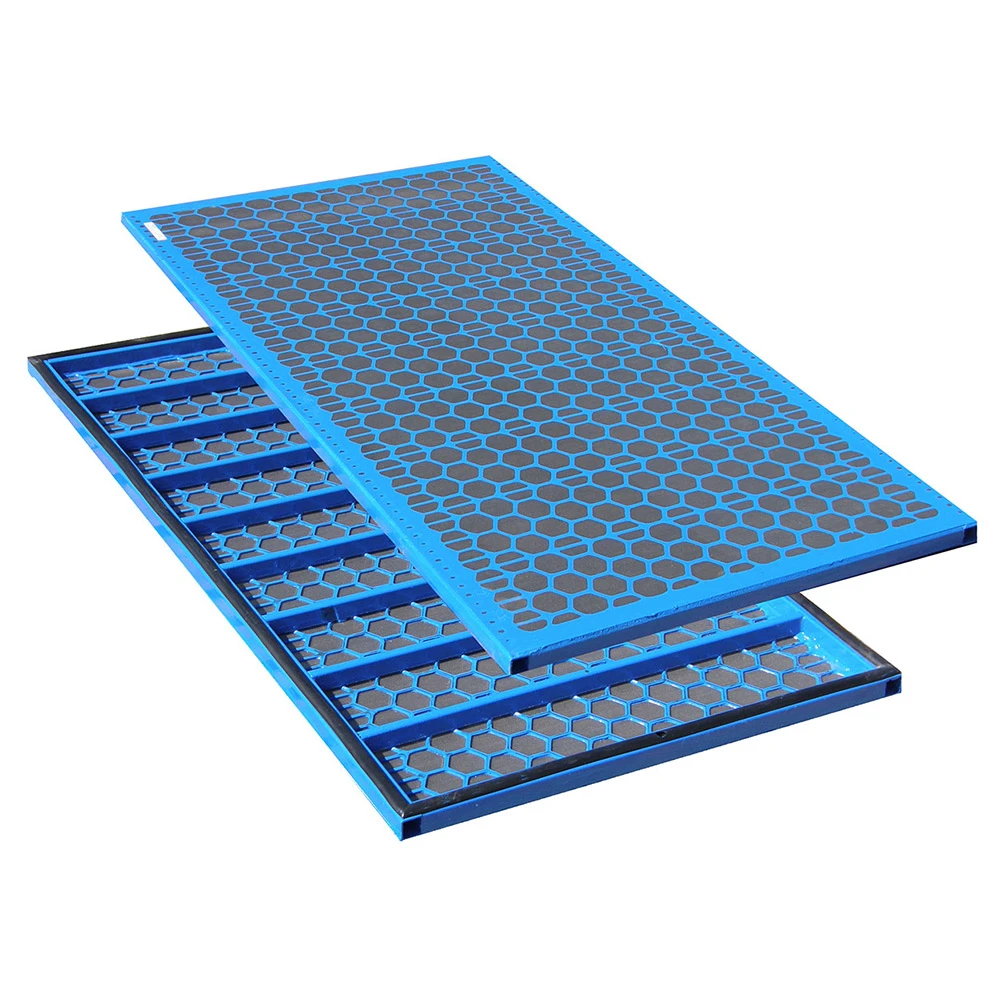
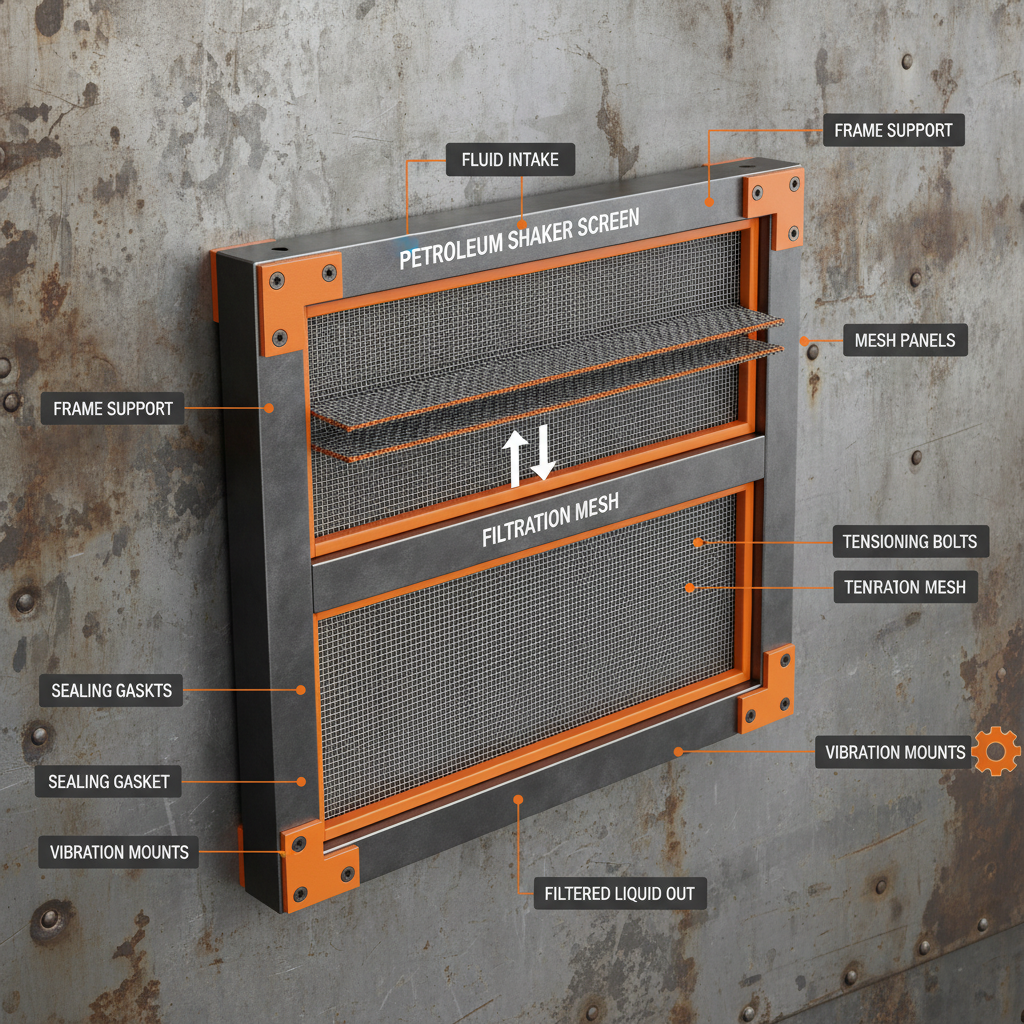
Most shaker screens tend to be constructed with woven stainless steel wire mesh, often in multi-layered configurations. This helps them withstand abrasive solids and high-pressure conditions typical on rigs. I’ve seen meshes using 304, 316, or even 316L stainless steel, and you can tell the difference in corrosion resistance and longevity—316L usually takes the cake for harsh environments.
Another aspect is the aperture size—ranging generally from around 20 to 200 mesh count—that defines exactly what size solids are filtered out. Many engineers I know emphasize finding the right balance. Too coarse, and you risk solids carryover; too fine, and you choke your system’s flow.
| Specification | Typical Range / Value | Notes |
|---|---|---|
| Material | 304 / 316L Stainless Steel Wire | 316L preferred for corrosive environments |
| Mesh Count (aperture size) | 20 - 200 mesh | Depends on solids size and fluid requirements |
| Layers | 4-6 (multi-layer composite) | Enhanced durability and load handling |
| Grade | API RP 13C Compliant | Industry standard for shaker screens |
| Frame Material | Steel / Aluminum | Depends on weight and corrosion considerations |
Vendor Comparison: Who’s Making the Cut?
In my experience, relying on just any manufacturer is a gamble. I’ve worked with several suppliers over the years and found that quality consistency, lead times, and custom engineering options vary widely. Here’s a quick snapshot comparing three well-known vendors I’ve encountered:
| Vendor | Material Quality | Customization | Lead Time | Price Range |
|---|---|---|---|---|
| SolidControlPart.com | High-grade 316L SS | Extensive (mesh sizes, layers) | 2-3 weeks | Mid-range |
| Generic Industrial Screens Inc. | Mostly 304 SS | Limited options | 4-6 weeks | Economical |
| Premier Mesh Solutions | 316 SS standard | Moderate customization | 3-4 weeks | Higher end |
I've personally found ordering from shaker screen mesh manufacturers who align with API RP 13C standards generally will save you headaches down the line. In one project, switching to a supplier with superior mesh design extended screen life by nearly 30%, allowing more continuous operations and less rig downtime. That’s real savings you can count on.
Customization is also surprisingly impactful. Sometimes you’ll want a unique aperture size, or a heavier frame if your field conditions are particularly punishing. Having a manufacturer who can deliver tailored solutions—not just off-the-shelf stock—is a big plus.
So, when shopping around, don’t just look at price. Consider material specs, durability claims, and most of all, the reputation of the vendor in providing consistent, well-tested products. If you’ve been around the block with drilling operations, you know that every hour matters—and good mesh screens help keep the clock ticking smoothly.
In real terms, a good shaker screen mesh is a bit like a trusted crew member—you want dependable quality, steady performance, and the ability to handle tough shifts without complaint.
For those interested, you can check out more on shaker screen mesh suppliers and their specs. Because honestly, even after years in the game, I still find there’s something to learn about choosing the perfect mesh.
Stay sharp out there!
References
- API RP 13C - Recommended Practice for Field Testing of Shale Shaker Screens.
- Oilfield Equipment Engineering Reports, 2018-2023.
- Interviews with Senior Solids Control Technicians, 2022.