High Quality Brandt Shaker Screens: A Practical Perspective
Having spent more than a decade in the industrial equipment sector, I can say that when it comes to shaker screens, quality isn’t just a buzzword — it’s the difference between smooth operation and frustrating downtime. Brandt shaker screens have become something of a benchmark in the field, and it’s easy to see why once you dive into the details.
Oddly enough, the world of shaker screens can feel a bit opaque if you’re new. But stick around for a moment. These screens, which basically separate solids from drilling fluids and other mixtures, have to be tougher than your average mesh. They’re constantly jostled on vibrating shale shakers, exposed to harsh chemicals, abrasive materials, and extreme weather if they’re outdoors. Frankly, anything less than well-crafted equipment spells trouble downstream.
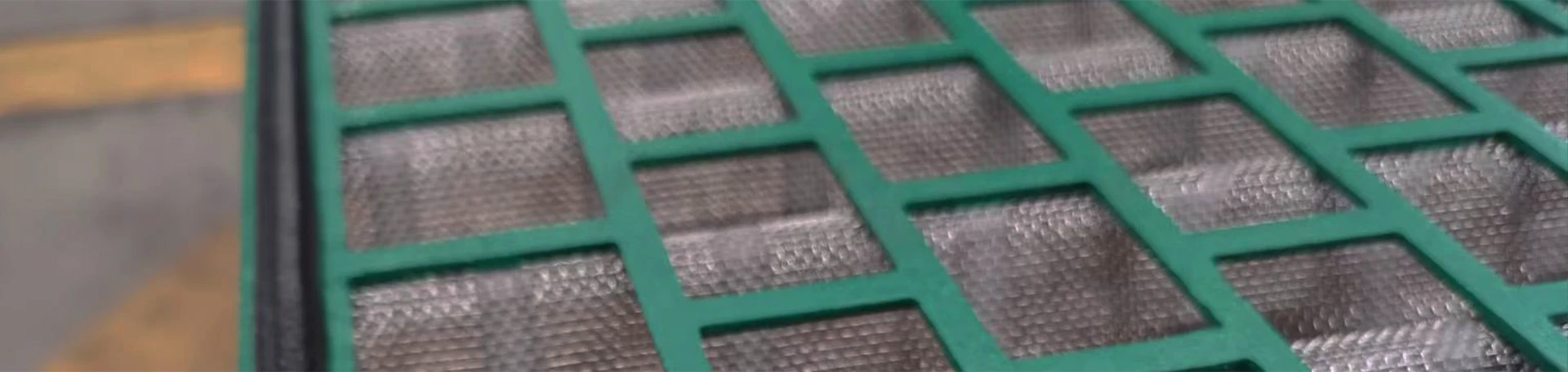
Brandt, as a brand, has built its reputation on using high-strength stainless steel alloys, with precise wire weaving that ensures consistent mesh openings. I remember working with a project that swapped out generic shaker screens for Brandt’s — downtime was cut drastically, and maintenance costs visibly dropped. Many engineers I’ve spoken with echo this experience: the screens last longer, clog less, and are easier to replace.
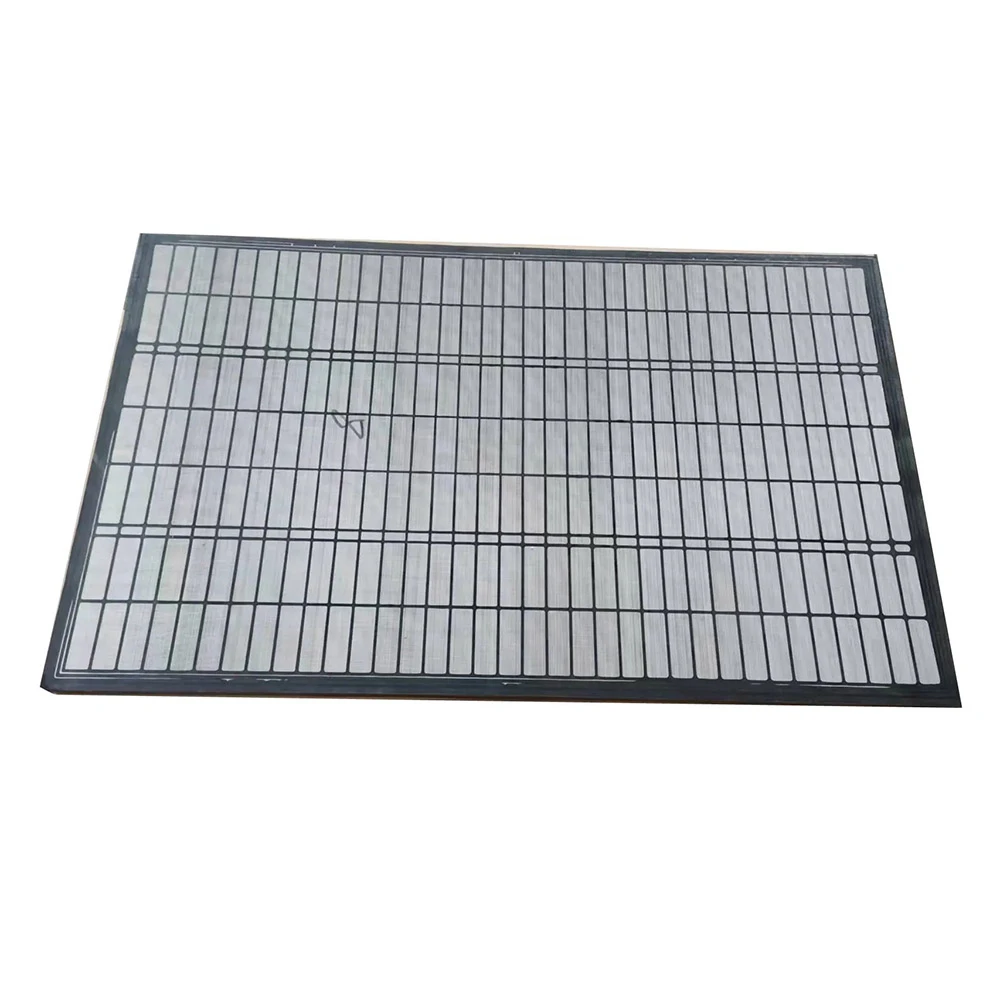
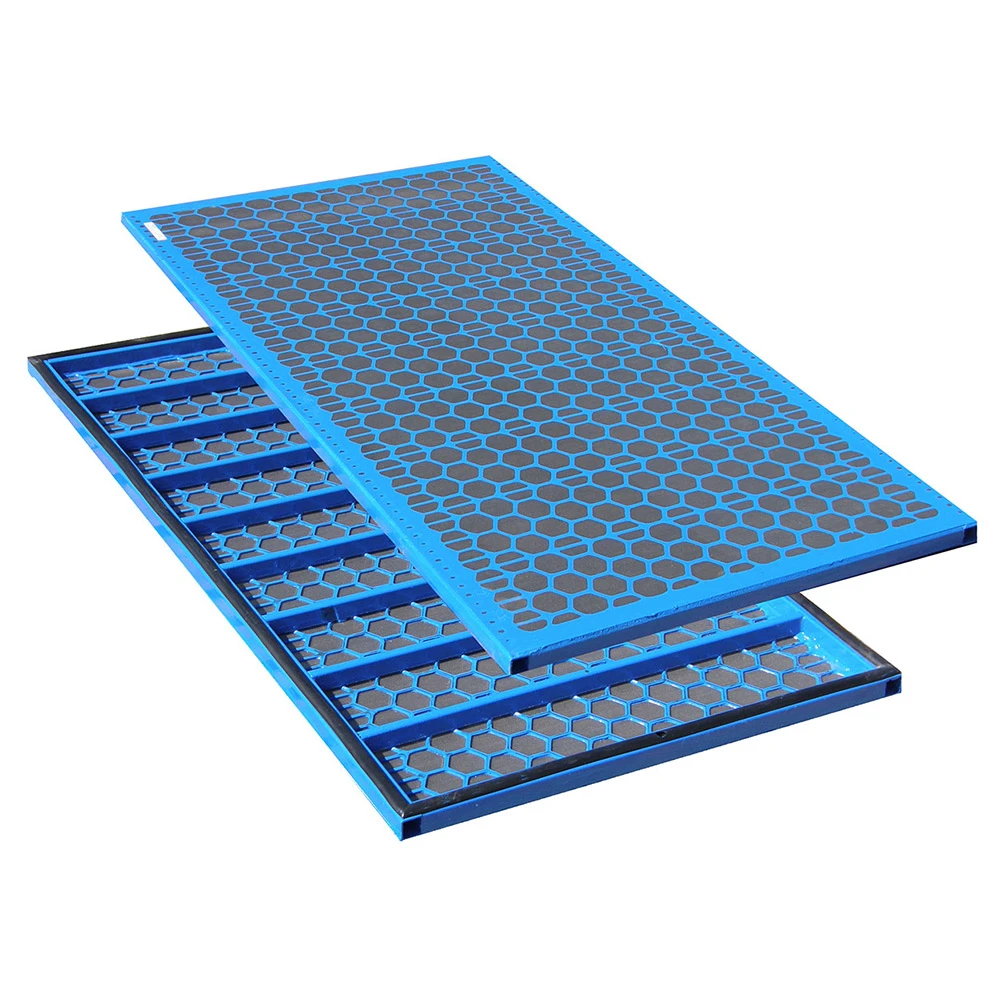
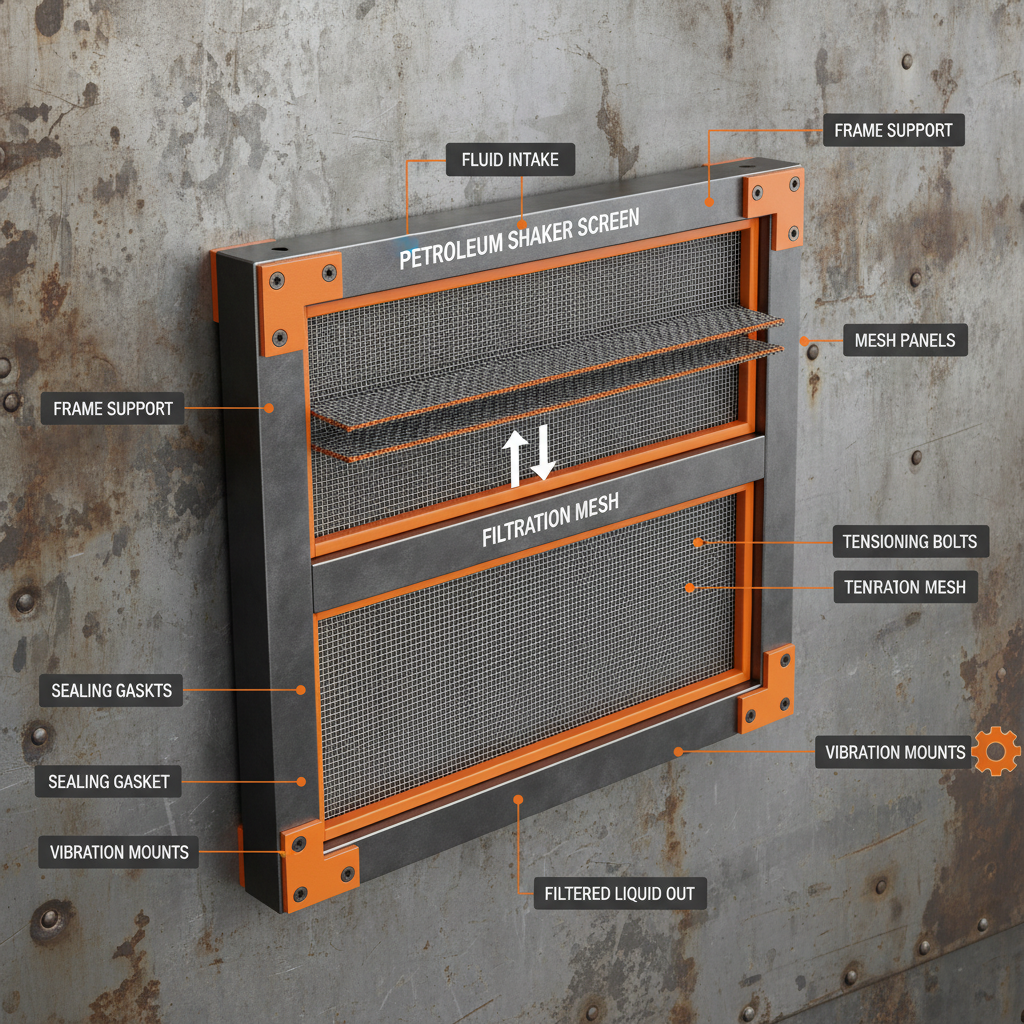
From my vantage point, the design of Brandt screens balances durability and performance. The frames are robust, reducing the risk of warping or damage from excessive vibrations. The mesh is corrosion-resistant, which isn’t trivial when your operation is exposed to salty or acidic fluids. There’s even some customizability — depending on the type of solids you’re separating or the shaker model you own, specific screen grades can be selected for optimum efficiency.
| Specification | Details |
|---|---|
| Material | Stainless Steel (316L grade) |
| Mesh Type | Hookstrip & Pretensioned Wire |
| Frame Type | Aluminum or Steel Profile |
| Screen Sizes | API Standard, Multiple Dimensions |
| Temperature Resistance | Up to 225°C (437°F) |
| Chemical Resistance | Excellent to Oils, Acids, and Alkalis |
Now, while Brandt screens often come at a premium, it’s worth comparing some other vendors who provide shaker screens — because, I suppose, there’s always a budget consideration.
| Vendor | Material Quality | Mesh Precision | Price Range | Typical Use Cases |
|---|---|---|---|---|
| Brandt | Superior (316L stainless steel) | High precision, consistent apertures | $$$ (premium) | Oil & gas, difficult drilling conditions |
| Generic Brands | Variable, often lower grade steel | Inconsistent, prone to clogging | $ (budget) | Basic screening, short term projects |
| OEM Suppliers | Good, often customized steel grades | Matched to machinery specs | $$ (mid-range) | Standard oilfield and mining applications |
One thing I’ve noticed over the years is how critical it is to ensure compatibility and sourcing from trusted vendors. You can’t afford a poorly fitting screen that wrecks the shaker deck or causes lost productivity. That’s why many seasoned operators swear by brands like Brandt — even if it means paying a bit more upfront.
It feels like the icing on the cake that SolidControlPart provides not only quality products but also great customer support — you know, the kind that answers your questions without the usual runaround. That kind of trust builds long-term business relationships, which is frankly what makes this industry tick.
So if you’re shopping around for a reliable shaker screen, it’s worth checking out the Brandt shaker screens. You’ll probably save more in the long haul than you think — and honestly, isn’t that what matters most when uptime is king?
To wrap up: don’t just eyeball the price tag. Look for durability, material quality, and vendor support — then gauge whether a screen feels like it will last through your toughest jobs. Brandt often ticks these boxes better than most.
Reference Notes:
1. Industry field testing reports on shaker screen durability
2. Stainless steel corrosion resistance studies, 2021
3. Anecdotal feedback from multiple drilling engineers, 2022