Industrial Shaker Screen Suppliers: What to Expect and Why They Matter
Having spent quite a few years in the industrial equipment sector, I’ve come to appreciate the little details that make a big difference. If you’ve ever dealt with separation or filtration processes – say in mining, wastewater treatment, or oil and gas drilling – you know how crucial the shaker screen is. It’s not just a piece of mesh; it’s your frontline defense against inefficiency, downtime, and unexpected expenses.
Now, when talking about industrial shaker screen suppliers, it’s not always obvious what separates a reliable vendor from the rest. Frankly, the industry has many players, but finding one that balances quality, customization, and price is like striking gold.
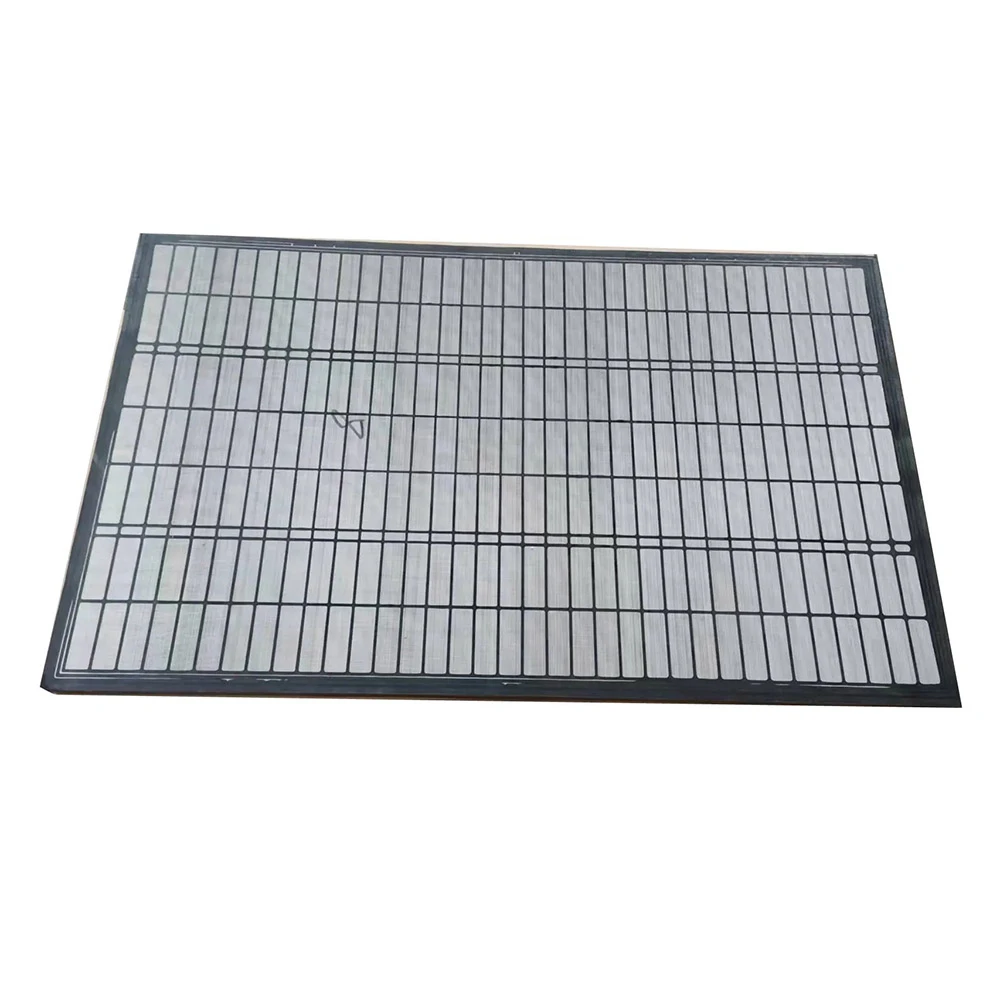
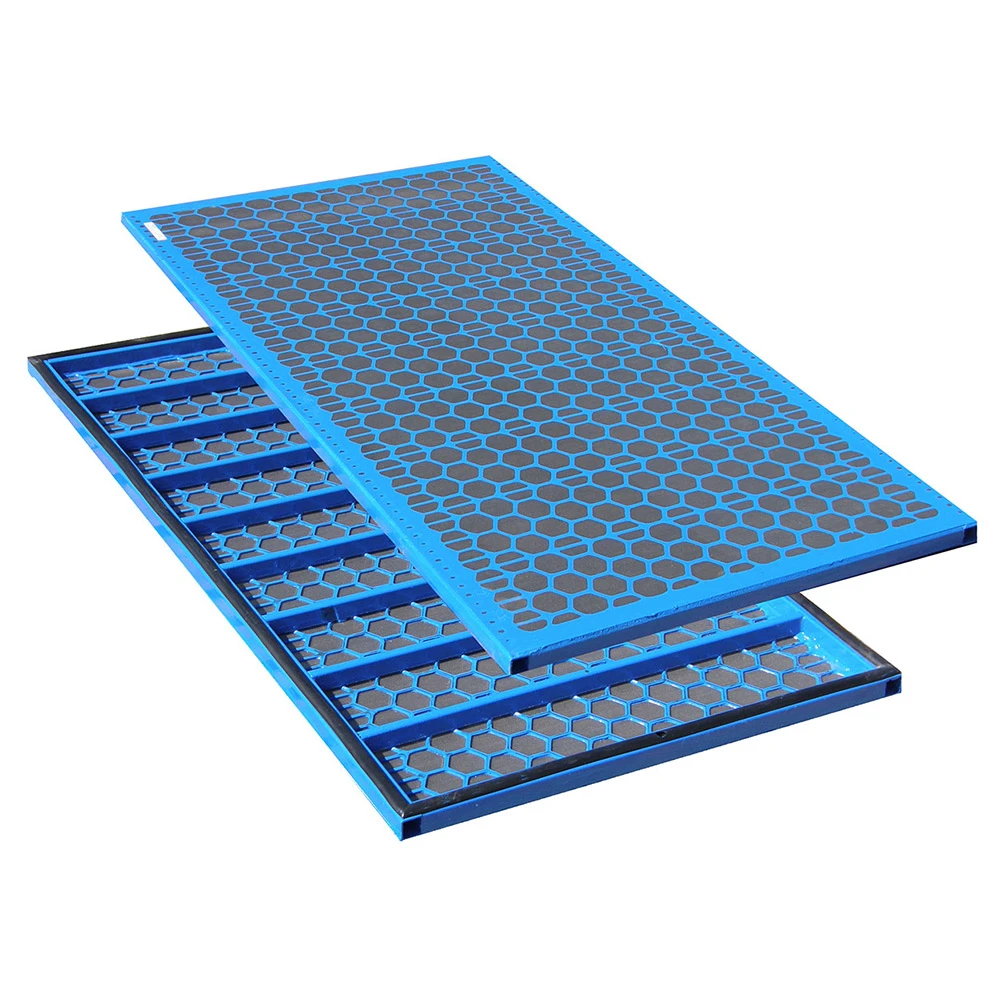
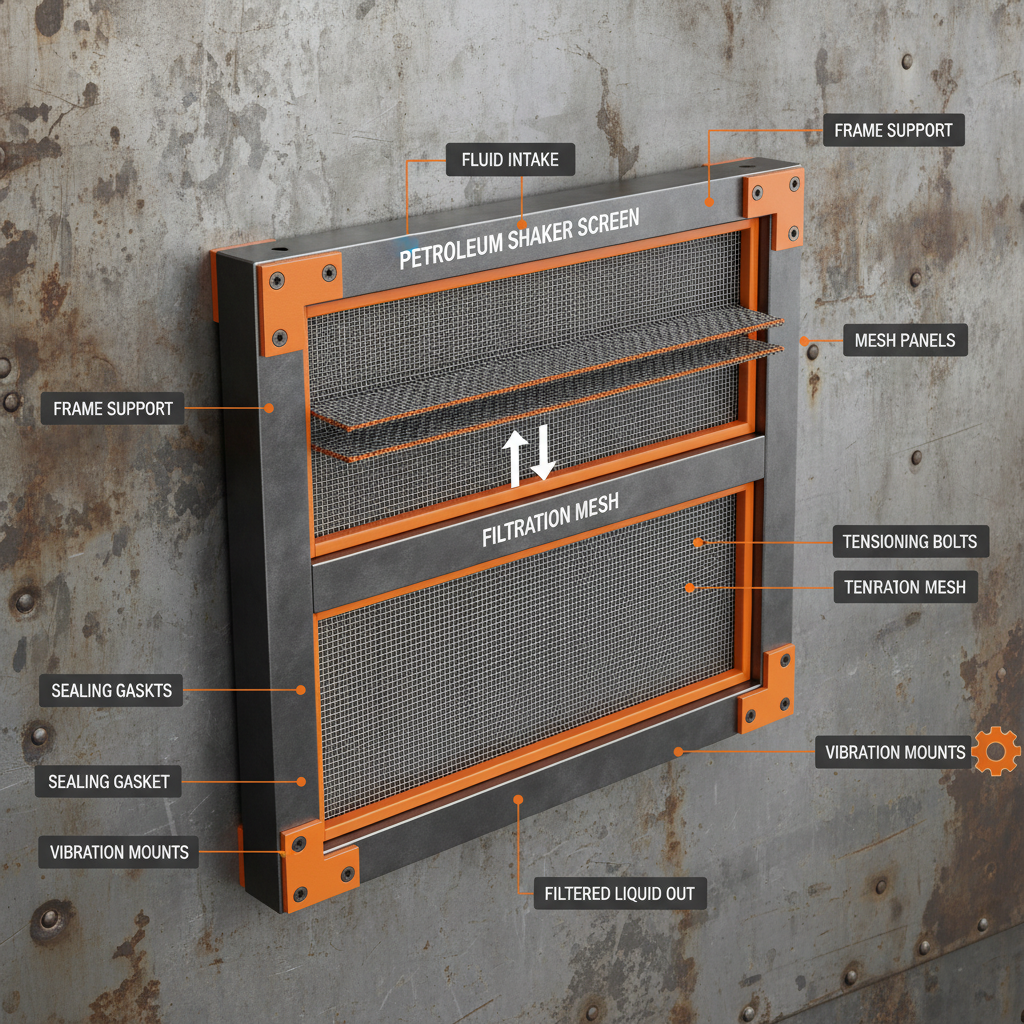
Oddly enough, the materials used in these shaker screens often get overlooked. You’ll find vendors offering screens made from various grades of stainless steel or even high-tensile synthetic compounds. In my experience, screens made from high-grade stainless steel (304 or 316) tend to last longer and resist corrosion better – critical when you’re working with harsh fracking fluids or abrasive mining slurries.
The design aspect is also fascinating. It’s not just about pore size but also the tension of the mesh and frame durability. I remember a client in Colorado who switched to a supplier offering wedge wire screens with reinforced polyurethane tensioning. The difference? Their throughput improved by nearly 15%, which sounds technical but translates directly into fewer process disruptions and more profit.
| Specification | Typical Range | Notes |
|---|---|---|
| Material | Stainless Steel 304/316 | Corrosion & abrasion resistant |
| Mesh size | 20 - 325 mesh | Depends on application and particles |
| Frame type | Steel, Aluminum, Polyurethane | Affects tension and durability |
| Thickness | 0.08 - 0.30 mm | Balances filtration and strength |
| Tensioning Method | Wedge wire, screw tensioned | Influences durability and vibration resistance |
You know, one thing many engineers forget is testing. A quality supplier will offer extensive testing information – compatibility with your shaker model, tensile strength data, even abrasion resistance tests. In one case, a company I worked with avoided costly failure simply because their supplier provided those data sheets upfront. Sort of a lifesaver.
Regarding customization, it feels like the best suppliers understand that no two industrial sites have identical needs. Whether you need a screen optimized for ultra-fine particle separation, or one designed to withstand tough chemical exposure, they’re willing to tweak designs and materials accordingly. This responsiveness has been a recurring theme in long-lasting supplier relationships I've witnessed.
| Supplier | Material Options | Customization | Price Point | Lead Time |
|---|---|---|---|---|
| SolidControlPart | 304/316 Stainless Steel, Polyurethane | Highly customizable | Mid-range | 2-3 weeks |
| Vendor A | 304 Stainless Steel only | Limited | Low | 4-6 weeks |
| Vendor B | Steel and Synthetic | Moderate | High | 3-5 weeks |
Before I forget, I’ll mention this one customer story: A client in Texas had persistent downtime because of poor-quality shaker screens from a local supplier. After switching to a company like industrial shaker screen suppliers, their operations smoothed out dramatically. Fewer clogging issues, longer screen life, and ultimately, a better return on their investment.
It’s clear that in real terms, choosing the right supplier is just as important as picking the right screen. After all, a screen is only as good as the service, the materials, and the expertise behind it.
So, if you’re in the market, do your homework and don’t settle for less. I suppose in this niche, a trusted supplier like SolidControlPart can really make all the difference.
In closing: always look under the surface with shaker screens — the unseen details make the difference that lasts.
- Industry Filtration Handbook, 2022 Edition
- Mining Engineering Review, Vol 34, 2023
- Customer Case Files, Confidential Company Data, 2021-2023