Understanding ODM shaker screens: Experience from the Field
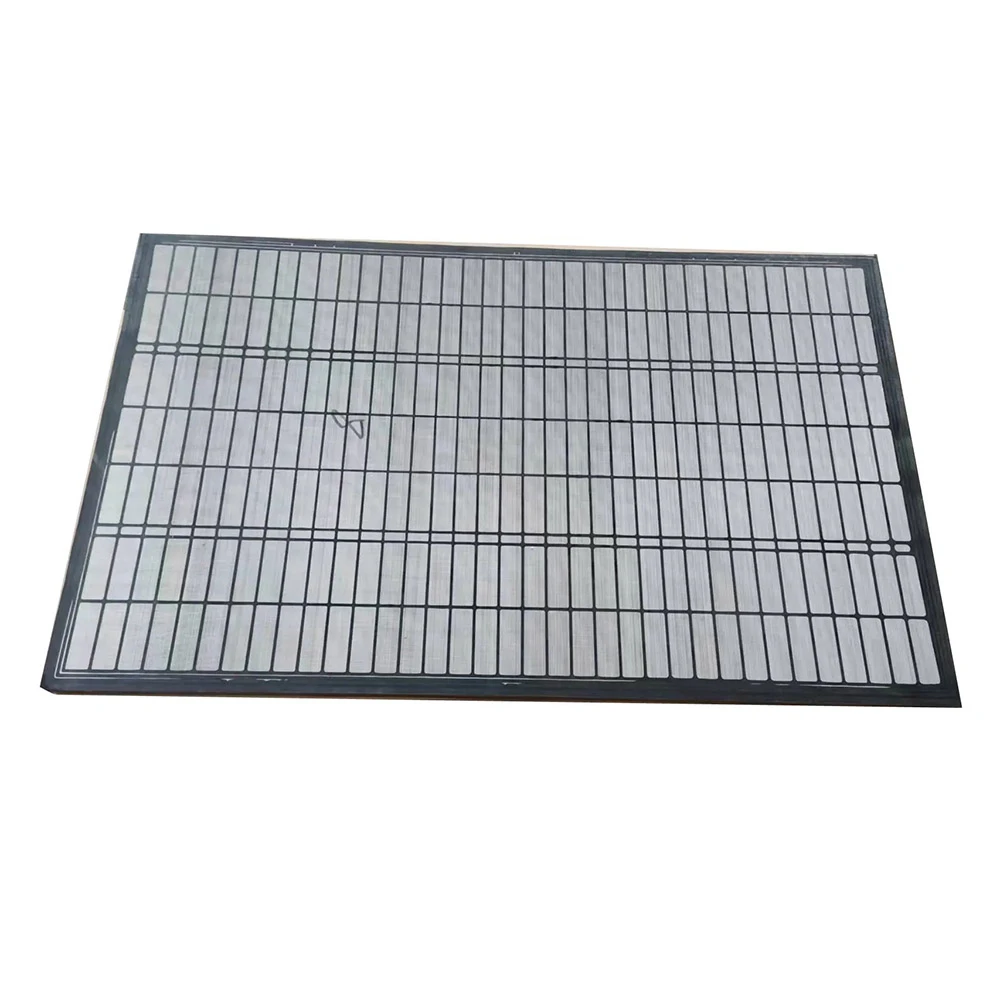
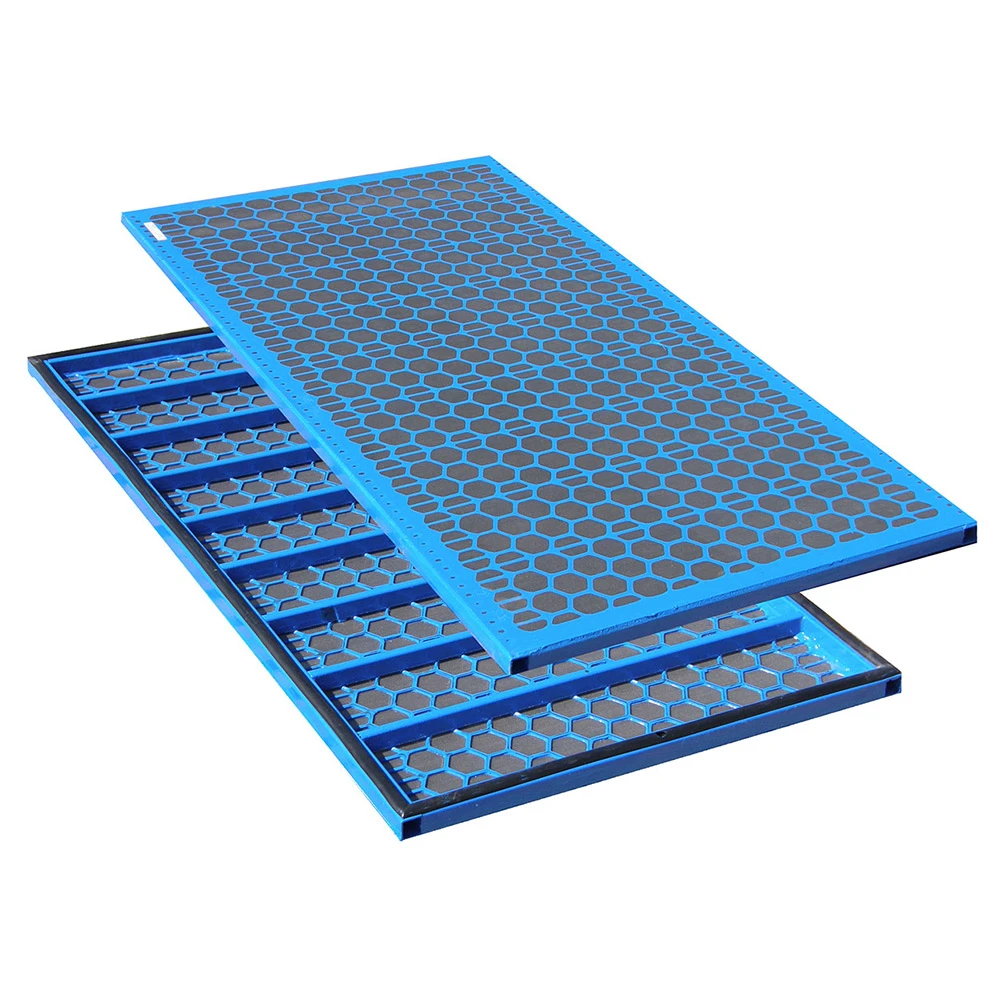
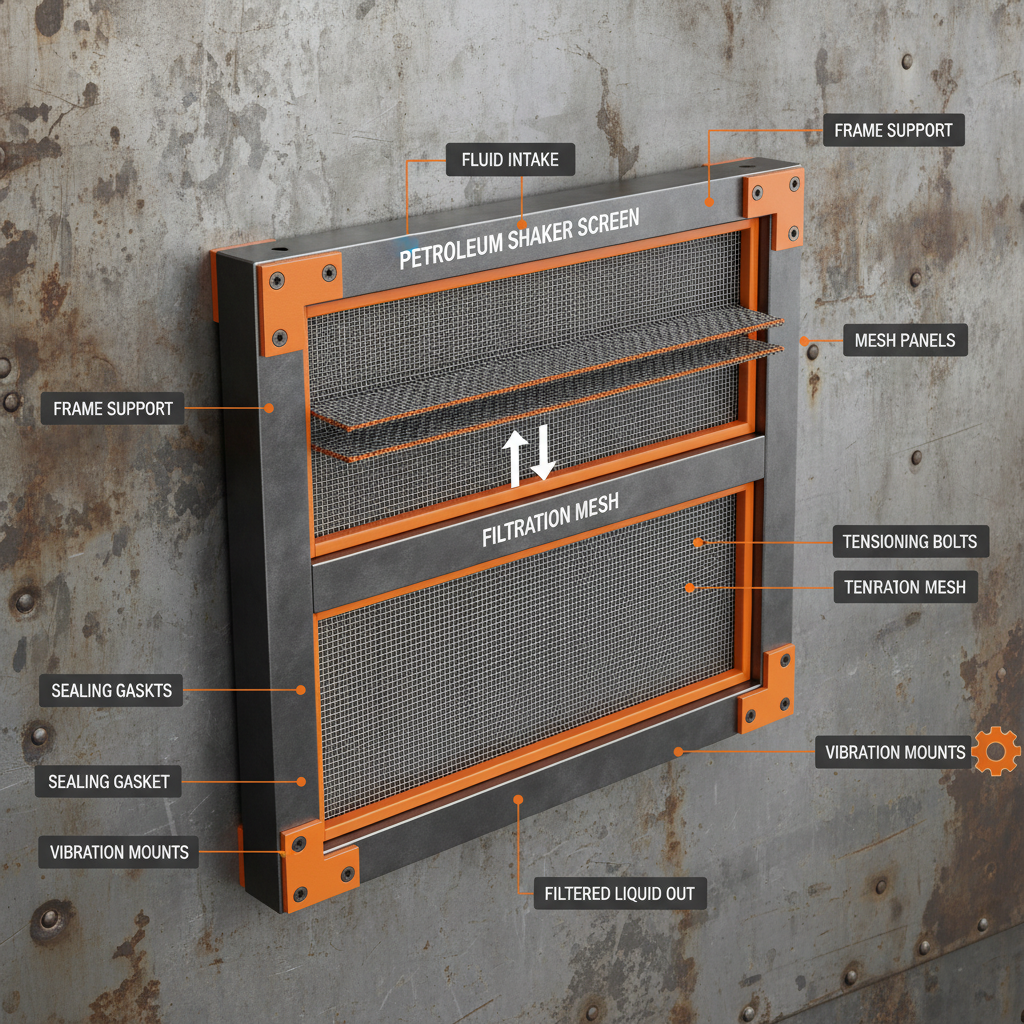
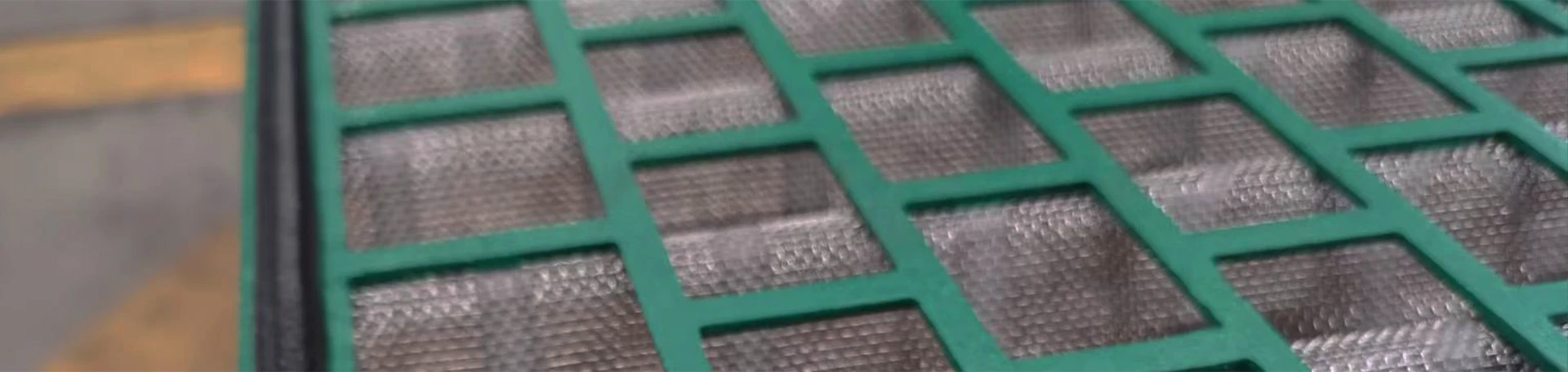
Having spent over a decade around industrial equipment, especially in the solids control and drilling fluids sector, I can tell you the difference a quality shaker screen makes is, frankly, quite something. ODM shaker screens aren’t just some piece of wire mesh slapped onto a frame—they represent a combination of engineering finesse, material science, and on-the-ground adaptability.
Oddly enough, even though shaker screens seem straightforward, their design and manufacturing involve more considerations than you might guess. Let me walk you through what’s involved, from specs to vendor choice, and why it matters.
A Closer Look into ODM Shaker Screen Specifications
First off, “ODM” stands for Original Design Manufacturer. In the context of shaker screens, it means companies don’t just replicate existing screens—they often customize them based on client needs and rig specifics. That customization can range from mesh size and frame materials to screening technology itself.
Here’s a rundown of typical spec highlights you’ll often encounter:
| Specification | Details |
|---|---|
| Mesh Material | Stainless steel 316 or polyester composite |
| Frame Type | Steel, polyurethane, or composite resin |
| Mesh Size | 30 to 400 mesh, depending on solids size |
| Tensile Strength | >200 N/mm, ensures durability and resistance |
| Wear Resistance | High abrasion resistance, critical for long-term use |
| Screen Type | Pretensioned, non-pretensioned, or modular designs |
In real terms, I noticed that switching from a polyester mesh to a stainless steel 316 screen made a noticeable difference in longevity on one of our rigs running harsh drilling fluids. It felt like we cut down downtime caused by screen damage by nearly half.
Comparing ODM Shaker Screen Vendors
Picking the right ODM manufacturer feels almost like choosing a partner — because these screens directly impact equipment efficiency and operating costs. Some vendors emphasize cutting-edge proprietary mesh, others focus on rapid customization, while a few balance cost and quality just right for smaller operations.
| Vendor | Customization | Material Options | Price Range | Lead Time |
|---|---|---|---|---|
| SolidControlPart | Extensive, OEM-level tailored | Stainless steel, polyurethane | Moderate | 2-4 weeks |
| Vendor B | Limited customization | Polyester mesh only | Low | 1-2 weeks |
| Vendor C | Standard designs | Steel frames only | High | 4-6 weeks |
In my experience, ODM shaker screens from SolidControlPart particularly stood out because of their balance between customization and delivery speed. Their engineers seemed to understand the subtle operational demands rigs face—especially for offshore projects.
One client I worked with was running into persistent screen failures due to abrasive solids from unconventional drilling locations. Switching to a solid polyurethane-framed, stainless steel mesh screen from SolidControlPart gave them nearly three months of steady, uninterrupted use, compared to weeks before. That’s a big win in terms of operational uptime—and frankly, it felt good to see field feedback sync so clearly with what the product promised.
Why Invest in Custom ODM Shaker Screens?
So why go the ODM shaker screen route? Well, it’s all about optimizing your solids control system to fit your drilling conditions perfectly. Off-the-shelf screens often don’t factor in specific mud types, solids concentration, or drum/frame configurations.
Customization allows you to:
- Maximize fluid recovery rates
- Minimize screen replacement frequency
- Enhance durability under harsh environments
- Reduce unplanned downtime
Many engineers I’ve chatted with emphasize these points—not just as specs on paper, but as practical cost and productivity gains out in the field. Honestly, it pays for itself over the long haul, but you do need a vendor you trust.
At the end of the day, ODM shaker screens aren’t just components. They’re a vital part of your drilling puzzle. When done right, they keep your systems running smoother, longer, and cheaper. And that’s why I keep coming back to quality and customization.
It feels like an investment in both the equipment and peace of mind.
References:
- Industry reports on solids control screening technology, 2023
- Technical evaluations from offshore drilling operations, 2022
- Manufacturer specifications and user testimonials from SolidControlPart
In the end, it's that mix of technical know-how and real-world testing that really seals the deal with shaker screens.