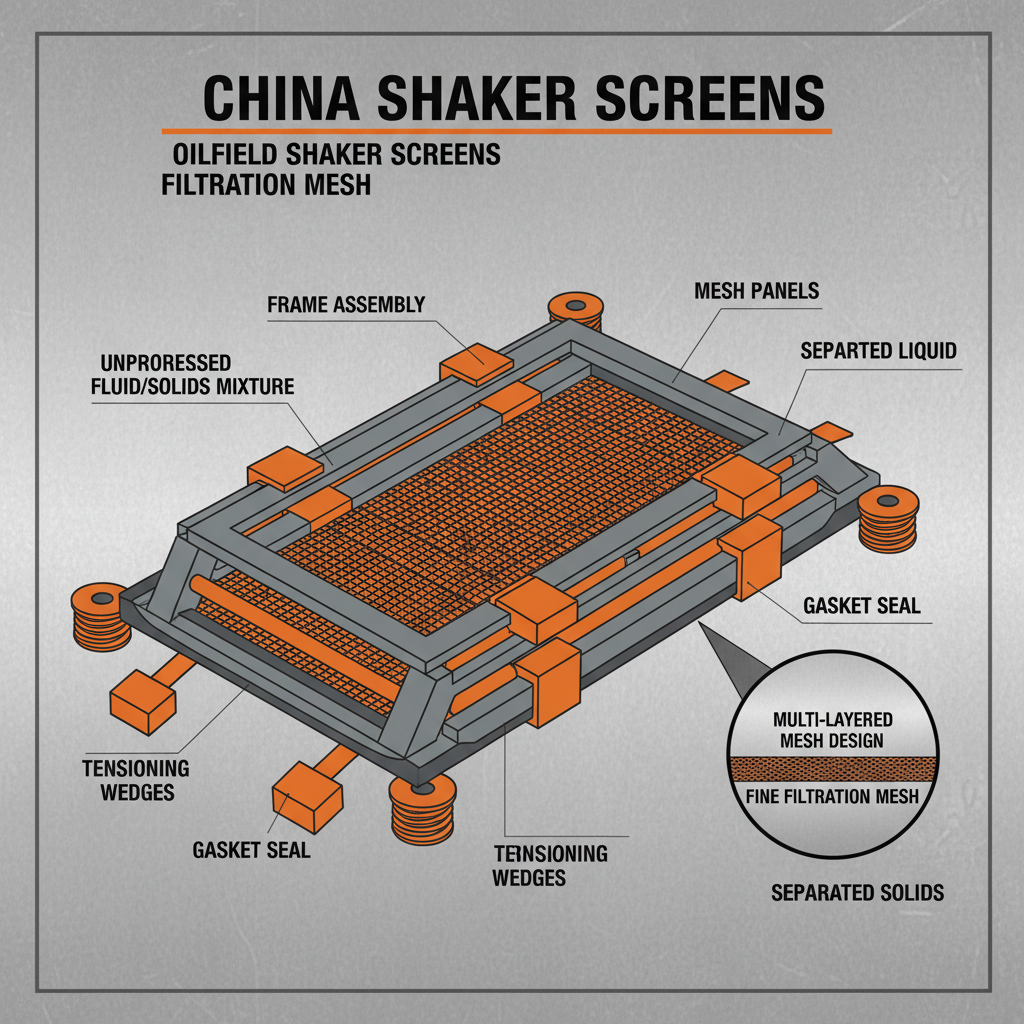
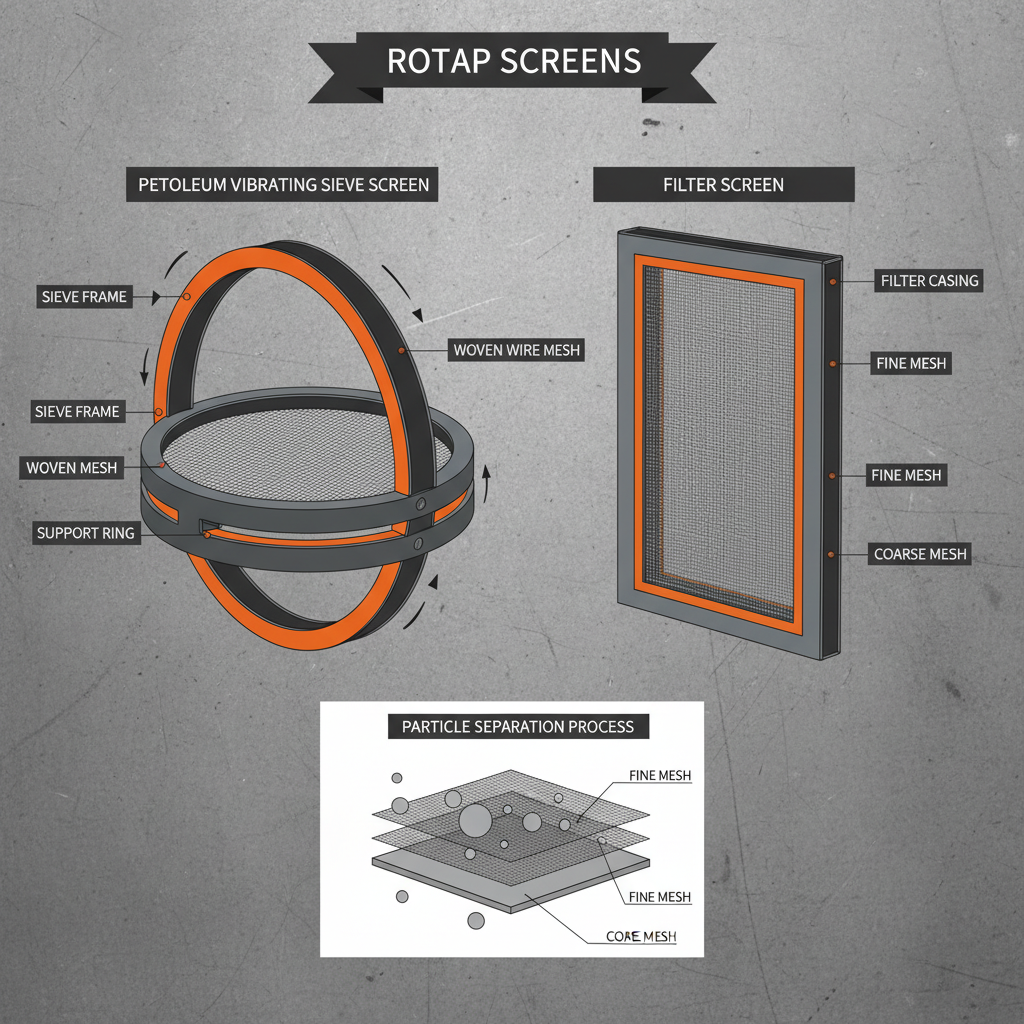
You know, I’ve been running around construction sites for, what, fifteen years now? Seen a lot of things come and go. Right now, everyone’s talking about prefabrication, modular stuff, trying to get speed and consistency. Seems like everyone wants to build faster, cheaper, but they always forget how messy the real world is. Shaker screens for sale – it's a surprisingly hot topic these days, especially with all the resource recovery projects popping up. Used to be, everyone just tossed everything, but now… well, regulations, environmental concerns, it all adds up.
To be honest, the biggest trend I’m seeing isn’t just the screens themselves, it’s the systems around them. It’s not enough to just have a screen, you need the right pumps, the right flow rates, the right pressure... everything has to work together. It's like building a house - you can have the best bricks, but if the foundation’s bad, forget it. And surprisingly, a lot of guys are still messing that up. They’re focusing on the shaker screen for sale price, rather than the total cost of operation.
I saw a big operation in the Bakken a while back. Massive scale, cutting-edge equipment… but their solids control was a disaster. They were blowing through screens like crazy, dealing with mud losses, the whole nine yards. Ended up costing them a fortune in downtime and replacements. Anyway, I think a good, integrated system is where it’s at.
Industry Trends & Design Pitfalls
Have you noticed how everything’s getting smaller and more efficient? That applies to shaker screens too. Guys are trying to pack more surface area into a smaller footprint, which sounds great on paper. But it also means tighter weaves, more fragile materials… more things that can go wrong.
I encountered this at a fracking sand plant last time. They went with a super-fine mesh screen to get maximum separation, but it clogged up immediately. The pressure built up, blew a gasket, and shut down the whole operation for hours. A simple, slightly coarser mesh would have worked perfectly. The biggest pitfall? Over-engineering. People try to solve problems that don't exist, and in doing so, they create new ones.
Material Matters: What They’re Made Of
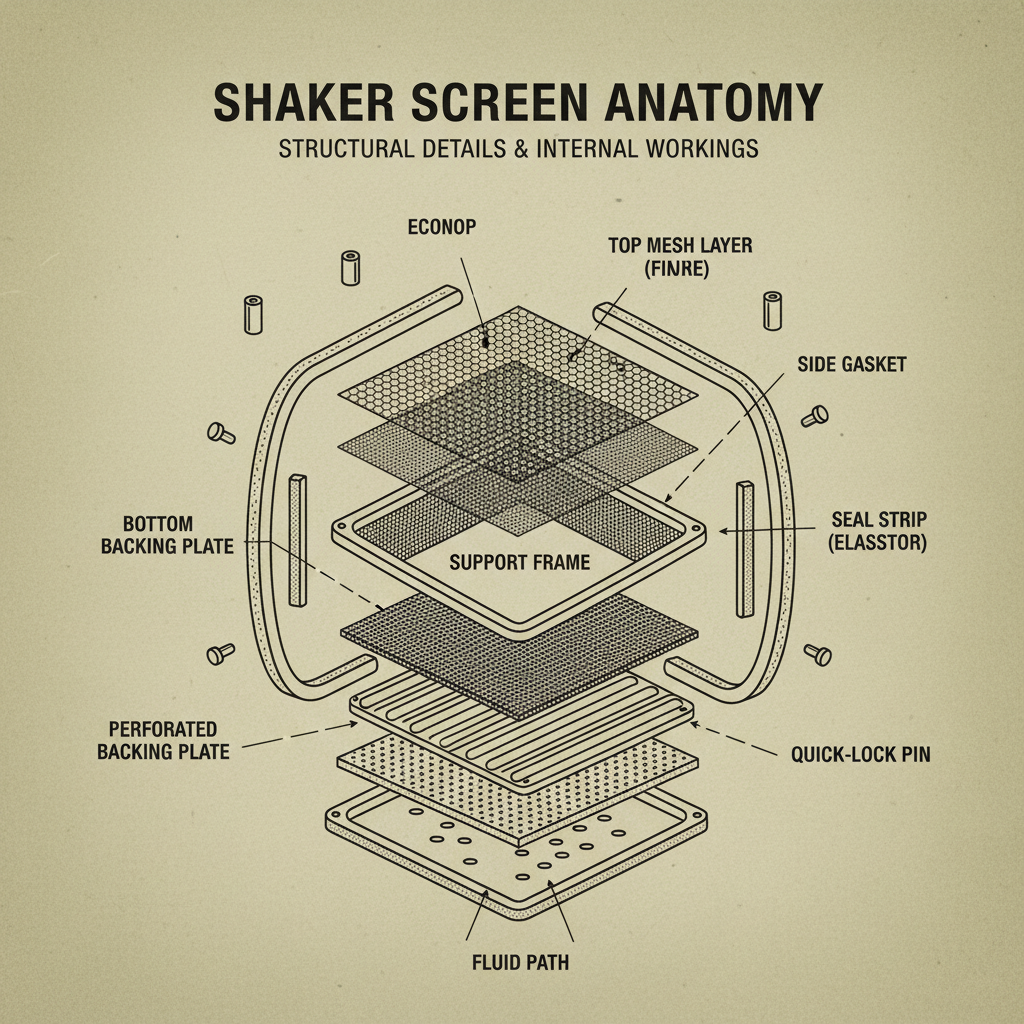
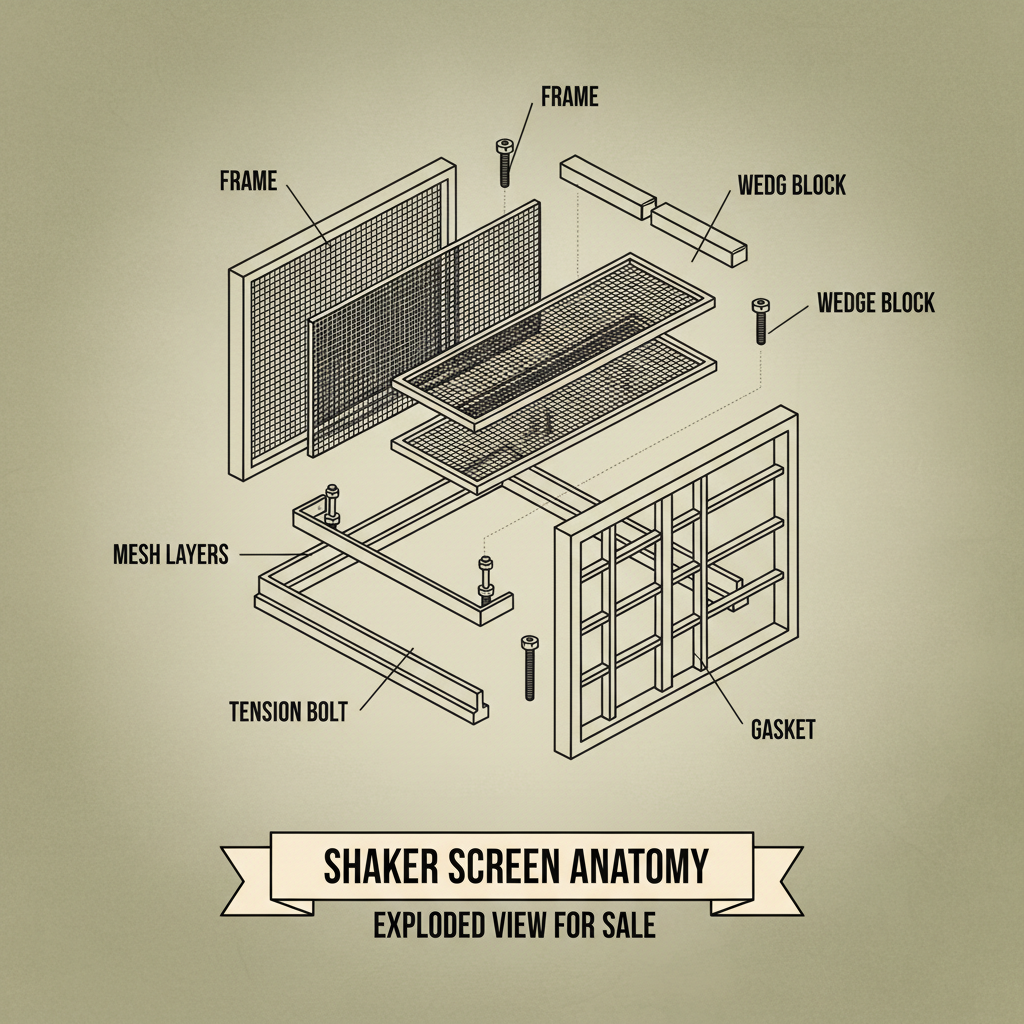
Okay, so the material. That’s huge. You’ve got your standard polyurethane, which is pretty durable, takes a beating. Smells… well, like polyurethane. Kind of sweet and chemical-y. Then you've got composite materials – blends of polyurethane and metal. They’re tougher, more resistant to abrasion, but they're also more expensive. And let me tell you, handling those things on a muddy worksite? A nightmare. They get slick, they get covered in gunk, and you drop one, you're looking at a serious injury.
There’s also the stainless steel mesh, of course. That’s what you’ll see on the really high-end systems. It's incredibly durable, can withstand almost anything, but it’s heavy. And expensive. It doesn’t flex like polyurethane, so it’s more prone to cracking under stress.
Honestly, a good screen needs to feel right. It needs to have some give, but not too much. You need to be able to stretch it taut, without it tearing. It’s a feel thing, you pick it up, you give it a tug, and you just know if it’s going to hold up.
Real-World Testing: Beyond the Lab
Lab tests are fine, I guess. They’ll tell you tensile strength, abrasion resistance, all that jazz. But they don't tell you how a screen will perform after a week of being blasted with sand, mud, and who-knows-what-else.
The real test is on the job site. We run simulations, yeah, but honestly, the best way to test a screen is to just… use it. Put it through hell. See how long it lasts. See how well it separates. We’ve got a test rig at our main facility – a modified mud tank with a high-flow pump. We run different types of solids through it, monitor the effluent, measure the screen life. It’s not perfect, but it’s a lot better than relying on a datasheet.
Strangely, a lot of manufacturers don’t do that. They just sell you a screen and hope for the best. And then they wonder why they get so many complaints. It's like selling a truck without testing it on a dirt road.
How They're Actually Used (And Misused)
Here’s where it gets interesting. You'd think everyone would use shaker screens for sale the way they're intended, right? Wrong. I’ve seen guys use them as makeshift platforms, as scrapers, even as… well, let's just say they've been used for things I won't repeat.
The biggest mistake I see is not changing them often enough. They’ll run them until they’re completely worn out, and then wonder why their separation is terrible. It’s like trying to drive a car without changing the oil. Eventually, something’s going to break. They think they're saving money, but they're actually losing it in efficiency and downtime.
Shaker Screen for Sale Performance Metrics
Advantages & Disadvantages: The Honest Truth
Look, shaker screens for sale are a necessity for anyone dealing with solids separation. They're relatively cheap, easy to replace, and they do a pretty good job of removing large particles. That's the good part.
But they're also prone to clogging, they wear out quickly, and they require constant monitoring. And don’t even get me started on the disposal issues. It’s a mess. And frankly, they're a band-aid solution. They mask the underlying problems with your fluid system.
Customization & Specific Cases
People always want customization. “Can you make it a different size?” “Can you use a different mesh?” “Can you add a logo?” Sure, we can. But it’s almost always more trouble than it’s worth. We had a customer last year, a small drilling company in Texas, who wanted a screen with a custom hole pattern. They thought it would improve their separation efficiency. It didn’t. It just made the screen more expensive and harder to manufacture.
Anyway, I think the best approach is to stick with standard sizes and materials. There’s a reason why those standards exist. They’ve been proven to work. Focus on getting the right screen for the right application, and don’t try to reinvent the wheel.
A Quick Customer Story & Key Considerations
Last month, that small boss in Shenzhen who makes smart home devices insisted on changing the interface to , and the result was a complete disaster. He thought it looked more modern, more premium. But his workers were used to the old connector, and they kept breaking the new ones. Ended up costing him a fortune in replacements and downtime. It’s the same with shaker screens. Sometimes, sticking with what works is the smartest thing you can do.
The biggest thing to consider is your fluid type, the particle size distribution, and the flow rate. You need to match the screen to the application. And don’t be afraid to ask for help. Talk to your supplier, talk to other operators, do your research.
Ultimately, whether this thing works or not, the worker will know the moment he tightens the screw.
Key Shaker Screen for Sale Considerations
| Application Type |
Material Selection |
Mesh Size (Microns) |
Expected Lifespan (Hours) |
| Water Treatment |
Polyurethane |
100-200 |
40-60 |
| Oil & Gas Drilling |
Composite |
50-100 |
80-120 |
| Fracking Sand Processing |
Stainless Steel |
20-50 |
150-200 |
| Mining Operations |
Polyurethane |
150-300 |
30-50 |
| Industrial Wastewater |
Composite |
75-150 |
60-90 |
| Food Processing |
Stainless Steel |
40-80 |
100-150 |
FAQS
Polyurethane screens are generally more affordable and good for less abrasive applications. Composite screens offer better resistance to wear and tear, especially when dealing with tougher materials like hard rock or abrasive sands. They'll cost more upfront, but often last longer, reducing overall operating costs. It really comes down to your specific application and budget.
That depends! It’s not a set schedule. You need to visually inspect the screens regularly for tears, holes, or excessive wear. Also, monitor your solids content in the effluent. If it's increasing, that's a sign your screens are losing their effectiveness. It's better to replace them proactively than to wait until they fail completely and cause downtime. Usually, every 40-120 hours depending on the application.
This is a key question. Finer meshes catch smaller particles, but they also clog up faster. Coarser meshes handle larger particles easily but let more fines pass through. The ideal mesh size depends on the particle size distribution of the material you’re processing and the desired level of separation. We can help you determine the best mesh size based on your needs.
Generally, no. Attempting to repair a screen can compromise its integrity and lead to further issues. The mesh is often delicate and difficult to repair effectively. It’s almost always more cost-effective and safer to simply replace the damaged screen. Don't risk compromising your entire system for a small cost saving.
Store them in a cool, dry, and dark place. Avoid direct sunlight and extreme temperatures. Ideally, store them flat to prevent distortion. Also, keep them away from sharp objects that could damage the mesh. Proper storage will help extend their shelf life.
Disposal is a challenge. Many screens end up in landfills. We're exploring recycling options with some partners, but it’s still a developing area. Check your local regulations for proper disposal methods. Some companies offer screen take-back programs. Ultimately, reducing screen usage through proper maintenance and selection is the most eco-friendly approach.
Conclusion
So, yeah, shaker screens for sale. They're not glamorous, but they're essential. They’re the unsung heroes of a lot of industries. It's a surprisingly complex topic, with a lot of nuance. Choosing the right screen, maintaining it properly, and understanding its limitations can save you a lot of headaches and money.
Look, the technology will continue to evolve, materials will get better, and automation will play a bigger role. But at the end of the day, it all comes down to common sense. Get the right screen for the job, keep it clean, and replace it when it’s worn out. And remember, the worker will know the moment he tightens the screw.