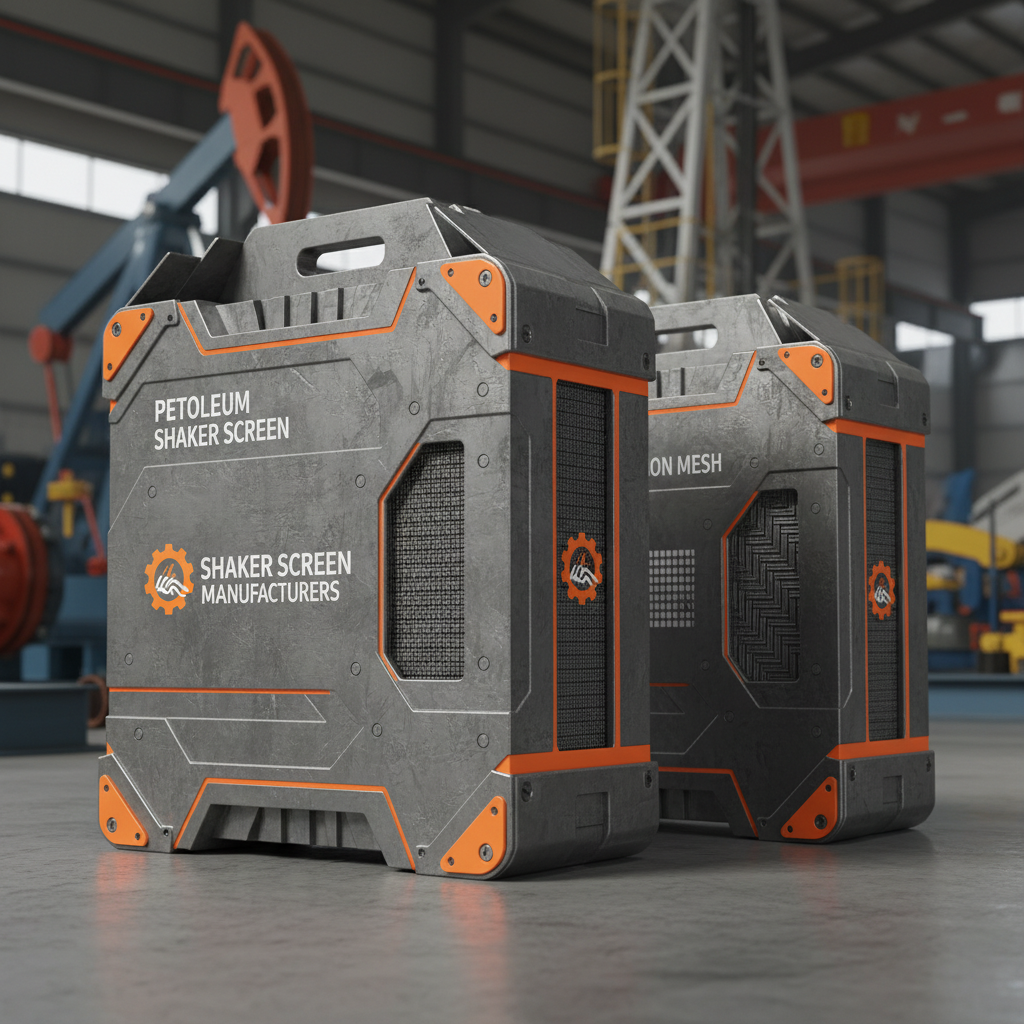
The vsm 300 shale shaker represents a critical component in modern solids control systems, primarily employed in the oil and gas drilling industry. Its effectiveness in separating drill cuttings from drilling fluids is paramount to operational efficiency and cost reduction. Understanding the principles of its operation, maintenance, and advancements is essential for professionals within this sector and increasingly relevant as industries explore more complex drilling environments.
Globally, the demand for efficient drilling operations is driven by the continuing need for energy resources. The vsm 300 shale shaker plays a crucial role in meeting this demand by minimizing downtime, reducing waste disposal costs, and improving the quality of returned drilling fluids. According to industry reports, effective solids control can reduce drilling fluid costs by up to 30%, significantly impacting project profitability.
The increasing stringency of environmental regulations worldwide further elevates the importance of utilizing advanced technologies like the vsm 300 shale shaker. Proper solids management is no longer simply an economic consideration, but a legal and ethical imperative. Efficient shale shakers minimize the environmental impact of drilling operations, contributing to a more sustainable energy future.
Introduction to vsm 300 Shale Shaker
The vsm 300 shale shaker is a vital piece of equipment in the oil and gas industry, functioning as the first stage of solids control. It efficiently separates rock fragments (shale cuttings) from the drilling fluid, allowing for the reuse of the fluid and minimizing waste. This is not just an economic benefit but also a crucial step towards environmentally responsible drilling practices.
Its design prioritizes high-frequency vibration and optimized screen sizing to achieve maximum separation efficiency. The robust construction of the vsm 300 shale shaker ensures reliable operation even in the harsh conditions often encountered on drilling sites. Regular maintenance and component replacement are key to sustaining optimal performance and extending the shaker's lifespan.
Defining the vsm 300 Shale Shaker
Simply put, a vsm 300 shale shaker is a vibrating screen used to separate solids from liquids. In the context of drilling, it filters out shale cuttings, sand, and other unwanted materials from the drilling mud. This cleaned mud can then be recirculated, reducing the need for costly and environmentally damaging disposal of used fluid.
The “vsm 300” designation refers to a specific model offered by Solid Control Parts, characterized by its capacity, screen size, and vibration frequency. It is designed for compatibility with various drilling rigs and can be customized to meet specific operational needs. This level of adaptability is critical for accommodating diverse geological formations and drilling parameters.
The importance of the vsm 300 shale shaker extends beyond oil and gas; similar technologies find application in industries like mining, wastewater treatment, and even food processing, highlighting the broader relevance of solids-liquid separation techniques.
Core Components of the vsm 300 Shale Shaker
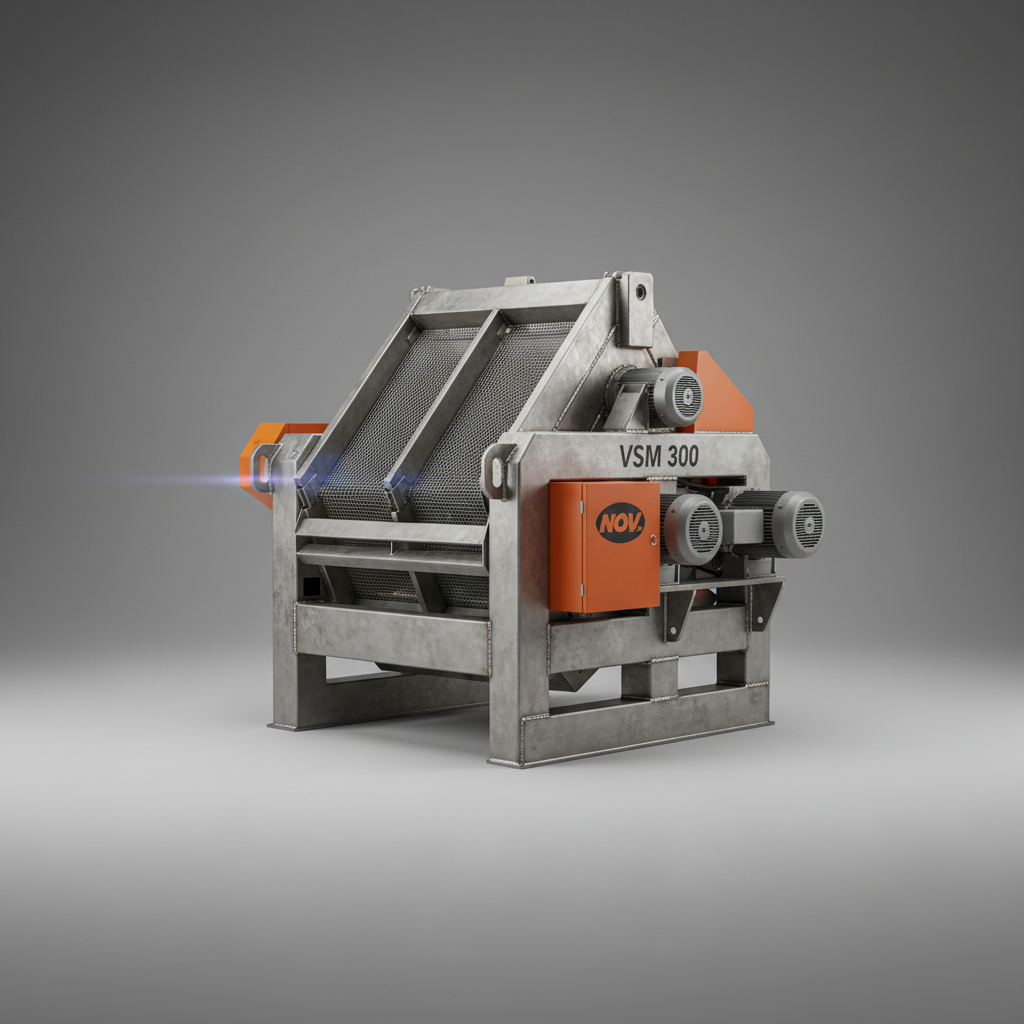
The vsm 300 shale shaker comprises several key components working in unison. These include the shaker deck, which holds the screens; the vibrator mechanism, responsible for generating the oscillating motion; the screen panels themselves, crucial for determining separation efficiency; and the fluid handling system, which directs the cleaned fluid away from the shaker.
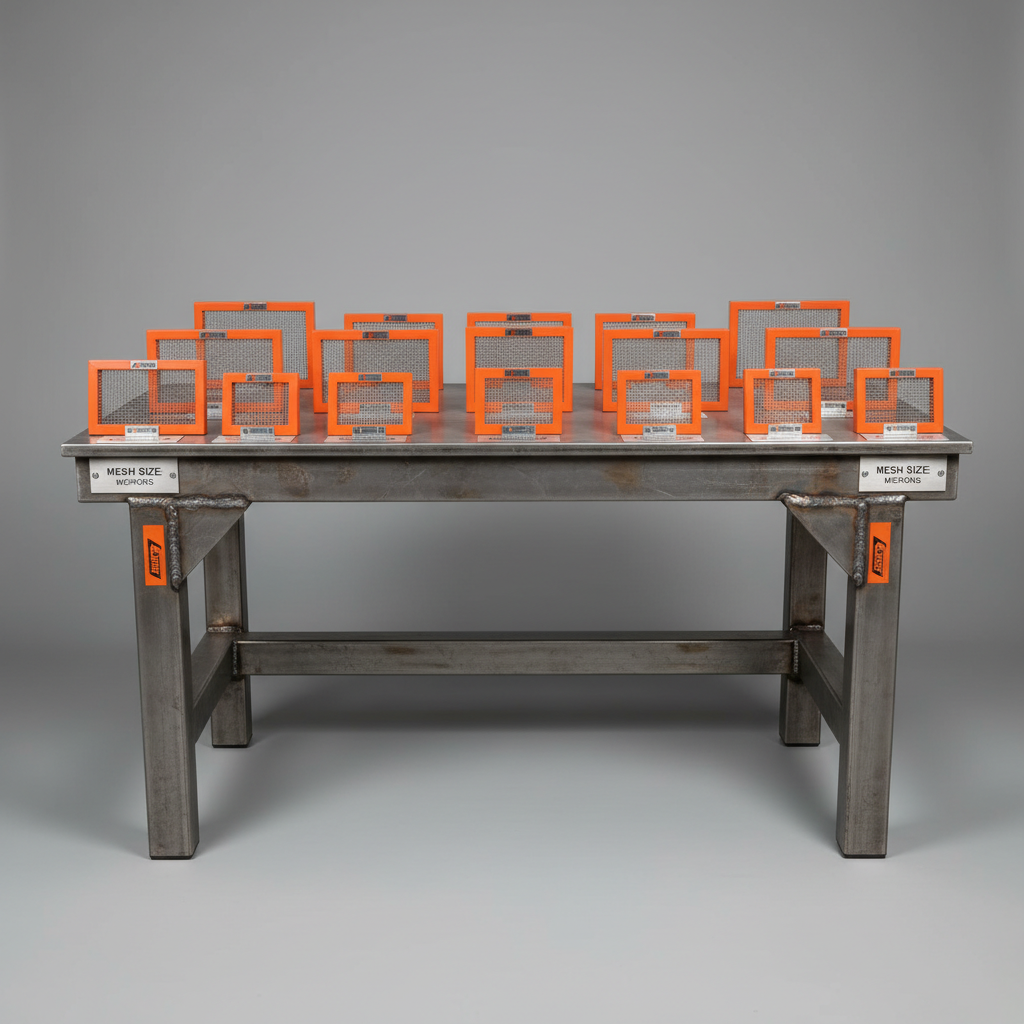
The screen panels are arguably the most important replaceable component. Different mesh sizes are available, selected based on the size of the cuttings being removed. The vibrator mechanism typically utilizes a combination of a rotating eccentric weight and a spring system to create the necessary vibrations. The structural frame of the vsm 300 shale shaker, often constructed from high-strength steel, ensures durability and stability during operation.
Furthermore, modern vsm 300 shale shaker models often incorporate sophisticated monitoring systems to track screen wear, vibration levels, and fluid flow rates, enabling proactive maintenance and preventing unexpected downtime. These systems contribute to optimized performance and reduced operational costs.
Performance Metrics of vsm 300 Shale Shaker
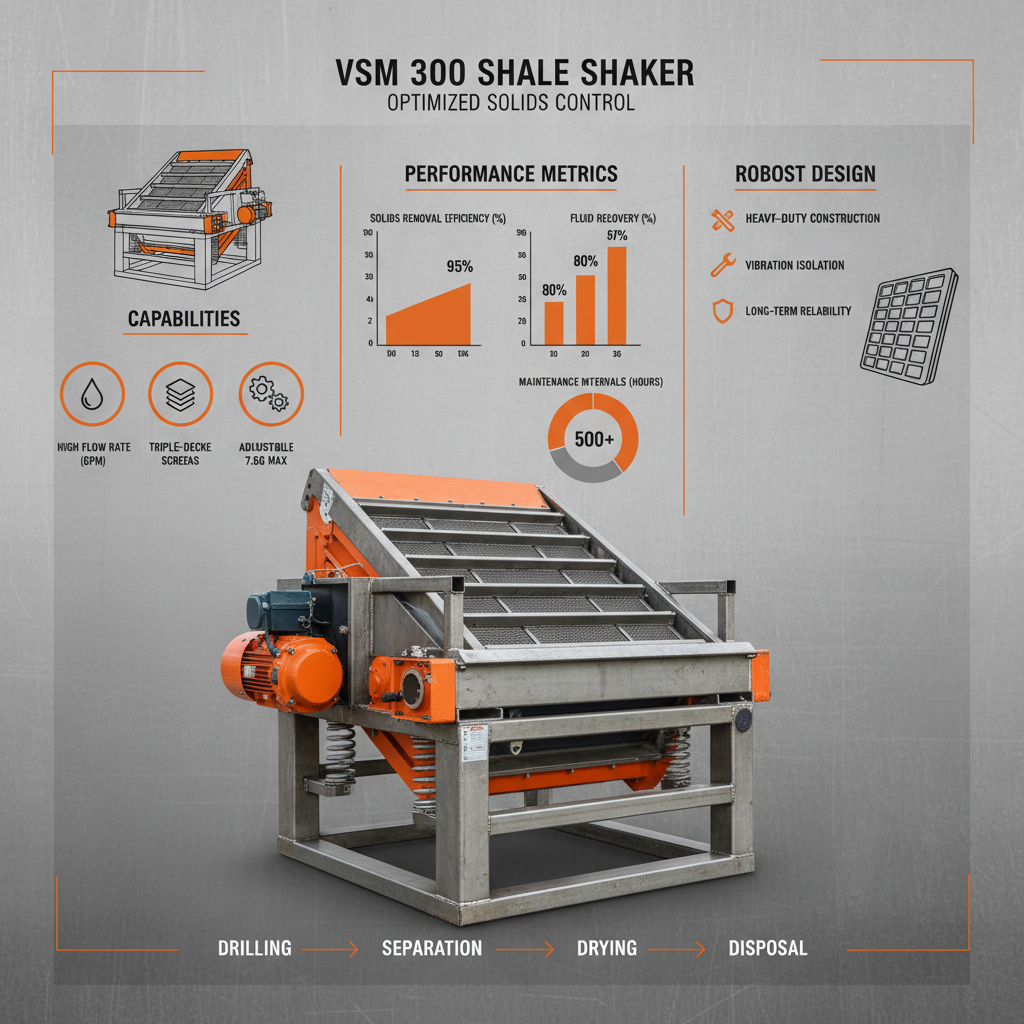
Evaluating the performance of a vsm 300 shale shaker requires consideration of several key metrics. One crucial factor is the solids removal efficiency, typically expressed as a percentage. This indicates the proportion of solid particles successfully removed from the drilling fluid.
Another important metric is the handling capacity, measured in gallons per minute (GPM) or liters per second. This defines the maximum flow rate the shaker can effectively process without compromising separation efficiency. The screen life is also a significant performance indicator, reflecting the durability of the screen panels and minimizing replacement frequency.
Comparison of vsm 300 Shale Shaker Performance Parameters
Global Applications of the vsm 300 Shale Shaker
The vsm 300 shale shaker finds widespread application in oil and gas exploration and production across the globe. Major oil-producing regions such as the Middle East, North America, and Russia rely heavily on this technology to optimize drilling operations.
Beyond conventional oilfields, the vsm 300 shale shaker is also crucial in unconventional resource extraction, including shale gas and tight oil operations. These often involve complex drilling techniques and require highly efficient solids control to manage the large volumes of cuttings generated.
Advantages and Long-Term Value
Utilizing a vsm 300 shale shaker offers significant economic advantages. Reduced drilling fluid consumption translates directly into cost savings, while minimizing waste disposal expenses further enhances profitability. The improved fluid quality also extends the lifespan of downhole tools, preventing premature failures and costly repairs.
Beyond the financial benefits, the vsm 300 shale shaker contributes to sustainable drilling practices by reducing environmental impact. Efficient solids management minimizes the volume of waste requiring disposal, lessening the risk of soil and water contamination. This promotes responsible resource extraction and enhances the industry's reputation.
The reliability of the vsm 300 shale shaker builds trust and operational confidence. Reducing downtime and ensuring consistent performance are crucial for maintaining project schedules and meeting production targets.
Future Trends and Innovations
The future of vsm 300 shale shaker technology is focused on automation and enhanced monitoring capabilities. Integration with real-time data analytics and remote control systems will enable operators to optimize performance and proactively address potential issues.
Development of more durable and environmentally friendly screen materials is also a key area of innovation. The use of composite materials and advanced polymers can extend screen life and reduce the environmental footprint of shaker operations. Furthermore, the integration of AI-powered algorithms to predict screen wear and optimize vibration frequencies will drive efficiency gains.
Sustainability remains a paramount concern, driving research into closed-loop drilling fluid systems where virtually all fluid and cuttings are recycled, minimizing waste and environmental impact. The vsm 300 shale shaker will be a critical component in realizing these advanced systems.
Challenges and Solutions
One common challenge with the vsm 300 shale shaker is screen blinding, where fine particles accumulate on the screen surface, reducing its permeability and hindering separation efficiency. This can be mitigated through the use of automated screen cleaning systems and optimized drilling fluid formulations.
Another challenge is managing the high vibration levels generated by the shaker, which can lead to equipment fatigue and potential failures. Proper installation, regular maintenance, and the use of vibration dampening materials can address this issue. Furthermore, predictive maintenance strategies based on vibration analysis can identify potential problems before they escalate.
Finally, ensuring compatibility with different drilling fluid types and geological formations requires careful screen selection and operating parameter adjustments. Experienced solids control engineers play a crucial role in optimizing the performance of the vsm 300 shale shaker across diverse drilling environments.
Summary of vsm 300 Shale Shaker Maintenance Best Practices
| Maintenance Task |
Frequency |
Required Skill Level |
Estimated Time (Hours) |
| Screen Inspection and Replacement |
Daily |
Basic |
0.5 |
| Vibrator Mechanism Inspection |
Weekly |
Intermediate |
1 |
| Fluid Handling System Check |
Weekly |
Basic |
0.25 |
| Structural Frame Inspection |
Monthly |
Intermediate |
1.5 |
| Bearing Lubrication |
Monthly |
Basic |
0.5 |
| Complete System Overhaul |
Annually |
Advanced |
8 |
FAQS
The lifespan of a vsm 300 shale shaker varies depending on operating conditions and maintenance practices. However, with regular servicing and component replacements, a well-maintained shaker can reliably operate for 5-7 years or longer. Key factors influencing lifespan include the abrasiveness of the drilled solids, the frequency of use, and the quality of maintenance performed.
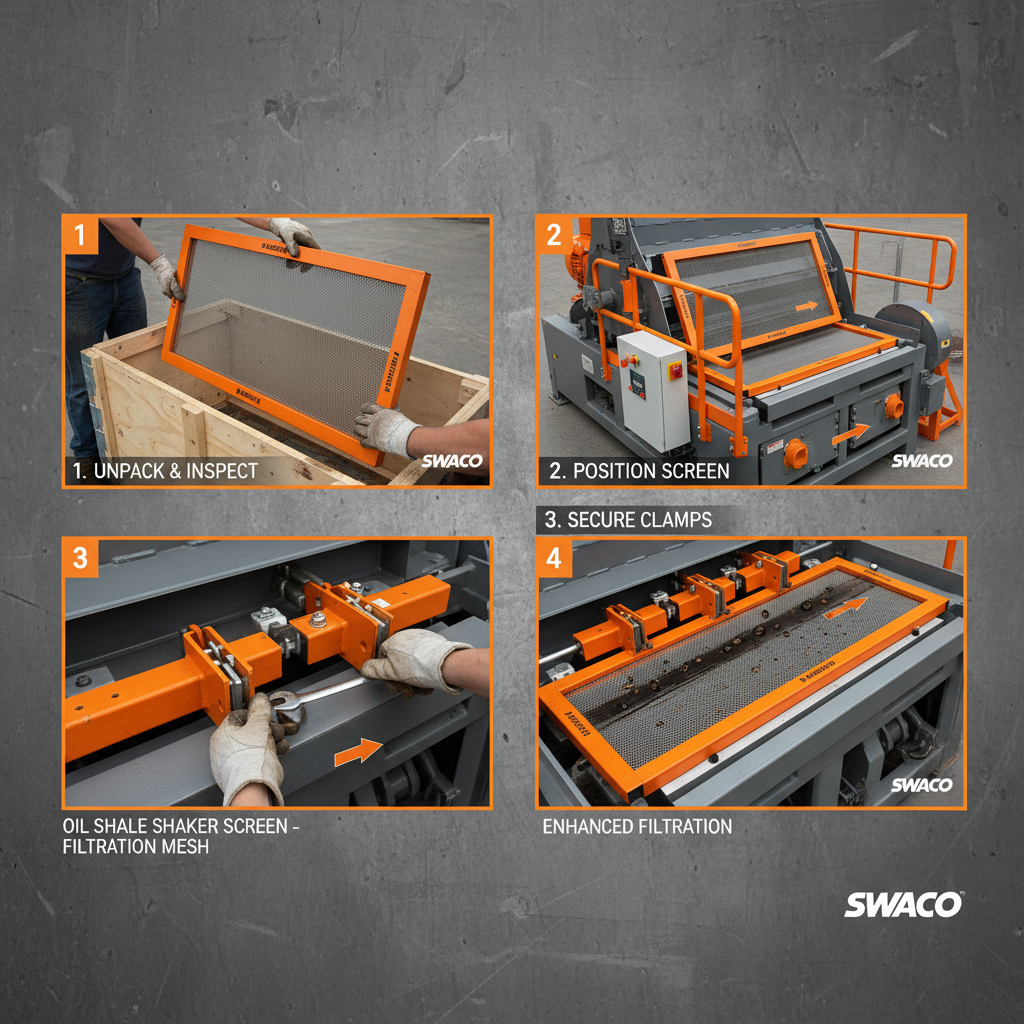
Screen panel replacement frequency depends on the type of solids being processed and the shaker's operational intensity. As a general guideline, screens should be inspected daily and replaced when signs of wear, damage, or reduced flow rate are observed. Typically, screen replacements are needed every 200-400 hours of operation, but this can vary significantly.
The vsm 300 shale shaker is designed for compatibility with a wide range of drilling fluids, including water-based muds (WBM), oil-based muds (OBM), and synthetic-based muds (SBM). However, specific screen mesh sizes and operating parameters may need to be adjusted based on the fluid's properties and solids content to ensure optimal performance.
Safety is paramount when operating a vsm 300 shale shaker. Ensure the shaker is properly grounded to prevent electrical hazards. Always wear appropriate personal protective equipment (PPE), including safety glasses, gloves, and hearing protection. Never attempt to repair or service the shaker while it is running. Follow all manufacturer's safety guidelines.
The vsm 300 shale shaker significantly contributes to environmental sustainability by reducing the volume of waste requiring disposal. Efficient solids separation allows for the reuse of drilling fluids, minimizing environmental contamination and reducing the need for resource-intensive fluid production. This promotes responsible drilling practices and reduces the overall environmental footprint of operations.
A comprehensive maintenance schedule for a vsm 300 shale shaker should include daily screen inspections, weekly checks of the vibrator mechanism and fluid handling system, monthly structural frame inspections, and annual complete system overhauls. Regular lubrication of bearings and prompt replacement of worn components are also crucial for maintaining optimal performance.
Conclusion
The vsm 300 shale shaker stands as a cornerstone of modern drilling operations, providing essential solids control, reducing costs, and promoting environmental responsibility. Its robust design, coupled with continuous innovation in materials and automation, ensures its continued relevance in the evolving energy landscape. The ability to efficiently separate solids from drilling fluids directly impacts project profitability and sustainability.
Looking ahead, proactive maintenance, integration of advanced monitoring systems, and a commitment to sustainable practices will be key to maximizing the long-term value of the vsm 300 shale shaker. We encourage you to explore our range of shale shaker solutions and services to optimize your drilling operations. Visit our website: www.solidcontrolpart.com.