Understanding the Custom Shale Screen: A Vital Tool in Modern Industry
When it comes to shale handling in industries like oil and gas or mining, the custom shale screen plays a critical—yet often quietly working—role. You might ask, what exactly is it, and why does it matter beyond just some niche technical application? In simple terms, a custom shale screen is a specially designed filtration device tailored to efficiently separate shale cuttings from drilling fluids. Globally, with the intense extraction activities powered by booming energy demands and resource exploration, managing shale waste efficiently is not just a matter of productivity but environmental stewardship, safety, and cost management.
According to the International Energy Agency, worldwide drilling activity continues to rise steadily. That translates to millions of tons of shale materials needing processing every year, impacting the environment if mishandled. This makes understanding and investing in quality, tailored shale screening solutions a clear priority for operators, governments, and communities.
What Is a Custom Shale Screen?
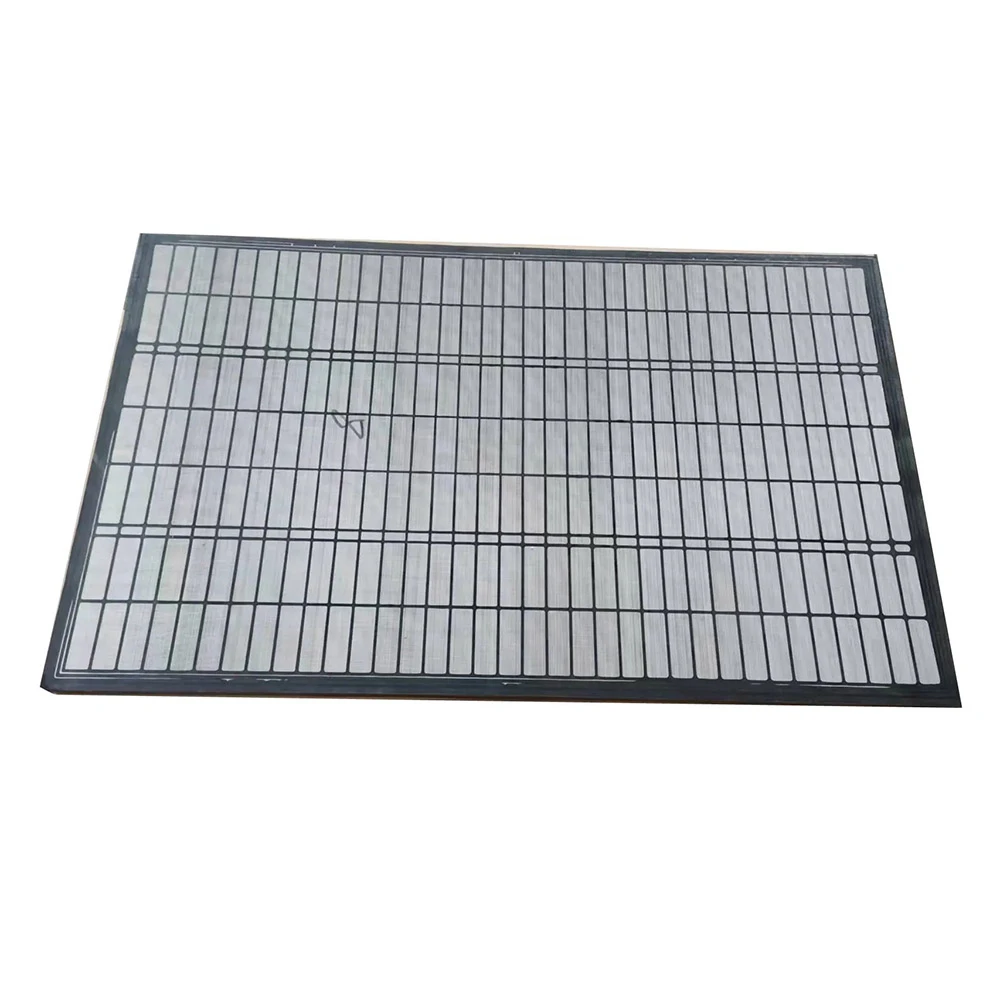
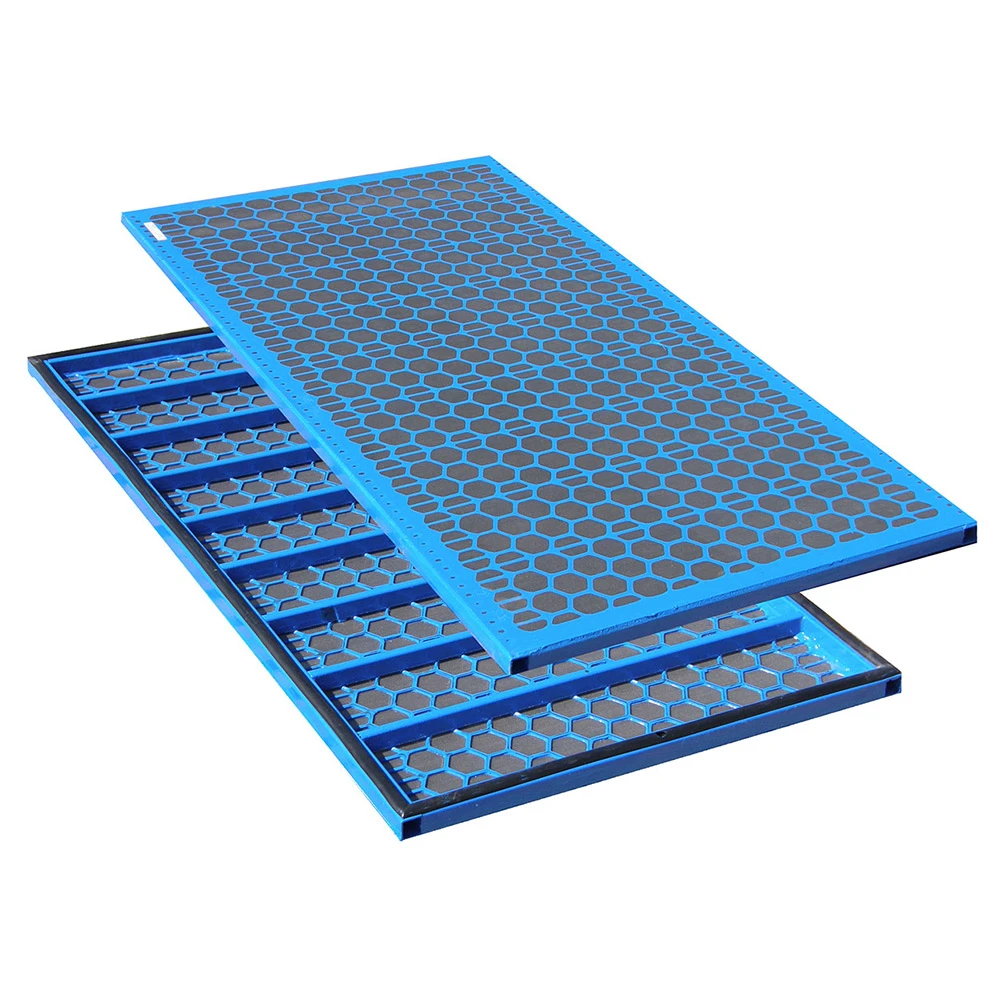
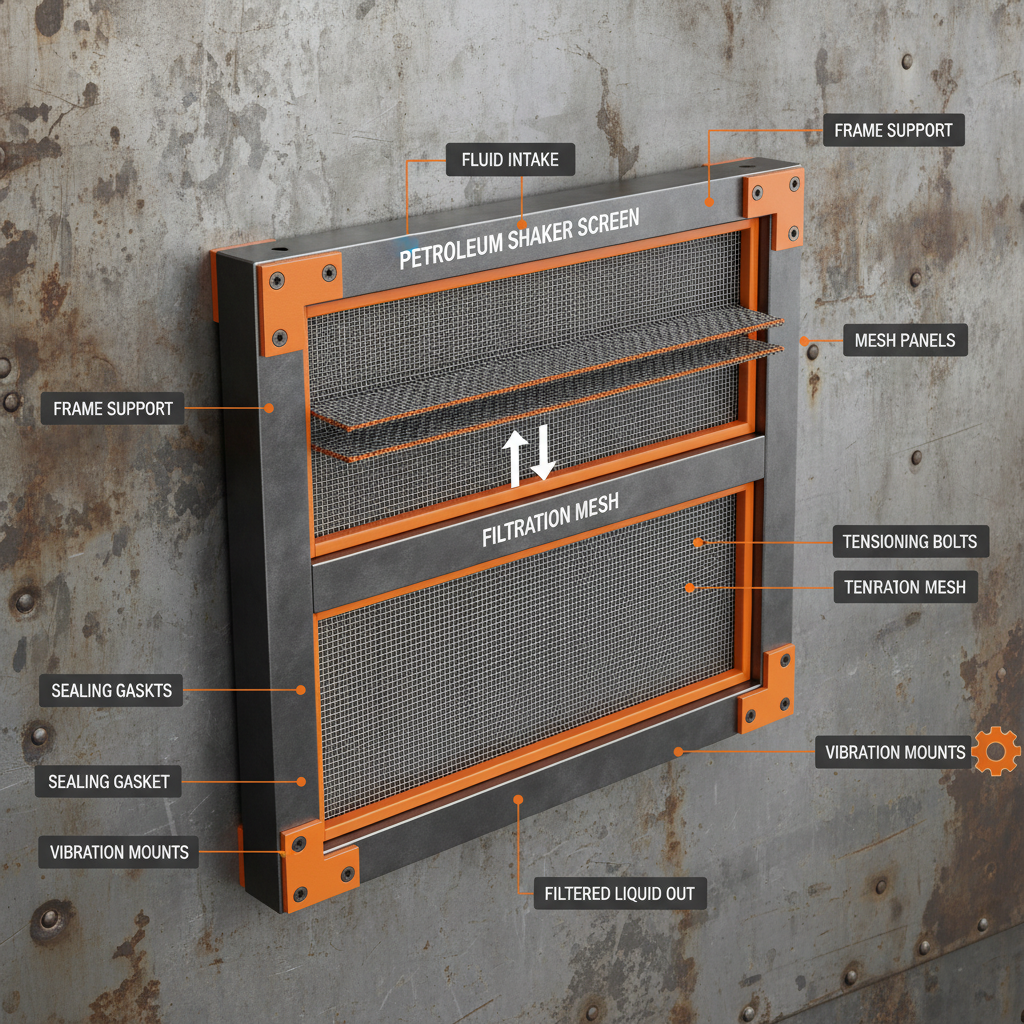
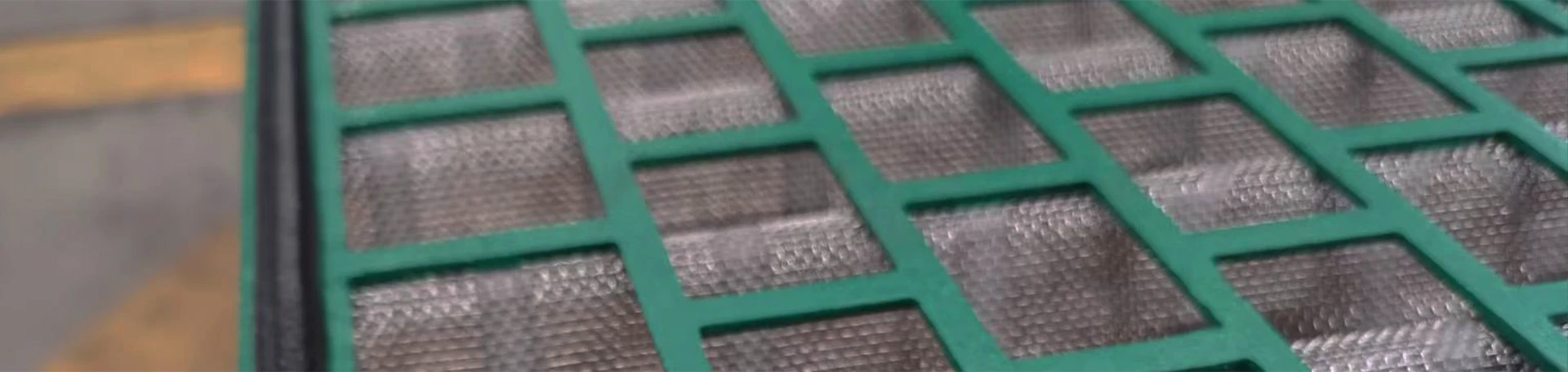
At its core, a custom shale screen is a mechanical sieve or mesh designed specifically to filter out shale particles from drilling mud. Unlike generic screens, "custom" implies the design and material of the screen are adapted to fit specific operational needs—be it the particle size range, chemical resistance, or the screen’s durability against abrasion. This customization links tightly with modern industries’ push towards more efficient, environmentally conscious operations where byproducts and waste streams are handled smartly.
Shale screens are more than just tools; they’re integral to reducing waste volume, lowering disposal costs, and ensuring safer working environments by limiting hazardous material exposure.
Key Components of an Effective Custom Shale Screen
1. Durability and Material Strength
Shale screens must withstand harsh drilling muds laden with abrasive particles. Typically made from high-grade steel alloys or specialty composites, their strength directly impacts operational uptime and maintenance intervals. For instance, a screen made from 316 stainless steel with a reinforced frame can last significantly longer in corrosive environments.
2. Precision Mesh Sizing
The mesh size is the heart of its functionality. Custom screens often have mesh openings calibrated exactly to the needs of the drilling fluid and shale type, balancing between efficient solids removal and fluid retention.
3. Scalability for Volume Processing
Different projects require screens that handle vastly different throughput volumes. Custom shale screens can be modular, letting operators scale filtration as drilling phases evolve.
4. Cost Efficiency and Lifecycle
A robust shale screen might cost more upfront but saves money by reducing downtime and replacement frequency. Customization means you aren’t paying for irrelevant features or undersized solutions.
Product Specification of a Typical Custom Shale Screen
| Feature | Specification | Notes |
|---|---|---|
| Material | 316 Stainless Steel | Corrosion-resistant, high durability |
| Mesh Opening | 30–100 mesh | Customizable to drilling requirements |
| Frame Type | Reinforced welded frame | Improved wear resistance |
| Dimensions | Up to 32" × 64" | Adaptable for different shale shakers |
| Operating Temperature | -20°C to 120°C | Suitable for most drilling environments |
Global Uses and Real-World Applications
The reach of custom shale screens is global—every region active in shale drilling or mineral extraction relies on them. In North America, particularly in shale gas plays like the Marcellus formation, operators depend heavily on tailored screens to optimize drilling fluid recycling. Meanwhile, Central Asia’s oilfields use custom screens built to endure extreme temperature swings.
Oddly enough, fields beyond energy, such as civil engineering or wastewater treatment plants, have begun adopting similar filtration technologies inspired by custom shale screen designs. In post-disaster debris management, customized shale screens help sift through mixed waste to salvage materials safely.
Incidentally, if you want to explore various specialized options, it’s worth checking products like custom shale screen offerings from leading manufacturers who tailor solutions for different drilling scenarios.
Vendor Comparison Table: Leading Custom Shale Screen Providers
| Vendor | Material Quality | Customization Options | Typical Lead Time | Price Range |
|---|---|---|---|---|
| Solid Control Parts | 316 Stainless Steel | High (mesh & frame tailored) | 2–3 weeks | Mid-Range |
| DrillTech Screens | High Carbon Steel | Medium (limited mesh sizes) | 4–6 weeks | Budget |
| Global Mesh Supply | Stainless Steel | Low (mostly standard sizes) | 1–2 weeks | Premium |
Advantages and Long-Term Value
Utilizing custom shale screens isn’t just about ticking a box on the equipment list. Frankly, it’s about long-term reliability, cost savings, and environmental responsibility. Efficient shale separation reduces the volume of solids in drilling fluid systems, which means fewer trips to dispose of waste and less environmental risk. Operators also gain trust from regulators and communities by demonstrating a commitment to sustainable practices.
On a more human level, better filtration solutions can enhance onsite safety by minimizing dust and hazardous material exposure. And if you think about it, innovation in these screens keeps the industry moving forward, helping reduce waste and enabling more responsible resource extraction.
Future Trends in Custom Shale Screen Technology
The next frontier includes the integration of advanced materials like nano-coatings to make screens even more abrasion resistant, or the application of sensors to monitor screen wear in real time. Digital transformation—think IoT-enabled shale screens—could inform maintenance before failures occur, boosting uptime.
Sustainability trends also push for screenings resistant to environmentally harmful chemicals, using recyclable or more biodegradable materials. Automation in drilling operations might one day pair seamlessly with adaptive shale separation technologies for precision engineering of fluid systems.
Challenges and Solutions
Of course, every technology faces challenges. For custom shale screens, sourcing materials that balance cost and durability can be tricky. Plus, designing screens that perform well in varying drilling conditions requires deep expertise.
Many engineers emphasize ongoing research into new alloys and mesh geometries to improve lifespan and separation efficiency. There’s also a move toward more dynamic modular designs—screens that can be swapped or adjusted onsite without lengthy downtime.
FAQ: Frequently Asked Questions About Custom Shale Screens
Q1: How do custom shale screens improve drilling efficiency?
Custom shale screens are tailored to match specific particle sizes and drilling conditions, which ensures maximum cuttings removal while maintaining fluid circulation. This reduces equipment wear and downtime, ultimately improving overall drilling workflow.
Q2: What factors should be considered when selecting a shale screen?
Key factors include mesh size, material grade, frame strength, compatibility with drilling fluids, and expected operating temperatures. The choice depends heavily on the particular drilling environment and fluid composition.
Q3: Can custom shale screens be used in other industries?
Absolutely. Beyond oil and gas, custom shale screens find application in mining, wastewater treatment, and even construction debris sorting, wherever solid-liquid separation is crucial.
Q4: How long does a typical custom shale screen last?
Lifespan varies depending on materials and usage but generally ranges from several months up to a year or more with proper maintenance and choice of materials.
Q5: Is international shipping of custom shale screens feasible for remote projects?
Yes, manufacturers like those linked above offer customized logistics and export expertise. Planning ahead helps minimize delays for critical project timelines.
Conclusion
In summary, the custom shale screen is far more than a technical accessory — it's a cornerstone of modern resource extraction and environmental responsibility. Its evolution shows how industries balance efficiency with sustainability — a win-win for companies, communities, and ecosystems. If your operations could benefit from tailored shale screening solutions, don't hesitate to visit our website and explore the innovative, customized products available.
Oddly enough, sometimes the most overlooked equipment shapes the entire success story...
References