Custom Brandt Shaker Screens: The Unsung Heroes of Efficient Solids Control
When we think about the heavy machinery and industrial processes powering global energy, mining, and construction, it’s easy to overlook one small but mighty component: the custom Brandt shaker screens. These precision-engineered meshes might appear humble, but their role in efficient solids control and fluid processing is profound. Globally, they help reduce waste, improve output, and protect expensive equipment, making operations more sustainable and cost-effective. Understanding this topic unlocks insights into why industries worldwide depend on them daily—and why tailoring these components can lead to game-changing improvements.
Introduction: Why Custom Brandt Shaker Screens Matter Worldwide
Here’s the backdrop: According to the International Energy Agency (IEA), the global drilling market consistently trends upward, expecting over 20% growth in rig counts over the next decade. Whether it’s oil, gas, or geothermal energy, the quality and reliability of solids-control equipment directly impact operational success. Custom Brandt shaker screens are engineered to fit various shaker models and operating conditions. They drastically improve separation efficiency, minimizing downtime and environmental footprint.
Oddly enough, while most people don’t hear about them, these screens address a persistent challenge: how to efficiently separate drilled solids from drilling fluids—without costly interruptions or waste. As regulatory pressures increase worldwide to reduce environmental impact, tailored shaker screens help drilling operations meet these mandates by optimizing solids removal.
What Are Custom Brandt Shaker Screens?
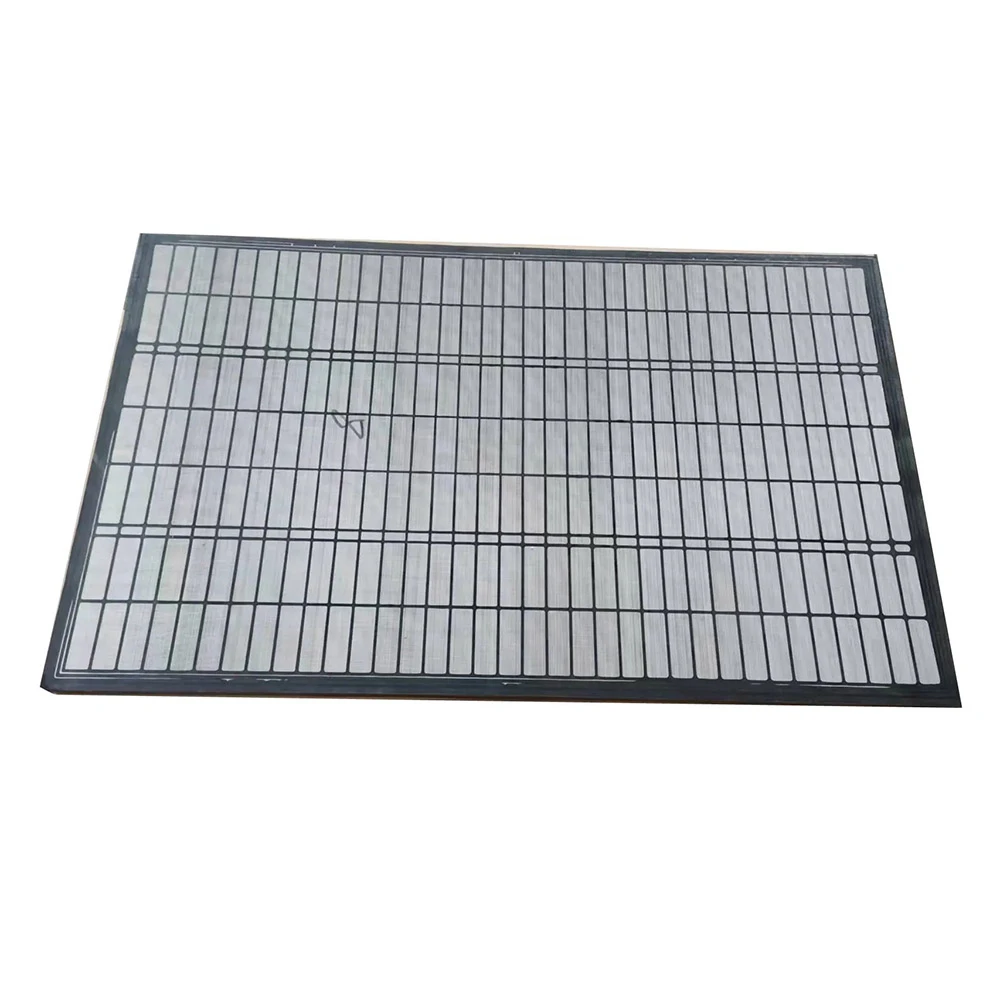
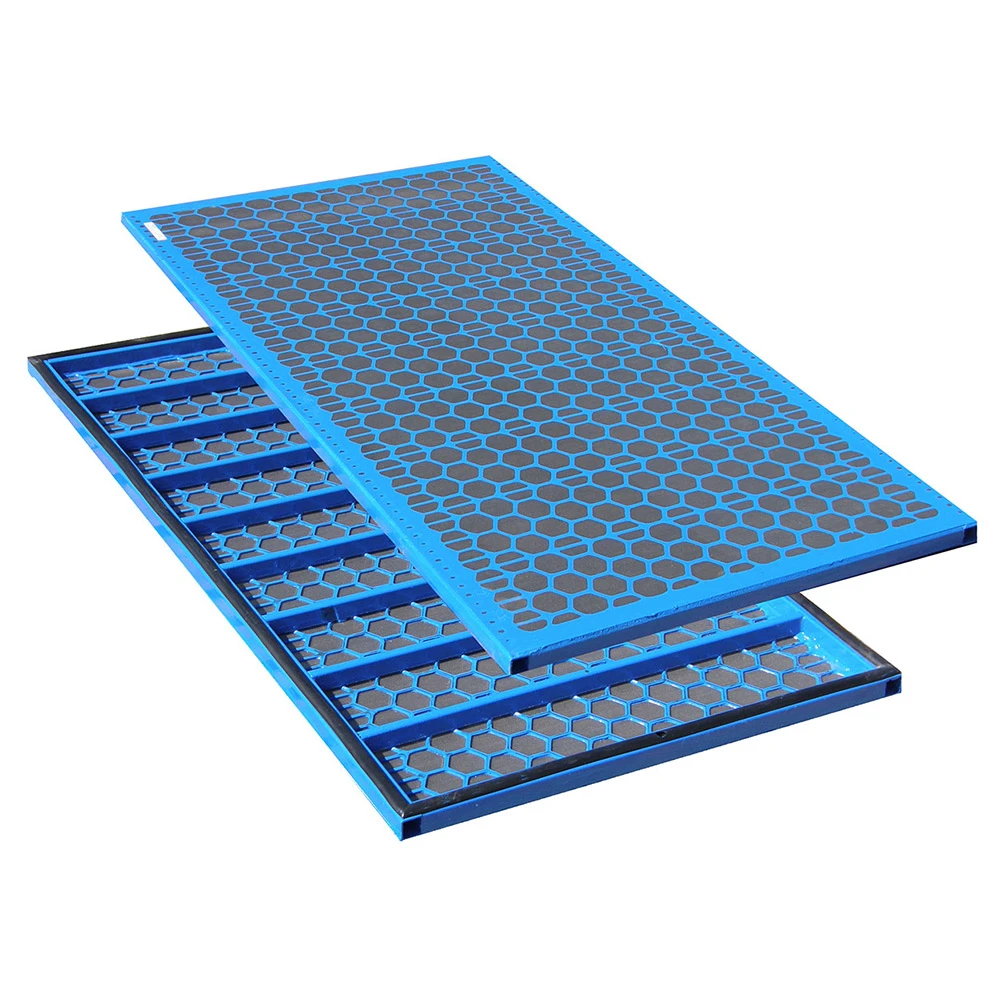
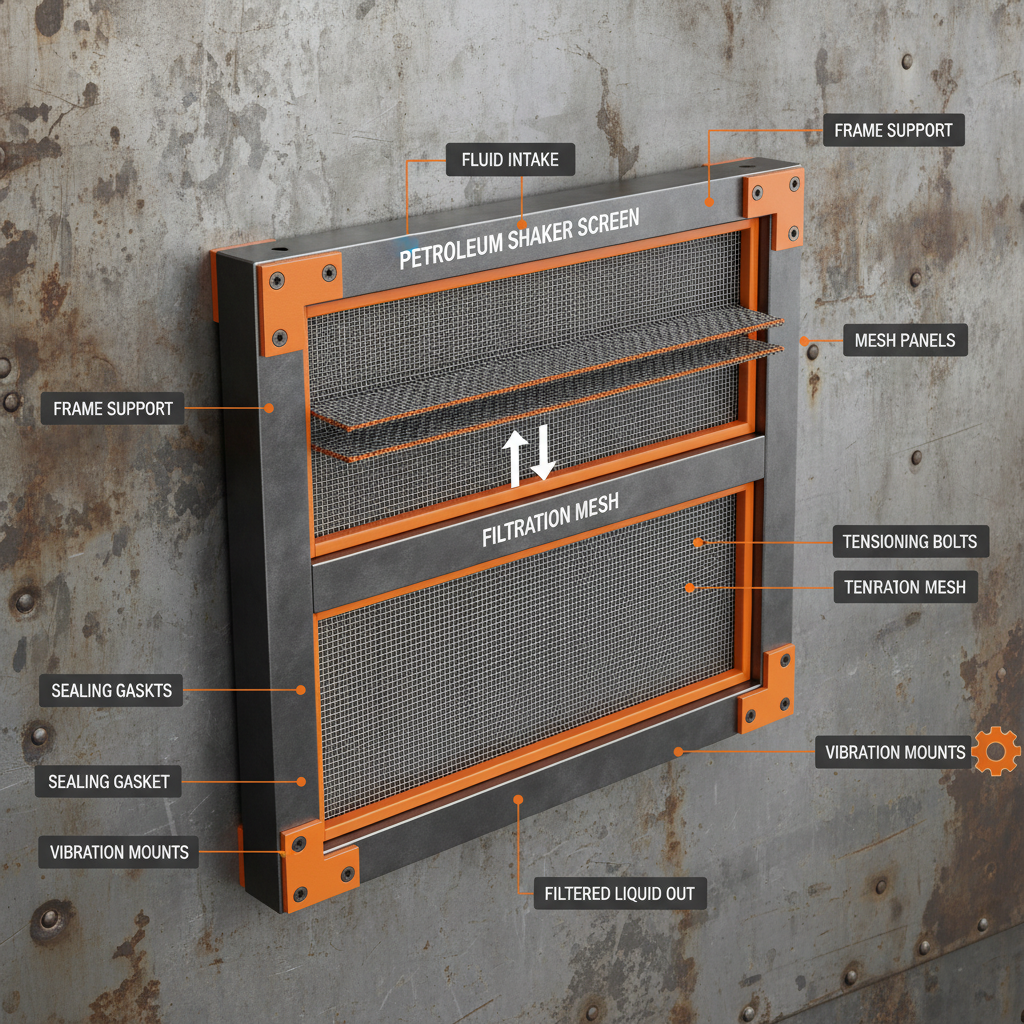
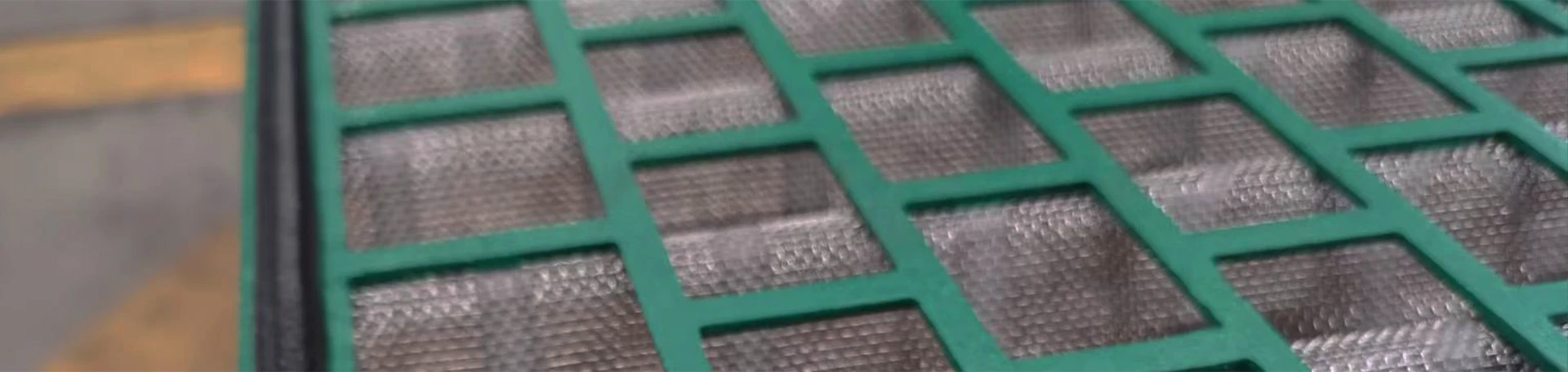
Simply put, a Brandt shaker screen is a replacement or upgrade part for solids control shakers—vibrating devices that filter out cuttings or solids from drilling mud or other fluids. Making these screens custom means they are built to specific specifications for screen mesh size, material, tension, and shape to maximize performance for a given application.
In more relatable terms: imagine a fine sieve tailored exactly to your unique recipe. In drilling and industrial processes, this “recipe” involves fluids laden with particles of different sizes, densities, and properties. Custom screens ensure greater separation accuracy, longer durability, and compatibility with machines, boosting productivity and reducing wasted fluids.
Key Factors Behind Effective Custom Brandt Shaker Screens
1. Durability and Material Quality
Longevity is everything, especially on harsh drilling sites. Engineers often choose stainless steel or proprietary alloys resistant to corrosion, abrasion, and impact. Better materials mean fewer screen replacements, less downtime, and lower costs.
2. Screen Mesh Design and Precision
The aperture size defines what particles pass and what get retained. Customizing mesh size helps achieve optimal cut points—balancing between fluid clarity and solids capture. This precision supports fluid recycling, conserving resources, and meeting environmental standards.
3. Compatibility and Tensioning Systems
Each shaker model may require different screen frame sizes and tension mechanisms. A proper fit ensures screens remain taut without sagging during operation, which is key to effective solids removal and safety.
4. Scalability & Lead Time
Turnaround time matters. Many operators need quick delivery of custom screens to minimize rig downtime. Vendors offering scalable manufacturing and reliable stock management help keep projects on schedule.
Product Specification Table: Sample Brandt Shaker Screen Features
| Feature | Description | Typical Value |
|---|---|---|
| Material | Stainless Steel Wire Mesh | Type 304 or 316 |
| Mesh Size | Wire Diameter & Aperture Size | API 40 to API 325 |
| Frame Type | Flat, Pretension, or Hookstrip | Varies by Machine |
| Tensioning Method | Wedge Lock or Bolt-on | Custom Fit |
| Expected Lifespan | Depends on Application | 200-500 Operating Hours |
Global Applications and Real-World Use Cases
Custom Brandt shaker screens are universally vital but shine brightest across diverse scenarios:
- Oil & Gas Fields: From the Permian Basin in the US to the Caspian Sea region, operators use custom screens to handle varying rock formations and fluid chemistries.
- Mining Operations: In Australia and South America, mineral extraction benefits from screens designed for abrasive slurry separation.
- Environmental Remediation Projects: Shaker screens help clean drilling fluids that might otherwise contaminate groundwater or soil.
- Disaster Relief Drilling: Post-tsunami or earthquake zones employ reliable shaker screens to keep drilling aids clean and effective, even under tough logistics.
For example, a Canadian mining consortium recently reported a 15% increase in solids capture and 10% less fluid waste after switching to a custom-designed Brandt screen tailored to their unique ore consistency. It’s an excellent illustration of customization’s tangible benefits.
Vendor Comparison: Custom Brandt Shaker Screen Providers
| Vendor | Materials | Customization Options | Lead Time | Warranty | Price Range |
|---|---|---|---|---|---|
| SolidControl Part Co. | 304/316 Stainless Steel | Full Mesh & Frame Customization | 1-2 Weeks | 12 Months | $$ |
| Global Shaker Screens Ltd. | Specialty Alloy Options | Partial Mesh Sizes | 2-3 Weeks | 6 Months | $$$ |
| RapidFit Screens Inc. | Standard 304 Stainless | Limited Frame Options | 3-5 Days | None | $ |
Advantages & Long-Term Value of Custom Brandt Shaker Screens
There’s more here than just keeping rigs running:
- Cost Savings: Less downtime and fewer damaged parts mean lower operating expenses.
- Sustainability: Improved fluid recycling reduces environmental impact and waste disposal costs.
- Operational Safety: Reliable solids control prevents hazardous failures and keeps personnel safer.
- Innovation and Trust: Custom solutions build confidence in engineering teams and stakeholders alike.
It feels like engineers often spot these benefits firsthand—many tell me the simplicity of changing a damaged screen for a tailored replacement is a small operation that yields significant returns.
Future Trends & Innovations in Custom Brandt Shaker Screens
Looking ahead, digital transformation sparks new possibilities. Imagine IoT-enabled shaker screens monitoring wear and particle flow in real time. Materials science also advances with corrosion-resistant composites and eco-friendly alloys becoming more common. Sustainability remains a big driver, pushing manufacturers to optimize screens that minimize energy use and extend service lives. Automation and AI could soon refine how custom screens are designed, reducing lead times and waste.
Challenges & Solutions
Like any tech, custom Brandt shaker screens face hurdles:
- Lead Time Delays: Custom orders can slow production.
- Compatibility Issues: Mismatched screens cause performance gaps.
- Cost Pressures: Niche customizations can be pricier upfront.
However, these are increasingly overcome by modular designs, improved vendor communication, and bulk manufacturing partnerships. Many companies invest in predictive analytics to order just-in-time replacement screens, reducing stockpile costs without risking downtime.
FAQ: Common Questions About Custom Brandt Shaker Screens
- What makes custom Brandt shaker screens better than standard ones?
- Custom screens are tailored for your specific shaker model, mesh size, and material needs. This customization ensures better solids control efficiency, longer lifespan, and compatibility with your equipment, reducing downtime and operational costs.
- How long do custom shaker screens typically last in the field?
- Longevity depends on drilling conditions and materials used but averages between 200 to 500 hours of operation. Custom screens designed with durable alloys and correct mesh sizing often last longer than standard off-the-shelf options.
- Are custom Brandt shaker screens more expensive?
- Initial costs can be higher due to specialized materials and manufacturing. However, better performance and fewer replacements usually lead to lower total cost of ownership over time.
- Can I order custom screens internationally?
- Yes. Vendors like SolidControl Part Co. specialize in international shipping and customs compliance to ensure smooth global delivery.
- How long does it take to get a custom order?
- Lead times vary by vendor and complexity but typically range from a few days to two weeks. Planning ahead helps avoid costly delays.
Conclusion: Why Embrace Custom Brandt Shaker Screens?
Beyond the obvious technical advantages, custom Brandt shaker screens represent a smart investment in operational efficiency, environmental stewardship, and economic value. They enable drilling and process industries worldwide to meet increasing demands—not just today, but sustainably into the future. If your project demands optimized, durable solids control, customizing your screens is a no-brainer.
For comprehensive solutions and expert advice, visit our website and explore how tailored Brandt shaker screens can elevate your operations.
Reflecting on my experience working alongside drilling engineers and suppliers, the importance of a well-constructed shaker screen is quite clear. It’s often the quiet hero in a noisy, complex process where margins and safety count.