Understanding ODM Shale Shaker Screen Mesh: Key to Efficient Solids Control
The world’s ever-growing appetite for energy and resources keeps pushing the limits of drilling technology. One unsung hero in this intricate process is the odm shale shaker screen mesh, a critical component responsible for separating solids from drilling fluids. Why does it matter? Well, efficient solids control means smoother drilling operations, reduced equipment wear, and a cleaner environment—globally significant given the scale of energy extraction today. This article dives deep into this niche yet vital product, exploring its nuances, global impact, and the future of drilling optimization.
Introduction: Global Relevance of ODM Shale Shaker Screen Mesh
Drilling rigs worldwide rely heavily on efficient solids separation to maintain productivity and reduce costs. According to the International Energy Agency (IEA), around 10 million barrels of oil are produced daily worldwide, all requiring complex drilling fluids and separation systems. The odm shale shaker screen mesh plays a pivotal role here, acting as the first defense line in removing solids during drilling. But challenges arise—erosion, clogging, and wear degrade the mesh quickly, causing operational delays and environmental risks.
Oddly enough, despite its critical importance, not many outside industrial circles fully grasp what this mesh does or how essential it is to sustainable drilling practices. That gap in understanding often slows innovation or adoption of better, customized screens.
Defining ODM Shale Shaker Screen Mesh
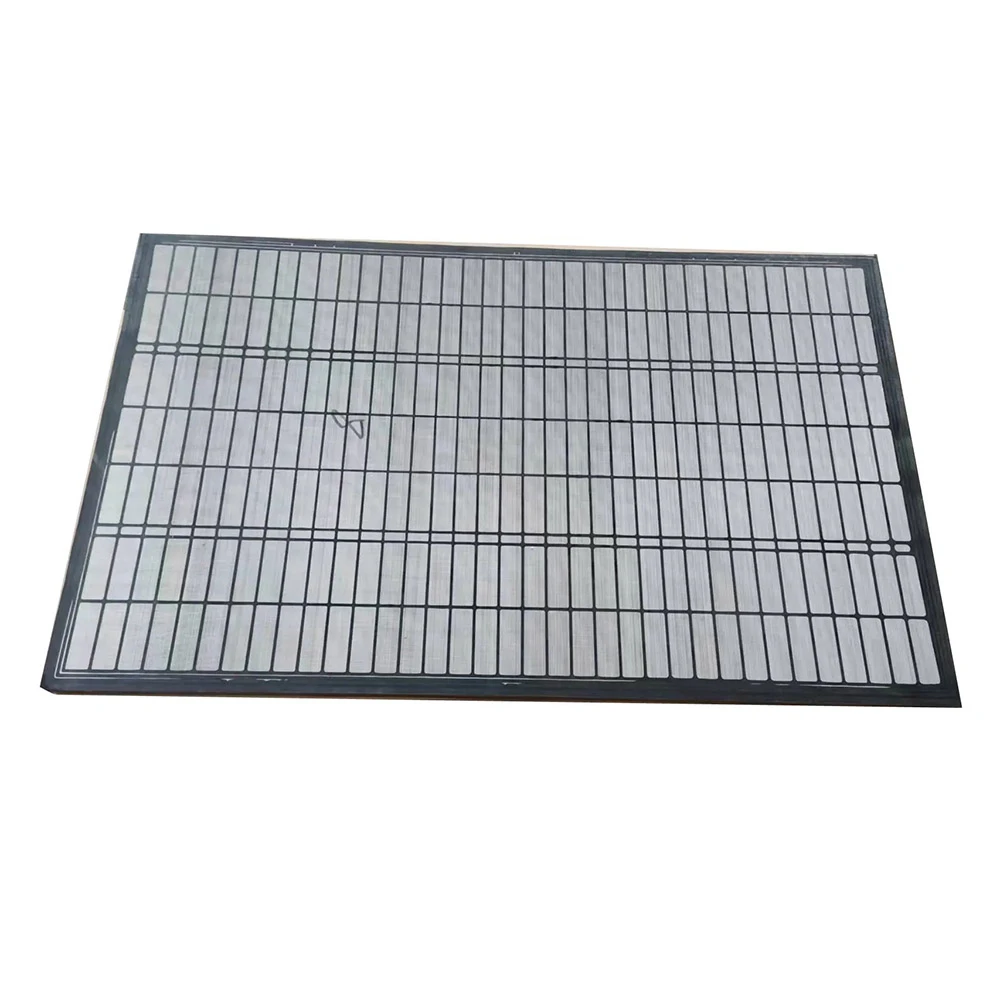
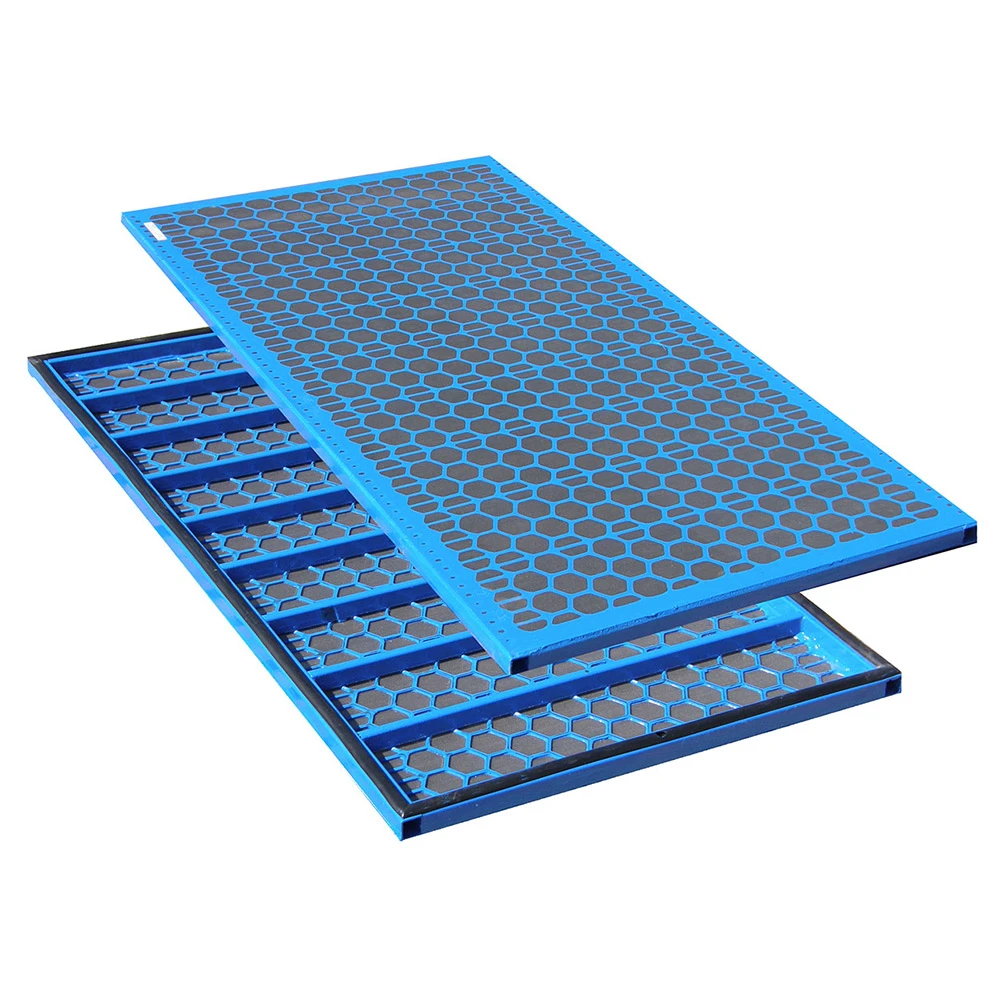
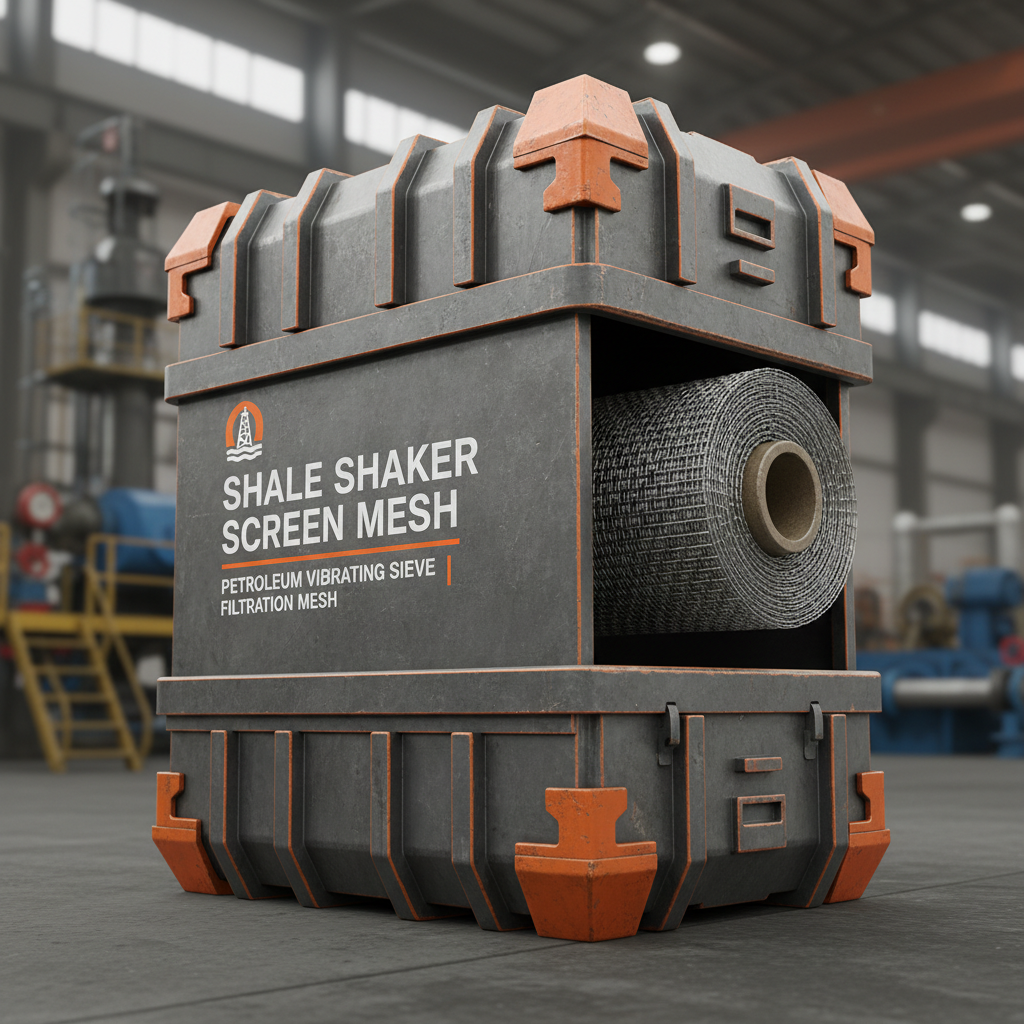
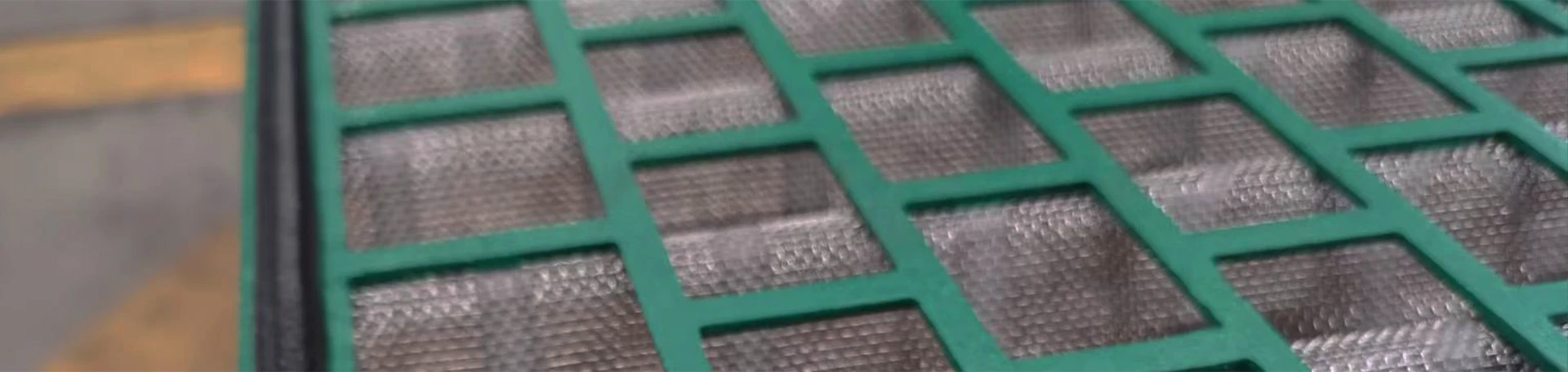
So, what exactly is an odm shale shaker screen mesh? In simple terms, it’s a specialized woven metal mesh mounted on shale shakers—machines used to filter and separate rock cuttings and particles from drilling fluids during oil and gas exploration, and increasingly in mining and geothermal applications.
“ODM” here stands for Original Design Manufacturer, meaning these meshes can be custom-designed to fit specific shaker models, drilling conditions, or client requirements, rather than generic or off-the-shelf parts. This flexibility enhances durability, screening efficiency, and operational reliability.
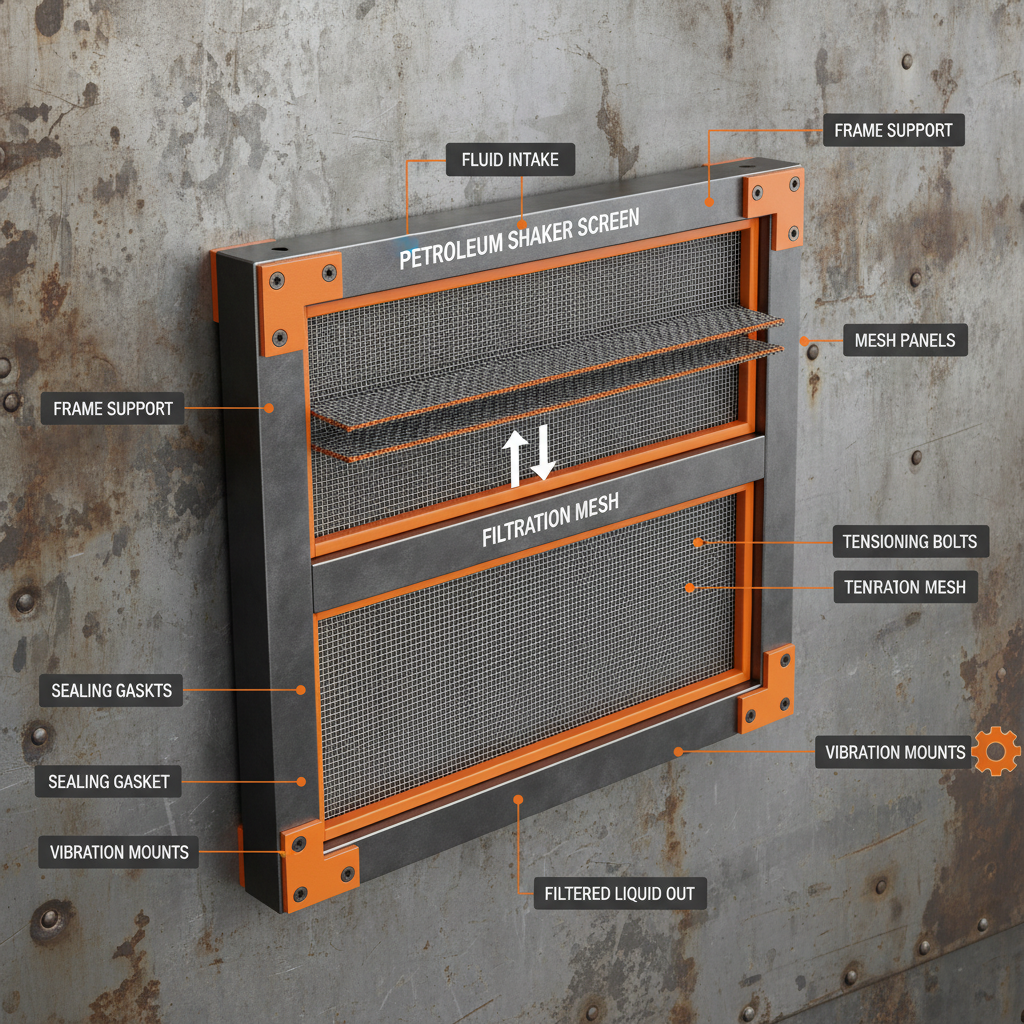
Core Components and Key Factors
1. Durability & Material Quality
These screens are typically made from stainless steel wire mesh, sometimes coated for extra corrosion resistance. Durability affects life span and operational cost; a poorly built screen means frequent replacements and downtime.
2. Mesh Size and Aperture Precision
The mesh’s aperture controls what size particles are filtered out; smaller apertures catch finer solids but risk clogging. Choosing the right mesh size is a balance between efficiency and throughput.
3. Frame Design and Fit
The frame on which the mesh is mounted must perfectly fit the shale shaker for optimal tension and performance. Customized ODM screens allow fine-tuning of frame dimensions to avoid leaks or vibration damage.
4. Scalability and Customization
Different drilling projects require varying capacities of solids removal. ODM manufacturers offer scalable designs catering to small test rigs all the way to massive industrial shakers, a crucial factor in diverse application demands.
Typical Product Specifications of ODM Shale Shaker Screen Mesh
| Specification | Detail |
|---|---|
| Material | 304/316 Stainless Steel |
| Mesh Size | API 20 to API 325 (varies by model) |
| Aperture Size | 45 to 850 microns |
| Frame Type | Aluminum, Steel, or Composite |
| Compatibility | Fits major shaker brands (Brand A, B, C) |
Global Applications and Use Cases
From the oilfields in the Middle East and North Sea to mining operations in Australia and geothermal plants in Iceland, odm shale shaker screen mesh is everywhere—literally beneath the surface, making a tangible difference.
For instance, in post-disaster relief operations where rapid drilling for water wells is vital, reliable solids control ensures cleaner water supplies and safer extraction conditions. Remote industrial zones in Russia or Canada also depend on customized screens built to withstand extreme temperatures and abrasive materials. To explore related products, visit odm shale shaker screen mesh.
Comparing Key ODM Shale Shaker Screen Mesh Vendors
| Vendor | Material Quality | Customization | Lead Time | Price Range |
|---|---|---|---|---|
| SolidControlPart | 316 Stainless Steel, corrosion-resistant | Full ODM customization available | 2-3 weeks | $$$ |
| Vendor B | 304 Stainless Steel | Limited mesh customization | 4-6 weeks | $$ |
| Vendor C | Coated Steel Wire | Standard sizes only | 1-2 weeks | $ |
Advantages and Long-Term Value
Clearly, investing in quality ODM shale shaker screen mesh is more than buying a part; it’s about securing operational efficiency and environmental responsibility. High-grade mesh reduces chemical usage and fluid waste, saving money and lowering the drilling footprint. There’s also safety—removing harmful solids reliably protects workers and machinery, supporting trust and innovation in drilling projects.
Future Trends and Innovations
Looking ahead, the ODM shale shaker screen mesh landscape is ripe with innovation. New composite materials promise even greater abrasion resistance and lighter weight. Integration with smart sensors could allow real-time wear monitoring, reducing unplanned downtime. Also, sustainability efforts are pushing manufacturers toward recyclable materials and greener production processes. Automation and AI might optimize mesh deployment—engineers are already exploring these possibilities.
Challenges and Solutions
Of course, it’s not all smooth drilling. Issues like mesh clogging, wear under harsh conditions, and compatibility concerns still pose challenges. But many manufacturers now offer modular panels or layered meshes to alleviate blinding and ease cleaning. Customized ODM designs help address fitting problems. Plus, proper training in handling and maintenance cuts premature failures. Frankly, iterative improvements and open supplier-client communication remain the frontline solutions.
FAQ: Common Questions About ODM Shale Shaker Screen Mesh
- Q: How do I choose the right mesh size for my drilling needs?
A: Consider the particle size in your drilling fluid and desired separation efficiency. Smaller apertures trap finer solids but may clog faster. Consulting with your OEM or ODM provider often helps find the balanced option for your operation. - Q: What is the typical lifespan of ODM shale shaker screen mesh?
A: Lifespan depends on material quality, drilling conditions, and maintenance. High-quality stainless steel screens can last several months under normal use, but abrasive environments shorten this significantly. - Q: Can customized ODM screens significantly reduce operational downtime?
A: Yes, tailored designs improve fit and durability, reducing wear-related failures and making maintenance more straightforward—ultimately saving costs and downtime. - Q: Are these meshes compatible globally or require special export certifications?
A: ODM meshes can usually be customized for international standards. Export certifications depend on your country’s regulations, but major suppliers handle compliance effectively. - Q: How do I maintain the screen mesh to prolong its life?
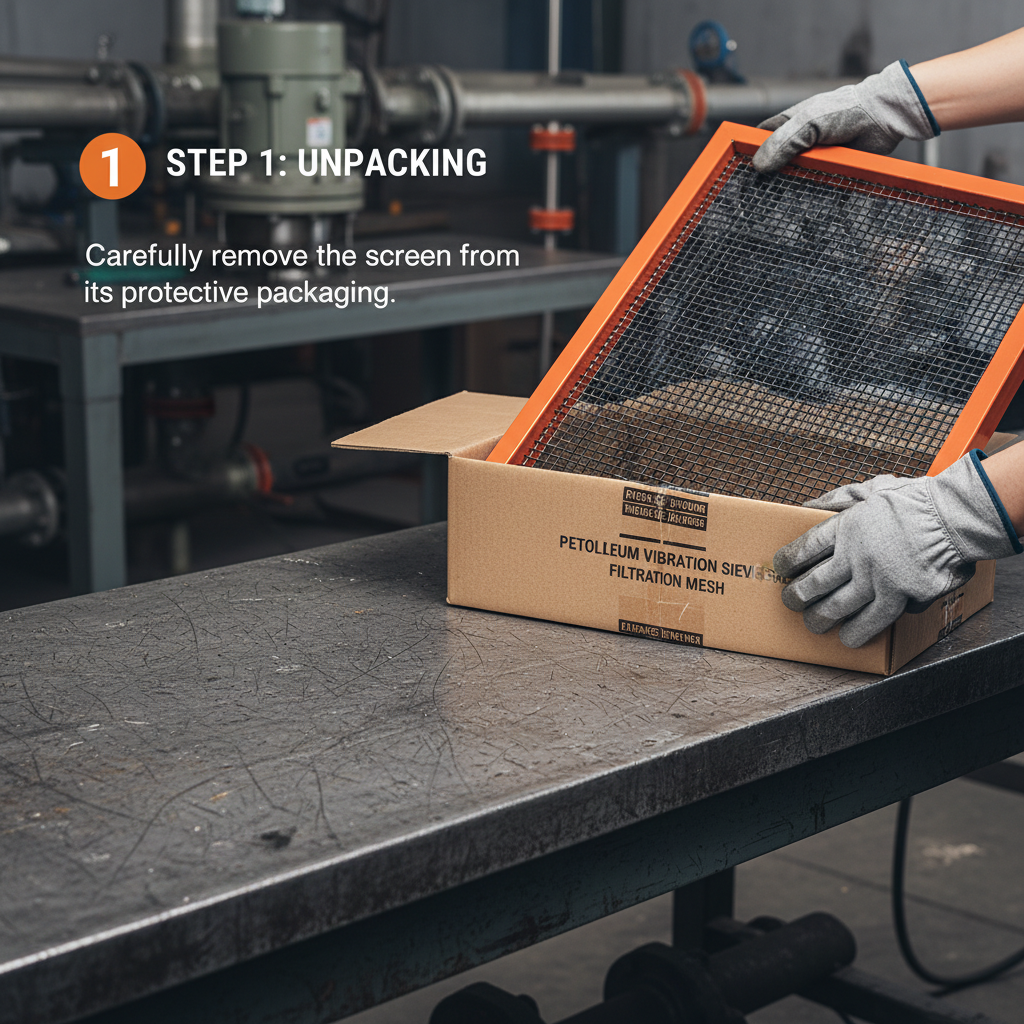
A: Regular inspection, gentle cleaning with appropriate tools, and avoiding exposure to corrosive chemicals help. Always follow manufacturer guidelines.
Conclusion + Call to Action
To wrap it up, the odm shale shaker screen mesh might not be the flashiest part of drilling, but it’s undeniably foundational for efficient, sustainable, and cost-effective operations worldwide. Choosing the right ODM supplier and understanding your needs can unlock better performance and lasting value. Curious to explore more? Check out our ODM shale shaker screen mesh range for tailored solutions.
Mini takeaway: Customizable ODM shale shaker screens blend material science with practical needs, driving the next wave of drilling efficiency globally.
References