Cheap Shale Shaker Screen: Practical Choices for Cost-Conscious Ops
Having spent over a decade in the industrial equipment trenches, particularly around drilling rigs and solid control, I’ve learned there’s a fine balance between cost and quality—especially when it comes to critical parts like shale shaker screens. You might have heard the phrase “buy cheap, buy twice,” and it sort of applies here, too, but honestly, for many operations, a cheap shale shaker screen can fit the bill just fine—provided you know what you’re getting into.
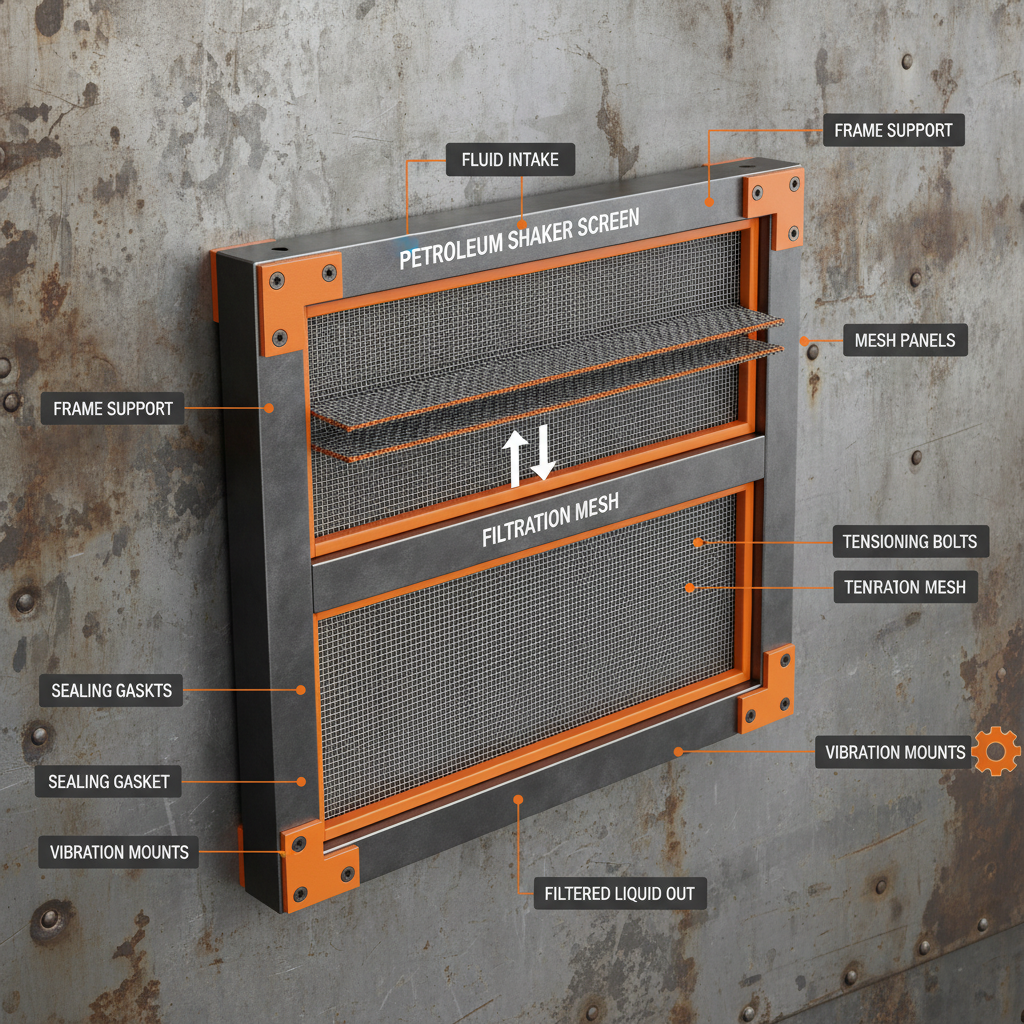
First off, shale shaker screens are the frontline soldiers in solids control. Their job? To separate rock cuttings and debris from drilling fluid efficiently. It’s an intense gig, and frankly, durability and mesh design matter more than you might realize if you want to avoid downtime. But hey, not all budgets allow premium screens with exotic wire meshes or patented locking systems.
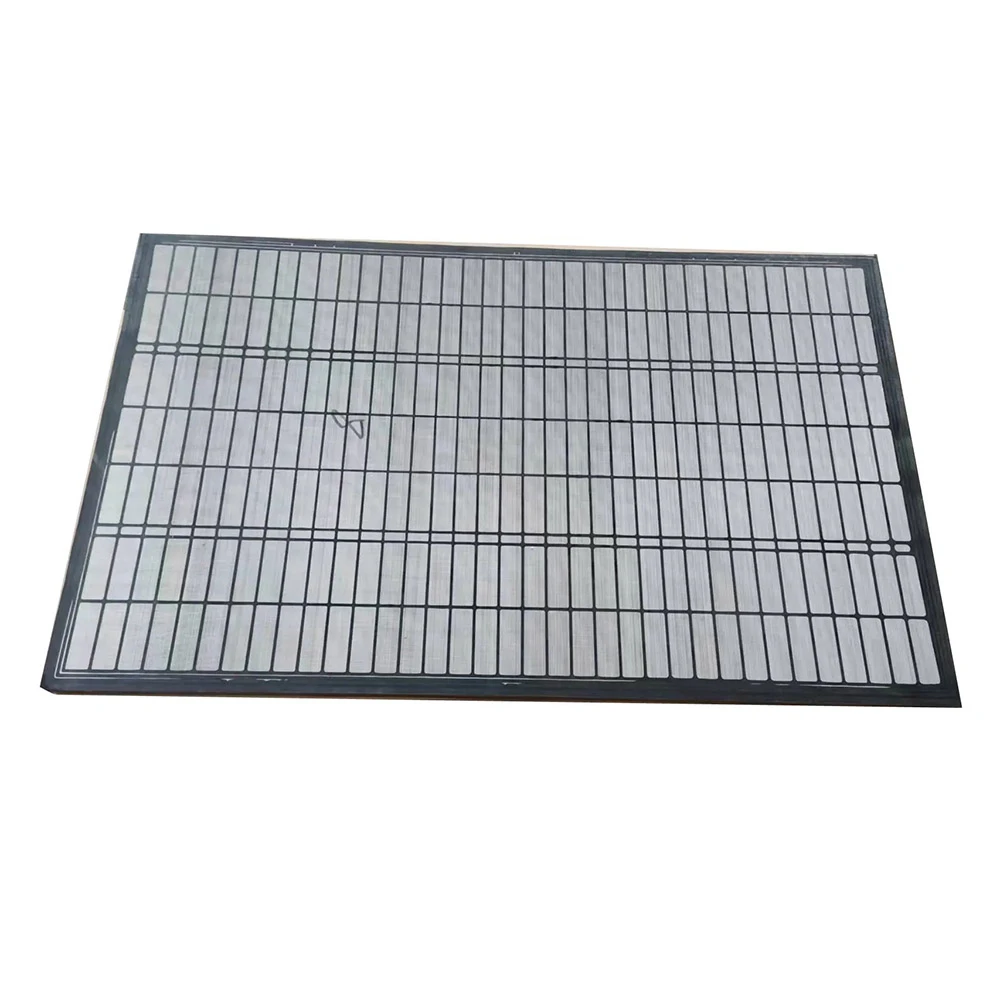
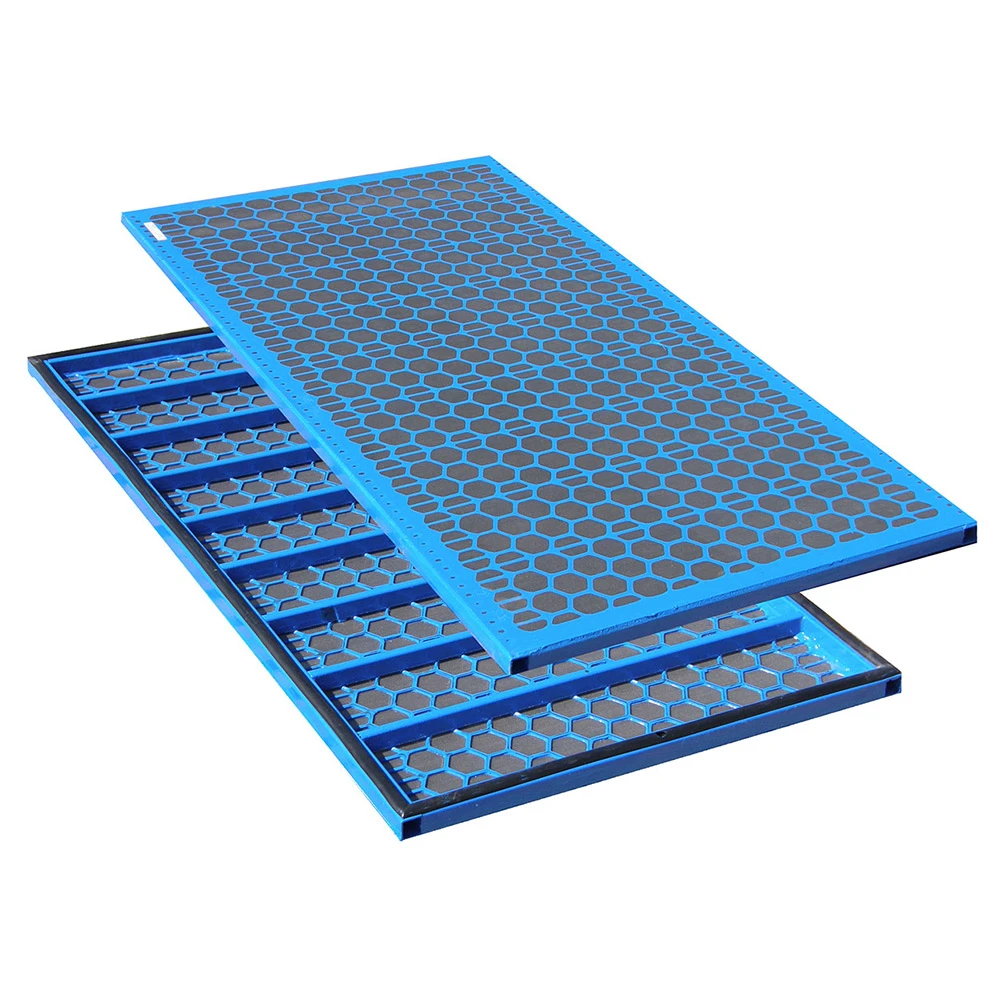
Cheap screens—usually made with standard stainless steel wire mesh and basic frame materials—can still do a respectable job. I’ve seen operators in smaller, tight-margin rigs opt for these because they can swap screens out quickly without breaking the bank. The trick is in matching the screen specs to the task at hand and maintaining them well. You know, cleaning the screens regularly and watching for wear.
Oddly enough, I recall a client in the Marcellus Shale who switched mid-season to a less expensive supplier. Initially wary, they were surprised to find that performance didn’t dip much—thanks in part to regular monitoring and timely replacements. It wasn’t a win-win forever, but for their short drilling window, it made sense economically.
Key Specs of a Typical Cheap Shale Shaker Screen
| Specification | Details |
|---|---|
| Mesh Material | 304 Stainless Steel Wire |
| Panel Frame | Mild Steel with Powder Coating |
| Mesh Count Options | 20, 40, 60, 80 Mesh |
| Tensile Strength | > 120 N/mm² |
| Expected Lifespan | 3-6 Months (depending on use) |
| Dimensions | Customized Up to 600x1200mm |
Now, it’s important to note that these “cheap” screens aren’t necessarily from unknown vendors. In fact, I’ve worked with several suppliers who offer budget-friendly screens with respectable quality control standards and customer service. Below is a quick vendor comparison off the top of my head, reflecting some options I’ve interacted with over the years.
| Vendor | Price Range | Quality | Lead Time | Customization |
|---|---|---|---|---|
| SolidControlPart | Low | Good (304 SS mesh) | 2-3 weeks | Available |
| BasicScreenCo | Low-Mid | Fair | 3-4 weeks | Limited |
| PremiumMesh | High | Excellent (316 SS, HMW wire) | 4-6 weeks | Extensive |
In real terms, choosing a cheap shale shaker screen is a bit like picking shoes for a long hike; they don’t need to have all the bells and whistles but must not fail on the trail. If your drilling environment isn’t too aggressive—and you maintain the screens strategically—you can save some serious costs. Just don’t cut corners on regularly inspecting the panels or you’ll end up with headaches from clogged screens or damaged equipment.
Customization is another angle worth mentioning. Many vendors offer cut-to-size screens or different mesh counts to suit your particular rig’s shaker model. I’ve seen operators appreciate having that quick turnaround option, especially in fast-moving drilling campaigns.
Bottom line? If you need a budget-friendly, no-frills cheap shale shaker screen that’s reliable enough for typical drilling jobs, it’s out there—and it might be just what your operation needs without stretching your budget thin. Of course, monitor performance, and don’t hesitate to upgrade if you notice serious wear or fluid loss.
Reflecting back, it’s the small details—mesh tightness, frame fit, and proper maintenance—that keep these budget-friendly screens running longer than expected. So, a little TLC goes a long way.
Stay sharp out there—and consider your cost-per-day, not just sticker price.
References:
- Industry standards for shale shaker screen materials – Oilfield Tech Journal, 2022.
- Client case study, Marcellus Shale drill site, 2019.
- Supplier catalogs and testing data, 2020-2023.