Why You Should buy shaker screen with Confidence
If you've spent any time in the oilfield or industrial equipment arena, you know that shaker screens aren’t just any old filters. They’re the unsung heroes—literally standing between valuable drilling fluids and costly downtime. Frankly, after more than a decade working directly with solids control systems, I find shaker screens fascinating in how such a seemingly simple piece of equipment can make or break operations.
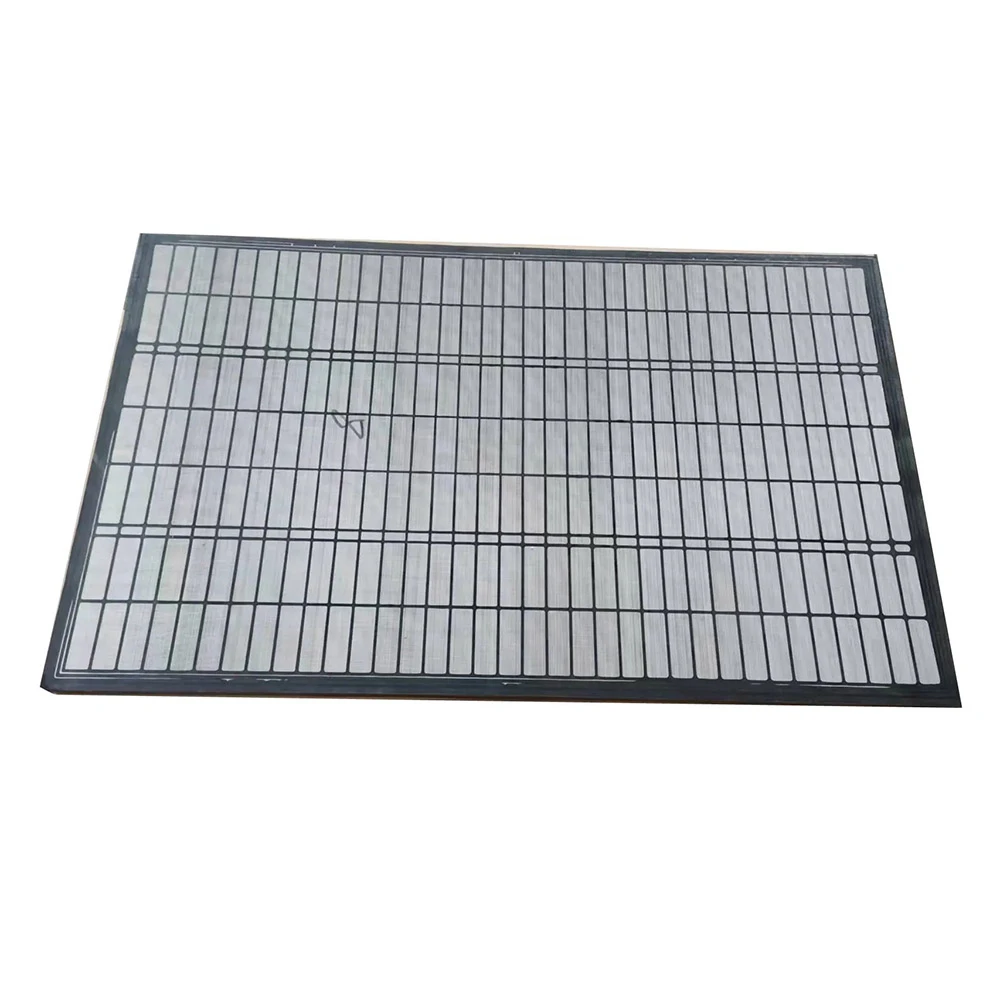
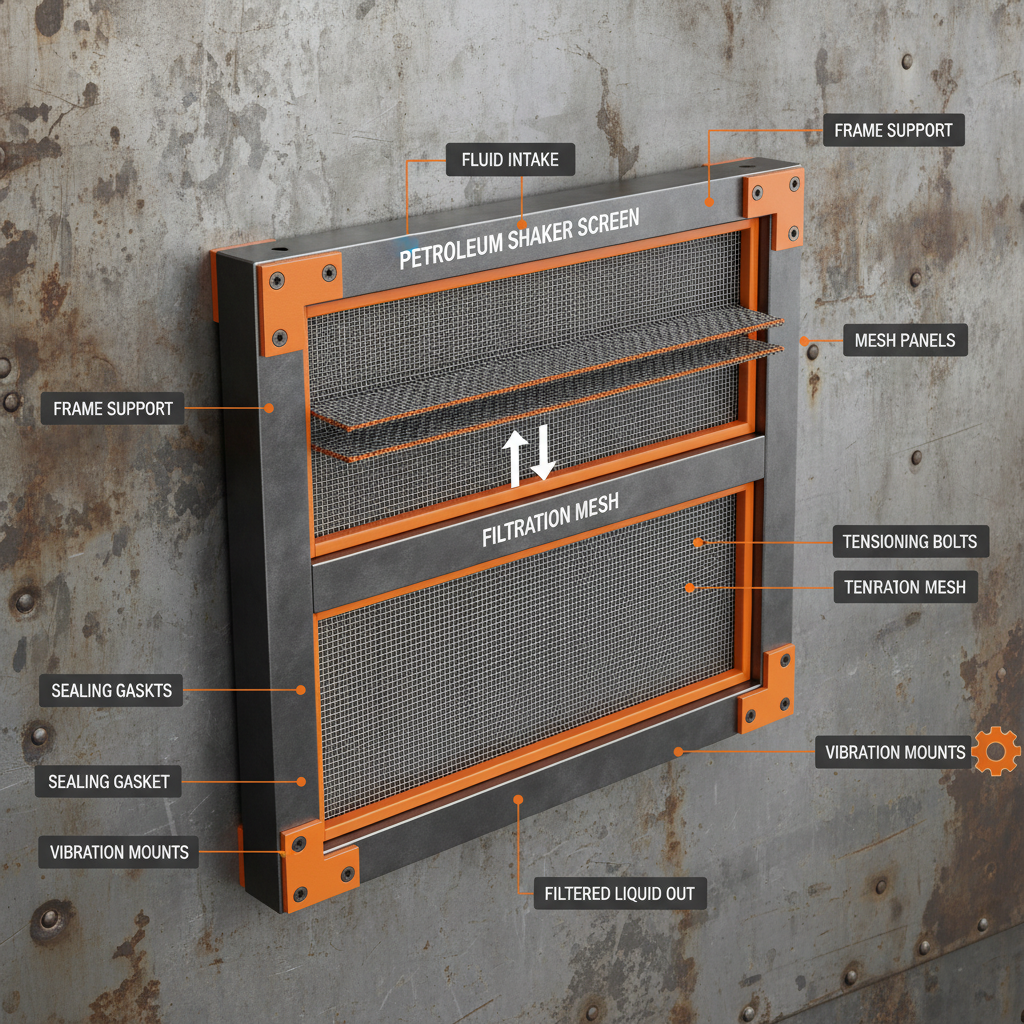
Shaker screens are designed to remove cuttings and contaminants from drilling fluids, preserving the fluid’s properties and ensuring the drill bit can perform optimally. But I suppose the real trick lies in choosing the right screen—one that matches your shaker model, is durable enough for harsh industrial use, and doesn't clog under pressure. Oddly enough, sourcing quality shaker screens often feels like navigating a maze, given the wide array of materials, mesh sizes, and vendors.
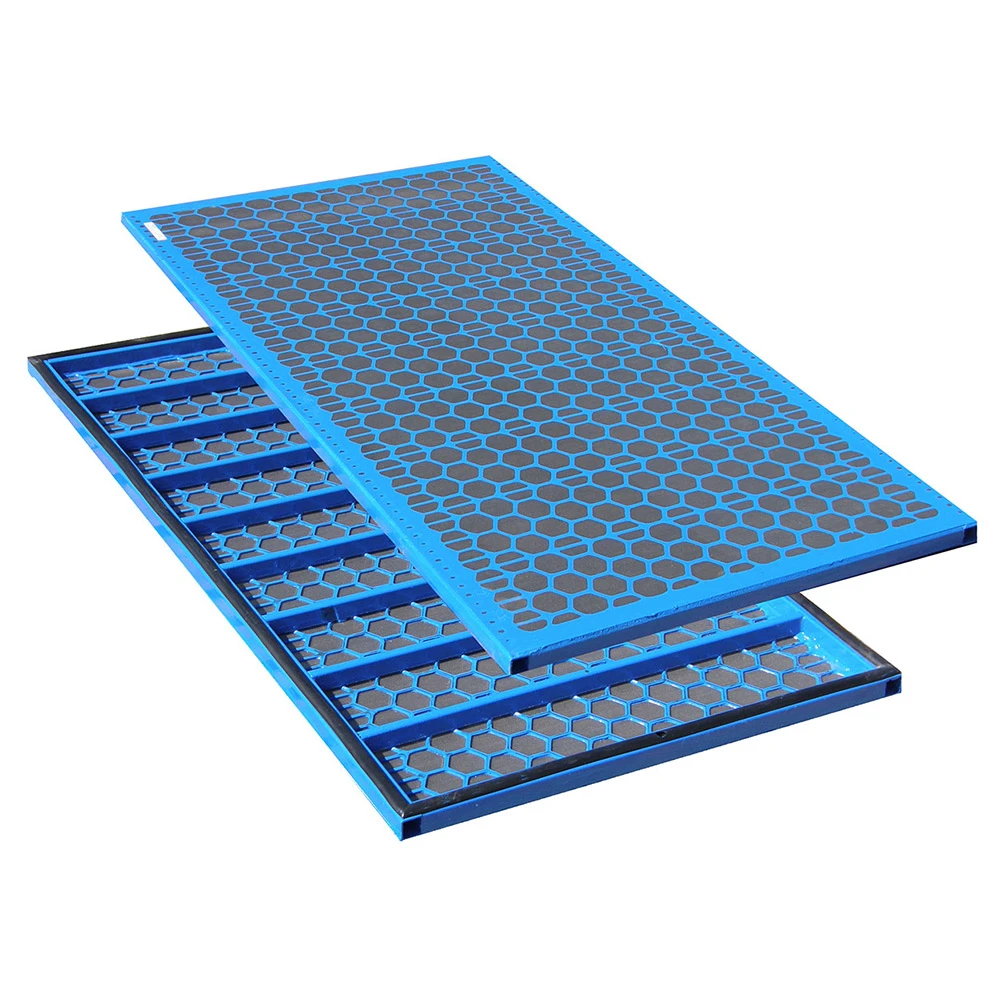
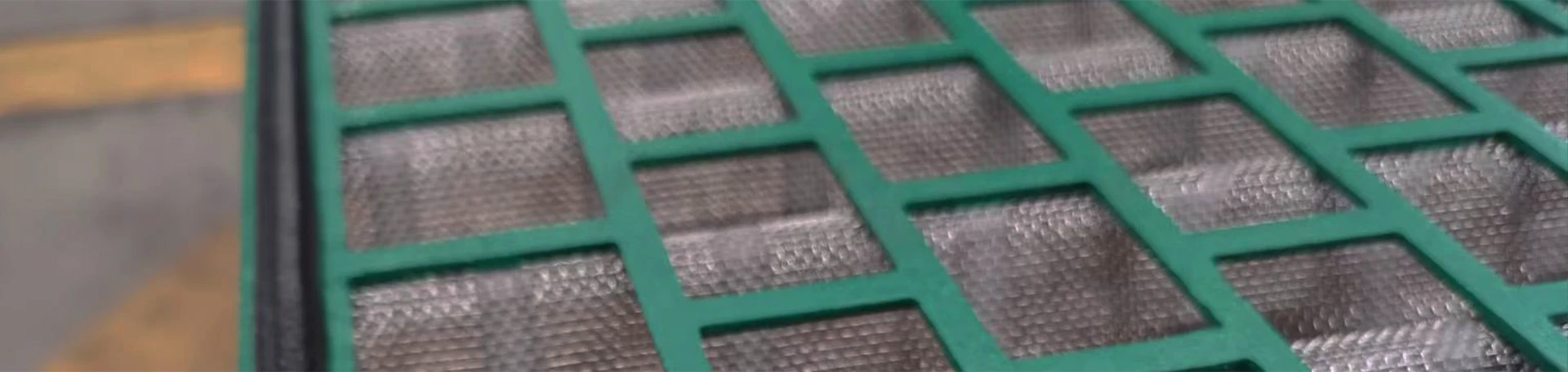
In real terms, the typical material you'll find in shaker screens is either high-tensile stainless steel wire mesh or synthetic polymer screens. Stainless steel is preferred for its resistance to wear and corrosion, sometimes coupled with a support frame that boosts strength. Some screens come with multi-layer designs to improve separation performance, increasing durability and efficiency. I noticed that multi-layered screens, while pricier upfront, usually pay for themselves by lasting longer and maintaining throughput better.
One of my favorite stories comes from a project in West Texas, where a local operator switched to specialized shaker screens with reinforced frames after facing early screen tears from abrasive shale formations. They reported a 30% reduction in screen replacements over six months—a considerable cost saver when you factor in lost man-hours and rig downtime.
Customization is another aspect many underestimate. You might find your preferred vendor offers screen dimensions tailored to particular shaker models or mesh configurations optimized for specific drilling conditions. While off-the-shelf screens serve most needs, a custom-order can make a difference when dealing with unique environments or fluid types.
| Specification | Details |
|---|---|
| Material | Stainless steel wire mesh (304/316), reinforced frame |
| Mesh Size Range | 20 to 325 mesh (custom configurations available) |
| Layers | Single, double, or triple layer options |
| Frame Material | Steel, polymer composite, or aluminum alloy |
| Compatibility | Designed for API standard shakers or custom models |
Now, about vendors. The market has changed quite a bit with more players offering wide ranges of screens. Here’s a quick rundown of what typically differentiates three common suppliers I've worked with over the years:
| Feature | SolidControlPart | Vendor B | Vendor C |
|---|---|---|---|
| Price Range | $$ | $ | $$$ |
| Customization | High (mesh and frame options) | Medium (standard sizes only) | Low (limited offerings) |
| Delivery Time | 2–4 weeks | 1–2 weeks | 4–6 weeks |
| Warranty | 12 months | 6 months | 12 months |
| Customer Support | Responsive & knowledgeable | Basic support | Limited |
Honestly, if you’re looking to buy shaker screen, it pays to work with a supplier who really knows the nuances—someone who can help you pick the right mesh size, material, and frame before you spend thousands on replacements or downtime. It's something that often gets missed in the scramble to just get screens delivered quickly.
To wrap it up, buying shaker screens is part art and part science. Knowing a bit about materials, matching screens to shaker models, and trusting vendors with solid reputations can save headaches down the line. And trust me, in this business, scrimping on shaker screen quality almost always costs more in the long haul.
Enjoyed this? Keep an eye on your screens—they might be small, but they’re mighty.
References:
1. API Recommended Practice for Solids Control Shaker Screens
2. Industry case studies from US oilfields (2018–2023)
3. Manufacturer technical specs and warranties