Understanding Brandt Shaker Products and Their Applications
In the realm of solid control solutions for the oil and gas, water well drilling, and horizontal directional drilling industries, Brandt shaker products stand out as a critical component. These shale shakers are essential for efficiently separating solids from drilling fluids, optimizing drilling performance, and reducing costs. This article will explore the function, types, benefits, and considerations for selecting the right Brandt shaker to meet specific project demands. Choosing the right shaker is paramount for a successful and cost-effective drilling operation.
What is a Brandt Shaker and Why is it Important?
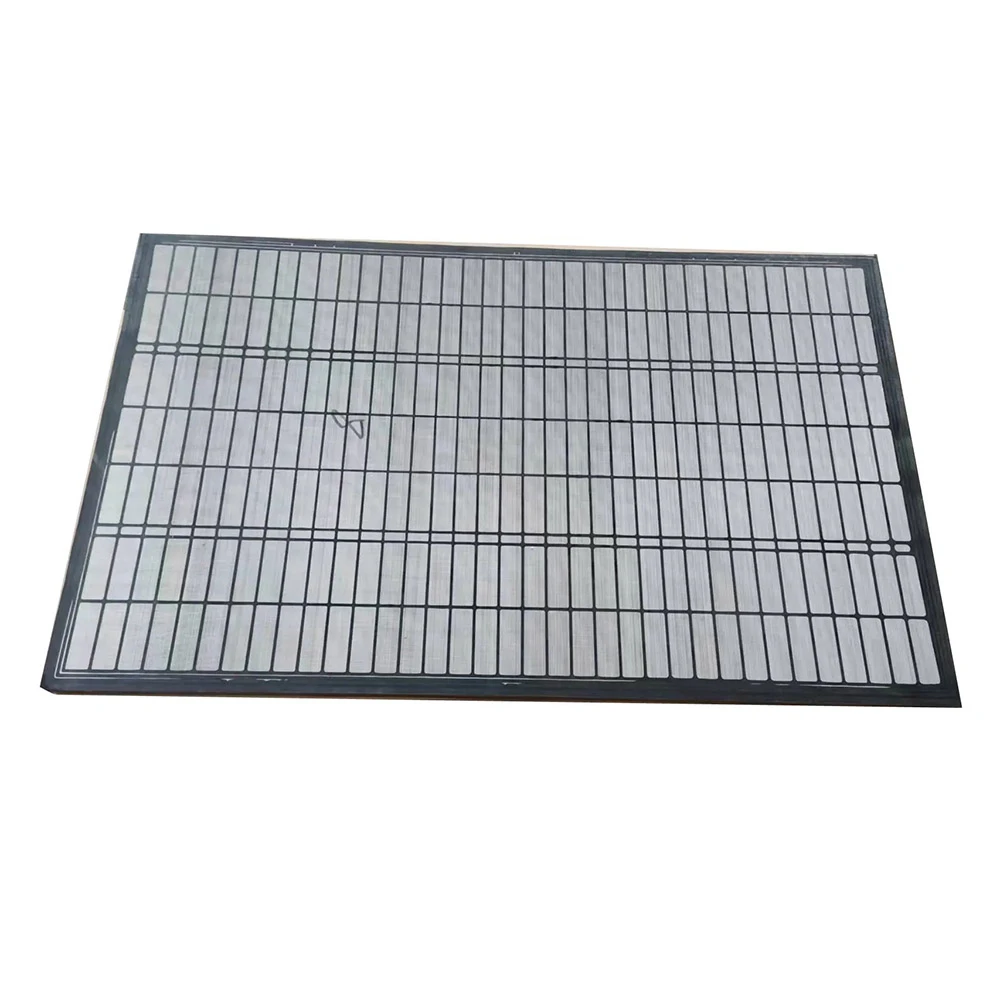
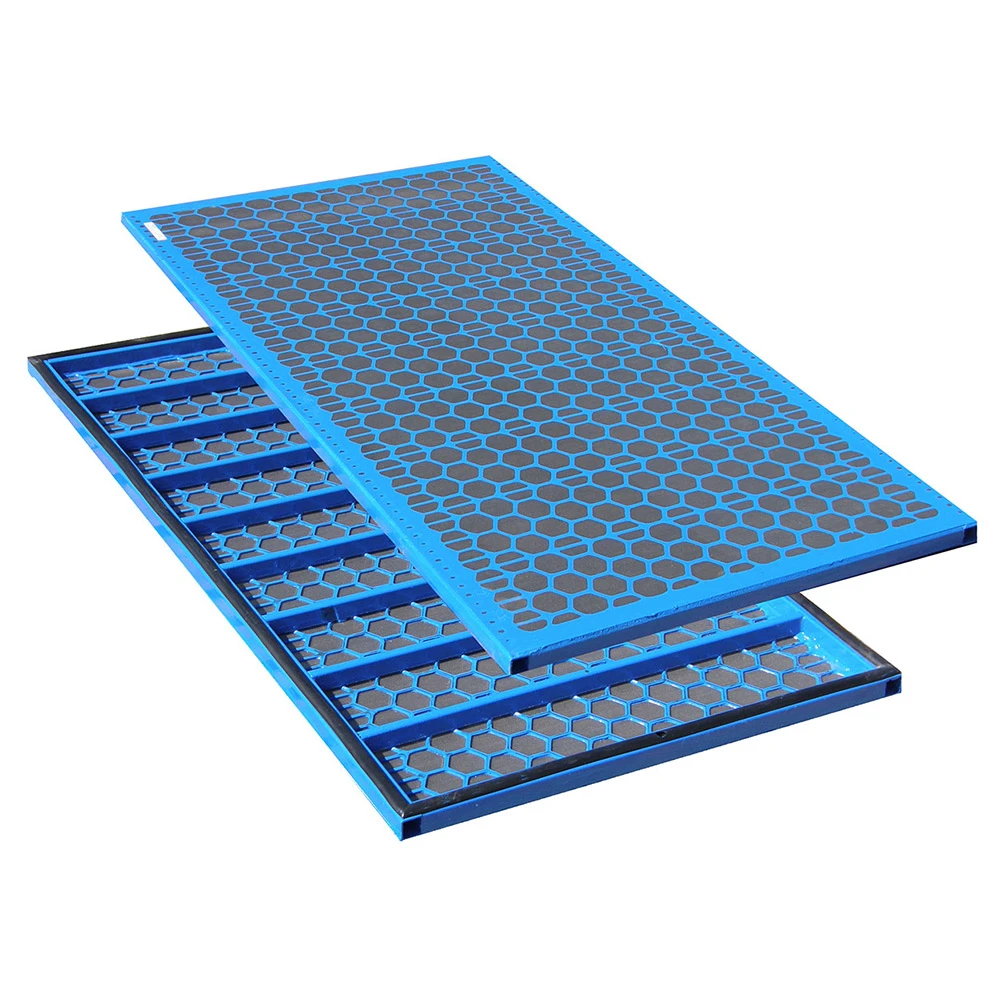
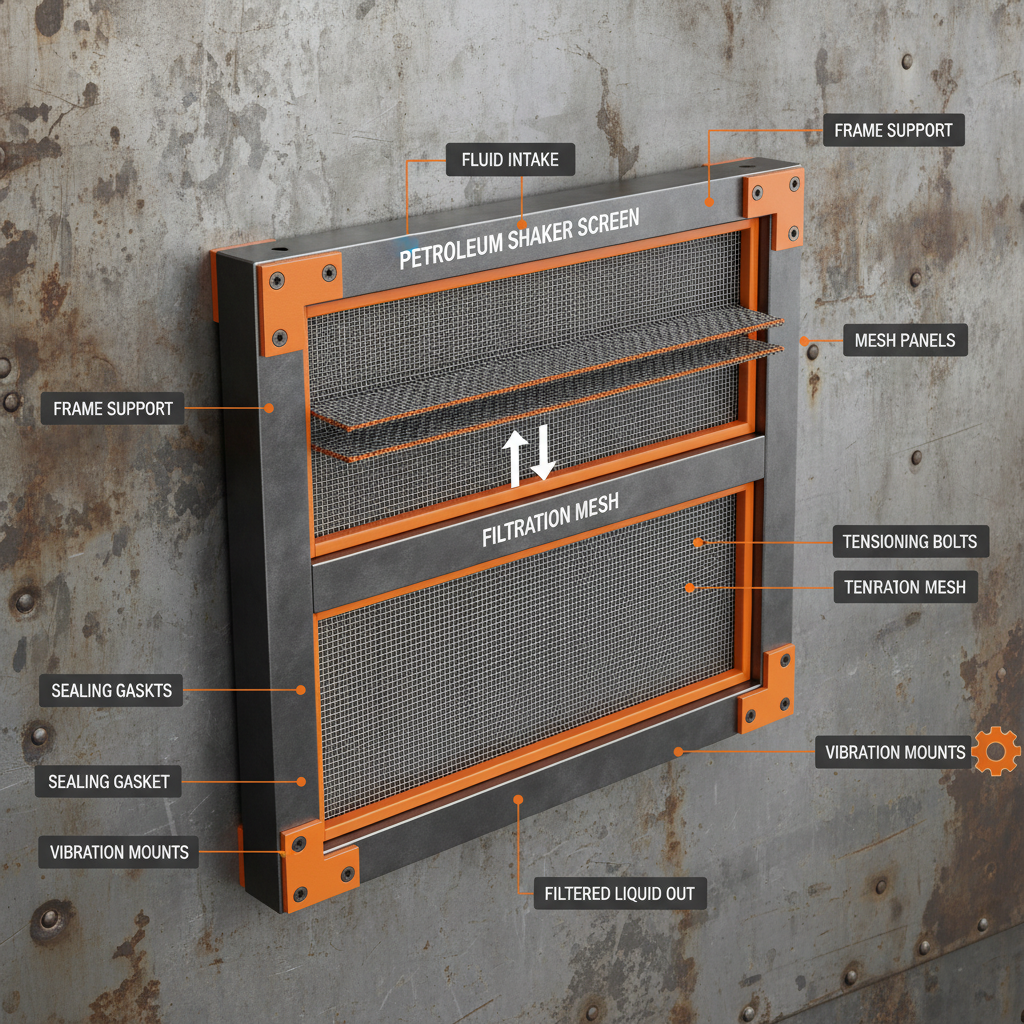
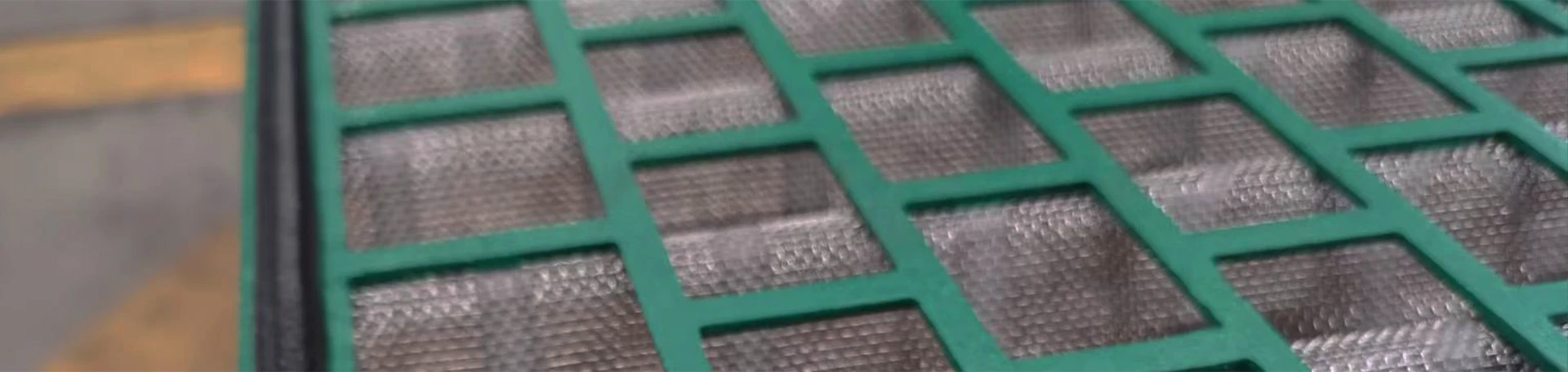
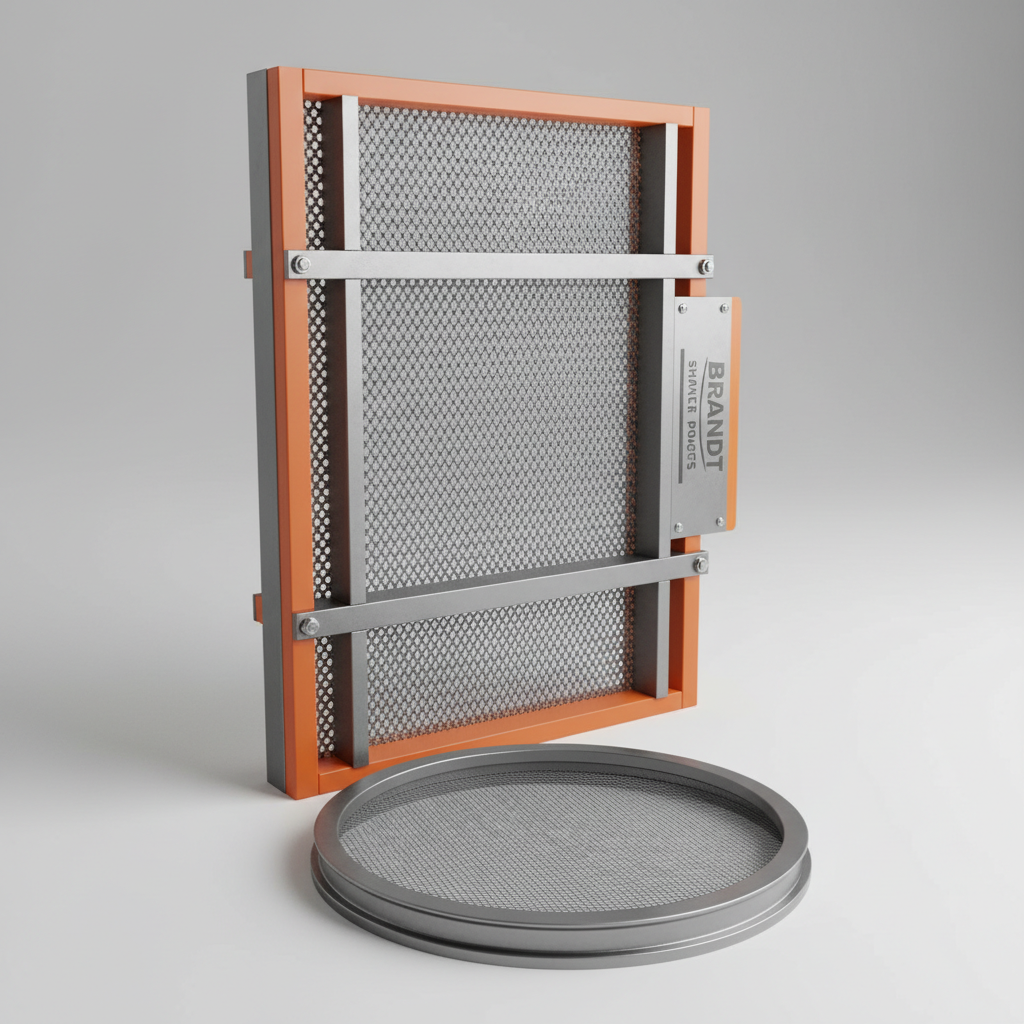
A Brandt shaker, also known as a shale shaker, is a vibrating screen used to remove drill cuttings and other solid particles from drilling mud. This process is crucial because clean drilling fluids are vital for lubrication, cooling the drill bit, and transporting cuttings to the surface. The efficiency of the shaker directly impacts drilling speed, reduces wear on equipment, and minimizes the need for expensive mud replacement. Without effective shale shaking, drilling operations would be significantly slower, less efficient, and more prone to costly downtime. Brandt has consistently been a leader in providing innovative and reliable shaker technology.
Key Benefit: Efficient solids removal translates to faster drilling, reduced costs, and improved wellbore stability.
Types of Brandt Shaker Products
Brandt offers a variety of shaker models designed for different drilling applications and capacities. Some common types include:
- Linear Motion Shakers: Employ a linear vibrating motion for efficient separation of solids.
- Elliptical Motion Shakers: Utilize an elliptical motion, providing a more aggressive separation for challenging solids.
- Dual-Motion Shakers: Combine linear and elliptical motions, offering a versatile solution for a wide range of drilling fluids.
- High-Capacity Shakers: Designed for demanding applications with high solids content.
The selection of the appropriate shaker type depends on factors such as drilling fluid properties, solids loading, and desired separation efficiency. Solid Control Parts can help determine the best fit for your needs.
Brandt Shaker Products: A Comparative Overview
Understanding the key differences between Brandt shaker models is essential for informed decision-making. Here's a comparison of three popular models:
Benefits of Utilizing Brandt Shaker Products
Investing in Brandt shaker products offers numerous advantages:
- Increased Drilling Efficiency: Cleaner drilling fluids lead to faster penetration rates.
- Reduced Costs: Minimizes mud replacement and reduces downtime.
- Enhanced Wellbore Stability: Proper solids control contributes to a more stable wellbore.
- Extended Equipment Life: Cleaner fluids reduce wear and tear on drilling equipment.
- Compliance with Environmental Regulations: Efficient solids handling helps meet environmental standards.
Factors to Consider When Selecting a Brandt Shaker
Before selecting a Brandt shaker, carefully consider the following:
- Drilling Fluid Type: Water-based, oil-based, or synthetic fluids require different shaker configurations.
- Solids Content: High solids content necessitates a shaker with greater capacity and separation efficiency.
- Flow Rate: Match the shaker's capacity to the expected fluid flow rate.
- Space Constraints: Consider the available space on the drill site.
- Maintenance Requirements: Assess the ease of maintenance and availability of spare parts.
Conclusion: Optimizing Drilling Performance with Brandt Shakers
Brandt shaker products are vital components for efficient and cost-effective drilling operations. By understanding the different types of shakers, their benefits, and key selection criteria, drilling professionals can optimize performance and minimize downtime. Investing in the right shaker is an investment in the success of your project.
Frequently Asked Questions (FAQs)
What is the typical lifespan of a Brandt shaker screen?
The lifespan of a Brandt shaker screen varies depending on factors like the abrasiveness of the drilled solids, the fluid type, and operating conditions. Generally, screens should be inspected regularly for wear and tear. Screens typically last between 100 to 400 hours of operation, but this is just an estimate. Replacement is necessary when holes become enlarged or the screen material becomes significantly damaged, impacting separation efficiency. Solid Control Parts offers high-quality replacement screens.
How often should a Brandt shaker be maintained?
Regular maintenance is crucial for optimal performance and longevity. Daily inspections should include checking for loose bolts, worn components, and proper screen tension. Greasing bearings and checking fluid levels are also important. A more thorough inspection should be conducted weekly, including examining the vibrator motors and deck integrity. Following the manufacturer's recommended maintenance schedule is highly advised.
What are the common issues experienced with Brandt shakers?
Common issues include screen damage, worn bearings, vibrator motor failures, and electrical problems. Screen damage is often caused by oversized cuttings or improper screen selection. Bearing failures can result from inadequate lubrication or contamination. Vibrator motors may fail due to overheating or mechanical stress. Regular maintenance and prompt repair of any issues can prevent further damage and ensure continued reliable operation.