Choosing a Shale Shaker Screen Partner in 2025: field notes, specs, and a few surprises
If you’re hunting for a shale shaker screen supplier, you’ve probably noticed the market has split: commodity steel-frame screens at one end, and smarter composite builds at the other. I’ve spent enough time around rigs and HDD spreads to know that “just good enough” screens turn into downtime, and downtime turns into phone calls no one wants to make. So here’s the straight talk on the Brandt Composite Replacement Shaker Screens and the suppliers behind them—what matters, what’s hype, and where the data sits.
What’s trending (and why it matters)
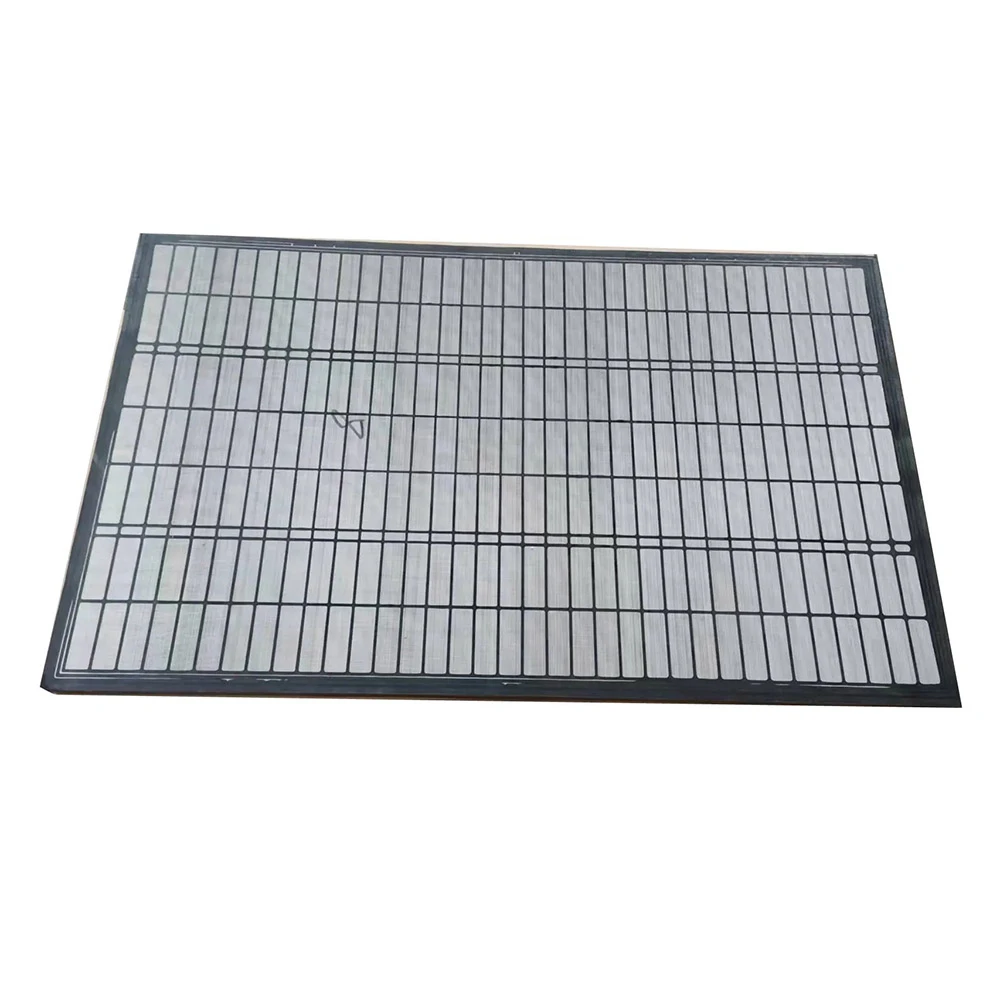
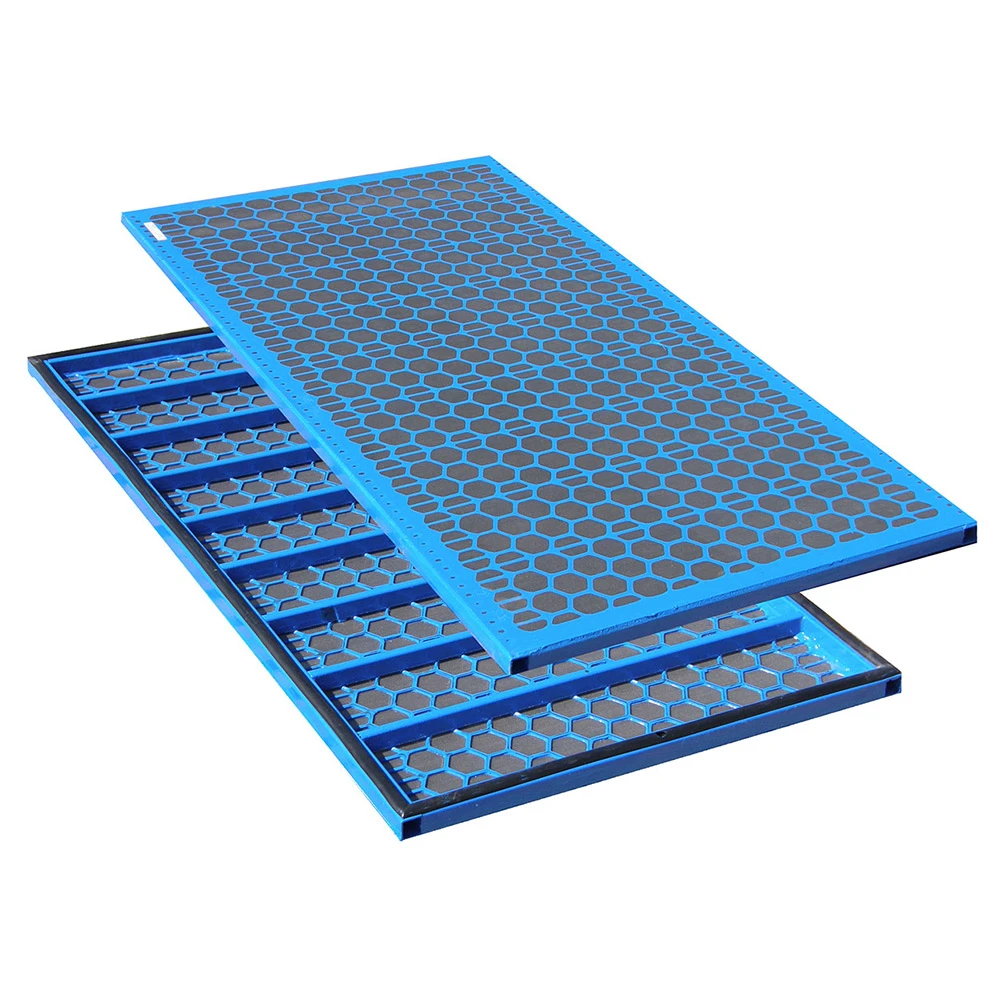
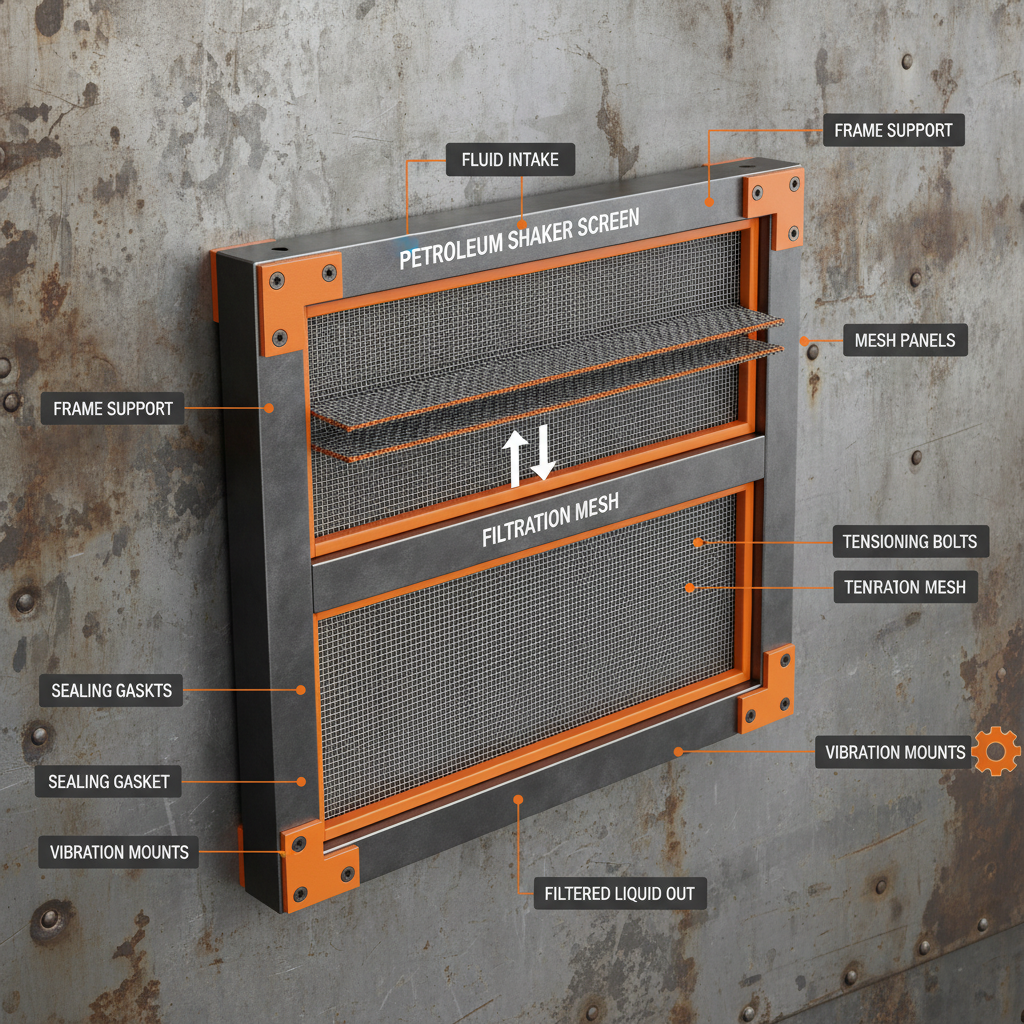
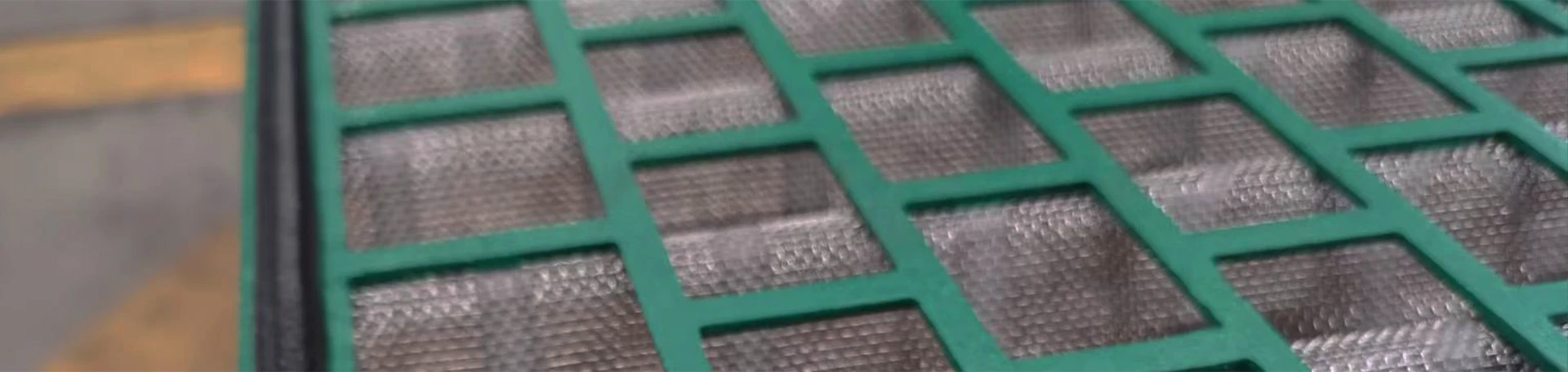
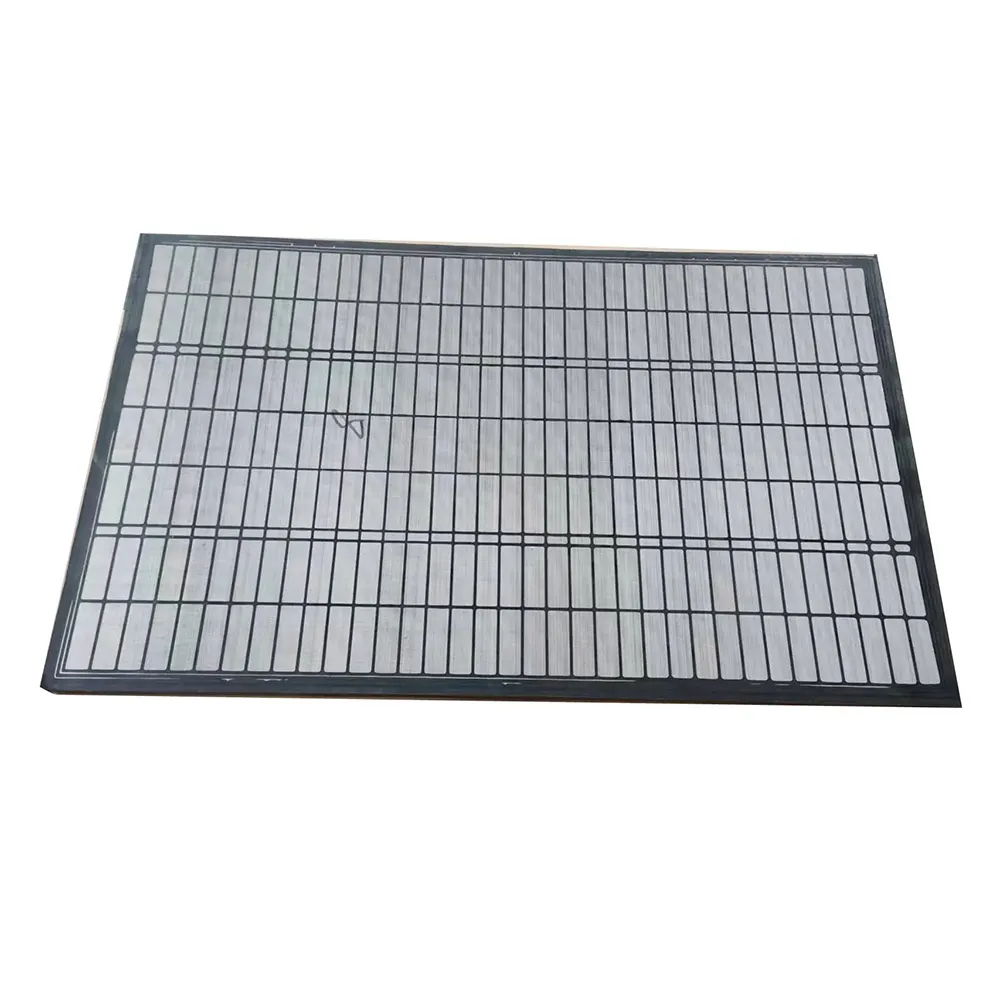
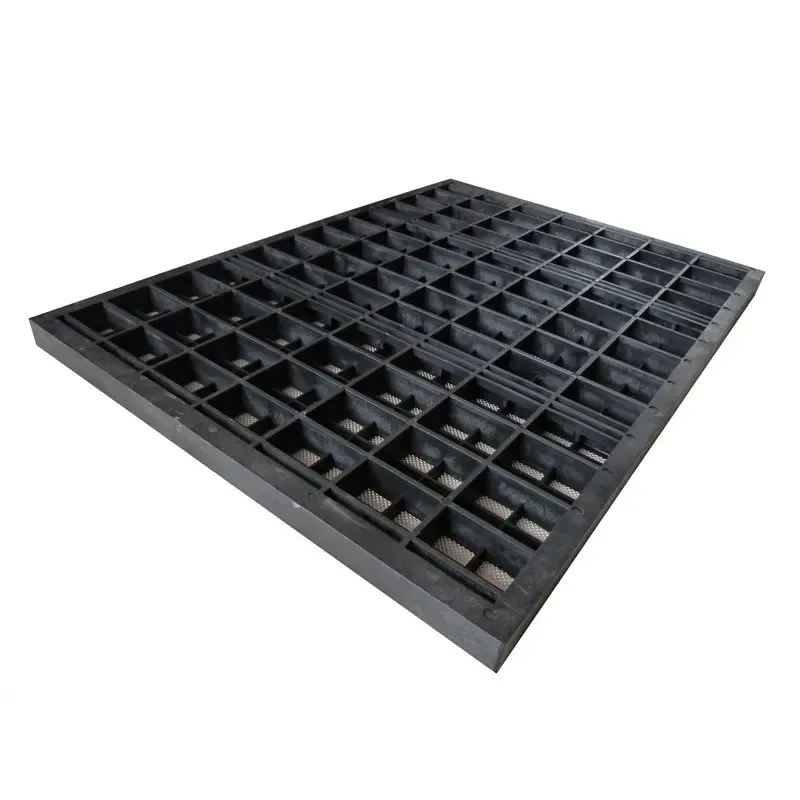
Composite frames have quietly become the norm on performance rigs. The Brandt Composite screens use a glass fiber–filled polypropylene frame with an internal steel reinforcement. That combo—plus a heat-press process that literally melts stainless wire cloth into the polymer—gives better bond integrity than adhesive-only builds. In plain English: fewer delaminations, more uptime. Many customers say the rubber plug repair system is a small feature that saves big during peak flow spikes.
Product snapshot: Brandt Composite Replacement Shaker Screens
Origin: ROOM 1907, ZIJIN BUILDING,HUAIAN STR. SHIJIAZHUANG. Built for Brandt VSM 300 / D380 and compatible models (always verify the cuttings box and deck spec, of course).
| Parameter | Typical spec (≈/real-world may vary) |
|---|---|
| Frame | Glass fiber–filled PP with internal steel reinforcement |
| Wire cloth | Stainless 304/316, 1–3 layers heat-pressed to frame |
| API designation | API 40–230 (D100 ≈ 390–63 µm) |
| Conductance (API 13C) | ≈0.8–2.4 kD/mm depending on mesh |
| Non-blanked area | ≈4.5–6.8 ft² per panel (model-dependent) |
| Operating temperature | Up to ≈120°C / 248°F (short-term exposure) |
| Bond/shear test | >1.5 kN panel shear (internal method; lot-certified) |
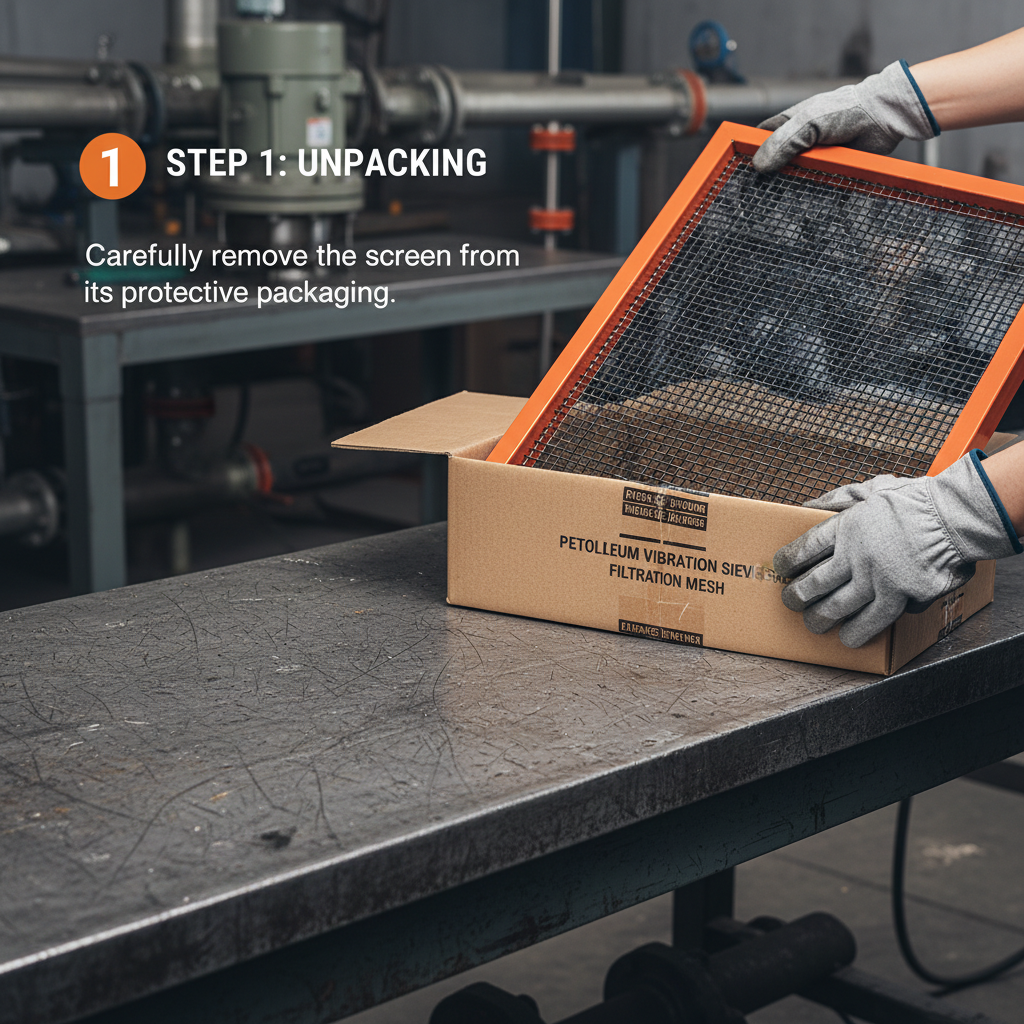
| Repair | Rubber plug system; quick fit; reduces shutdowns |
| Service life | ≈300–600 operating hours (solids loading dependent) |
| Compliance | API RP 13C labeling, ISO 9001 manufacturing |
Process, testing, and what I look for
- Materials: fiberglass-filled polymer frame + steel skeleton; SS 304/316 mesh.
- Method: heat-press bonds mesh to frame—no cold adhesive line to fail.
- Testing: API RP 13C (D100, conductance), mesh count per ASTM E11, salt spray (ASTM B117) on wire samples, bond shear pull tests (internal), flatness checks.
- Real-world check: watch for early-edge delam or blinding; good composites hold up under OBM and high G-force.
Where they’re used
Oil & gas drilling shakers (Brandt VSM 300, D380), HDD river crossings, mining dewatering, and even some municipal solids control. In fact, maintenance leads tell me the plug repair alone trims 10–20 minutes per changeout. Not bad.
Vendor landscape (quick comparison)
| Vendor type | API 13C | Frame | Price | Lead time | Customization |
|---|---|---|---|---|---|
| OEM (Brandt) | Certified | Composite | High | Stock/Regional | Limited |
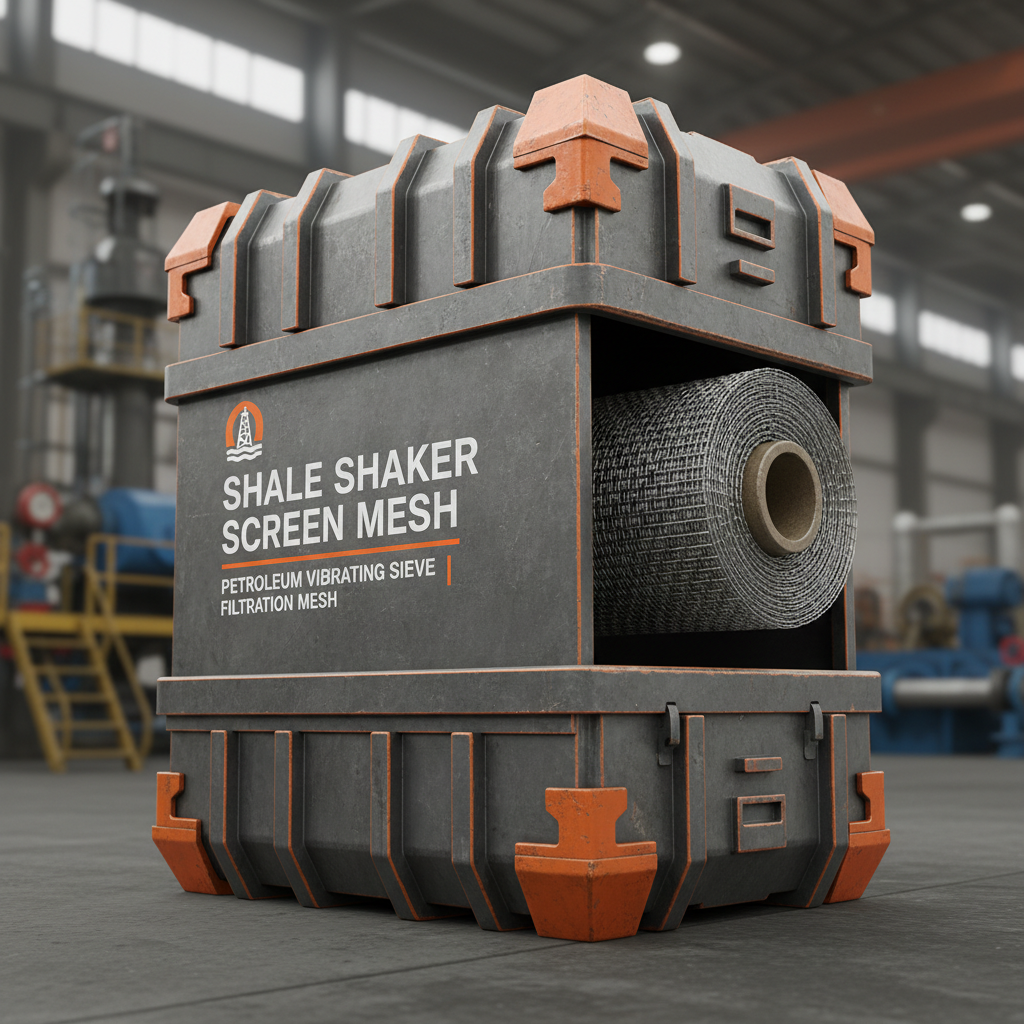
| Aftermarket composite (Solidcontrolpart) | API 13C tested | Composite + steel | ≈15–30% lower | 2–4 weeks typical | Mesh, branding, packing |
| Budget steel-frame | Varies | Welded steel | Lowest | Unpredictable | Limited |
Field note: a quick case study
One Middle East onshore team swapped steel frames for these composite replacements on a VSM 300 rig, running OBM at moderate ROP. Over 45 days, they logged ≈19% fewer unplanned screen swaps and a 22% reduction in screen spend. Flow capacity held; blinding decreased at API 140 after they added a simple spray bar tweak. It’s not magic—just better bonding and non-blanked area. Operator comment: “Surprisingly calm shakers.” I guess that’s the point.
How to pick the right partner
- Insist on API RP 13C labels and a mesh/cut-point certificate for each lot.
- Ask for salt-spray or corrosion data on wire cloth and bonding details.
- Check warranty and plug repair kit availability.
- Trial a mixed mesh set on your top deck before committing the whole spread.
If your shale shaker screen supplier can’t provide current test sheets and packing traceability, keep walking. The better ones do—routinely.
Bottom line: composites like the Brandt Replacement series deliver steadier uptime and easier maintenance. Work with a shale shaker screen supplier that treats API 13C as a floor, not a ceiling, and backs claims with data.
References
- API RP 13C: Recommended Practice on Drilling Fluid Processing Systems Evaluation.
- ASTM E11: Standard Specification for Woven Wire Test Sieve Cloth and Test Sieves.
- ASTM B117: Standard Practice for Operating Salt Spray (Fog) Apparatus.
- ISO 9001: Quality Management Systems—Requirements.
- NOV Brandt VSM 300 technical literature and field manuals (vendor documentation).