Cheap Shale Shaker Screen Mesh: What You Need to Know
Having spent quite a few years in the industrial equipment field, especially around solids control, I’ve seen firsthand how choosing the right shale shaker screen mesh can either make or break a job’s efficiency. Now, when I talk about cheap shale shaker screen mesh, it might sound like skimping on quality—but honestly, it’s more about value and finding something that fits your budget without trading off too much on performance.
Shale shaker screens are critical—they’re essentially the first line of defense in separating valuable drilling fluids from unwanted solids. The mesh quality directly impacts throughput and durability. But the industry has evolved, and there's now a cluster of suppliers offering cost-effective solutions that can hold their own. I suppose this trend towards affordable, yet reliable, screen mesh is a response to budget constraints and the demand for faster turnaround times on rigs.
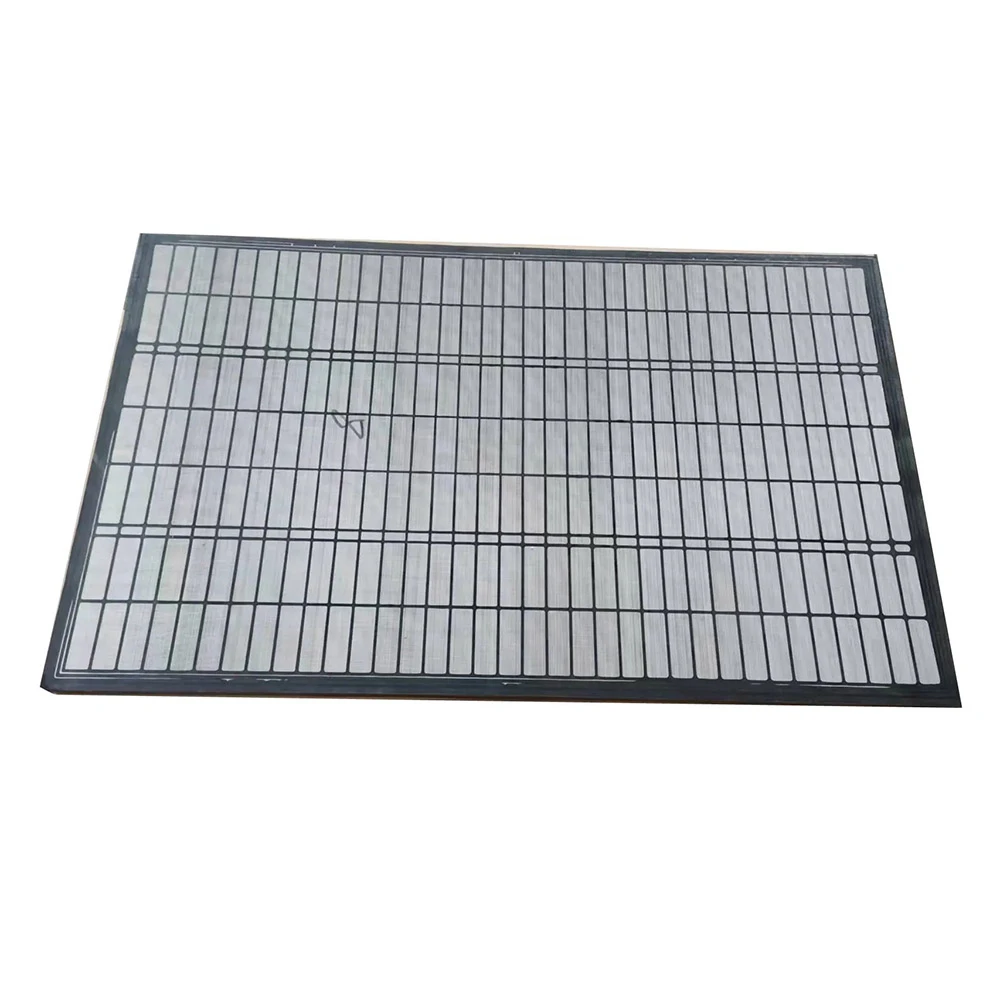
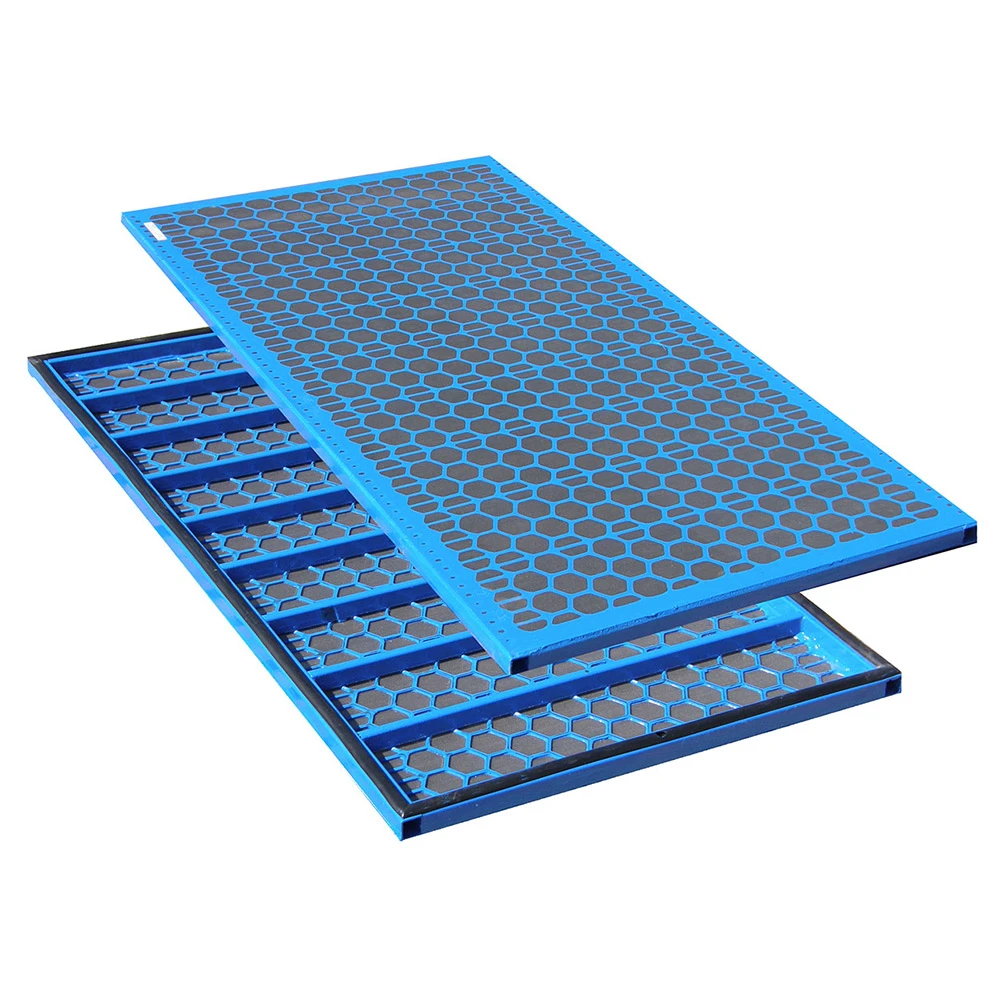
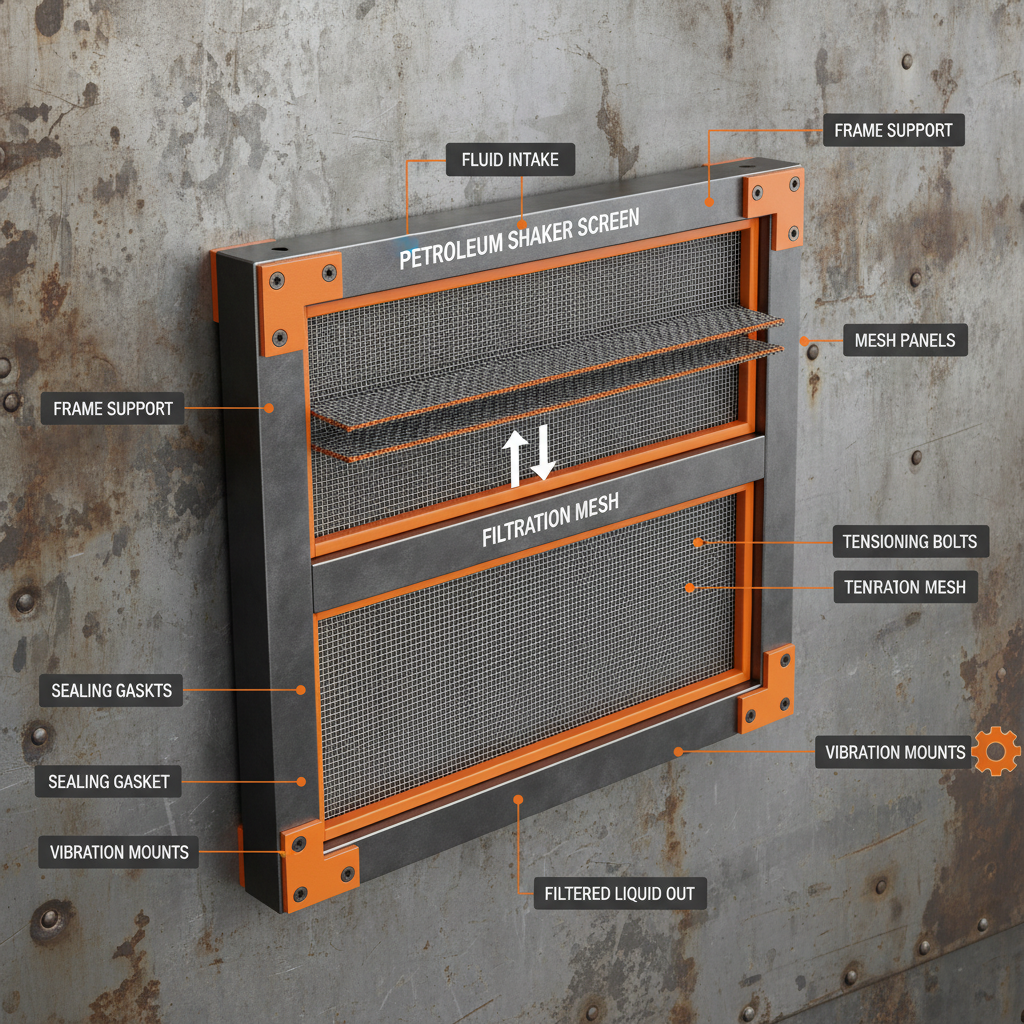
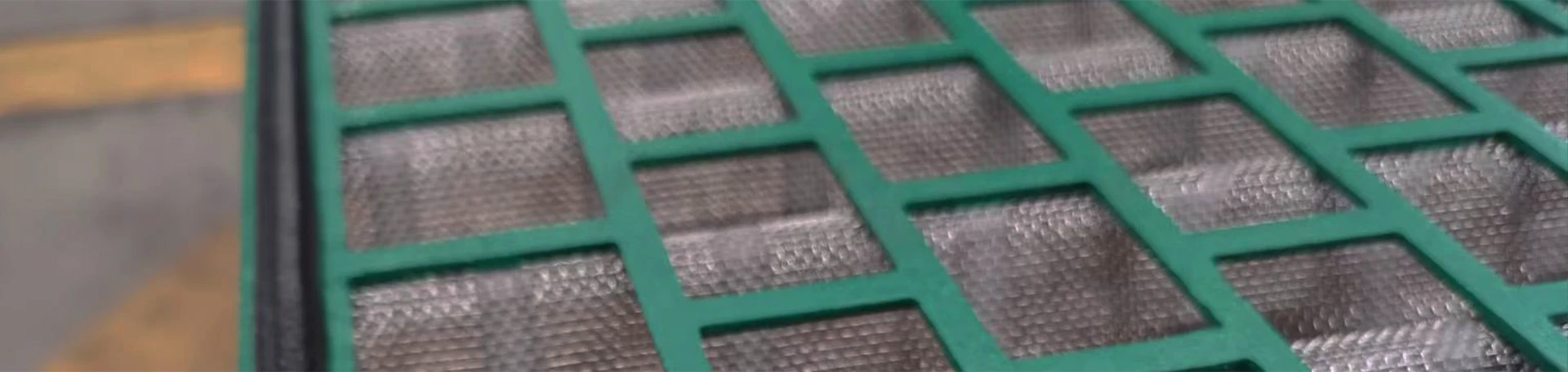
From a design perspective, cheap doesn’t mean simple. Most of these screens use stainless steel wire mesh (usually grade 304 or 316) woven tightly enough to balance filtration with longevity. You’ll often find multi-layered constructions—like a backing cloth plus two mesh layers—which adds to strength but keeps costs manageable. This sandwich, if you like, offers decent wear resistance, which is surprisingly important on abrasive drilling sites.
Something I’ve noticed repeatedly: the test specs on these budget screens sometimes don’t exactly match the premium options, but proper QA checks often reveal they’re still surprisingly robust. Manufacturers tend to use ASTM standards like ASTM A370 or company-specific tensile tests to ensure their mesh won’t tear or deform under working pressures.
| Feature | Description |
|---|---|
| Material | Stainless Steel 304/316 Wire |
| Mesh Count | 20 – 150 (depending on application) |
| Tensile Strength | 350 – 550 MPa (typical) |
| Construction | Multi-layered (2-3 layers) |
| Coating | Optional polyurethane or epoxy |
| Screen Life | 300 – 600 operating hours |
In real terms, what sticks with me is how some operators I know were initially skeptical about switching to budget mesh screens. But after trying a few batches, they admitted the screens performed well enough, especially considering how much money they saved per rig shift. It’s a reminder that “cheap” doesn’t have to be “cheaply made” — just strategically engineered.
On the customization front, many vendors offer these screens in sizes tailored to specific shaker machines and drilling fluids’ finer or coarser particle requirements. You can specify wire thickness, weave pattern (square or rectangular), mesh count, and coatings for abrasion resistance or corrosion protection. It’s worth asking because these adjustments sometimes bring your “cheap” option closer in performance to pricier alternatives.
| Vendor | Mesh Quality | Material Grade | Customization | Price |
|---|---|---|---|---|
| Solid Control Part | Good (20-150 mesh range) | 304/316 Stainless Steel | Wide (wire diameter, weave) | Competitive |
| Vendor A | Average | 304 Stainless Steel | Limited | Low |
| Vendor B | Good | 316 Stainless Steel | Custom orders only | Higher |
Now, it’s important to remember that no shale shaker screen mesh is a “one size fits all.” The drilling conditions, fluid properties, and shaker models all play a part. But in my experience, if you pick a supplier who understands the physics and the chemistry behind the drilling fluids, even cheaper screen meshes can deliver surprisingly good results—and that’s a win for operators who need to watch their bottom line.
I once worked on a project where the client switched to these budget-friendly screens during a tight phase of drilling. After some tweaks, the screens stood up well past expectations, helping reduce downtime and allowing more extended pump runs. It was a small win on a big job, but those little successes count.
So, if you’re considering cheap shale shaker screen mesh, my advice is to review the specs carefully, ask about test reports, and see what customization options are on the table. A little diligence upfront goes a long way.
At the end of the day, it’s all about balancing costs with performance—and, frankly, many of these cost-effective solutions are good enough to keep rigs humming efficiently without causing headaches.
References:
1. ASTM International, “ASTM A370 Standard Test Methods and Definitions for Mechanical Testing of Steel Products”, latest edition.
2. Solid Control Industry Journal, “Advancements in Shale Shaker Screens,” 2022.
3. Field notes from multiple drilling projects, 2018–2023.