Shale Shaker Screen Product: A Comprehensive Guide
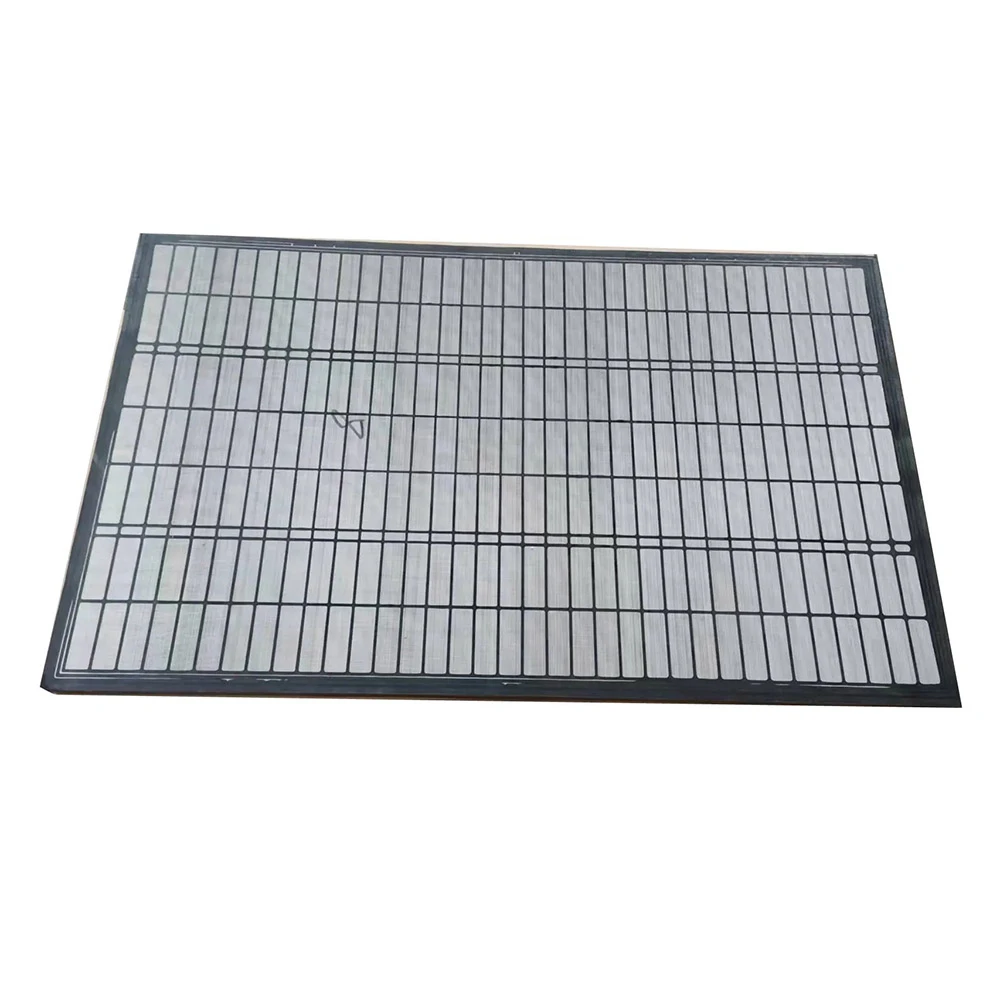
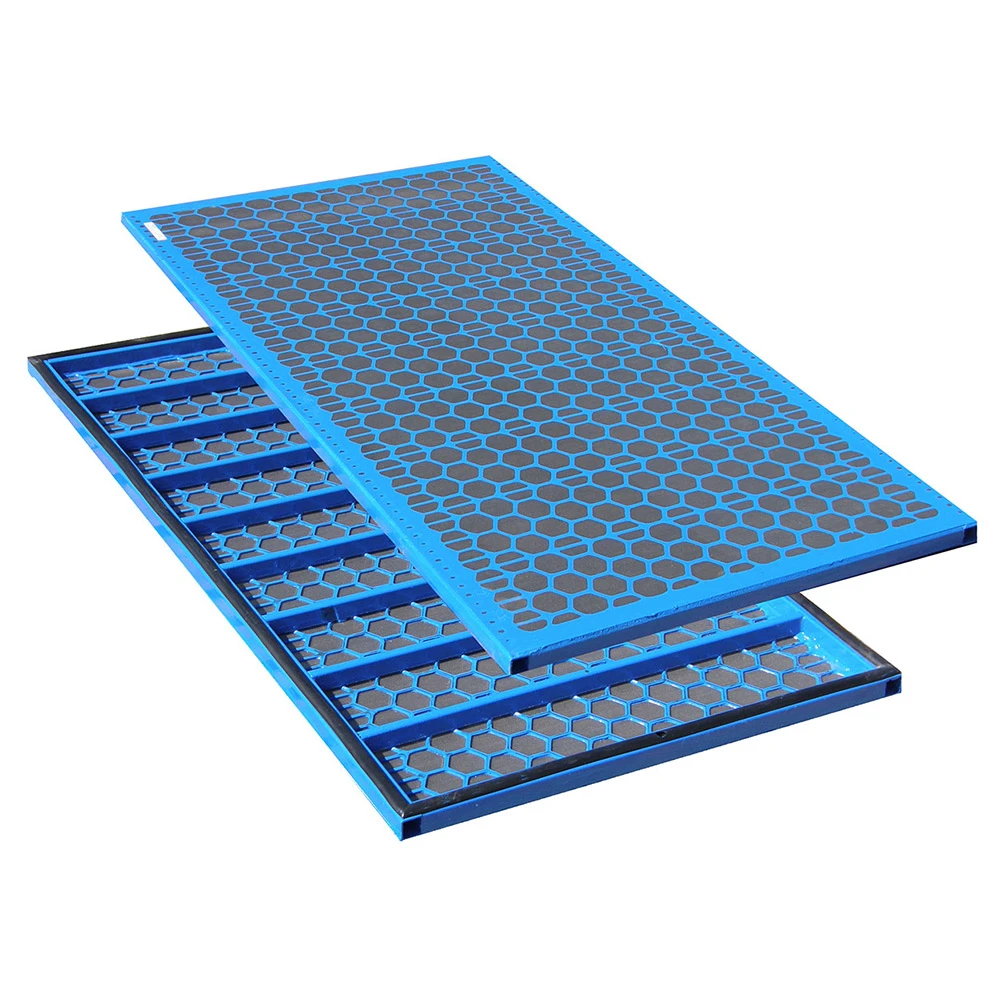
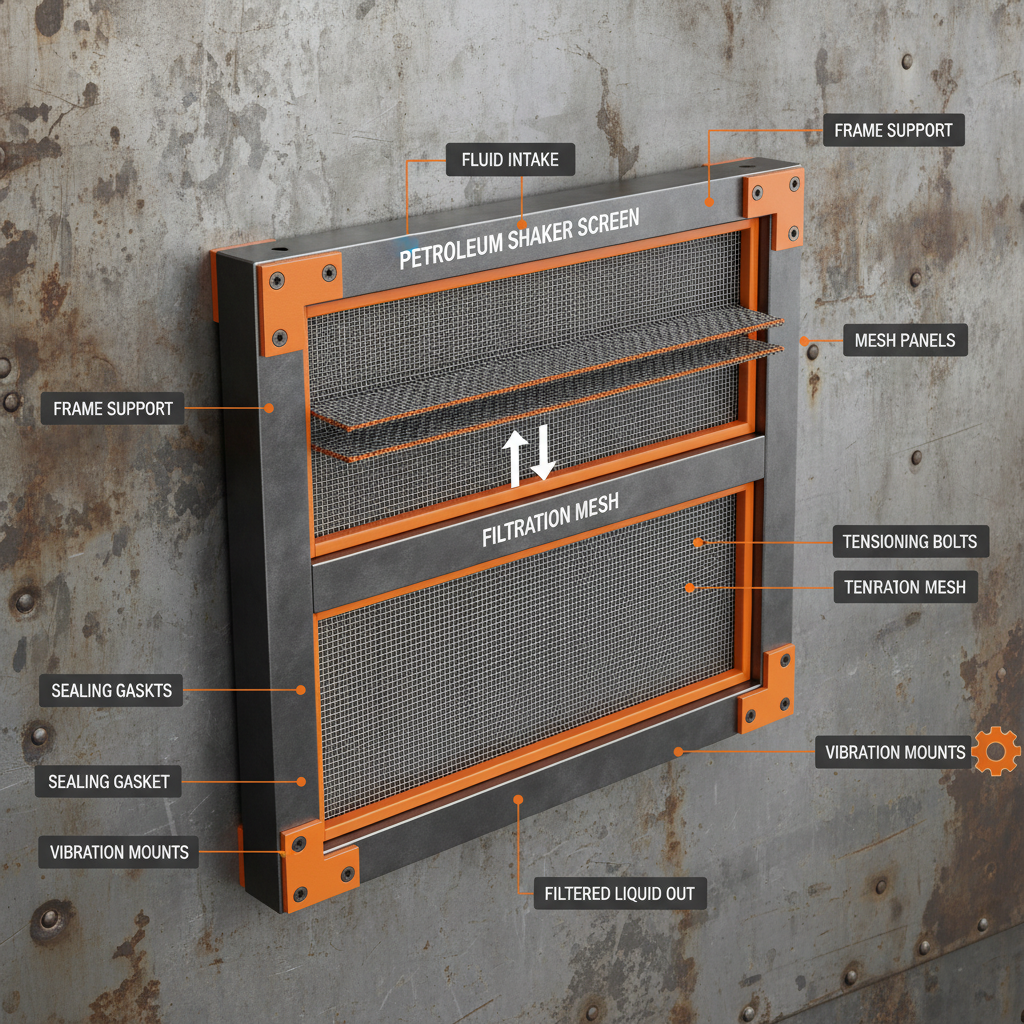
In the demanding world of oil and gas drilling, efficient solids control is paramount. A critical component of this process is the shale shaker screen product. These screens are responsible for separating drill cuttings from the drilling fluid, ensuring optimal performance and minimizing environmental impact. This article provides a detailed overview of shale shaker screens, their types, applications, and factors to consider when choosing the right product. Proper screen selection can significantly improve drilling efficiency and reduce overall costs.
Understanding Shale Shaker Screen Types
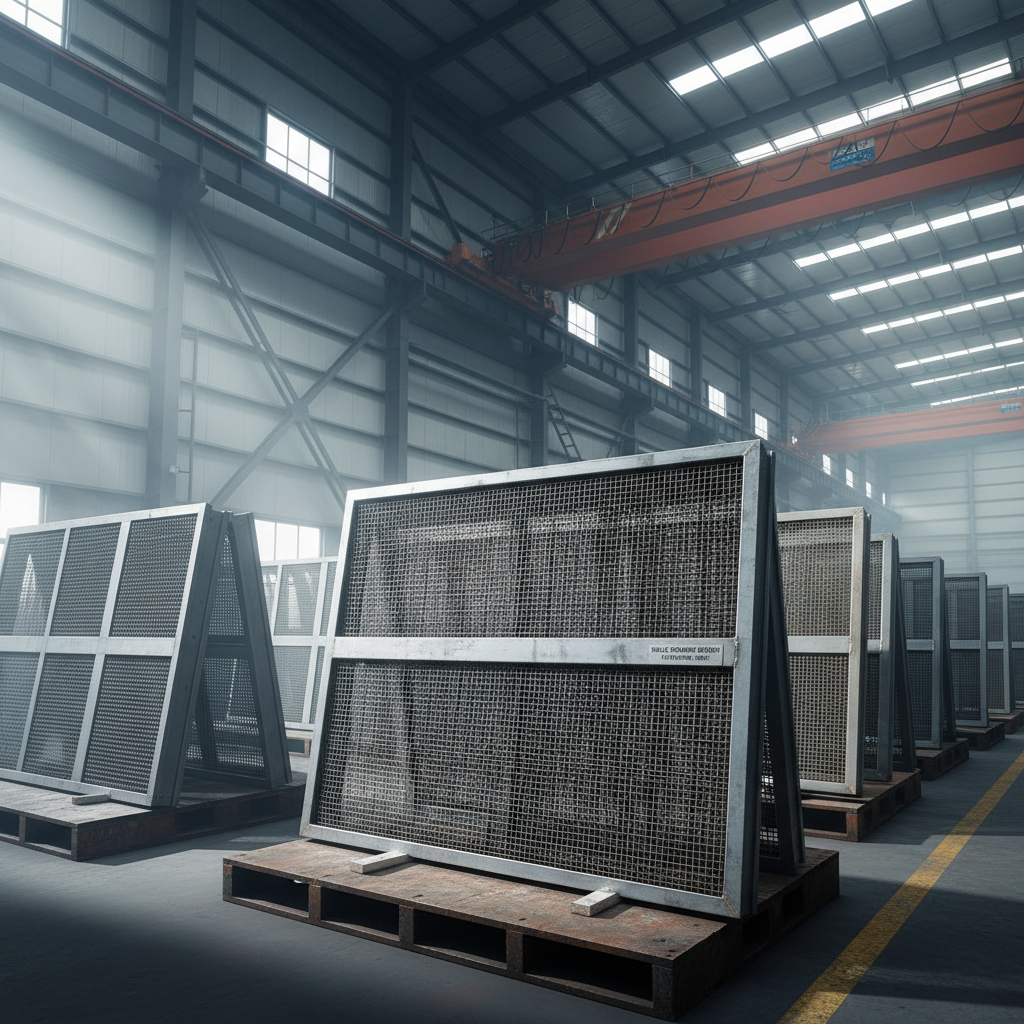
Shale shaker screens are not one-size-fits-all. Different drilling operations require different screen types based on particle size distribution and fluid properties. Commonly used types include:
- Coarse Screens: Used for initial separation of large cuttings.
- Medium Screens: Ideal for removing medium-sized particles and protecting downstream equipment.
- Fine Screens: Used for polishing the drilling fluid and recovering valuable solids.
- Ultra-Fine Screens: Employed when exceptionally clean fluid is required.
The material of the screen also plays a key role. Stainless steel, composite materials, and polyurethane are common choices, each offering distinct advantages in terms of durability, abrasion resistance, and cost. Selecting the correct screen type is crucial for maximizing separation efficiency and minimizing fluid loss. Solid Control Parts offers a wide range of shale shaker screen products to meet diverse drilling needs.
Key Takeaway: Choosing the right shale shaker screen depends on the specific drilling application, particle size distribution, and fluid characteristics.
The Importance of Mesh Size in Shale Shaker Screen Selection
Mesh size, measured in microns, dictates the smallest particle size that the screen can retain. A smaller mesh size results in finer separation but can also lead to increased pressure drop and reduced flow rate. Conversely, a larger mesh size offers higher flow rates but may allow some finer particles to pass through. It is essential to balance these factors to achieve optimal performance. The correct mesh size will depend on the specific drilling fluid and the desired level of solids removal.
Mesh Size Guidelines:
• Coarse Screens: 100-200 microns
• Medium Screens: 60-100 microns
• Fine Screens: 30-60 microns
• Ultra-Fine Screens: Below 30 microns
Shale Shaker Screen Materials: A Comparative Analysis
The material used to construct a shale shaker screen significantly impacts its performance and lifespan. Here’s a comparison of common materials:
Maximizing Screen Life: Best Practices
Extending the lifespan of your shale shaker screens is crucial for reducing operational costs. Here are some best practices:
- Regular Inspection: Inspect screens for wear and tear, damage, or blockage.
- Proper Tensioning: Ensure screens are properly tensioned to prevent premature failure.
- Avoid Over-Agitation: Excessive shaker speed can accelerate wear.
- Appropriate Fluid Management: Maintaining optimal drilling fluid properties minimizes screen loading.
Implementing these practices, alongside sourcing high-quality shale shaker screen product from a reliable supplier, will significantly improve your solids control efficiency.
Choosing the Right Supplier for Your Shale Shaker Screen Needs
Selecting a reputable supplier is paramount. Consider factors such as product quality, availability, pricing, and technical support. Solid Control Parts is a trusted provider of shale shaker screens, offering a comprehensive range of products and expert guidance to help you optimize your solids control system. We are committed to delivering high-performance, cost-effective solutions to meet your specific drilling requirements.
Conclusion: Optimizing Drilling Efficiency with the Right Shale Shaker Screens
Investing in the right shale shaker screen product is a critical step towards optimizing drilling efficiency, reducing costs, and ensuring environmental compliance. By understanding the different screen types, materials, and best practices, you can make informed decisions that will benefit your operations. Partnering with a reliable supplier like Solid Control Parts will provide you with the products and expertise you need to succeed.
Frequently Asked Questions (FAQs)
What is the typical lifespan of a shale shaker screen?
The lifespan of a shale shaker screen varies depending on several factors, including the type of screen material, the abrasiveness of the drilled solids, the drilling fluid properties, and the operating conditions. Generally, screens can last anywhere from 50 to 200 hours of operation. However, regular inspections are crucial. Signs of wear include torn mesh, decreased flow rate, and changes in separation efficiency. Proactive replacement before complete failure prevents potential damage to downstream equipment and ensures consistent performance.
How often should I replace my shale shaker screens?
There isn't a fixed schedule for screen replacement. It's best to base it on performance monitoring and visual inspections. Regularly check for wear and tear, reduced flow rates, or inconsistent separation. Keeping a log of screen usage hours and performance metrics can help establish a replacement pattern specific to your drilling operation. As a general guideline, consider replacing screens every 50-200 operating hours, or sooner if significant wear is detected.
What factors should I consider when choosing a shale shaker screen supplier?
Several factors are crucial when selecting a supplier: product quality and consistency, competitive pricing, prompt delivery, technical support, and the ability to customize screens to your specific needs. A reputable supplier will offer a wide range of screen types and materials, provide detailed product specifications, and be readily available to answer technical questions. Solid Control Parts excels in these areas, providing reliable products and exceptional customer service.
Can I use different mesh sizes on the same shale shaker?
Yes, many shale shakers are designed to accommodate different mesh sizes. This allows you to optimize the separation process based on the specific drilling conditions. Typically, you can interchange screens to adjust the fineness of separation. However, it's essential to ensure the screens are compatible with your shale shaker model and are properly installed and tensioned to prevent damage or performance issues. Consult your shale shaker's manual and the screen supplier for guidance.