Understanding Shale Shaker Screen Mesh Product for Optimal Solid Control
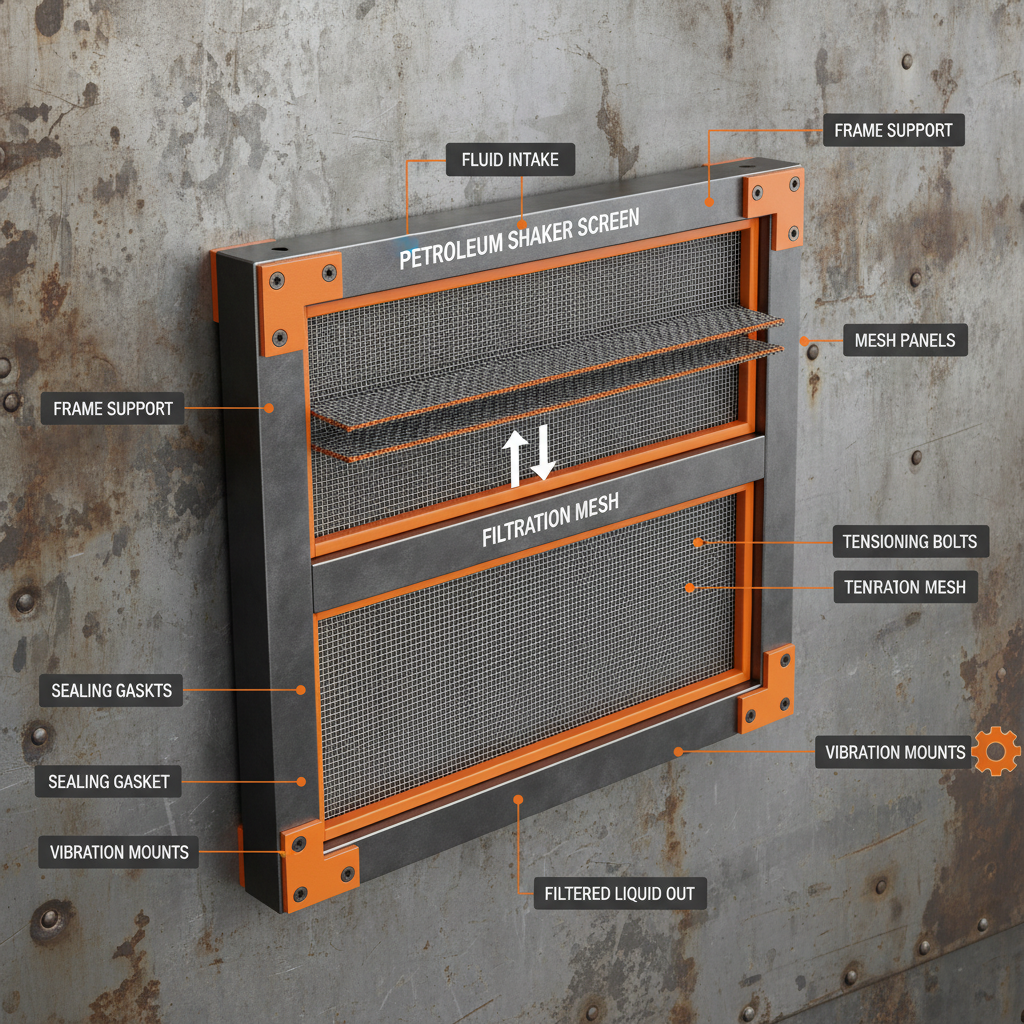
In the demanding world of oil and gas drilling, efficient solid control is paramount. A critical component of this process is the shale shaker screen mesh product. These screens effectively separate drilled solids from drilling fluids, ensuring optimal performance and reducing operational costs. This article delves into the intricacies of shale shaker screens, exploring their types, materials, applications, and how to choose the right screen for your specific needs. Effective solids control extends equipment lifespan and contributes to overall drilling efficiency. Let's examine how these screens deliver these benefits.
Types of Shale Shaker Screens
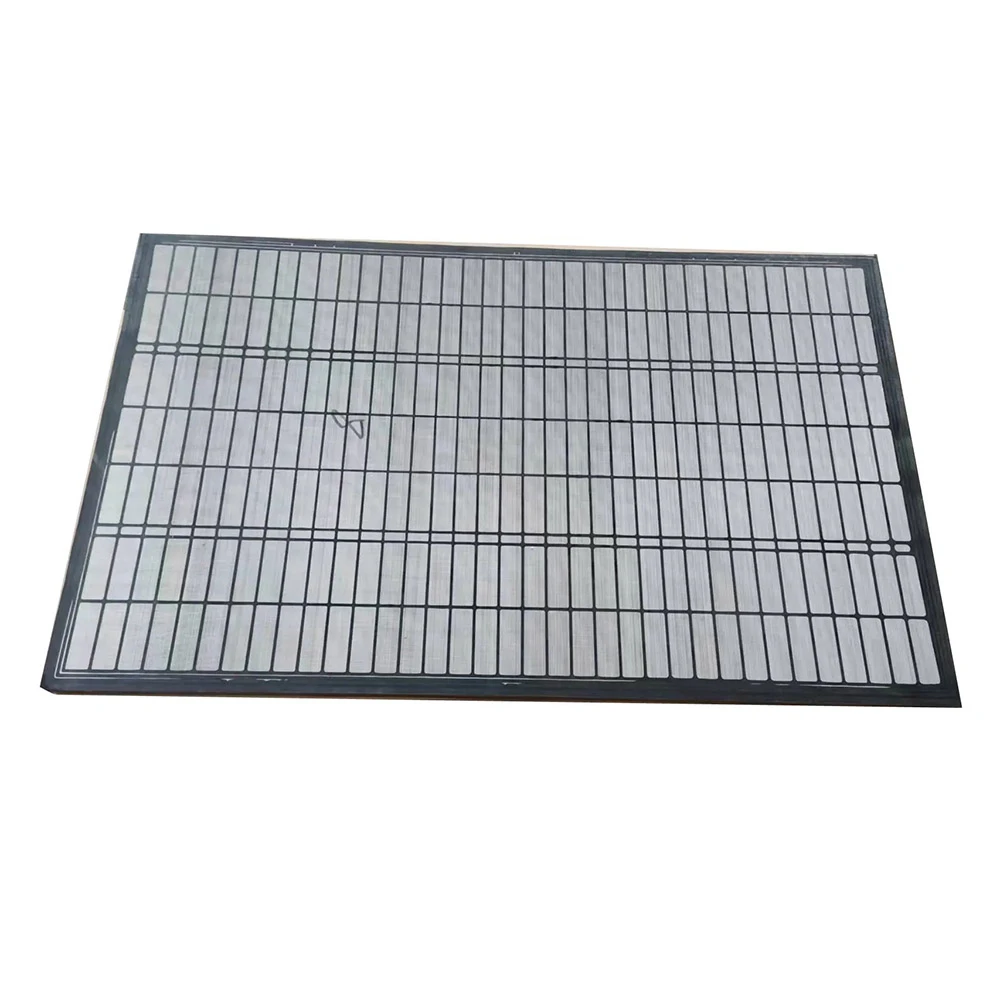
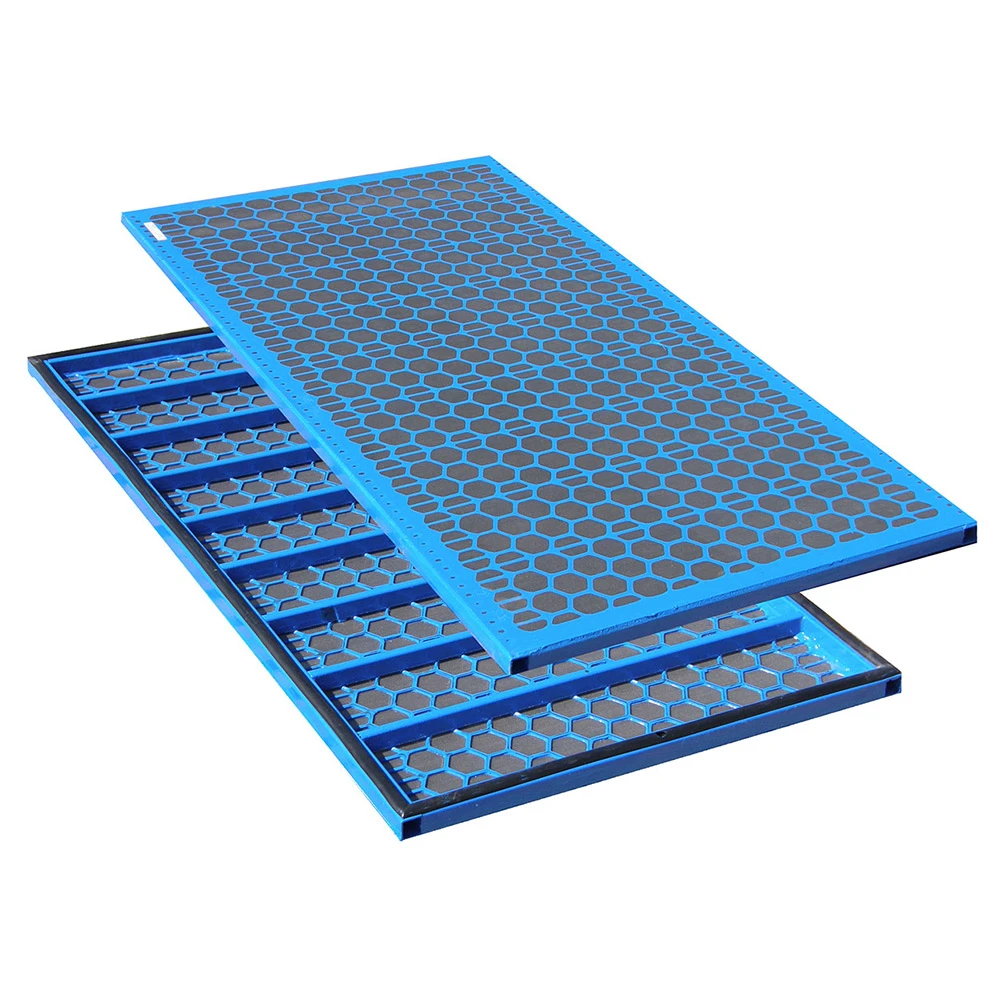
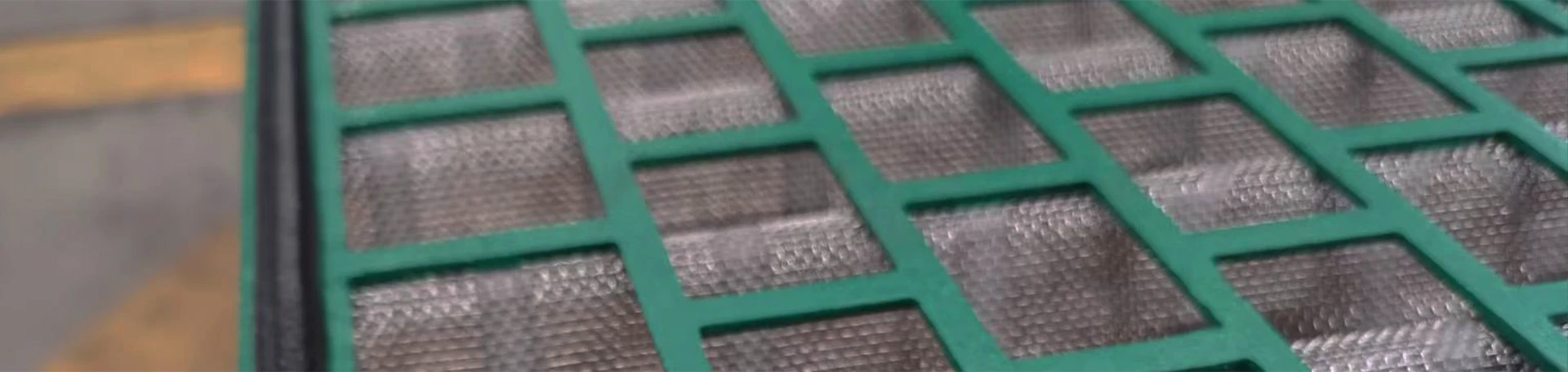
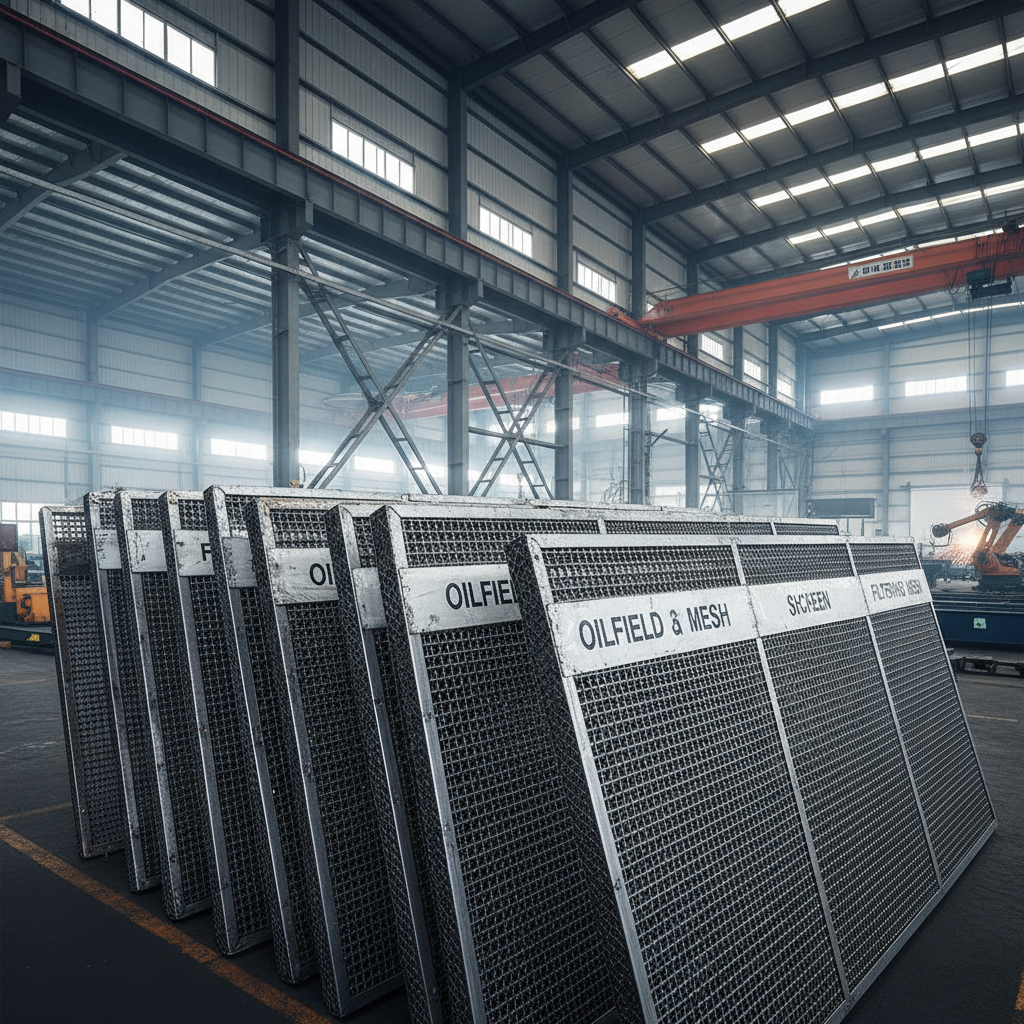
Shale shaker screens are available in various configurations to suit different drilling applications. The primary types include flat-flow screens, cone-bottom screens, and composite screens. Flat-flow screens are the most common, featuring a flat surface for efficient solids removal. Cone-bottom screens offer improved solids collection, especially for finer particles. Composite screens combine different mesh sizes within a single screen for enhanced separation capabilities. Understanding these variations is key to selecting the optimal screen for your drilling operation. Different screen types offer different performance characteristics, impacting solids removal efficiency and fluid recovery.
Key Takeaway: The choice of shale shaker screen depends heavily on the specific drilling conditions, the type of solids being removed, and the desired level of efficiency.
Mesh Size and Material Considerations
The mesh size, measured in microns, determines the particle size the screen can effectively remove. Smaller mesh sizes (e.g., 20-40 microns) are used for removing finer solids, while larger mesh sizes (e.g., 80-100 microns) handle coarser particles. Screen materials commonly include stainless steel, polyester, and composite materials. Stainless steel screens offer excellent durability and resistance to abrasion. Polyester screens are lightweight and cost-effective. Composite screens combine the benefits of both materials, offering a balance of strength and performance. Selecting the right material is crucial for maximizing screen life and ensuring consistent performance. Solid Control Part provides a range of materials to suit diverse drilling requirements.
Material Comparison:
• Stainless Steel: Durable, abrasion-resistant, high cost.
• Polyester: Lightweight, cost-effective, less durable.
• Composite: Balanced strength and performance, moderate cost.
Optimizing Shale Shaker Screen Mesh Product Performance
Maximizing the lifespan and efficiency of your shale shaker screens requires careful monitoring and maintenance. Regular screen inspection for wear and tear is essential. Promptly replace damaged or worn screens to prevent solids from contaminating the drilling fluid. Proper screen tensioning ensures optimal separation performance. Also, consider the drilling fluid's properties, such as viscosity and solids content, as these factors can impact screen performance. A proactive maintenance approach reduces downtime and minimizes operational costs. Effective screen management is a vital aspect of overall solid control.
Applications Across Drilling Environments
Shale shaker screens are essential in a variety of drilling applications, including onshore, offshore, and directional drilling. They are used in both oil-based and water-based drilling fluids. The specific screen selection depends on the geological formation being drilled and the characteristics of the drilling fluid. For example, shale-rich formations require screens with finer mesh sizes to effectively remove shale cuttings. Effective solids control is critical for maintaining wellbore stability and preventing formation damage. Solid Control Part offers solutions for all drilling scenarios.
Choosing the Right Shale Shaker Screen
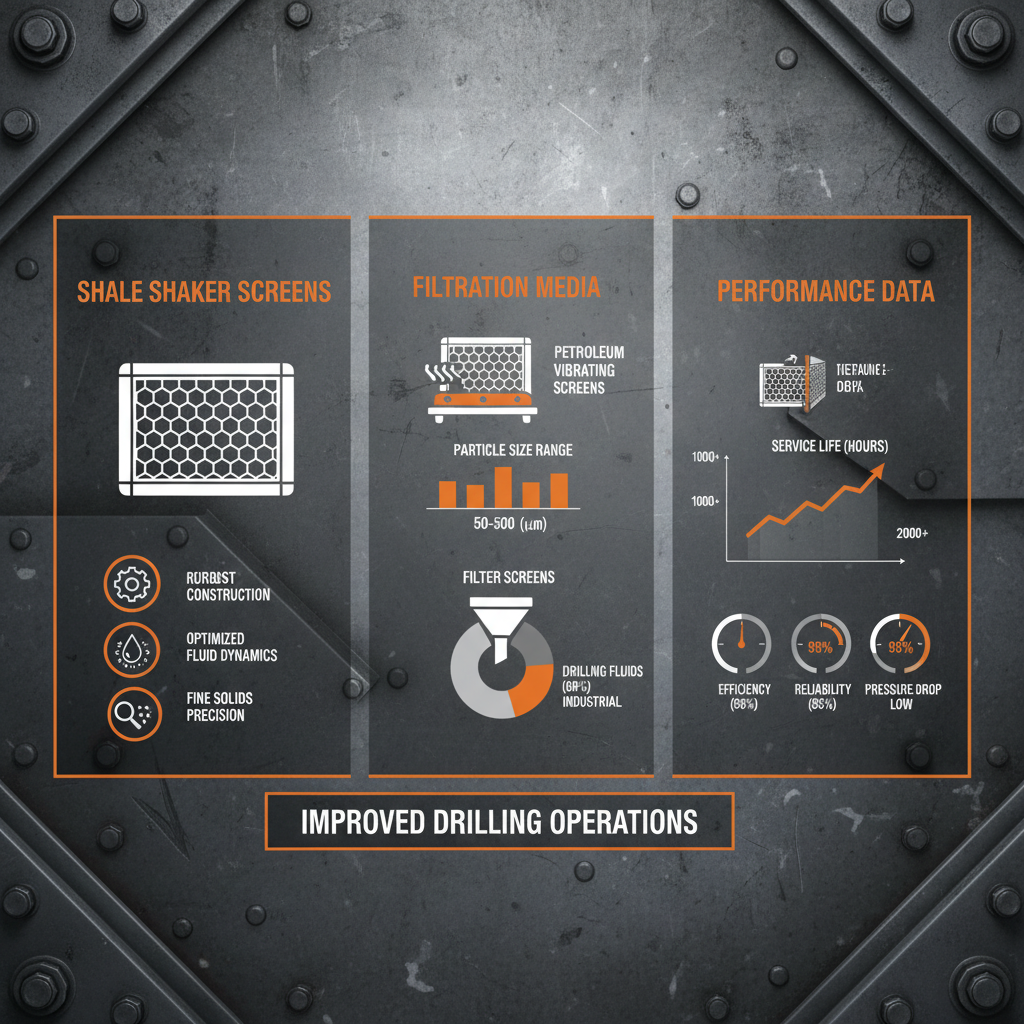
Selecting the optimal shale shaker screen requires careful consideration of several factors. Analyze the drilling fluid type, solids content, and geological formation. Consult with a solid control specialist to determine the appropriate mesh size and material. Prioritize quality and reliability to ensure long-term performance. Consider the total cost of ownership, including screen life, replacement costs, and impact on drilling efficiency. Partnering with a reputable supplier, like Solid Control Part, ensures you receive expert guidance and high-quality products.
Conclusion: Investing in Effective Solid Control
The shale shaker screen mesh product is a vital component of any successful drilling operation. By understanding the different types of screens, materials, and maintenance requirements, you can optimize solids control, reduce costs, and improve overall drilling efficiency. Invest in high-quality screens and proactive maintenance to ensure a reliable and cost-effective drilling process.
Frequently Asked Questions (FAQs)
What is the typical lifespan of a shale shaker screen?
The lifespan of a shale shaker screen varies significantly depending on factors such as the type of screen, the abrasiveness of the solids being processed, and the drilling fluid's properties. Generally, a screen can last anywhere from 50 to 200 hours of operation. However, it is crucial to regularly inspect screens for signs of wear and tear, such as holes, tears, or excessive stretching. Replacing screens proactively can prevent contamination of the drilling fluid and maintain optimal separation efficiency. Factors such as the drilling formation (shale, sand, etc.) and the concentration of solids influence wear rates.
How do I determine the correct mesh size for my application?
Determining the correct mesh size requires considering the size distribution of the solids you need to remove. If you are dealing with primarily fine solids, a smaller mesh size (e.g., 20-40 microns) is appropriate. For coarser solids, a larger mesh size (e.g., 80-100 microns) will suffice. It is often beneficial to conduct a particle size analysis of the solids to accurately determine the optimal mesh size. Consulting with a solid control specialist can also provide valuable insights based on your specific drilling conditions and fluid properties. Selecting the correct mesh size is crucial for maximizing solids removal efficiency and preventing screen plugging.
What are the benefits of using composite shale shaker screens?
Composite shale shaker screens offer a combination of benefits from both stainless steel and polyester materials. They typically provide enhanced abrasion resistance compared to polyester screens while being lighter and more cost-effective than stainless steel screens. Composite screens often feature multiple layers with different mesh sizes, allowing for more efficient removal of a wider range of particle sizes. They are a good choice for applications where both durability and cost-effectiveness are important considerations. You can find a range of composite screens at Solid Control Part.