Industrial Shaker Screen Product: A Comprehensive Guide
In the demanding world of solids control, efficiently separating solids from liquids is critical. Industrial shaker screens are the heart of this process, and selecting the right product is crucial for optimal performance. This article will provide an in-depth look at industrial shaker screens, their applications, types, and how to choose the best solution for your specific needs. Investing in high-quality shaker screens ensures efficient operations and cost savings in various industries.
Understanding Industrial Shaker Screens
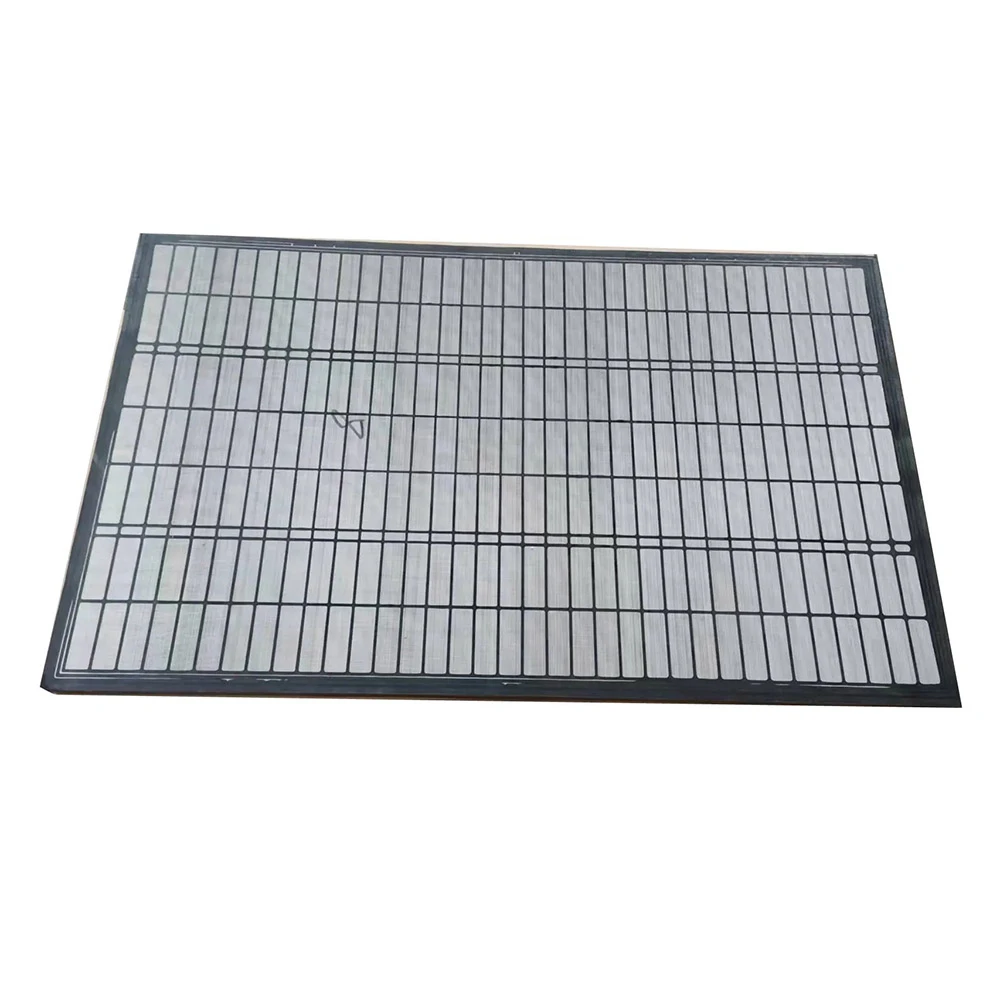
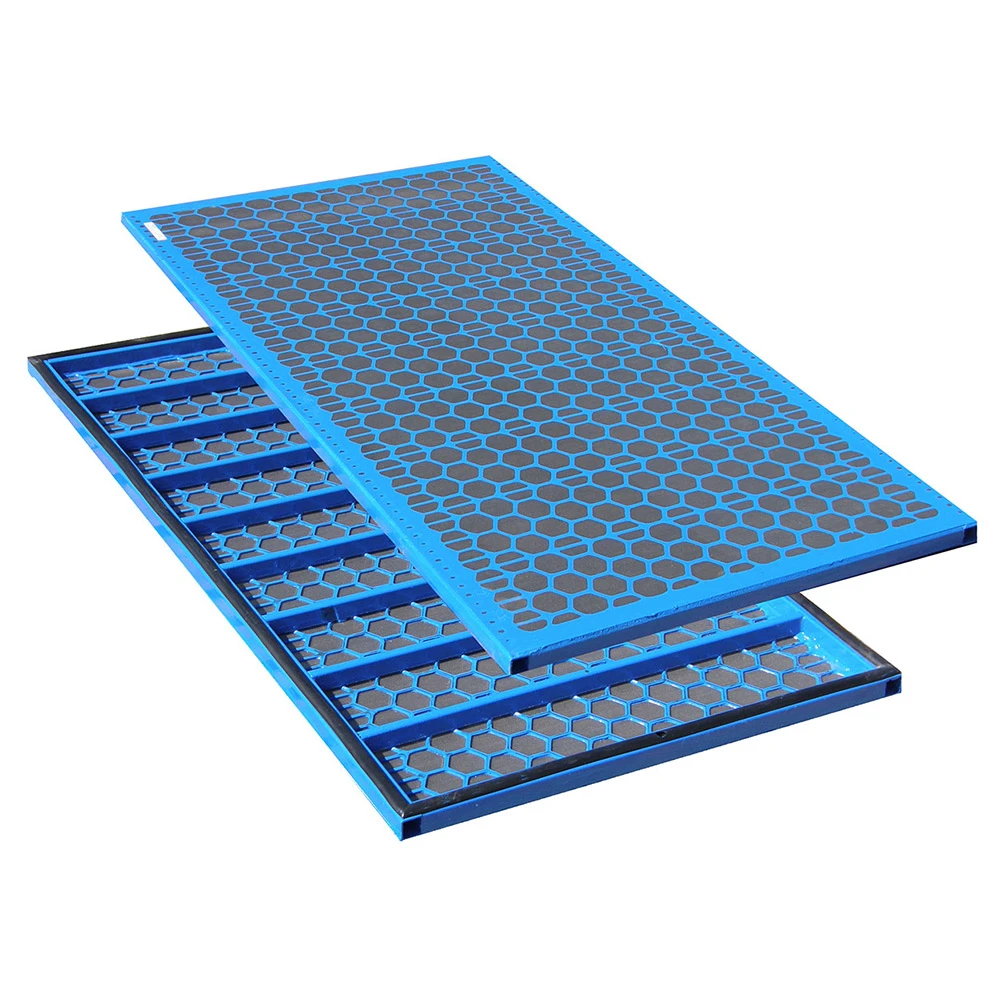
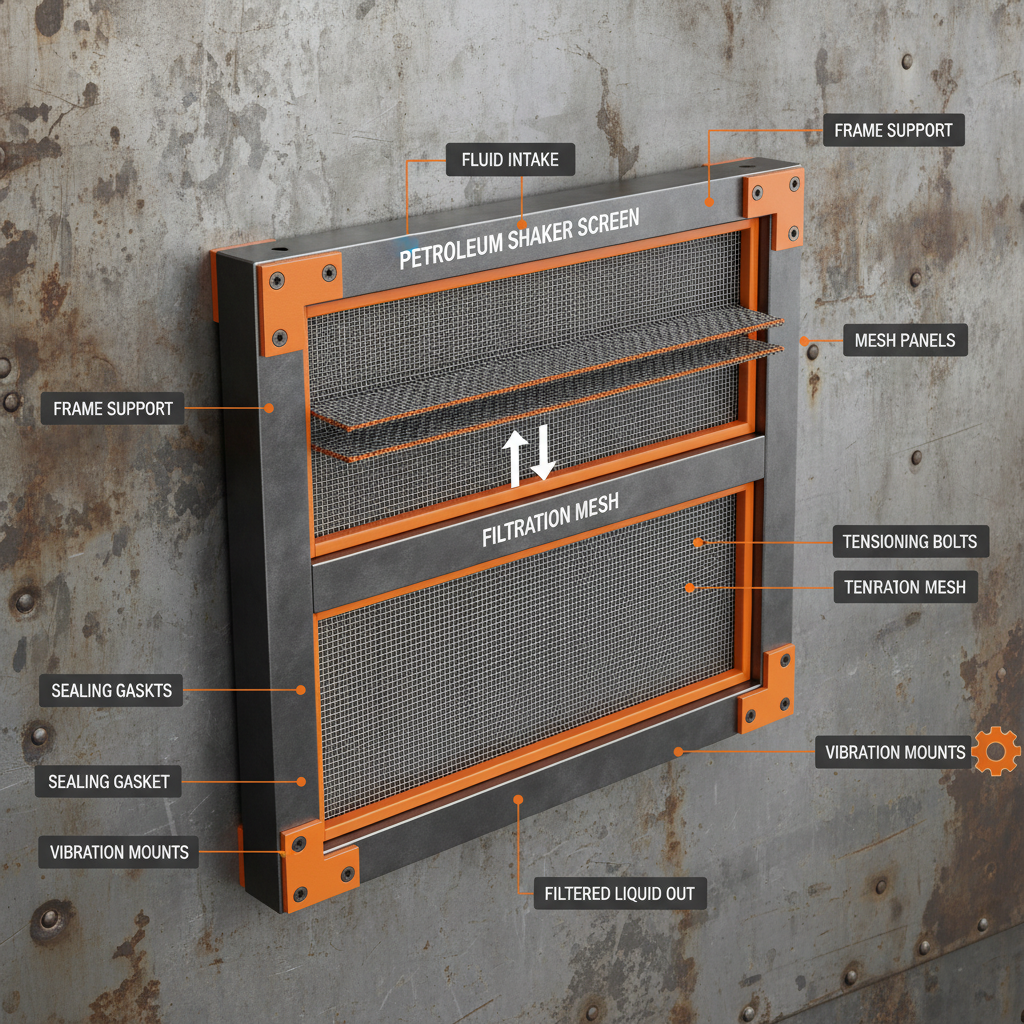
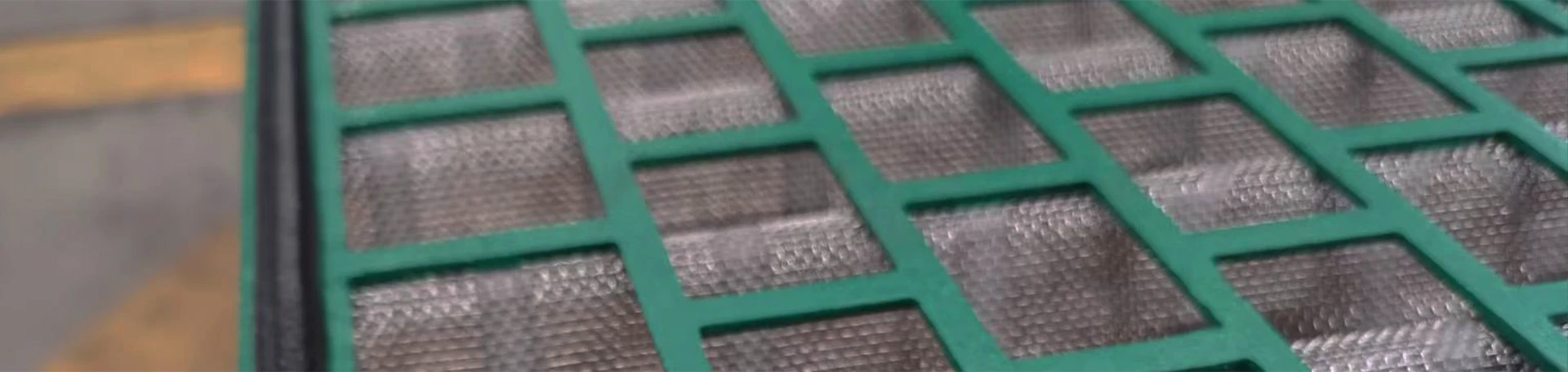
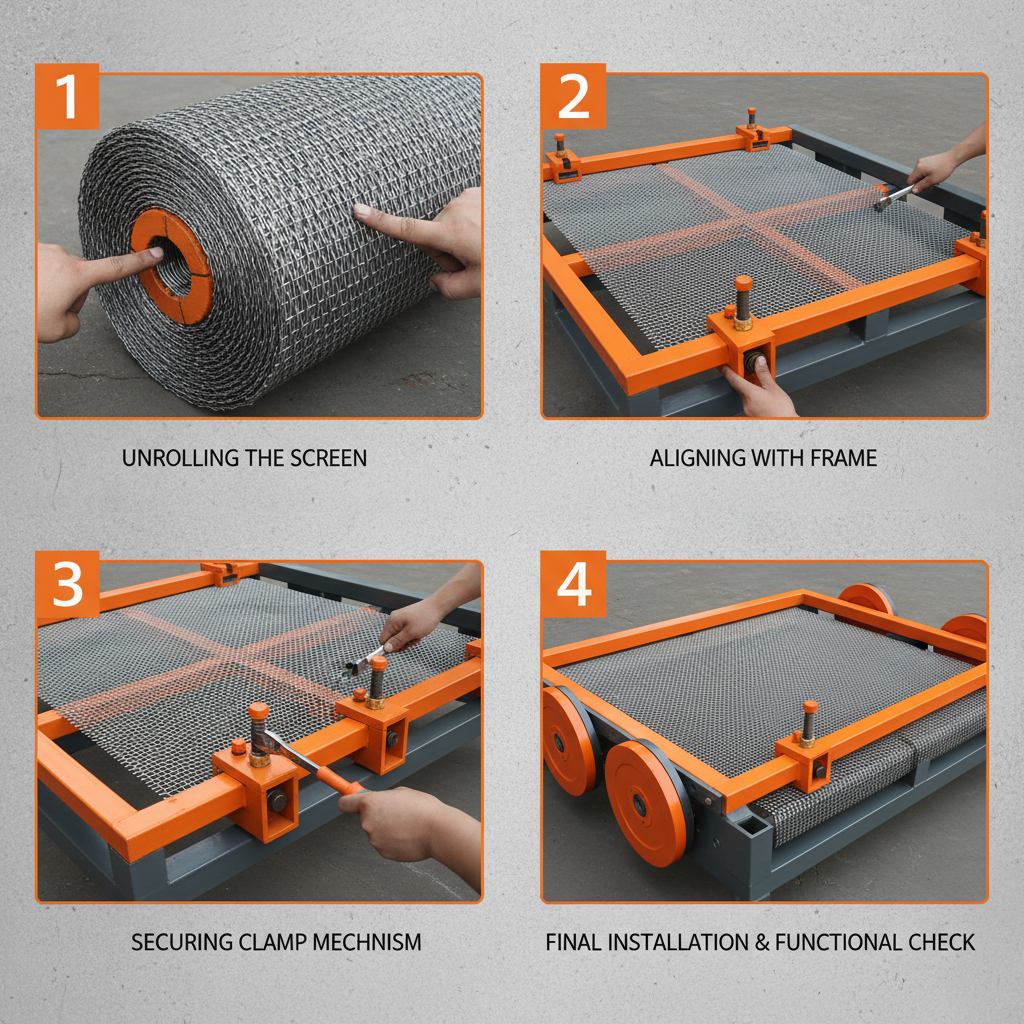
Industrial shaker screens are vital components used in solids control equipment. They’re essentially filtering sieves that separate solid particles from fluids, such as drilling mud, wastewater, or other industrial process streams. These screens vibrate, causing the liquid to pass through while retaining the solids. The retained solids are then discharged, leaving a cleaner fluid. The effectiveness of a shaker screen depends on factors like mesh size, screen material, and the overall design. Solid Control Part offers a comprehensive range of industrial shaker screens designed for diverse applications.
Key Benefit: Efficient separation of solids improves fluid quality, reduces waste, and optimizes overall process efficiency.
Types of Industrial Shaker Screen Products
There are several types of industrial shaker screen products available, each suited for different applications and fluid characteristics. Common types include:
- Hook Strip Screens: These are quick and easy to install and replace.
- Wedge Wire Screens: Known for their durability and long service life, often used in harsh environments.
- Composite Frame Screens: Combine the benefits of different materials for enhanced performance.
- Pre-tensioned Screens: Designed to maintain consistent tension, ensuring optimal separation.
Selecting the right screen type depends on factors such as the solids loading, particle size distribution, and the type of fluid being processed. Our expert team at Solid Control Part can help you determine the best fit for your specific requirements.
Choosing the Right Screen:
• Consider the particle size distribution of the solids.
• Evaluate the fluid viscosity and density.
• Factor in the operating environment and potential for abrasion.
Industrial Shaker Screen Mesh Size and Selection
Mesh size is a critical factor in shaker screen selection. It determines the smallest particle size that the screen will retain. Mesh sizes are typically measured in microns. Choosing the correct mesh size is crucial for achieving the desired level of separation. Finer mesh sizes offer better separation but can also lead to increased plugging and reduced flow rates. Conversely, coarser mesh sizes provide higher flow rates but may allow smaller particles to pass through. Here's a general guideline:
Material Considerations for Industrial Shaker Screens
The material of the shaker screen impacts its durability, corrosion resistance, and overall performance. Common materials include:
- Stainless Steel: Offers excellent corrosion resistance and is suitable for harsh environments.
- Carbon Steel: Cost-effective but less resistant to corrosion.
- Duplex Stainless Steel: Combines high strength and corrosion resistance.
- Polymer-Coated Screens: Provide enhanced resistance to abrasion and chemical attack.
The choice of material depends on the specific fluid composition and operating conditions. For example, if handling corrosive fluids, stainless steel or polymer-coated screens are recommended. Solid Control Part offers screens in a variety of materials to meet your application needs.
Benefits of Choosing High-Quality Shaker Screens
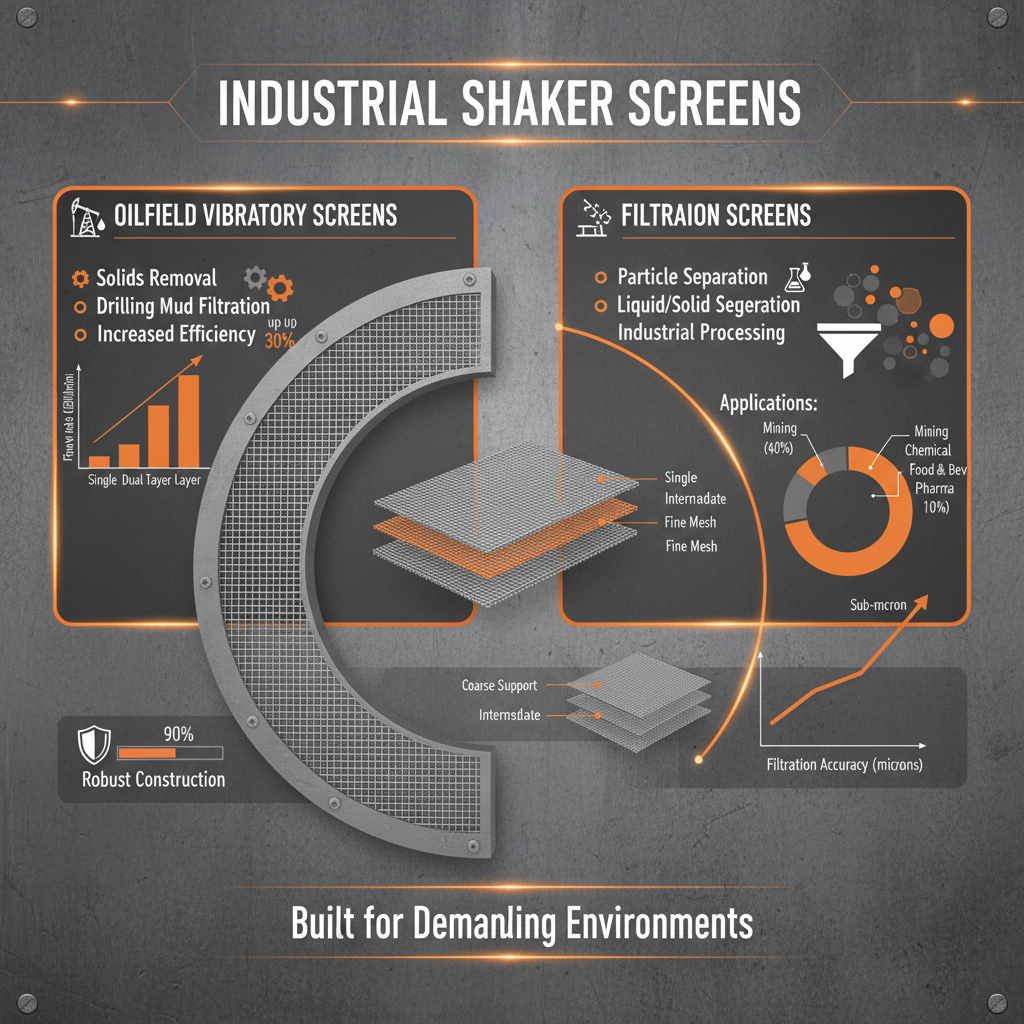
Investing in high-quality industrial shaker screens delivers numerous benefits, including:
- Increased Efficiency: Improved separation results in cleaner fluids and reduced waste.
- Reduced Downtime: Durable screens require less frequent replacement, minimizing downtime.
- Lower Operating Costs: Efficient separation reduces the need for costly secondary treatment processes.
- Extended Equipment Life: Protecting downstream equipment from abrasive solids extends its lifespan.
At Solid Control Part, we are committed to providing superior shaker screens that deliver long-lasting performance and value.
Conclusion: Optimizing Solids Control with the Right Shaker Screen
Selecting the optimal industrial shaker screen product is critical for maximizing efficiency and minimizing costs in various industrial applications. By considering factors like mesh size, screen material, and application-specific needs, you can ensure reliable performance and long-term value. Partner with a trusted supplier like Solid Control Part to access a comprehensive range of high-quality screens and expert guidance.
Frequently Asked Questions (FAQs)
What is the typical lifespan of an industrial shaker screen?
The lifespan of an industrial shaker screen varies significantly based on several factors including the abrasiveness of the solids being processed, the operating conditions (temperature, pressure, flow rate), and the quality of the screen material. Generally, a well-maintained shaker screen can last anywhere from 6 months to 2 years. However, regular inspections are crucial. Look for signs of wear such as holes, tears, or significant deterioration of the mesh. Replacing screens proactively prevents damage to downstream equipment and maintains optimal separation efficiency. Solid Control Part provides durable screens designed for extended service life.
How do I determine the correct mesh size for my application?
Determining the correct mesh size requires understanding the particle size distribution of the solids you are trying to separate. If you're unsure, start by analyzing a sample of the solids to determine the average particle size and the range of particle sizes present. As a general rule, choose a mesh size that is slightly smaller than the smallest particle you want to retain. Consider the trade-off between separation efficiency and flow rate – finer mesh sizes offer better separation but can reduce flow. If you’re unsure, our experienced team at Solid Control Part can assist you with mesh size selection.
What maintenance is required for industrial shaker screens?
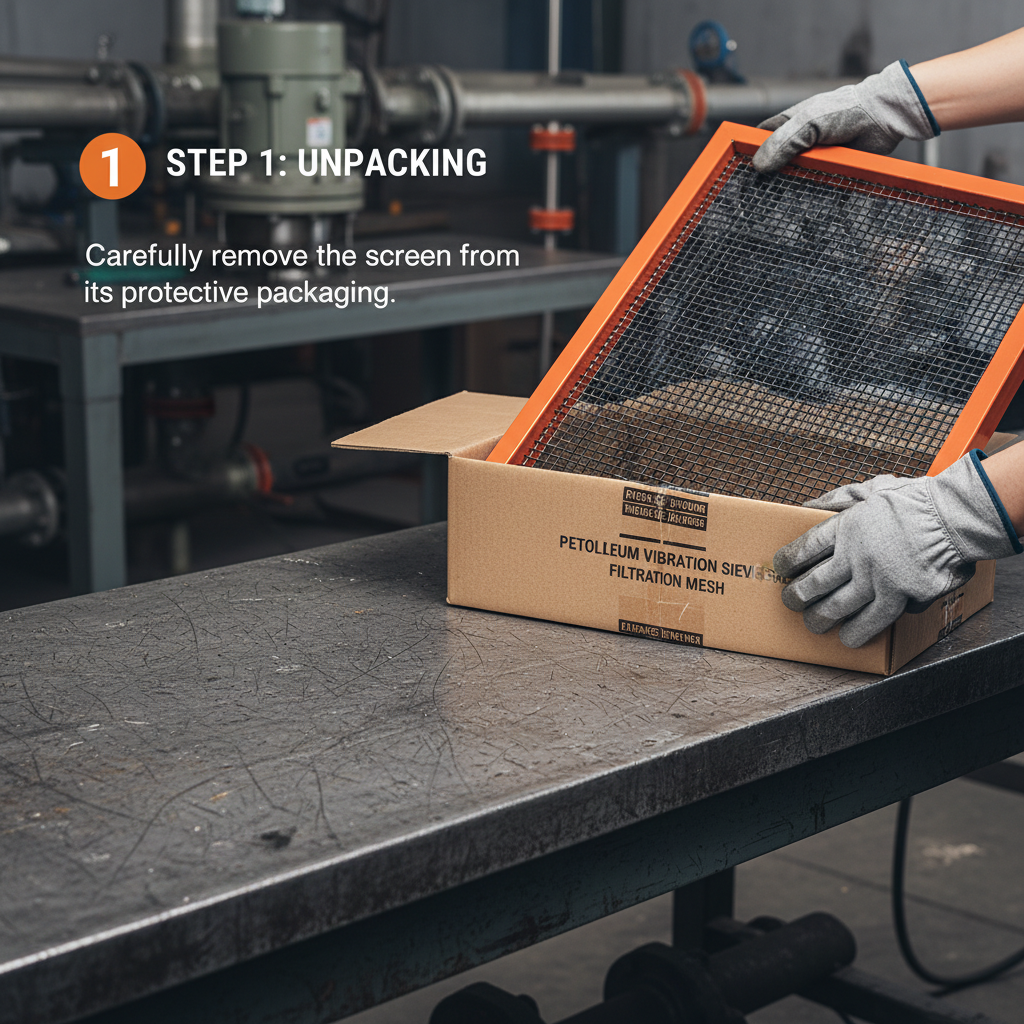
Regular maintenance is essential for maximizing the lifespan and performance of industrial shaker screens. This includes visual inspections for damage, cleaning to remove accumulated solids, and proper storage when not in use. Avoid using abrasive cleaning agents or tools that could damage the mesh. Check the tension of the screen regularly, and tighten or replace it if necessary. It’s also crucial to ensure the shaker equipment itself is properly maintained to avoid excessive vibration or stress on the screens. Consistent maintenance will reduce downtime and optimize your solids control process.
Can I repair a damaged shaker screen?
While minor damage, like small tears, can sometimes be temporarily repaired with patching materials, it’s generally not recommended to repair industrial shaker screens. Repairs can compromise the structural integrity of the screen and lead to inconsistent separation. Furthermore, a repaired screen may fail prematurely, causing unexpected downtime. The most reliable and cost-effective approach is to replace the damaged screen with a new one. Solid Control Part offers a wide selection of replacement screens to ensure you can quickly restore your solids control system to optimal performance.