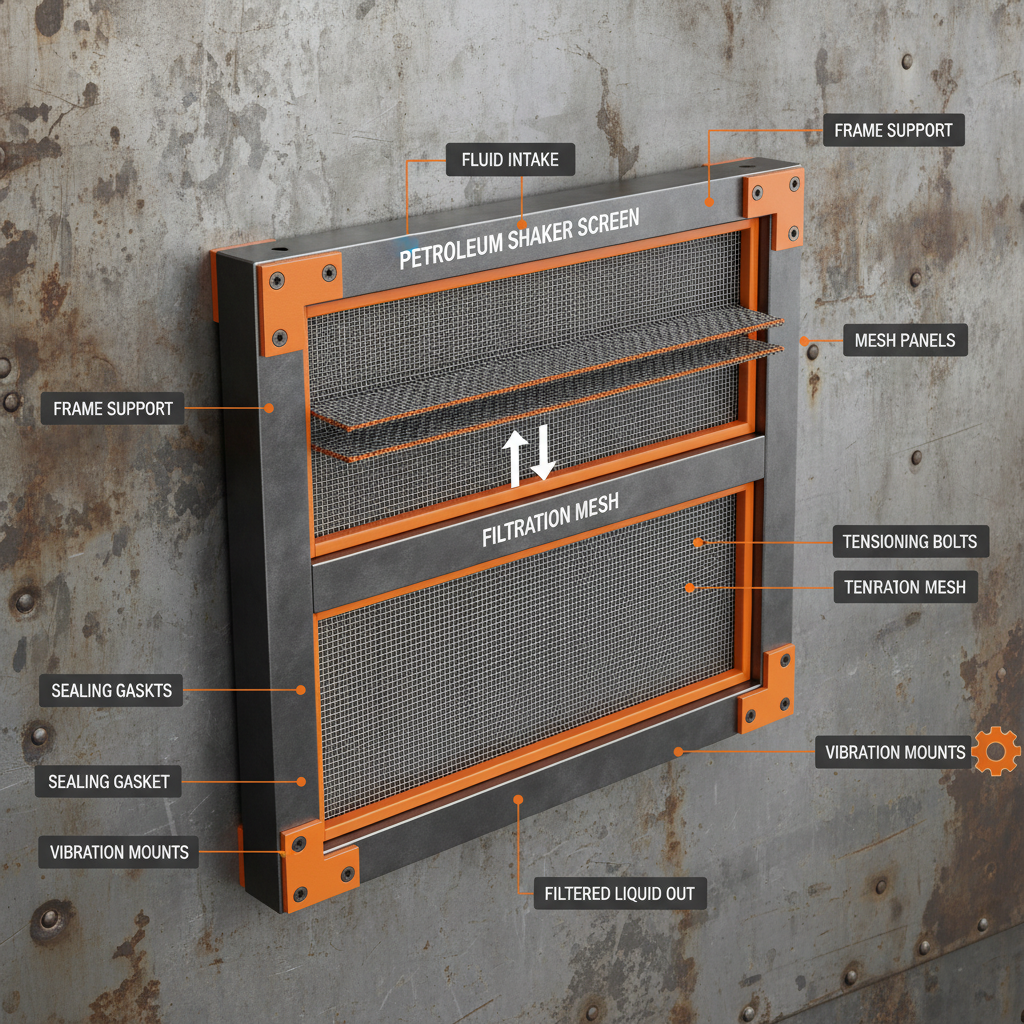
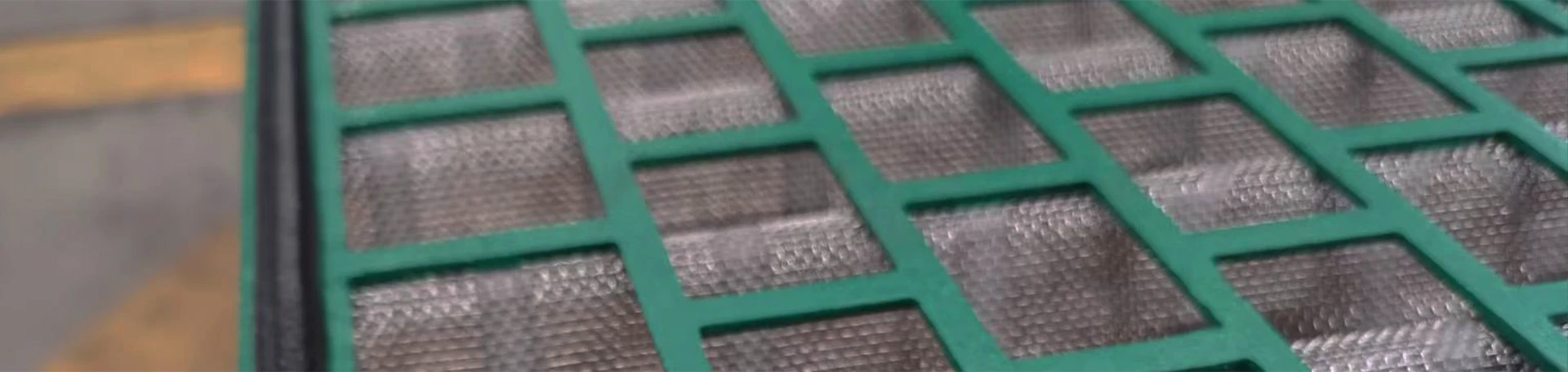
Understanding Shaker Screen Mesh Product for Efficient Solids Control
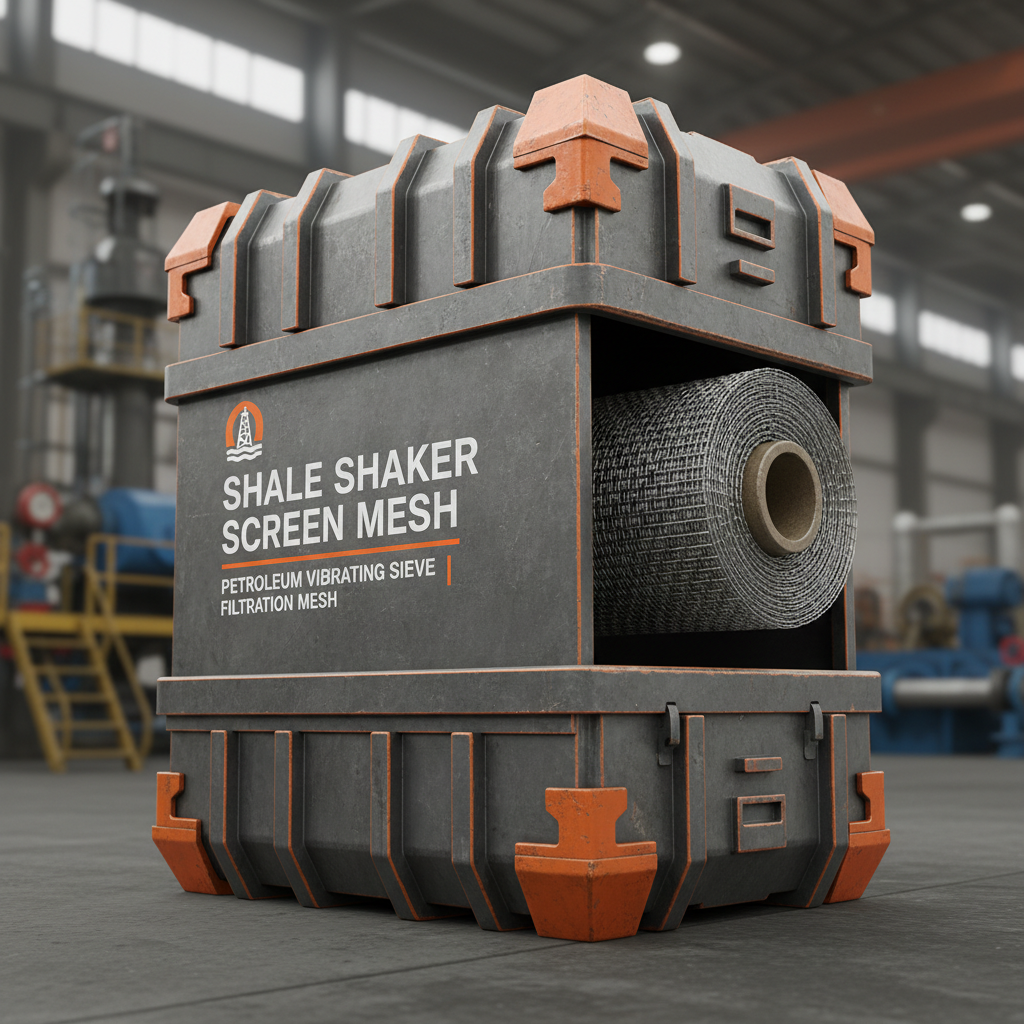
In the oil and gas, mining, and water treatment industries, efficient solids control is paramount for optimizing performance and reducing operational costs. A critical component of any effective solids control system is the shaker screen mesh product. These screens play a vital role in separating solids from drilling fluids, ensuring cleaner fluids are recirculated and minimizing downtime. This article will delve into the world of shaker screens, covering their types, applications, material considerations, and why choosing the right product is crucial for success. Investing in quality shaker screens translates directly into improved efficiency, reduced waste, and enhanced overall profitability.
Types of Shaker Screen Mesh Products
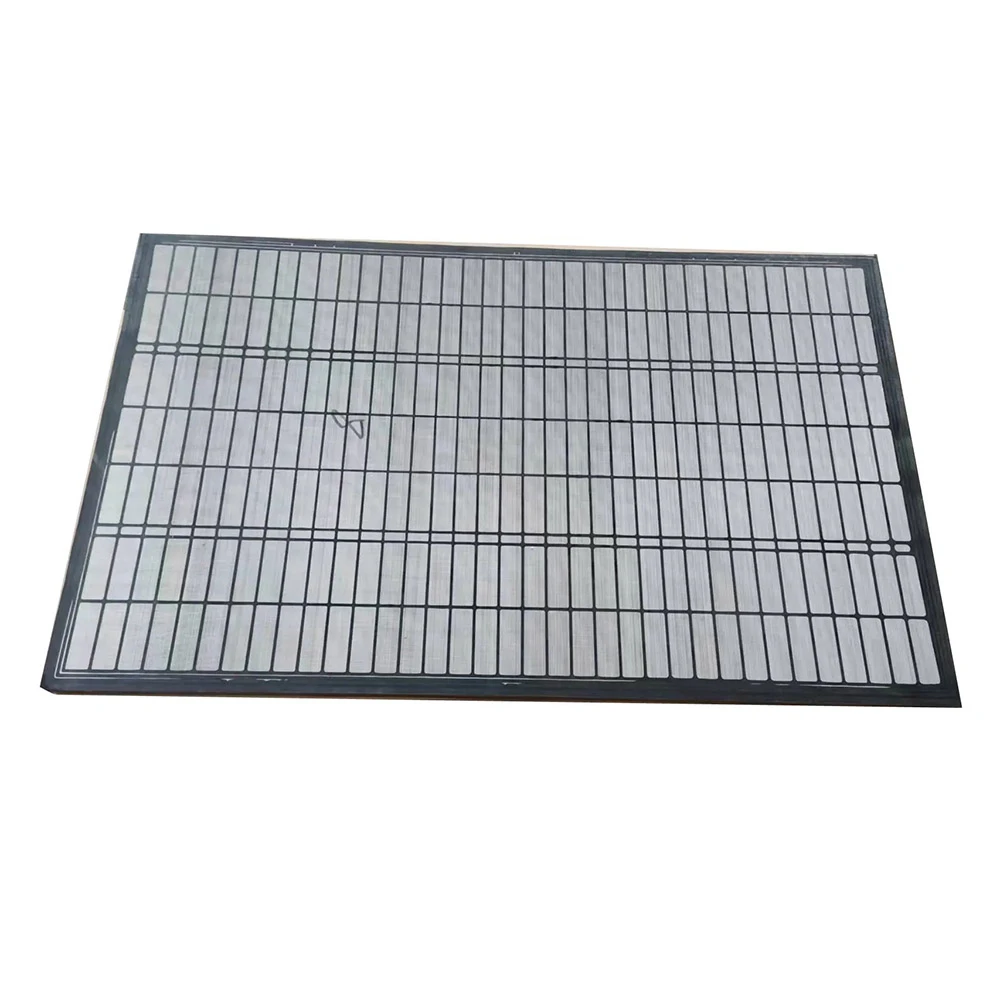
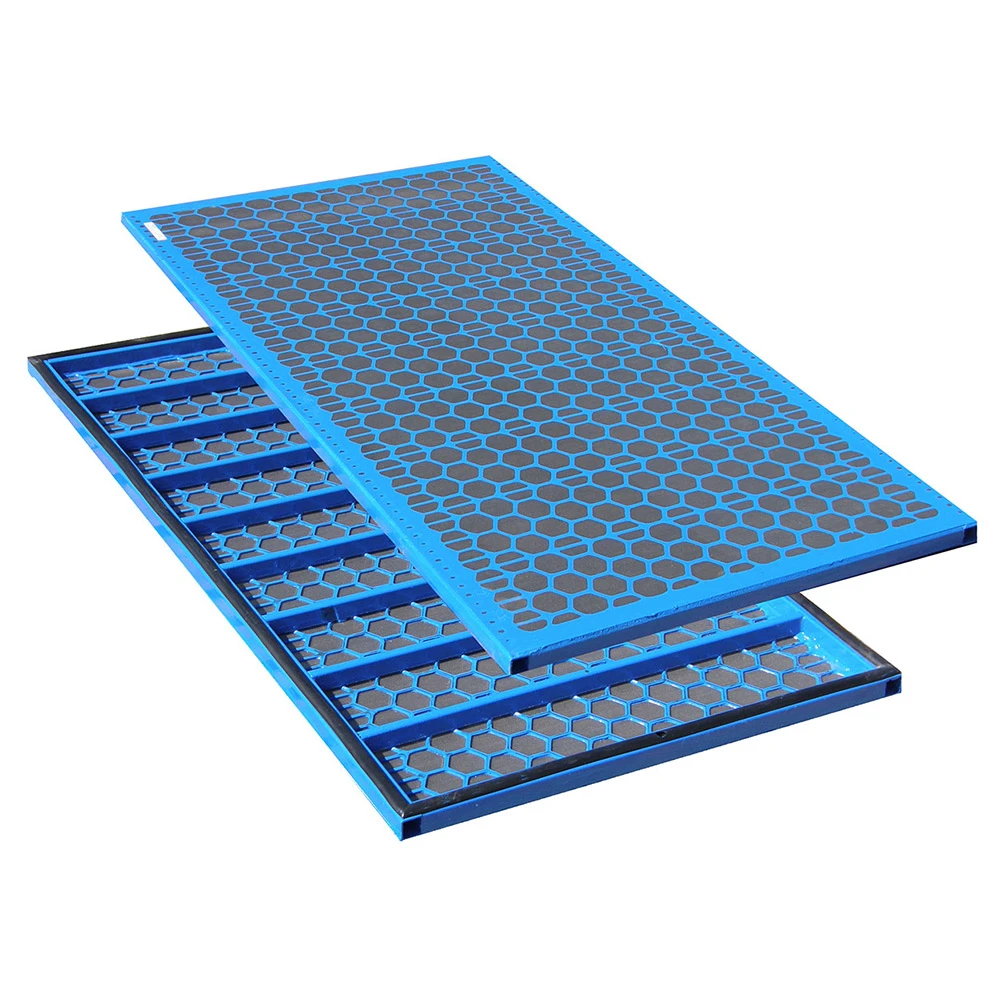
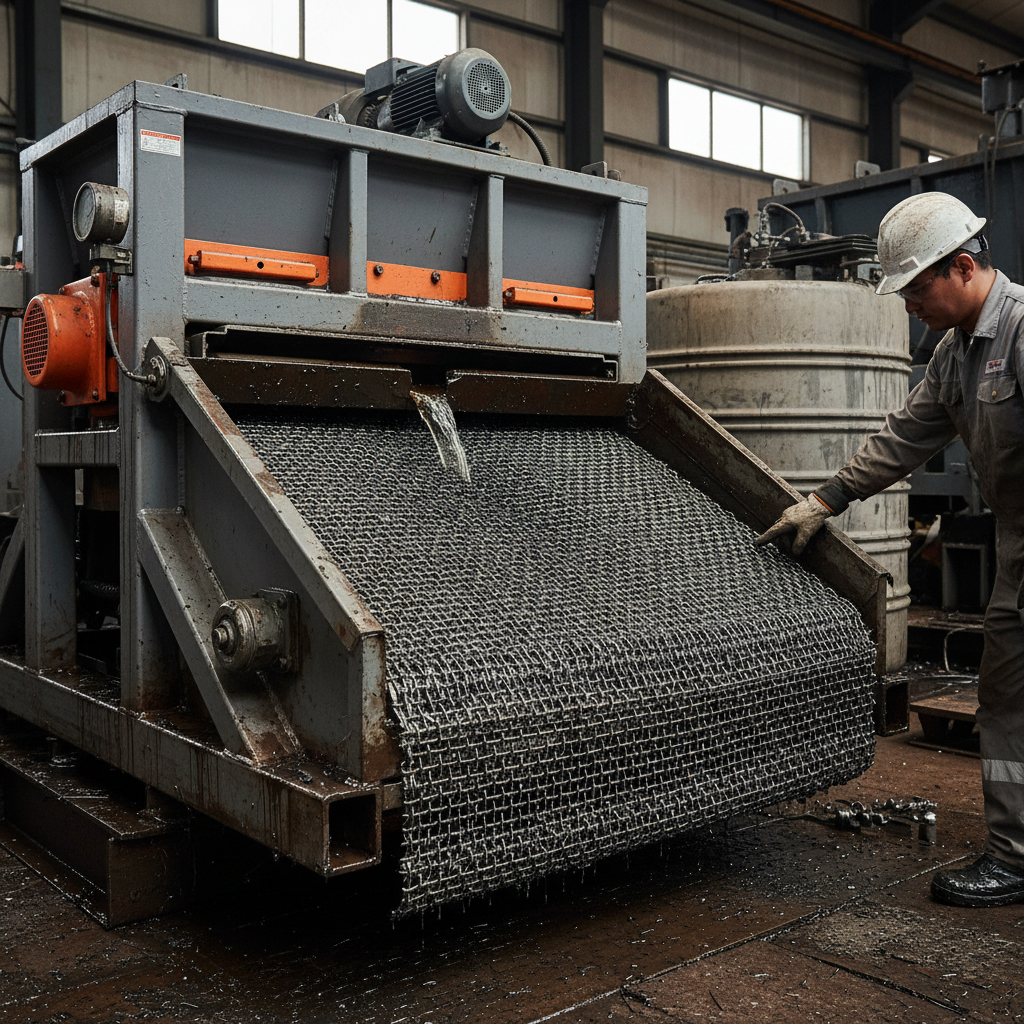
Shaker screen mesh products aren’t one-size-fits-all. They come in various types, each designed for specific applications and particle size separation requirements. The primary classifications are based on mesh size, material, and frame construction. Common types include: Coarse mesh screens used for removing large cuttings; Medium mesh screens for general-purpose solids removal; and Fine mesh screens utilized for capturing smaller particles and polishing drilling fluids. Frame materials can range from stainless steel to composite materials, impacting durability and resistance to corrosion. Understanding these distinctions is crucial for selecting the most effective screen for your specific needs. Solid Control Parts offers a comprehensive range to address diverse operational challenges.
Key Takeaway: Selecting the correct shaker screen mesh type is vital to maximize separation efficiency and minimize fluid loss.
Material Considerations for Shaker Screen Mesh
The material used in the construction of a shaker screen significantly impacts its performance and longevity. Common materials include stainless steel, polyurethane, and composite blends. Stainless steel screens offer excellent durability and resistance to corrosion, making them suitable for harsh environments. Polyurethane screens provide good abrasion resistance and are often used for handling abrasive solids. Composite screens combine the benefits of both materials, offering a balance of durability, abrasion resistance, and cost-effectiveness. The choice of material depends on the specific solids being processed, the operating environment, and budgetary constraints. Solid Control Parts provides high-quality screens made from a variety of materials to suit diverse applications.
Material Comparison:
• Stainless Steel: High durability, corrosion resistance.
• Polyurethane: Excellent abrasion resistance.
• Composite: Balanced properties, cost-effective.
Shaker Screen Mesh Product: A Comparative Analysis
Choosing between different manufacturers and screen types can be challenging. Here's a comparative analysis based on key factors like cost, durability, and performance. We’ll compare OEM (Original Equipment Manufacturer) screens with aftermarket options like those offered by Solid Control Parts. While OEM screens often carry a premium price tag, aftermarket options can offer comparable performance at a more competitive cost. Careful consideration of your specific needs and budget is essential.
Applications of Shaker Screen Mesh Products
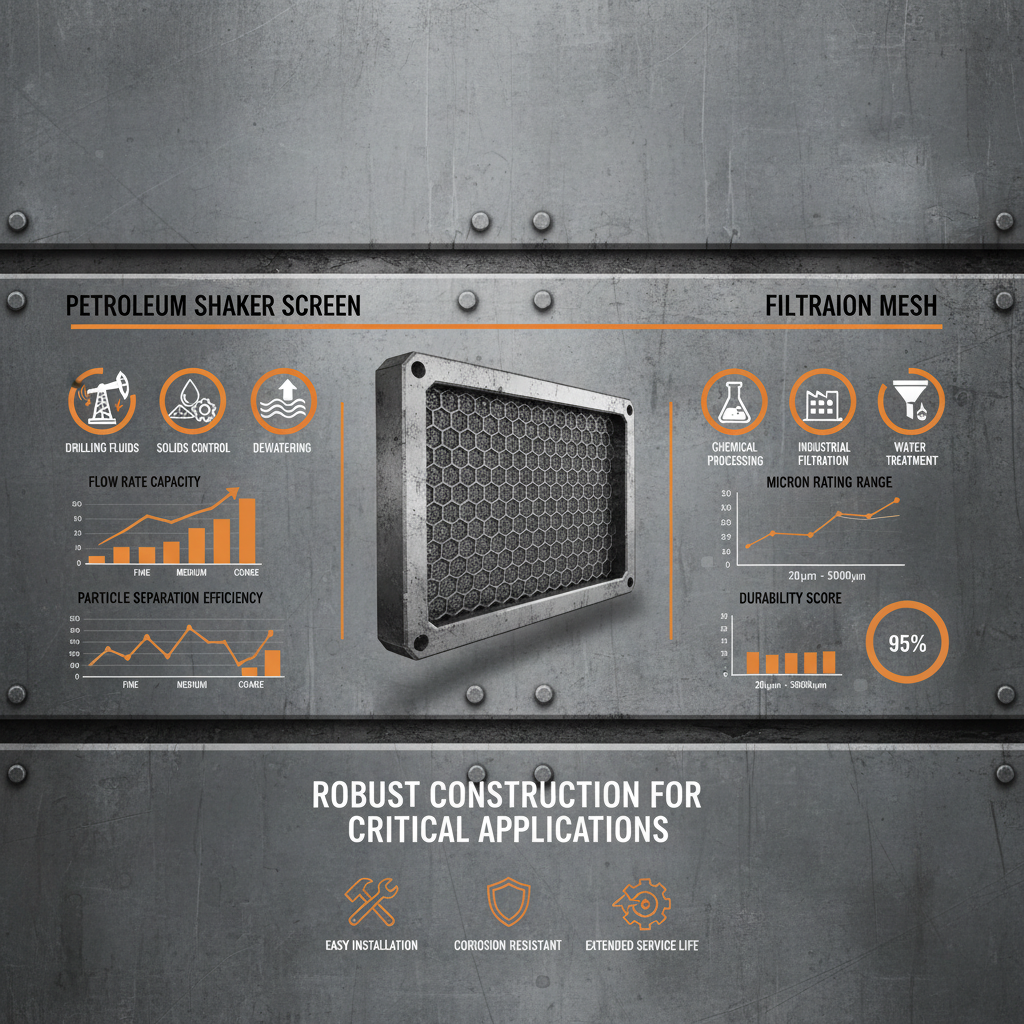
The applications for shaker screen mesh products are broad. In the oil and gas industry, they are indispensable for cleaning drilling fluids, preventing damage to downhole tools, and ensuring efficient drilling operations. In mining operations, they are used for separating valuable minerals from waste materials. Water and wastewater treatment plants employ shaker screens for removing solids and improving water quality. Choosing the correct screen for a specific application is vital for optimal performance and cost-effectiveness.
Selecting the Right Shaker Screen Mesh Product
Choosing the right shaker screen involves considering several factors. First, determine the particle size distribution of the solids you need to remove. Second, assess the abrasiveness of the solids. Third, consider the operating environment. Finally, evaluate your budget. Solid Control Parts offers expert guidance and a wide range of options to help you make the optimal choice for your specific application. Don’t hesitate to consult with their team to ensure you get the best possible solution.
Conclusion: Optimizing Solids Control with Quality Shaker Screens
Investing in high-quality shaker screen mesh products is a critical step towards optimizing solids control, reducing operational costs, and enhancing overall efficiency. By carefully considering your specific needs and choosing the right screen for your application, you can significantly improve performance and extend the lifespan of your equipment. Don't compromise on quality – choose a trusted supplier like Solid Control Parts.
Frequently Asked Questions (FAQs)
How often should I replace my shaker screen mesh?
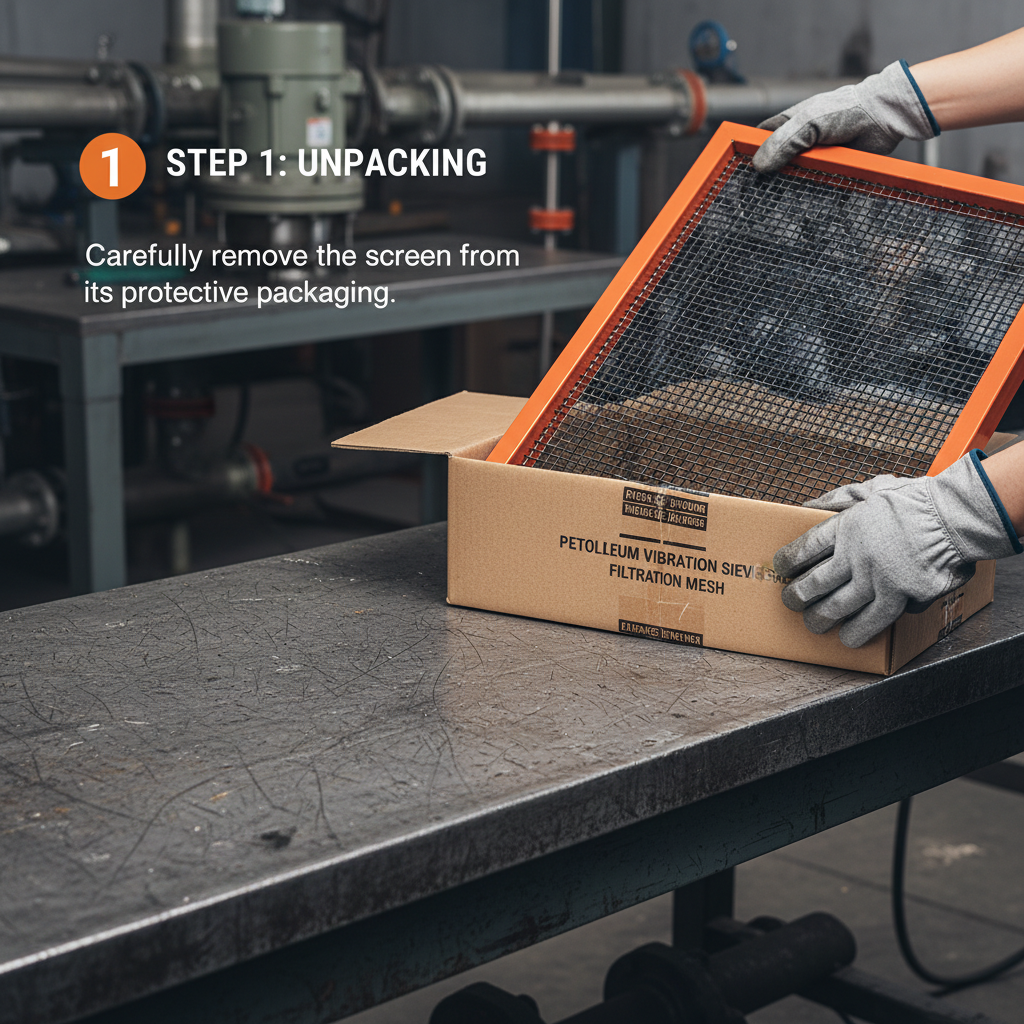
The replacement frequency depends on several factors, including the type of solids being processed, the abrasiveness of the material, and the screen's material composition. Regularly inspect the screen for signs of wear, such as holes, tears, or excessive thinning of the mesh. As a general guideline, replace the screen when its performance noticeably declines or when visual damage is detected. In high-volume or abrasive applications, more frequent replacements may be necessary. A preventative maintenance schedule is always recommended.
What mesh size is best for my application?
The ideal mesh size depends on the particle size distribution of the solids you need to remove. Coarse mesh screens (e.g., 100 mesh) are suitable for removing large cuttings. Medium mesh screens (e.g., 140-200 mesh) are good for general-purpose solids removal. Fine mesh screens (e.g., 230-400 mesh) are used for capturing smaller particles. If you're unsure, it’s best to start with a medium mesh screen and adjust as needed based on your results. Consulting with Solid Control Parts' experts can help you determine the optimal mesh size for your specific application.
Are aftermarket shaker screens as good as OEM screens?
High-quality aftermarket shaker screens, such as those offered by Solid Control Parts, can often provide comparable performance to OEM screens at a lower cost. These screens are manufactured to meet or exceed OEM specifications and utilize durable materials. The key is to choose a reputable supplier with a proven track record.
How can I extend the life of my shaker screens?
To extend the life of your shaker screens, avoid overloading the shaker, ensure proper screen tension, and inspect the screens regularly for wear and damage. Remove large objects that could cause damage. Additionally, consider using a pre-screen to remove larger cuttings before they reach the main shaker screen. Proper maintenance and careful operation can significantly prolong the lifespan of your shaker screens and reduce your overall costs.