Understanding Shaker Screen Products for Efficient Solids Control
In the demanding world of drilling operations, efficient solids control is paramount. A critical component of any effective system is the shaker screen product. These screens are the first line of defense in removing drill cuttings and ensuring a cleaner drilling fluid is recirculated. Choosing the right shaker screen significantly impacts drilling performance, reduces costs, and minimizes environmental impact. This article delves into the intricacies of shaker screens, exploring their types, applications, and the factors to consider when selecting the optimal solution for your operations. Investing in high-quality screens directly translates to increased efficiency and longevity of your drilling equipment.
What are Shaker Screen Products?
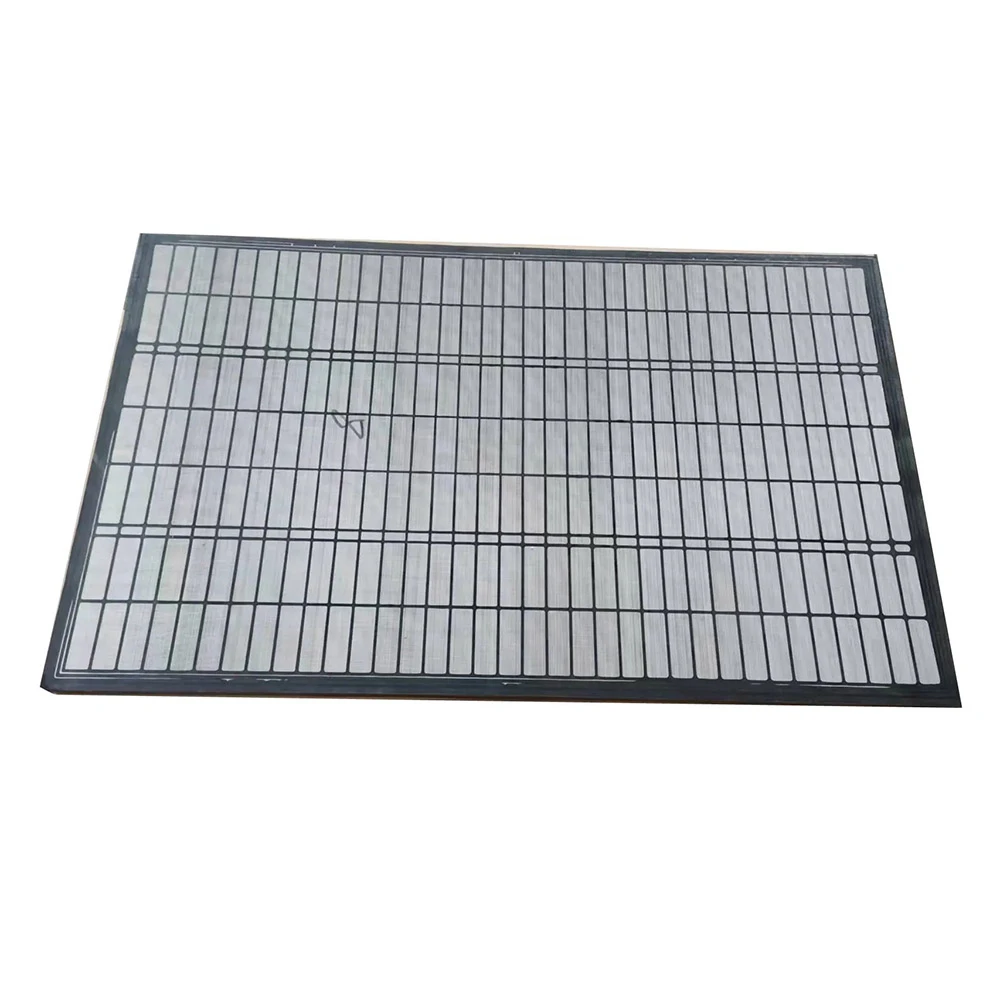
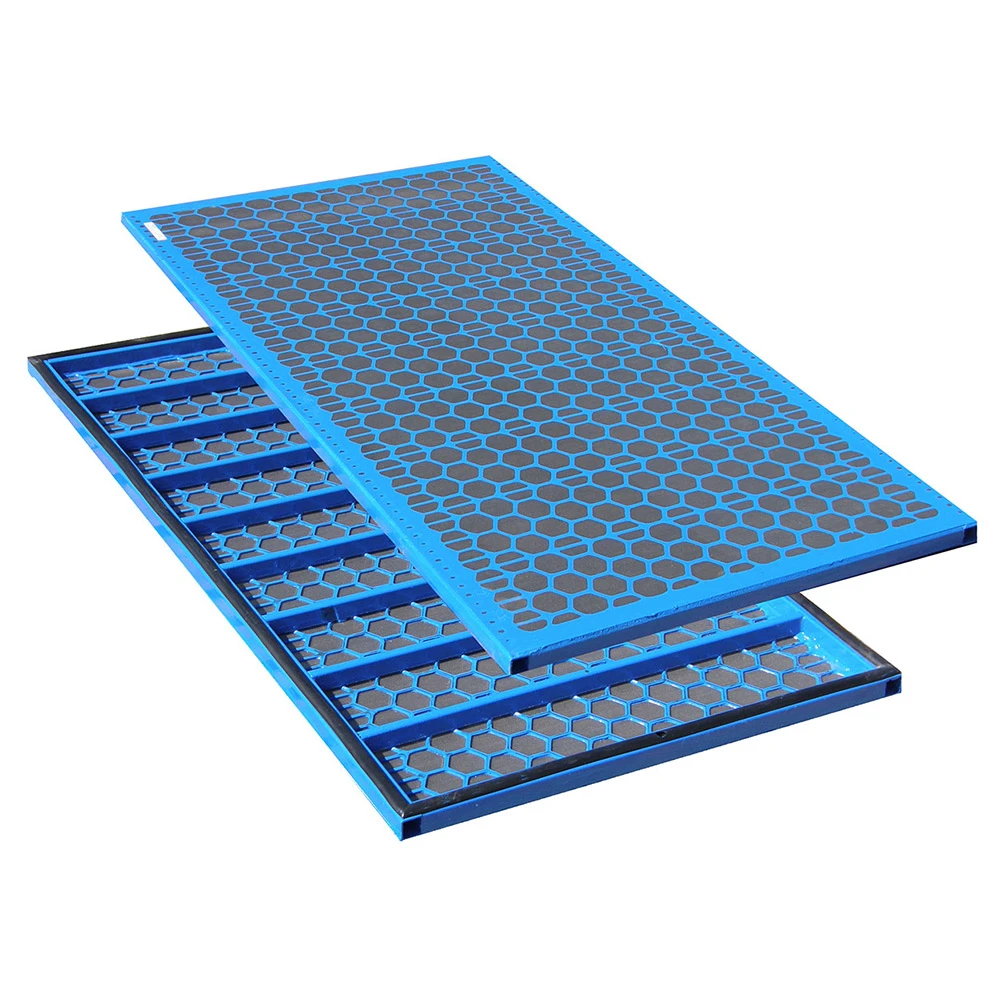
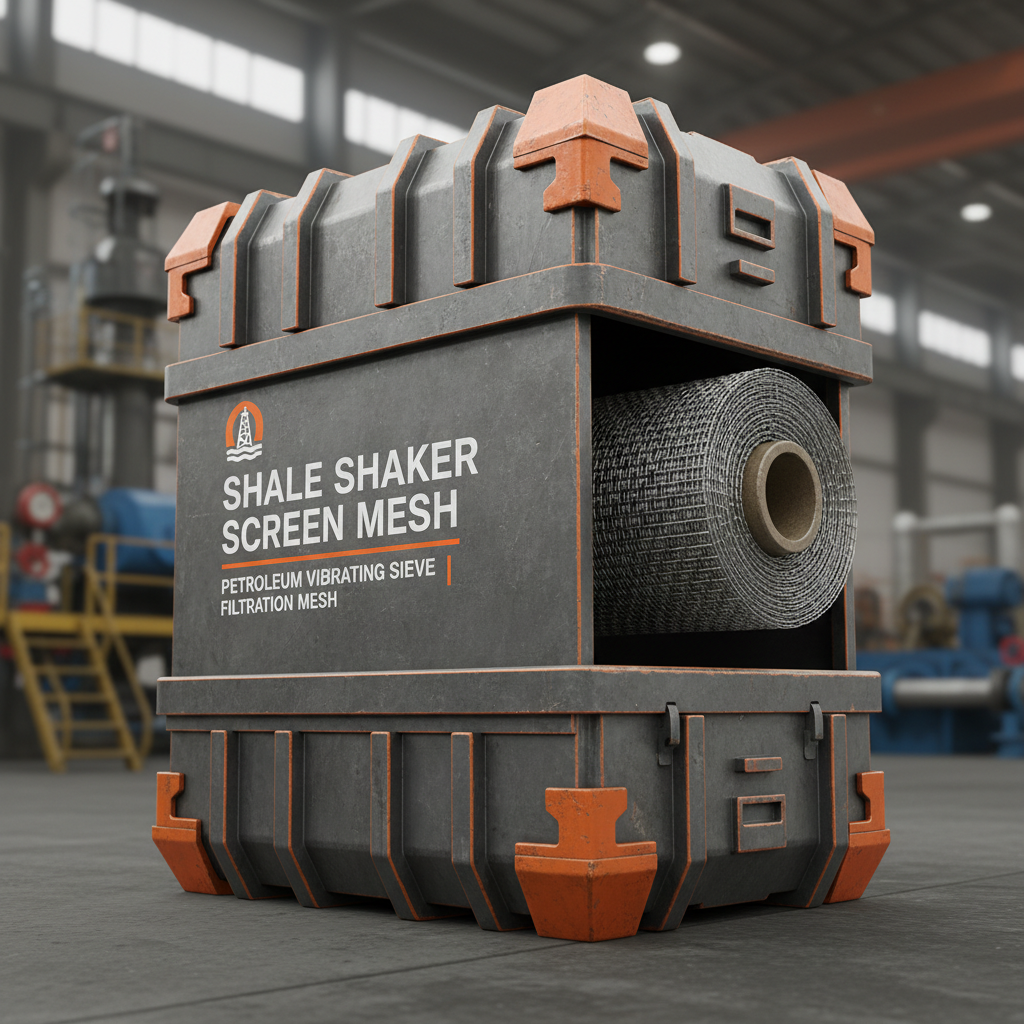
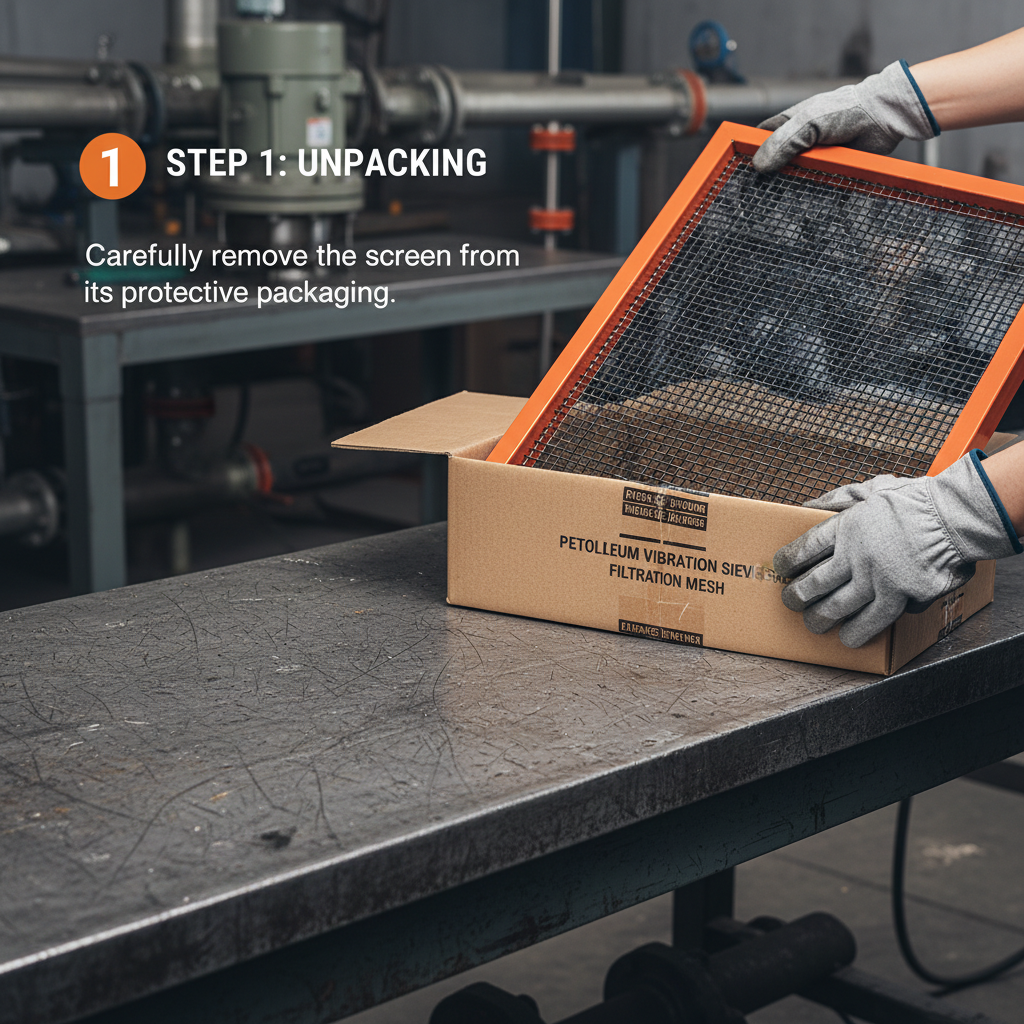
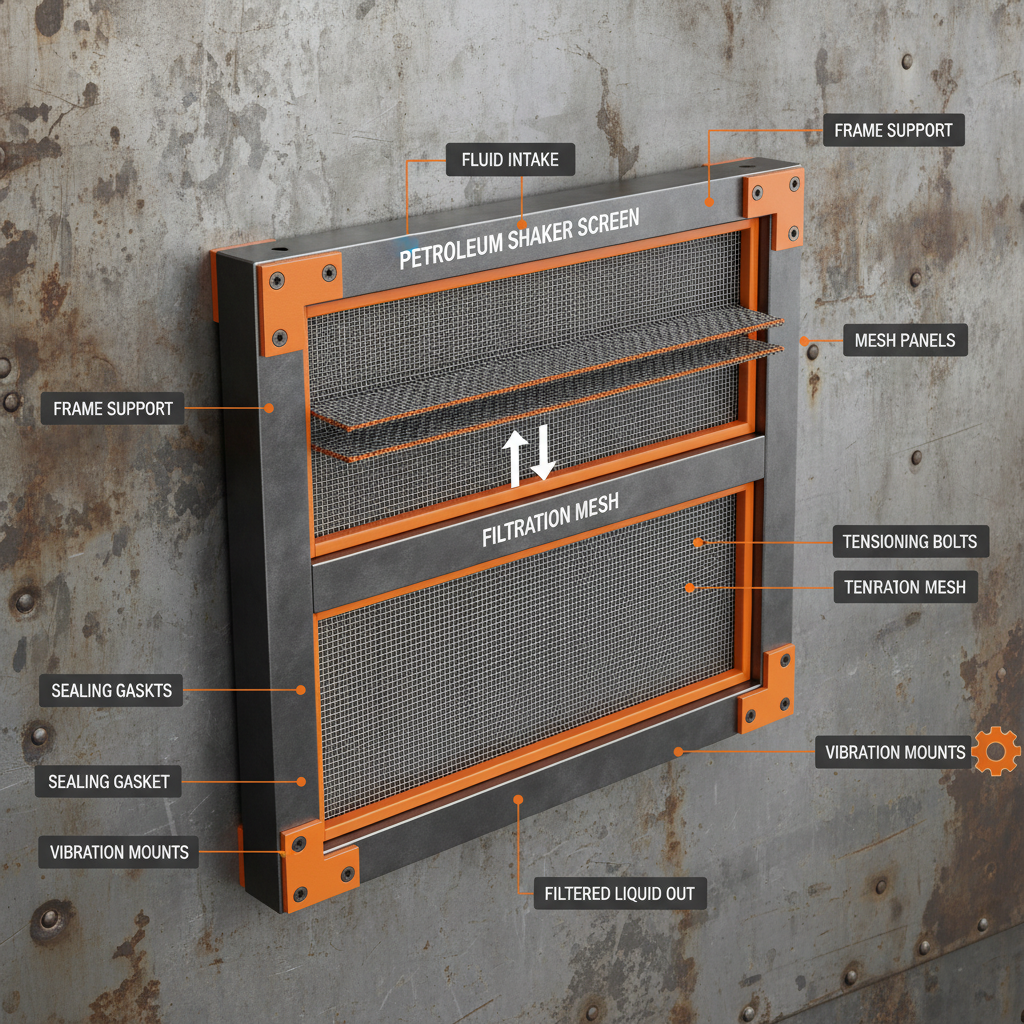
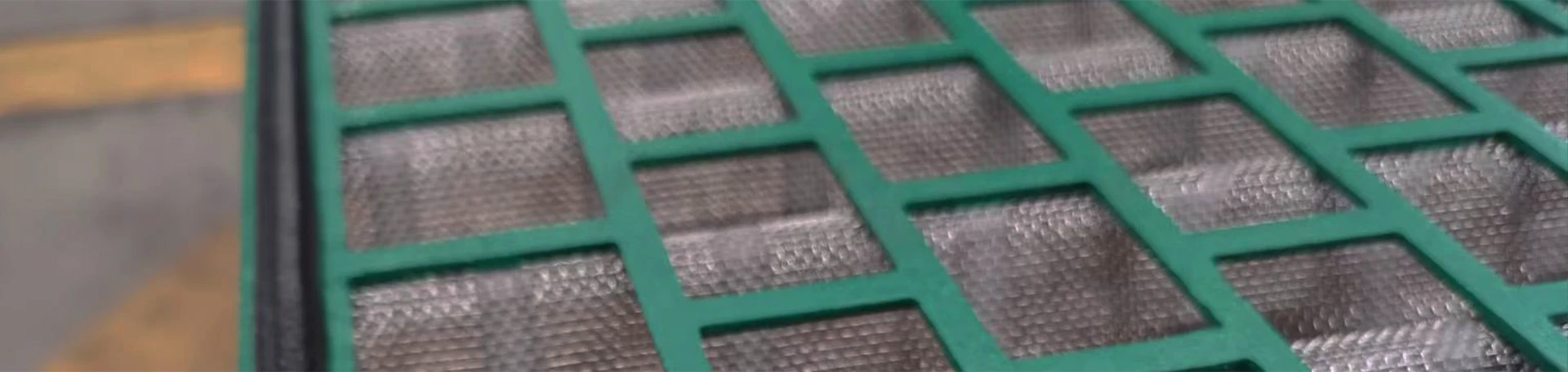
Shaker screen products are meticulously engineered mesh screens used in shale shakers to separate solid particles from drilling fluid. These solids, primarily drill cuttings, are removed before the fluid is returned to the wellbore, maintaining its properties and preventing damage to downhole tools. Shaker screens come in a variety of mesh sizes, materials, and frame designs to accommodate different drilling conditions and fluid types. The right shaker screen maximizes solids removal while minimizing fluid loss, improving overall drilling efficiency. Regular replacement of worn screens is vital for maintaining optimal performance.
Key Benefits: Maximizes solids removal, minimizes fluid loss, improves drilling efficiency, reduces wear on downhole tools, and lowers overall drilling costs.
Types of Shaker Screen Products
Shaker screens aren’t one-size-fits-all. They are categorized by mesh size, material, and construction. Common types include:
- Mesh Size: Ranging from coarse (80-120 mesh) for removing large cuttings to fine (200-400 mesh) for polishing fluids and minimizing solids content.
- Material: Stainless steel (durable and corrosion-resistant), composite materials (lighter and more cost-effective), and polyurethane (excellent abrasion resistance).
- Frame Construction: Pre-tensioned, corrugated, and flat-weave screens, each offering different flow rates and solids removal capacities.
The selection of the appropriate screen type depends on the specific drilling operation, the type of formation being drilled, and the properties of the drilling fluid. Solid Control Parts provides a wide range of screen options to meet these diverse needs.
Choosing the Right Screen: Consider mesh size, material, frame type, and compatibility with your shaker.
Shaker Screen Mesh Size and Application
Different mesh sizes are tailored to specific solids removal requirements. Here’s a quick reference guide:
Factors to Consider When Choosing Shaker Screen Products
Selecting the ideal shaker screen product involves carefully considering several factors. These include the type of drilling fluid used, the geological formations being drilled, the flow rate of the drilling fluid, and the capacity of the shale shaker. It's crucial to balance solids removal efficiency with fluid loss, optimizing performance while minimizing operational costs.
Conclusion: Optimize Drilling with the Right Shaker Screens
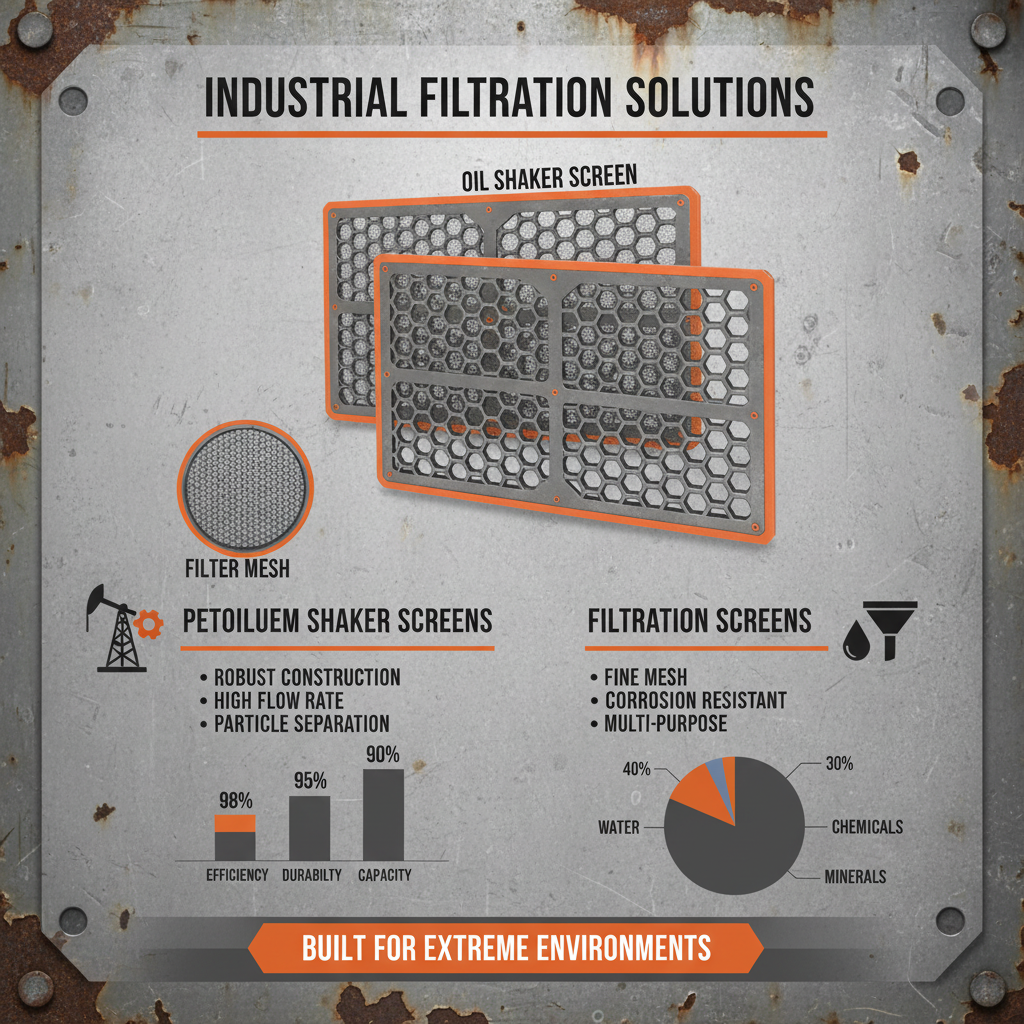
Investing in quality shaker screen products is a cornerstone of efficient and cost-effective drilling operations. By understanding the different types, applications, and factors to consider, you can select the optimal screens for your specific needs. Solid Control Parts offers a comprehensive range of shaker screens, backed by expert support, to help you maximize drilling performance and minimize operational costs.
Frequently Asked Questions (FAQs)
How often should I replace my shaker screens?
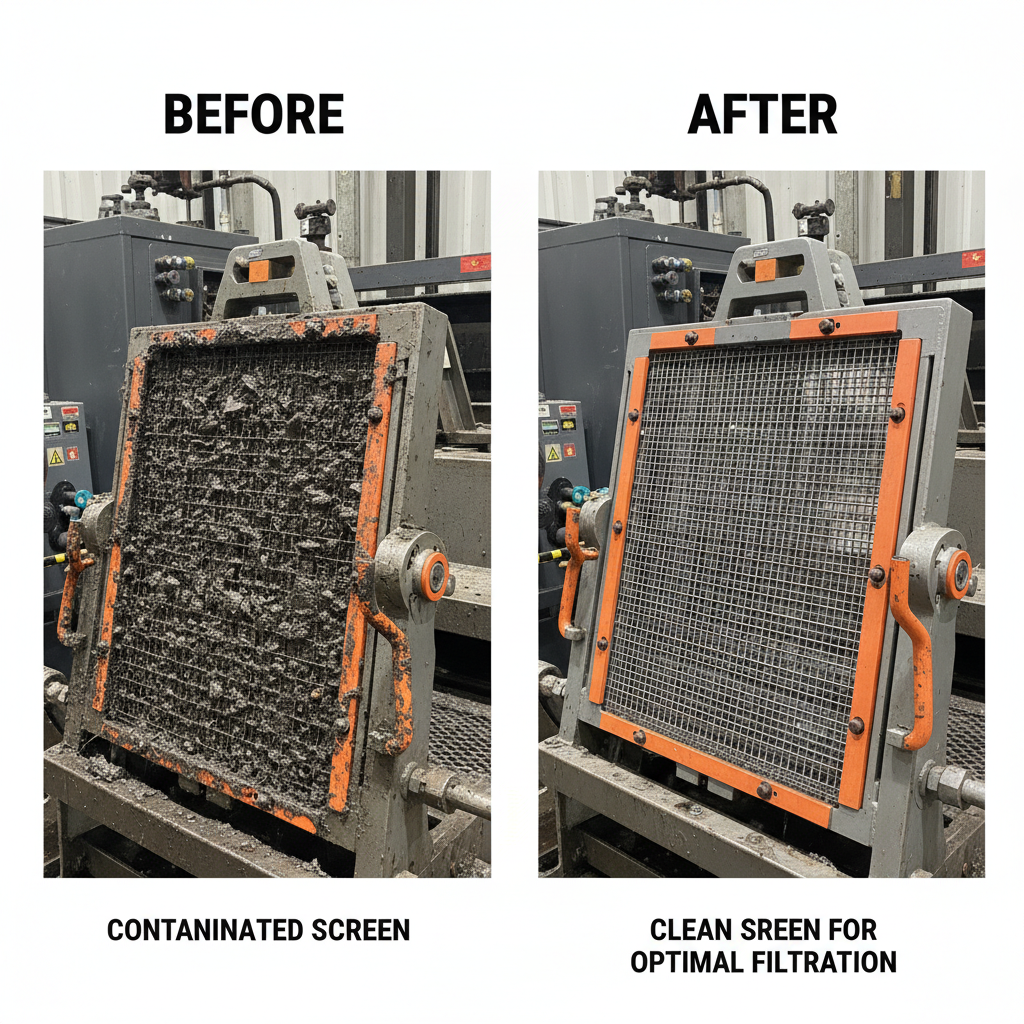
The frequency of shaker screen replacement depends on several factors, including drilling fluid composition, the type of formation being drilled, and the screen material. Regularly monitor screen performance for reduced flow rates, increased fluid loss, or visible wear and tear. As a general guideline, inspect screens at least once per shift and replace them when they exhibit signs of damage or decreased efficiency. Aggressive formations or abrasive fluids will require more frequent replacements. Ignoring this maintenance can lead to increased fluid costs, reduced drilling rates, and potential equipment damage.
What is the benefit of using stainless steel shaker screens?
Stainless steel shaker screens offer exceptional durability, corrosion resistance, and longevity. They are particularly well-suited for harsh drilling environments involving saltwater, corrosive fluids, or abrasive solids. While typically more expensive upfront than composite screens, their extended lifespan and consistent performance often result in lower overall costs. Stainless steel screens also maintain their structural integrity better under high temperatures and pressures.
How do I choose the correct mesh size for my application?
Choosing the correct mesh size depends on the desired level of solids removal and the characteristics of the drilling fluid. Start with a coarser mesh size for initial removal of large cuttings and progress to finer meshes for polishing the fluid and removing smaller particles. Consider the particle size distribution of the solids being drilled. If you’re encountering issues with fluid contamination or downhole tool wear, a finer mesh size may be necessary. Consulting with a solids control expert can help you determine the optimal mesh size for your specific drilling operation.