Shaker Screen Mesh Products: A Comprehensive Guide
In the demanding world of solid control, efficient separation of solids from fluids is critical. Shaker screen mesh products are the heart of this process, playing a vital role in industries like oil & gas, water treatment, and mining. This article provides an in-depth exploration of shaker screen mesh, covering types, materials, applications, and how to select the right product for your specific needs. Choosing the correct shaker screen mesh can significantly impact the efficiency of your operations and reduce overall costs. We'll help you understand the key factors to consider for optimal performance.
Understanding Shaker Screen Mesh: The Core Component
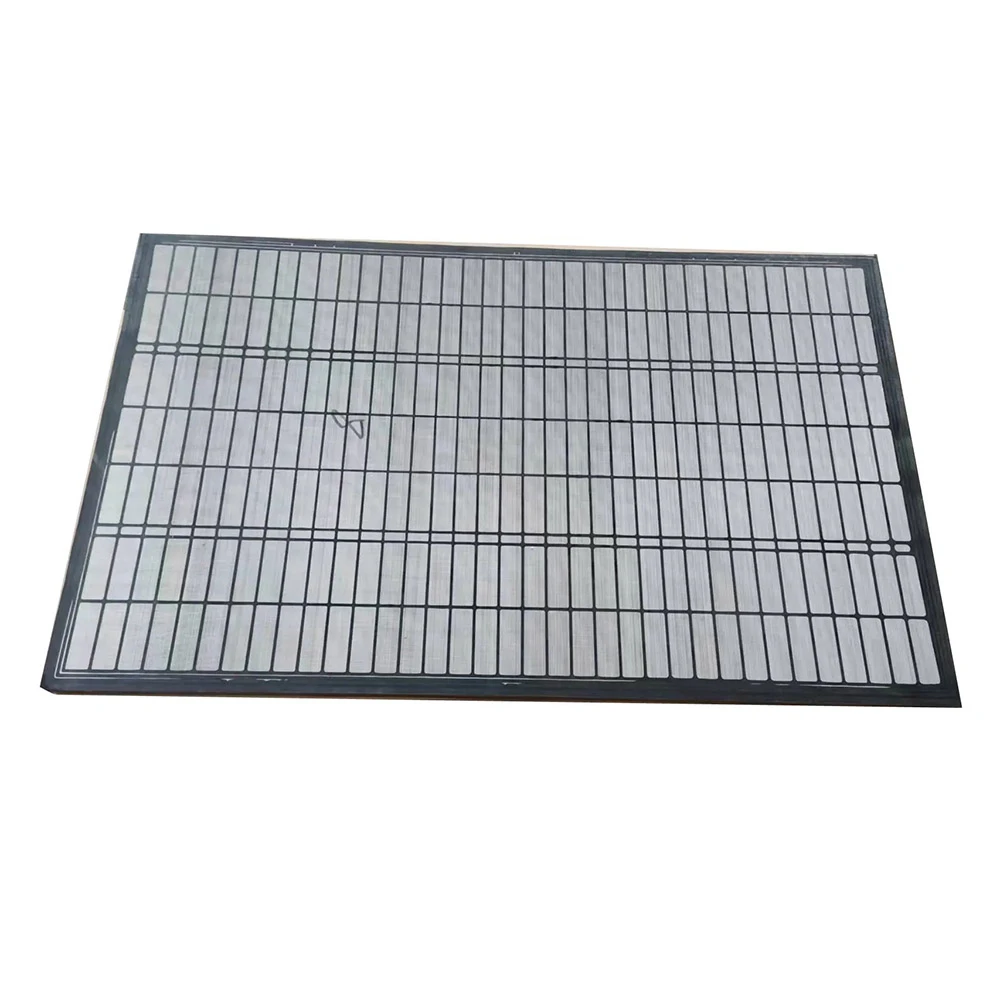
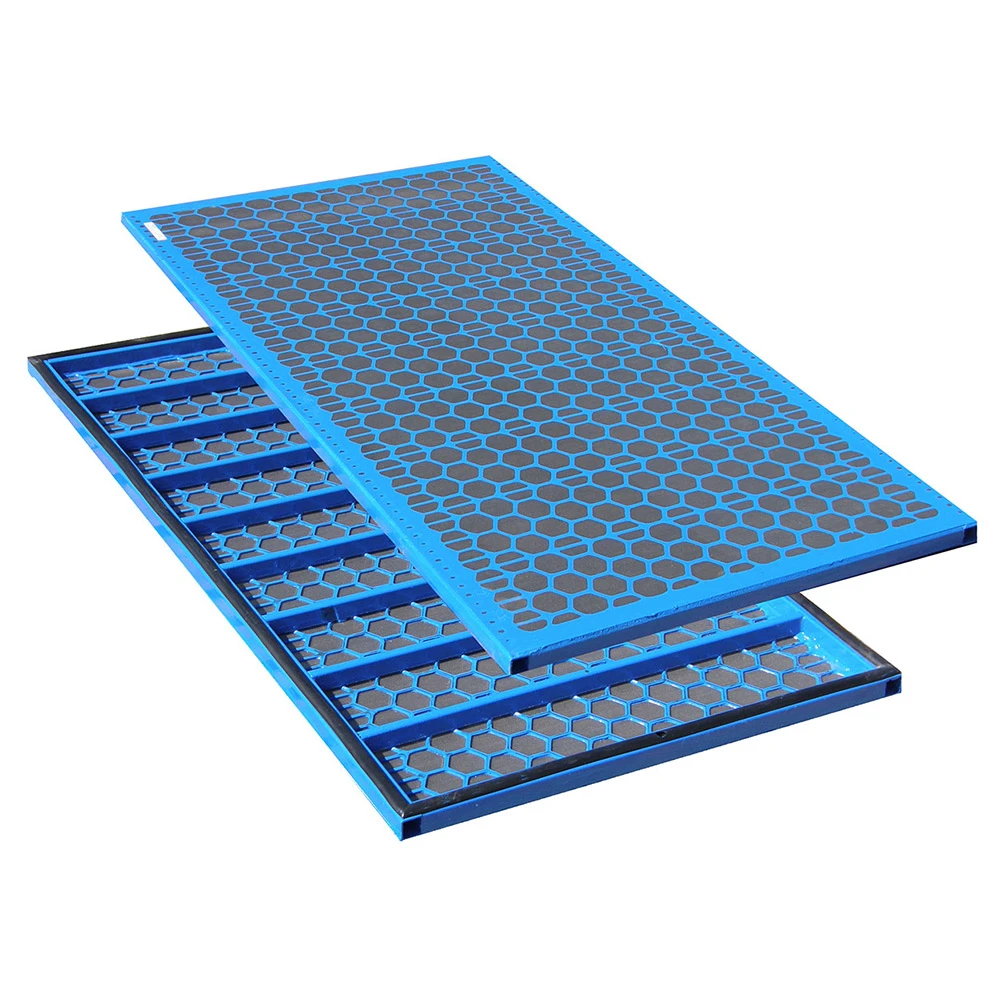
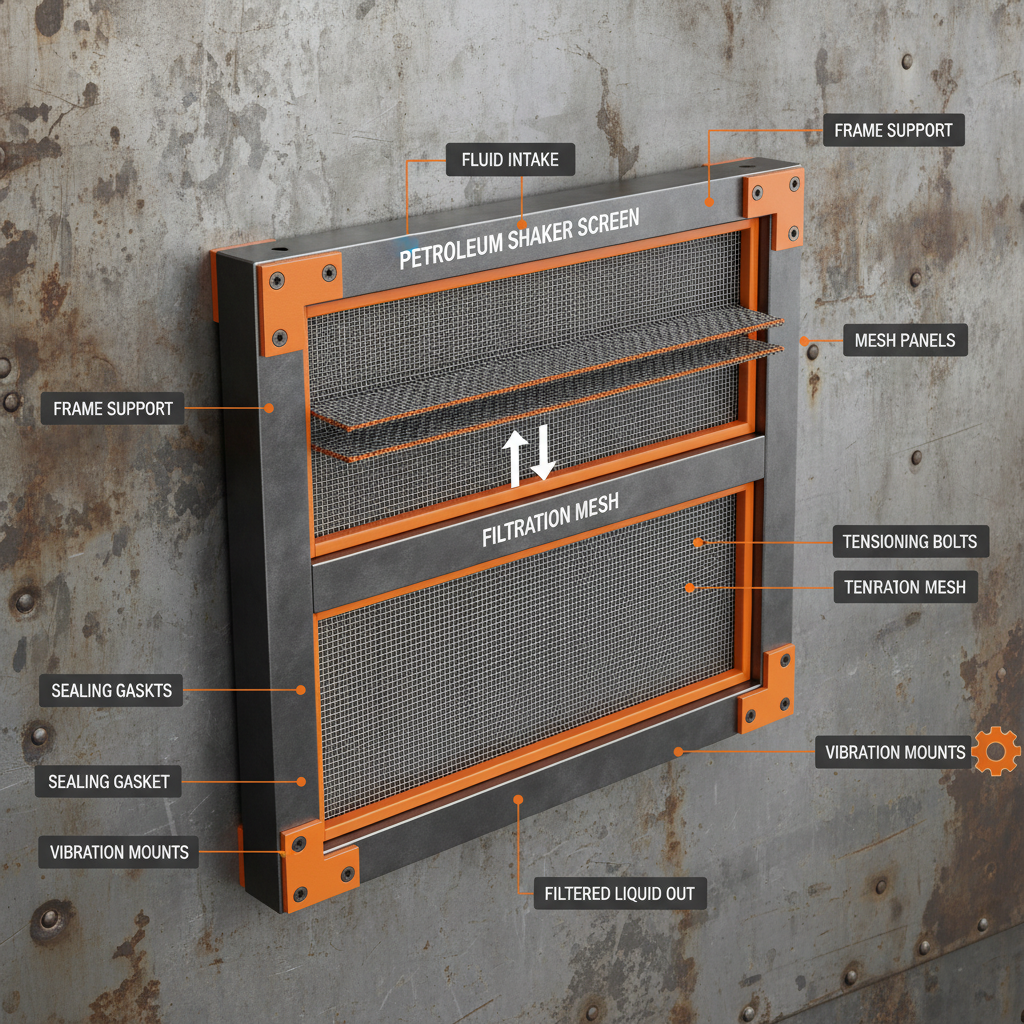
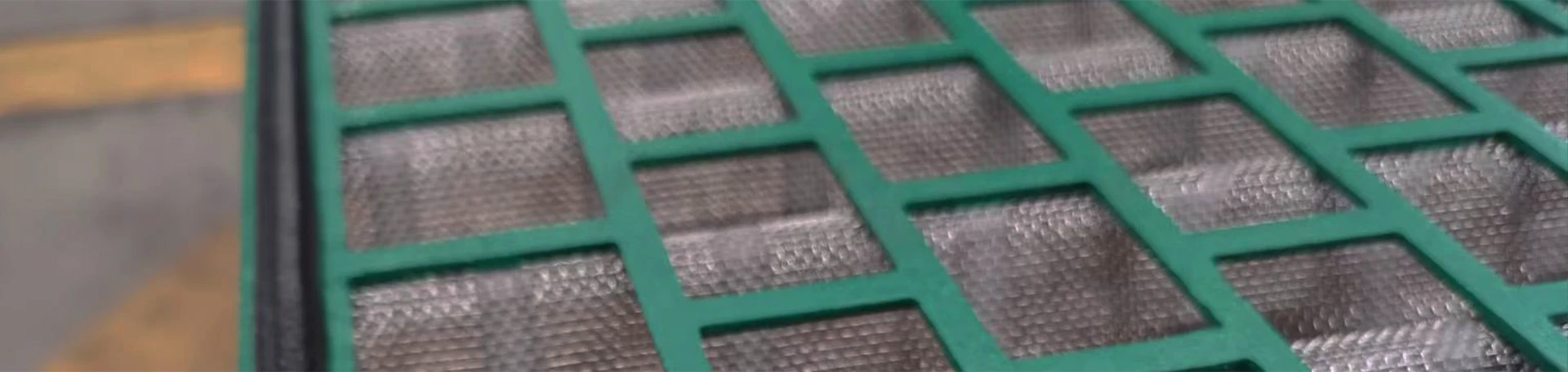
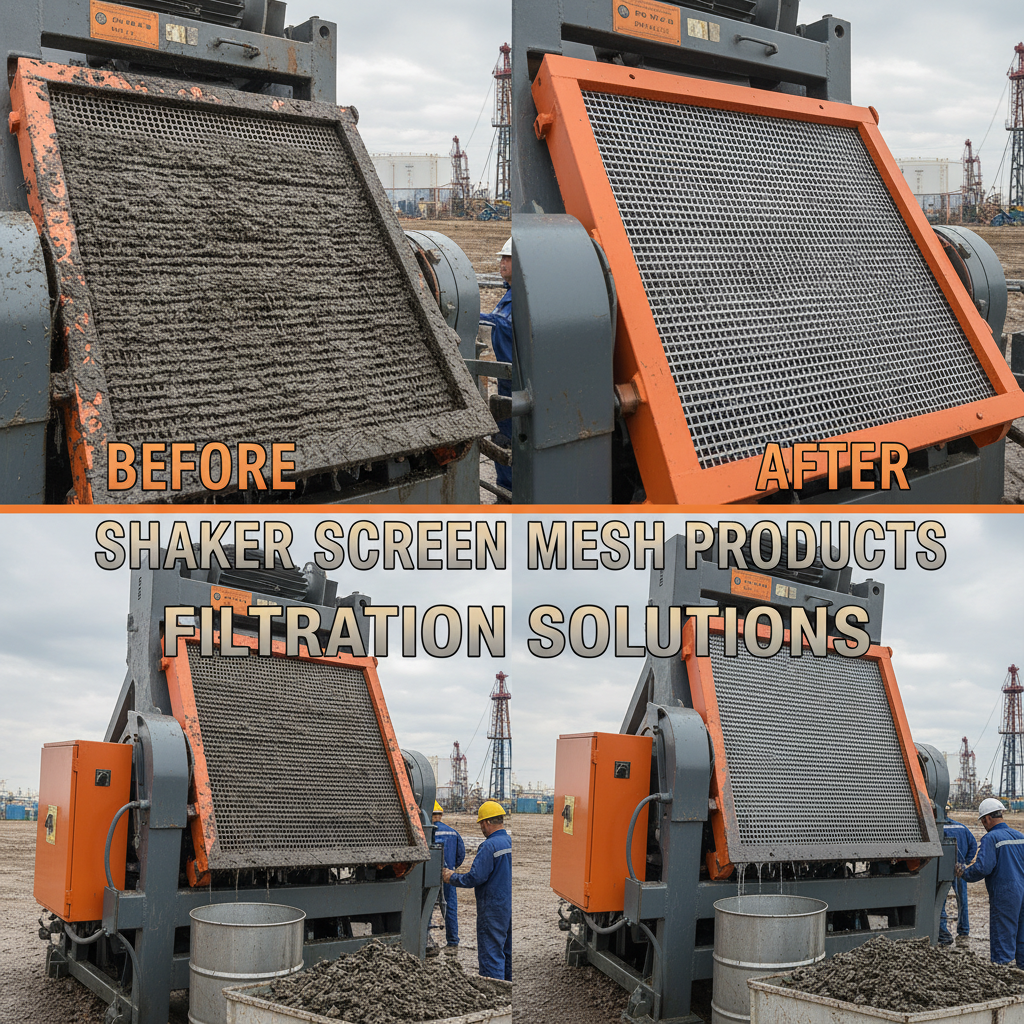
Shaker screen mesh is a woven wire screen installed in shale shakers used to separate drilled solids from drilling fluids. These screens are available in a range of mesh sizes, denoting the openings in the wire. Finer meshes capture smaller particles, while coarser meshes allow larger particles to pass through. The mesh size is crucial as it dictates the quality of fluid returned to the system and the efficiency of solid removal. Selecting the correct mesh size is dependent on the particle size distribution of the solids being processed, the desired fluid clarity, and the capacity of the shale shaker. Solid Control Parts offers a wide range of mesh options to suit diverse applications.
Key Takeaway: Shaker screen mesh size directly impacts solids removal efficiency and fluid quality. Proper selection is essential for optimal performance.
Types of Shaker Screen Mesh Products
There's a variety of shaker screen mesh available, each suited for different applications. Common types include:
- Stainless Steel Mesh: The most common type, offering excellent durability and corrosion resistance.
- Composite Mesh: Features multiple layers of stainless steel and polymeric materials for enhanced wear resistance and improved fluid flow.
- Polyester Mesh: A cost-effective option for less abrasive applications.
- HD (High Duty) Mesh: Designed for particularly abrasive solids, utilizing reinforced stainless steel.
The choice depends on the type of solids being processed, the severity of abrasion, and the desired lifespan of the screen. Consider the specific requirements of your operation when selecting a mesh type. Our team can help you determine the best option for your needs.
Shaker Screen Mesh Materials: A Detailed Comparison
The material of the shaker screen mesh plays a crucial role in its performance and longevity. Here's a comparison of common materials:
Applications of Shaker Screen Mesh Across Industries
Shaker screen mesh products find application in a wide range of industries:
- Oil & Gas: Drilling operations rely heavily on shaker screens for removing drill cuttings and maintaining drilling fluid quality.
- Water & Wastewater Treatment: Removing solids from water streams for purification and environmental compliance.
- Mining: Separating valuable minerals from waste materials.
- Coal Processing: Removing impurities from coal.
- Food Processing: Screening and separating ingredients.
Selecting the Right Shaker Screen Mesh: Key Considerations
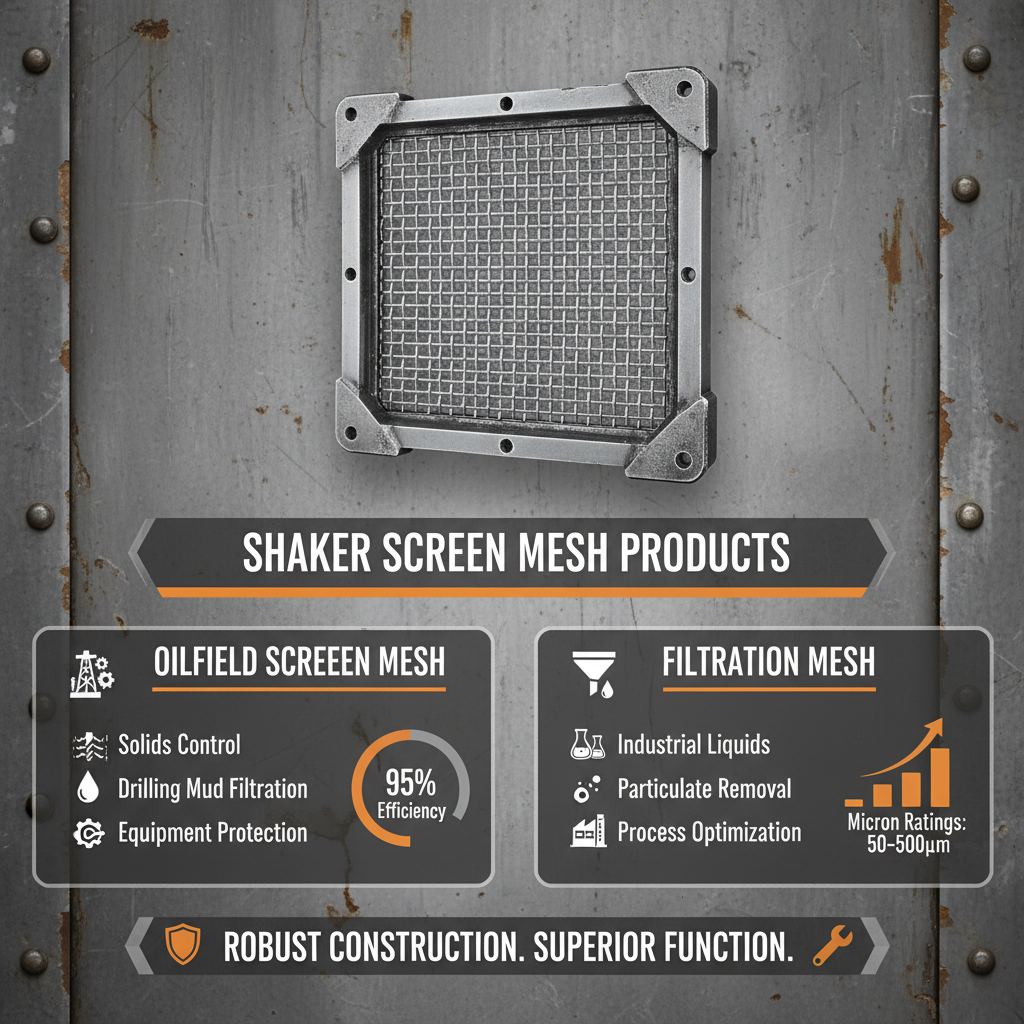
Choosing the optimal shaker screen mesh involves considering several factors:
- Particle Size Distribution: Analyze the size and distribution of the solids you need to remove.
- Fluid Properties: Consider the viscosity and density of the fluid.
- Shaker Type: Different shale shakers have different requirements.
- Abrasion Level: Highly abrasive solids necessitate more durable mesh materials.
Proper selection ensures efficient separation, minimizes fluid loss, and extends screen lifespan. Contact us for expert guidance in selecting the right screen for your application.
Conclusion: Optimizing Solid Control with the Right Mesh
Investing in high-quality shaker screen mesh products is crucial for efficient and cost-effective solid control. By carefully considering your specific application and selecting the appropriate mesh type and material, you can optimize performance, reduce downtime, and extend the lifespan of your equipment. Solid Control Parts is dedicated to providing reliable and high-performance shaker screens to meet the diverse needs of our clients.
Frequently Asked Questions (FAQs)
What is the standard mesh count for oil & gas drilling applications?
The standard mesh count varies depending on the drilling stage and the type of formation being drilled. However, common mesh sizes include 80, 100, 120, 140, and 200. Finer meshes (higher counts) are typically used during the later stages of drilling to remove smaller particles and ensure cleaner drilling fluids. The specific requirements will be determined by the drilling engineer based on factors like formation lithology and drilling fluid composition.
How often should shaker screens be replaced?
The frequency of replacement depends on several factors, including the abrasiveness of the solids, the volume of fluid processed, and the mesh material. Regular inspection is crucial. Screens should be replaced when they show signs of wear and tear, such as holes, tears, or significant reduction in open area. Typically, screens are replaced every few shifts to weeks, but this can vary greatly. Monitoring differential pressure across the shaker can also indicate when a screen needs replacement.
What are the benefits of using composite shaker screens?
Composite shaker screens offer several advantages over traditional stainless steel screens. They provide enhanced wear resistance due to the combination of materials, leading to longer screen life. The polymeric layers also improve fluid flow and reduce blinding, resulting in more efficient solids removal. Although they are typically more expensive upfront, their increased lifespan can result in lower overall costs.
Can shaker screens be repaired instead of replaced?
Minor damage to shaker screens, such as small tears, can sometimes be repaired using patching compounds. However, this is generally a temporary solution, and it's often more cost-effective and safer to replace the screen entirely. Repairing severely damaged screens compromises their integrity and can lead to reduced performance and potential equipment failure. We recommend replacement for optimal performance and safety.