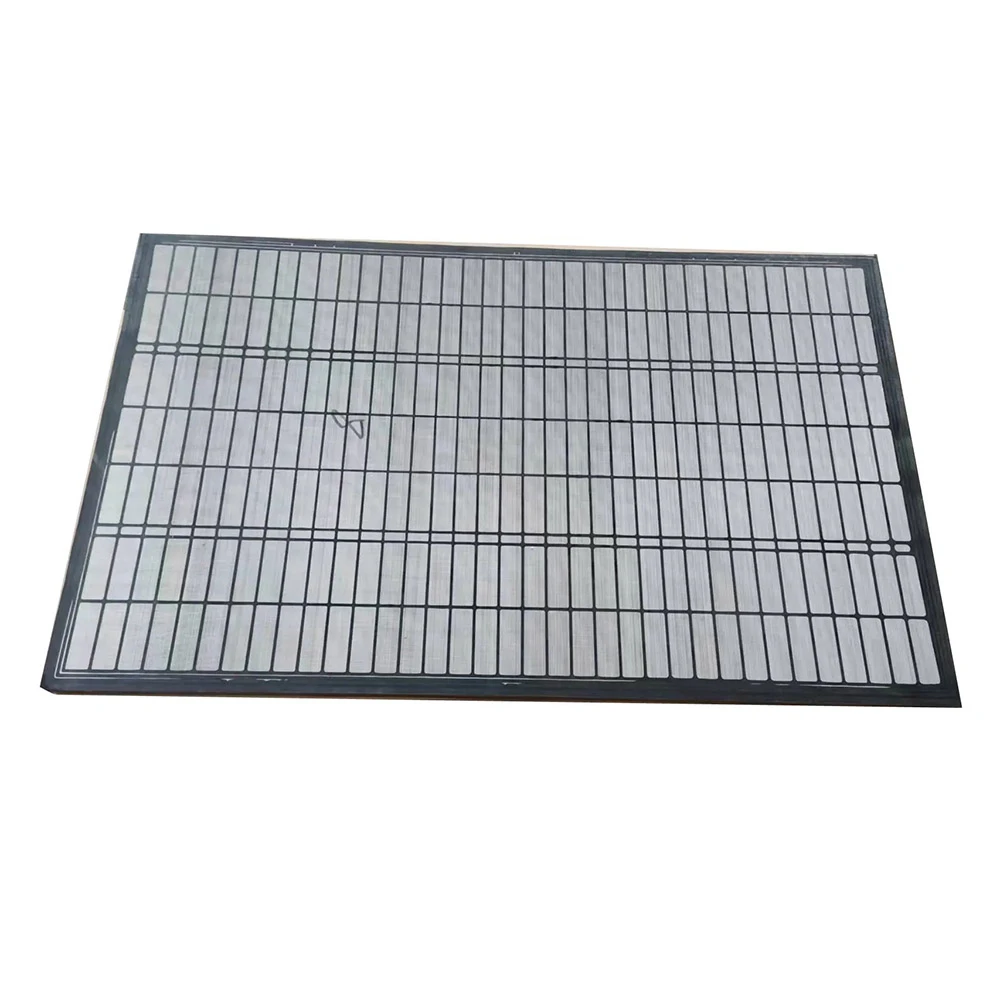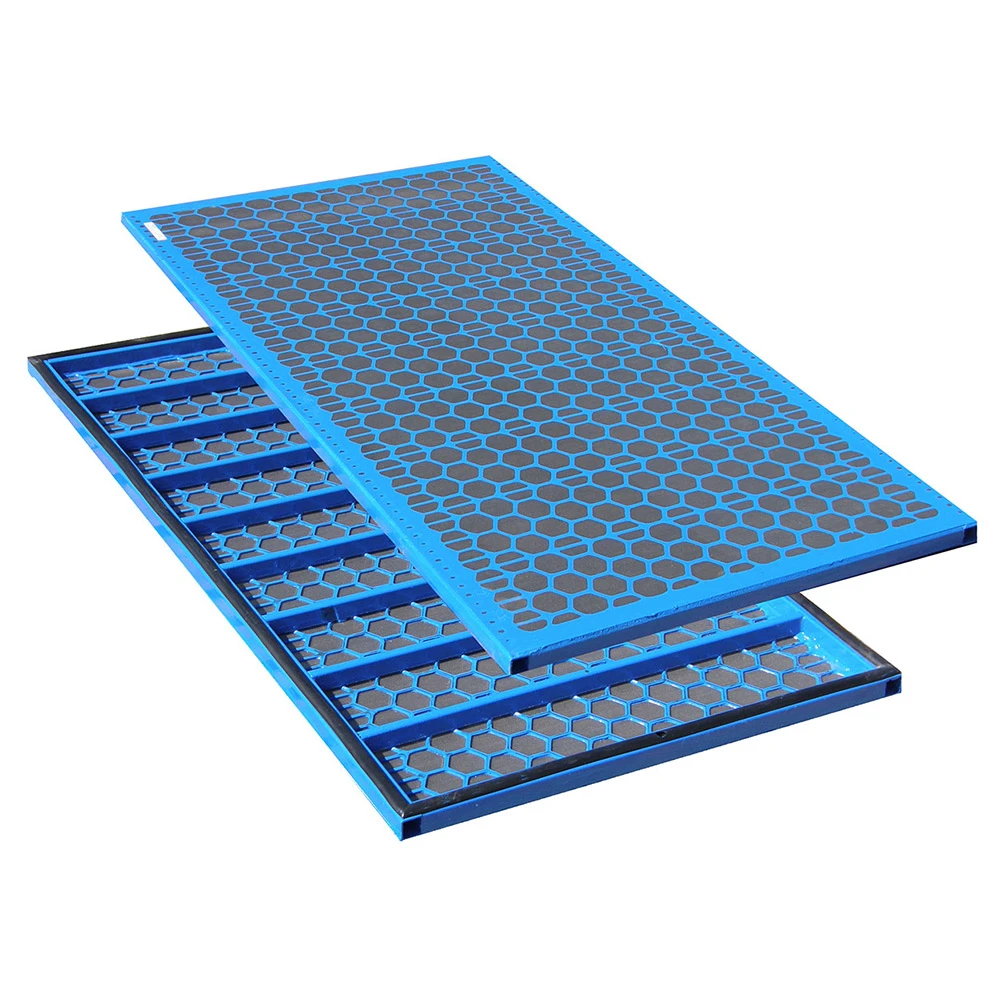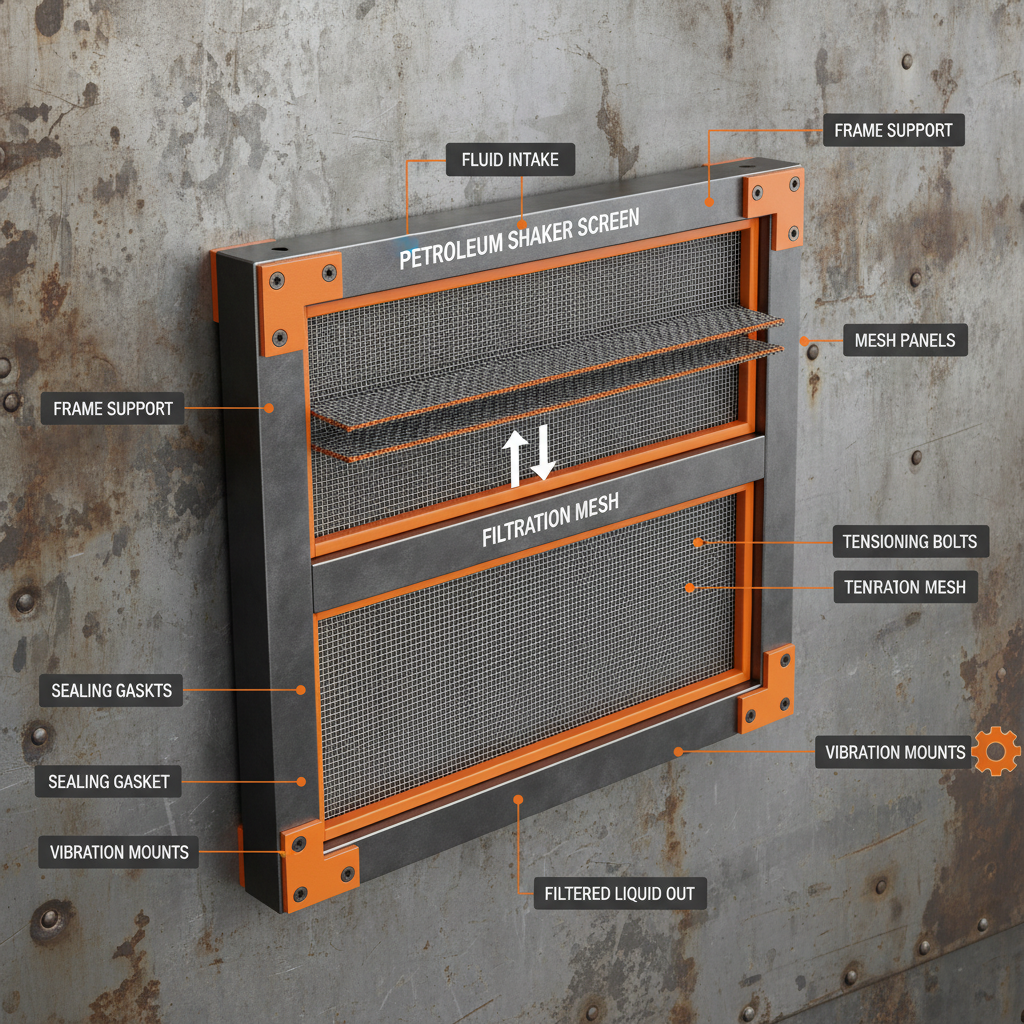
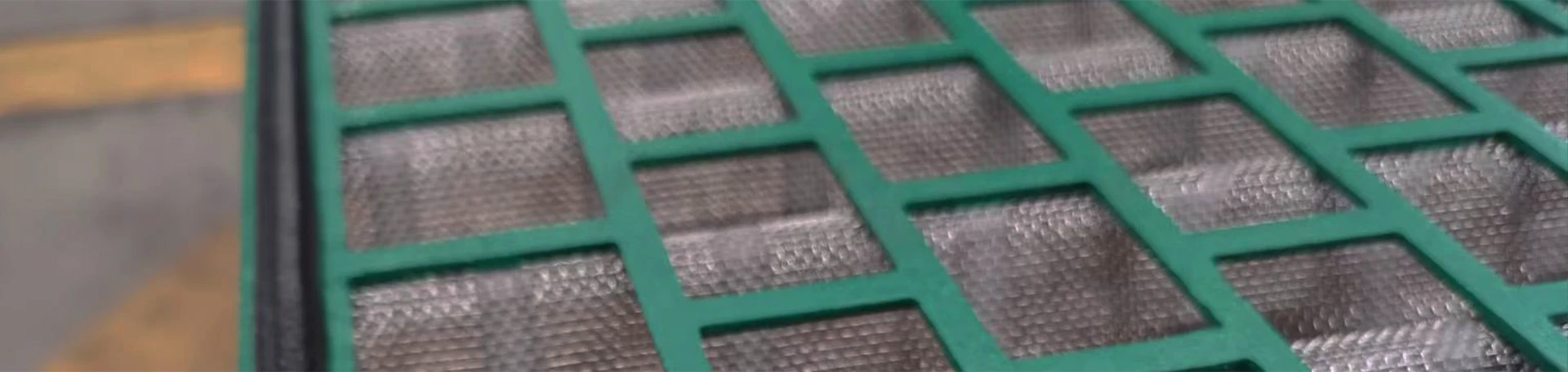
When exploring options for a shaker screen for sale, it’s essential to consider the operational demands of your drilling project and how screen specifications will affect performance. Whether you're running onshore or offshore operations, the shaker screen is the first and most crucial defense in the solids control system, making it a critical investment.
Choosing the right shaker screen for sale involves evaluating mesh count, frame structure, API compatibility, and material resistance to abrasion and corrosion. A quality screen not only improves separation efficiency but also helps preserve drilling fluid, lower disposal costs, and reduce equipment wear.
Operators today can choose from a wide range of screens—flat, pyramid, and composite—each offering unique benefits in terms of flow capacity, cuttings retention, and longevity. The best vendors offering shaker screen for sale typically carry all major brands and support custom configurations to ensure compatibility with your shale shaker unit.
To maximize return on investment, don’t just look at price—examine the screen’s performance history, reliability in your specific drilling conditions, and technical support options offered post-purchase.
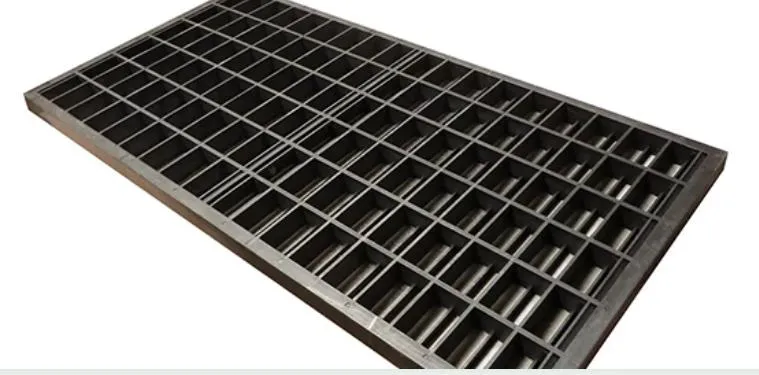
Breaking Down the Shale Shaker Screen Price: What Affects Cost?
Understanding the factors that contribute to shale shaker screen price is key to making a smart purchase. While lower-cost screens might seem attractive upfront, they may lack the durability and separation performance required for high-demand drilling projects.
Several variables influence shale shaker screen price, including the mesh type (single, double, or triple layers), frame material (steel, composite, or plastic), bonding technology, and size compatibility. Higher mesh counts generally come at a premium due to their finer separation capabilities and shorter lifespan, which means more frequent replacements if improperly used.
Durability-enhancing features—like heat-treated mesh, rubber sealings, and laser-cut frame designs—can increase shale shaker screen price but offer long-term value through reduced downtime and extended operational cycles.
Another component of cost is the manufacturing origin. Screens from high-volume, certified facilities may command higher prices, but also ensure consistency, regulatory compliance, and international shipping support. Investing in a well-built screen helps avoid re-screening, replacement labor, and unnecessary maintenance interruptions.
Shaker Screen Material: The Hidden Driver of Performance and Durability
One of the most underappreciated but important considerations in screen selection is shaker screen material. The performance and lifespan of any screen depend heavily on what it's made of and how those materials are bonded and assembled.
Stainless steel wire mesh is the industry standard shaker screen material due to its corrosion resistance, tensile strength, and precise opening control. However, not all stainless steel grades are equal. Higher-quality screens often use SS304 or SS316, with enhanced properties to endure aggressive drilling fluids and mechanical vibrations.
The frame—another crucial shaker screen material—can be made from carbon steel, aluminum, or composite polymers. Composite frames have gained popularity for their lightweight, rust-free nature and ability to absorb vibration better than metal frames.
Some advanced screen designs even integrate mesh support layers made of polyurethane or rubber, which help in impact absorption and anti-blinding performance. Selecting the right shaker screen material contributes to higher flow rates, better cuttings retention, and longer screen life under harsh drilling conditions.
Optimizing Shaker Screen Design for Maximum Drilling Efficiency
Great shaker screen design is the result of engineering precision and field performance testing. The design influences everything from particle separation to mud flow and screen longevity. It’s no exaggeration to say that a well-optimized shaker screen design can significantly enhance drilling fluid recovery and system throughput.
Mesh configuration is the heart of shaker screen design. Multi-layered mesh screens allow for coarse and fine particle separation on a single surface, increasing cuttings management accuracy. These mesh layers must be tightly bonded and tensioned to avoid delamination during operation.
Frame shape and structure also define how the screen performs. For example, pyramid or wave designs offer more screening area than traditional flat screens, improving capacity without increasing footprint. Reinforced support ribs help prevent screen sagging and ensure full contact with the shaker bed.
Ventilation slots, rubber sealing perimeters, and mounting hooks are other examples of small shaker screen design features that make a big difference in field usability and installation speed. When choosing screens, consult with your supplier on specific designs optimized for your shaker type and drilling fluid properties.
Finding the Right Shaker Screen for Sale That Balances Price and Performance
With so many options available, selecting a shaker screen for sale that balances shale shaker screen price, material quality, and functional design requires a well-informed approach. A good screen not only performs well initially but sustains efficiency across multiple drilling cycles.
To make the right choice, first identify the type of formations you’re drilling. Fine sand and clay-rich formations require higher mesh counts and composite frames, while coarse-cutting conditions may benefit from wider mesh and thicker steel frames. This matching ensures that your shaker screen design aligns with operational needs.
Compare pricing from various vendors, but don’t overlook reviews, industry references, and after-sales support. A lower shale shaker screen price may signal compromises in shaker screen material or mesh longevity. On the other hand, a screen that lasts twice as long while maintaining performance often pays for itself quickly.
Reputable suppliers offer technical consultation, screen trial programs, and inventory stockpiling. This not only improves decision-making but also ensures your rigs never face downtime due to lack of screen availability.
hale shaker screen FAQs
What is a shaker screen used for in oil and gas drilling?
A shaker screen is a mesh panel used in shale shakers to separate drilled solids from drilling fluids. It allows reusable mud to pass through while retaining the cuttings, thereby maintaining mud properties, reducing waste, and increasing drilling efficiency.
How much does a shale shaker screen typically cost?
The shale shaker screen price varies depending on the screen's mesh count, frame material, bonding technique, and brand. On average, prices range from $30 to $150 per screen. Premium composite or multi-layer screens may cost more but offer longer operational life and better fluid handling capacity.
What is the best material for a shaker screen?
The best shaker screen material typically includes high-grade stainless steel (such as SS304 or SS316) for the mesh and composite or galvanized steel for the frame. These materials offer corrosion resistance, strength, and flexibility to handle demanding drilling environments.
What makes one shaker screen design better than another?
A good shaker screen design maximizes screening area, maintains mesh tension, and resists deformation. Features like pyramid mesh, multi-layer bonding, and reinforced support ribs improve screen performance, increase throughput, and extend lifespan compared to flat or single-layer designs.
How do I choose the right shaker screen for sale for my operation?
To choose the right shaker screen for sale, consider your drilling environment, shaker compatibility, cuttings size, fluid viscosity, and operational temperature. Consulting with your screen supplier can help tailor the choice based on performance requirements, mesh selection, and budget.