


Inside Industrial Shaker Screen Factories: Designs & Insights
Inside the Industrial Shaker Screen Factories: What Makes Them Tick?
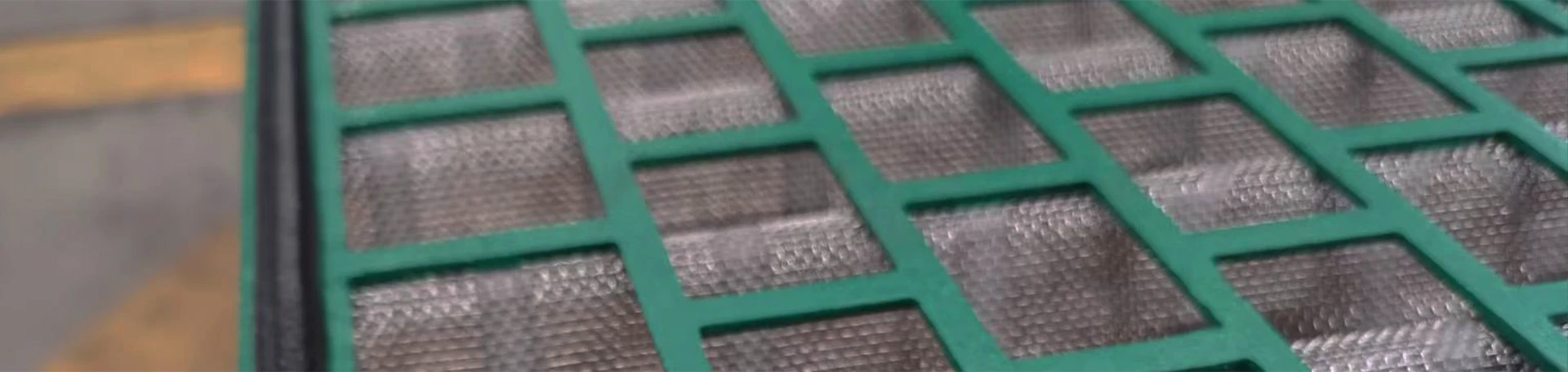
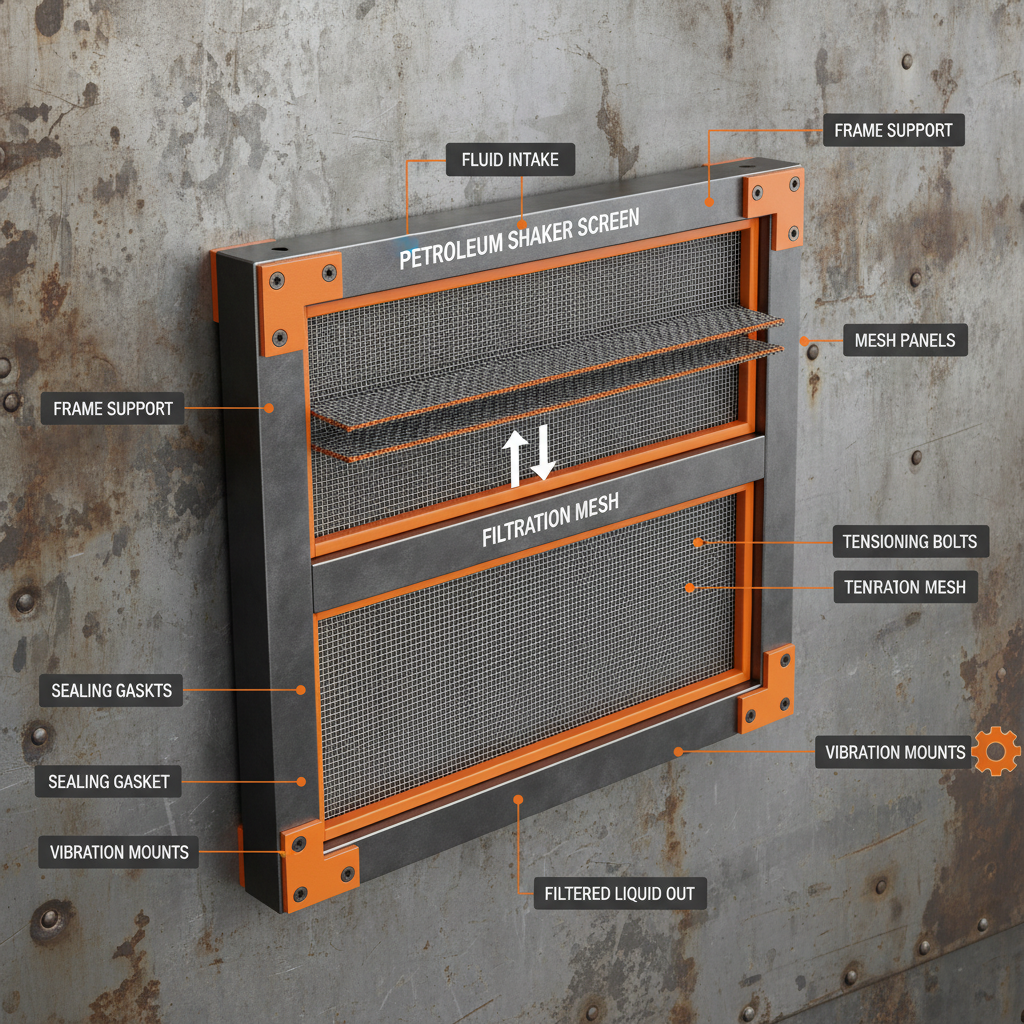
If you've ever been near a drilling rig or a solids control system, you're probably familiar with shaker screens. Those unassuming mesh panels bear the brunt of literally sorting out earth from valuable liquids. Now, I spent a fair share of my career visiting industrial shaker screen factories, and trust me — these places are as much about precision engineering as they are about sheer, rugged durability. Oddly enough, when you hear "factory," you might picture endless conveyor belts and robotic arms. But shaker screen factories often operate with a unique blend of automated tech and hands-on craftsmanship. The core challenge? Designing a shaker screen that can take a beating day in, day out, without failing or throwing your operation weeks behind schedule. Many engineers I know consider materials the heart of the product. Most factory floors work with stainless steel frames paired with an array of high-quality mesh sizes, often stainless as well, or occasionally polyurethane coatings to resist wear and tear. What surprised me in one visit was how much attention goes into the mesh tensioning process — roughly a fine art, really. Get it wrong, and you risk downtime and costly replacements.How Design Choices Shape Performance and Longevity
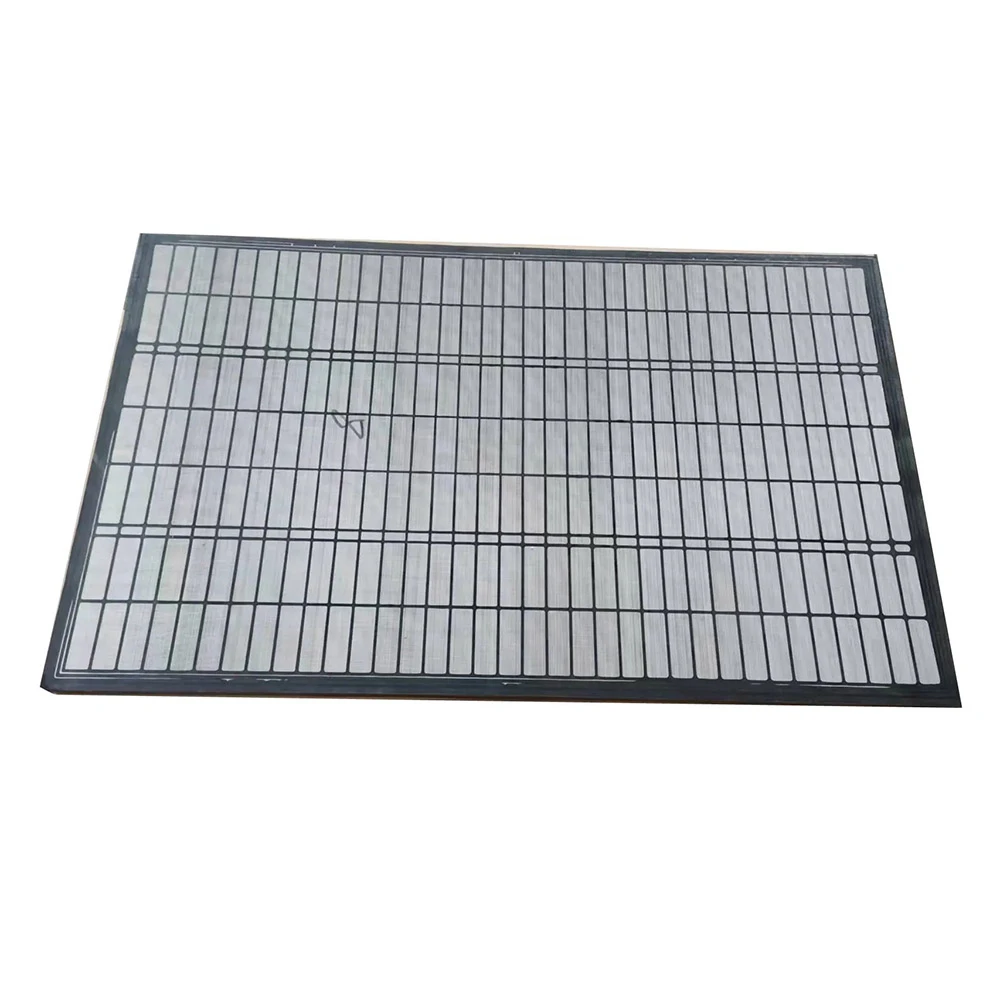
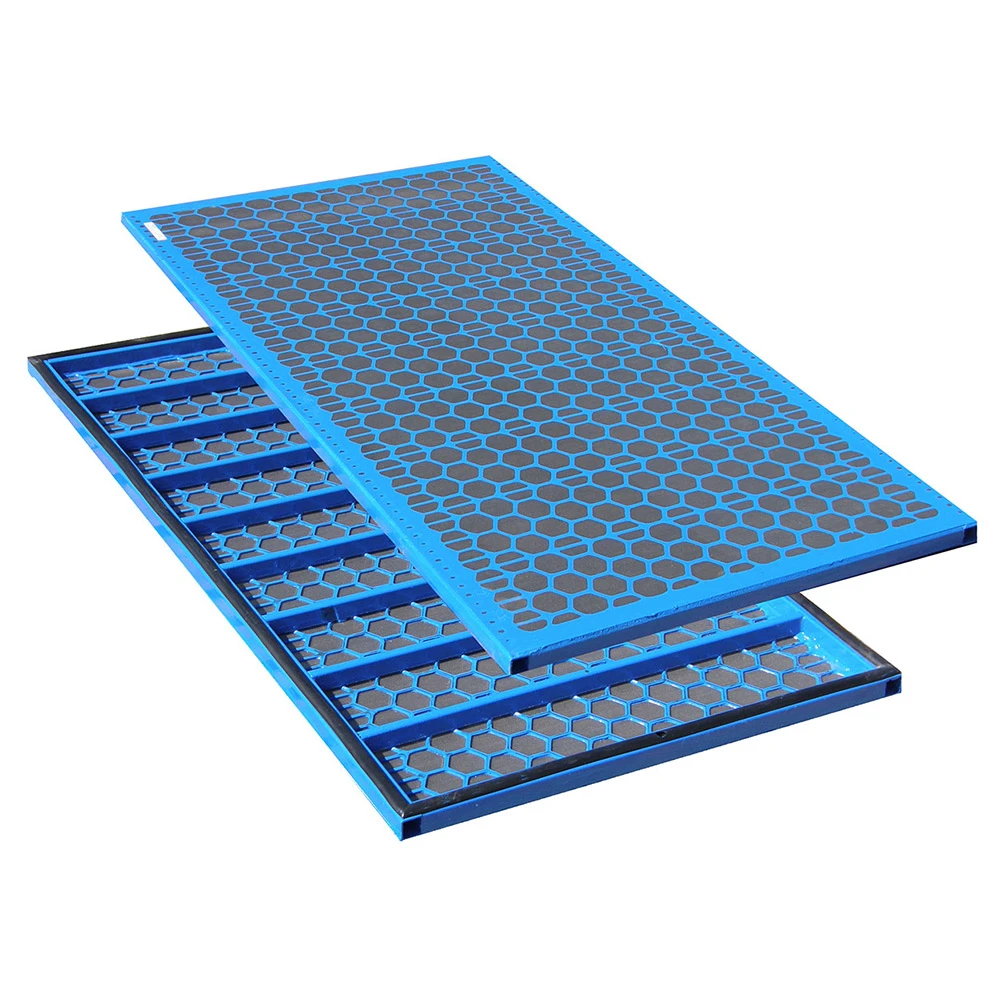
You’d think all shaker screens are created equal, but no. The design decisions during manufacturing are crucial. For example, the frame thickness varies by factory, which impacts the screen’s resistance to twisting and bending under heavy loads. Then there’s the weave pattern of the mesh—fine enough to separate solids from fluid but open enough to prevent clogging. Then comes the "testing" stage in these factories, which I’ve found can be fairly rigorous — many include vibration simulations to mimic actual field conditions (a bit like putting the screen through a mechanical boot camp). One factory I toured prided itself on testing screens under high-frequency vibrations to replicate the pounding they'd endure on shale shaker machines. It’s these efforts that generally separate the decent from the excellent. For a practical frame of reference, here’s a rough snapshot of typical shaker screen specifications you might find in such factories:| Specification | Typical Range | Notes |
|---|---|---|
| Frame Material | 304 or 316 Stainless Steel | Corrosion-resistant, industry standard |
| Mesh Type | Stainless Steel Wire / Polyurethane | Depends on application and wear resistance needed |
| Mesh Opening Size | 10 to 200 mesh | Customizable per project or rig specs |
| Screen Dimensions (L x W) | Up to 50" x 30" | Fits most shaker machine models |
| Tension Type | Hookstrip / Flat / Ladder | Varies by shaker model compatibility |
Choosing the Right Industrial Shaker Screen Factory for Your Needs
From where I stand, choosing a factory isn’t just about the lowest price tag. It’s about who can deliver consistency, timely turnaround, and screens that fit your industrial shaker screens equipment like a glove. Here’s a straightforward comparison of some typical players in the space — I won't name names, but this sort of thing helps cut through the marketing fog:| Factory Attribute | Factory A | Factory B | Factory C |
|---|---|---|---|
| Material Quality | High-grade 316 SS | Standard 304 SS | Mixed grades, varies by batch |
| Customization Options | Extensive, including mesh size & frame | Moderate, standard sizes only | Limited, mostly stock products |
| Lead Time | 2-3 weeks | 4-6 weeks | 1 week (stock only) |
| Testing & QA | Full vibration & durability tests | Random batch checks | Minimal formal testing |
| Pricing | Premium but justified | Mid-range | Lowest price |
- My visits to industrial manufacturing plants, 2015–2022.
- Chats with solids control engineers and field operators.
- Technical sheets from leading shaker screen suppliers.
Copyright © 2026 HEBEI MATTS TECH CO. LTD. All Rights Reserved. Sitemap | Privacy Policy | Top Blog | Global Service


