Buy Brandt Shaker Screens: A Veteran's Take on Quality and Performance
Having spent over a decade tinkering with and specifying industrial equipment—especially in the oilfield solids control arena—I’ve come across my fair share of shaker screens. If you’re here, odds are you’re eyeing buy Brandt shaker screens and wondering if they’re worth the investment. Spoiler: they quite often are, though the story's a little more layered, as always.
Brandt has carved out a reputation that, frankly, feels earned. The company pushes solid engineering combined with practical durability, which — in dusty, rough, and sticky drilling environments — is crucial. You wouldn’t want a screen failing mid-shift, with muck spilling everywhere and downtime skyrocketing.
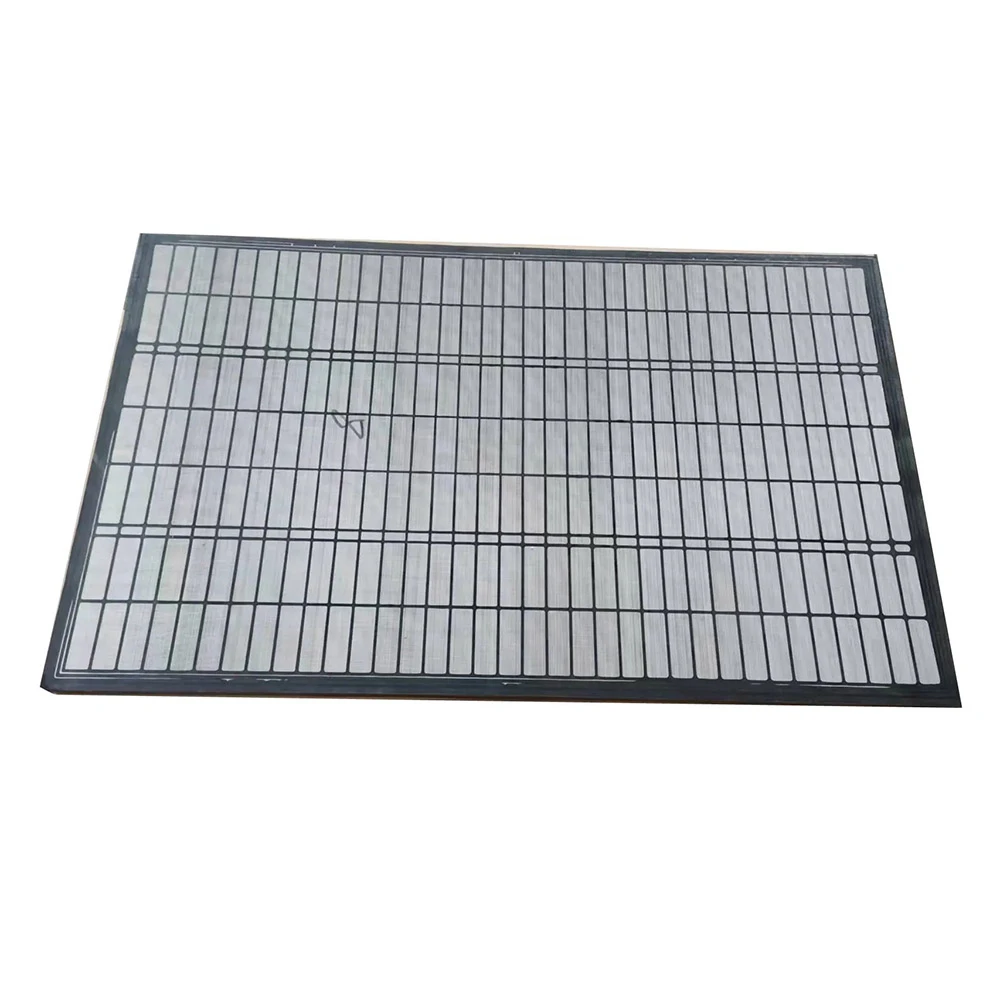
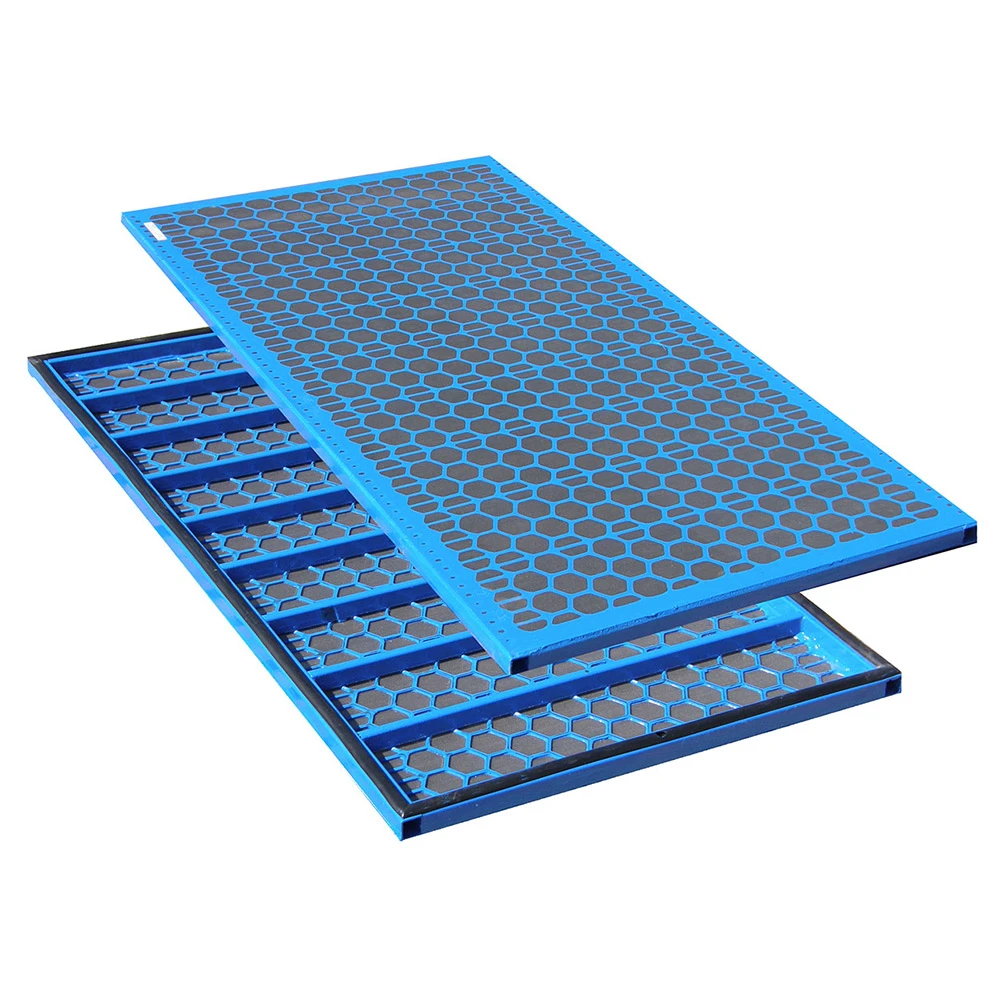
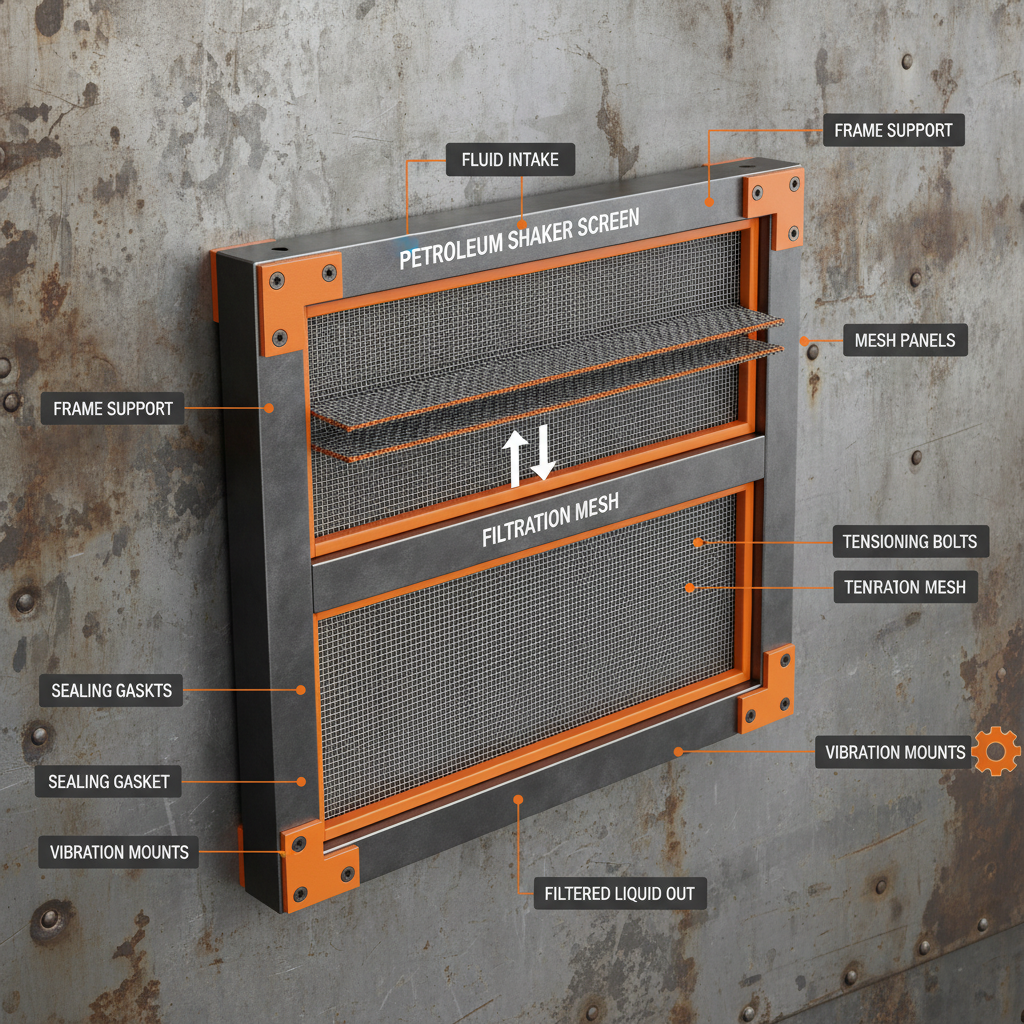
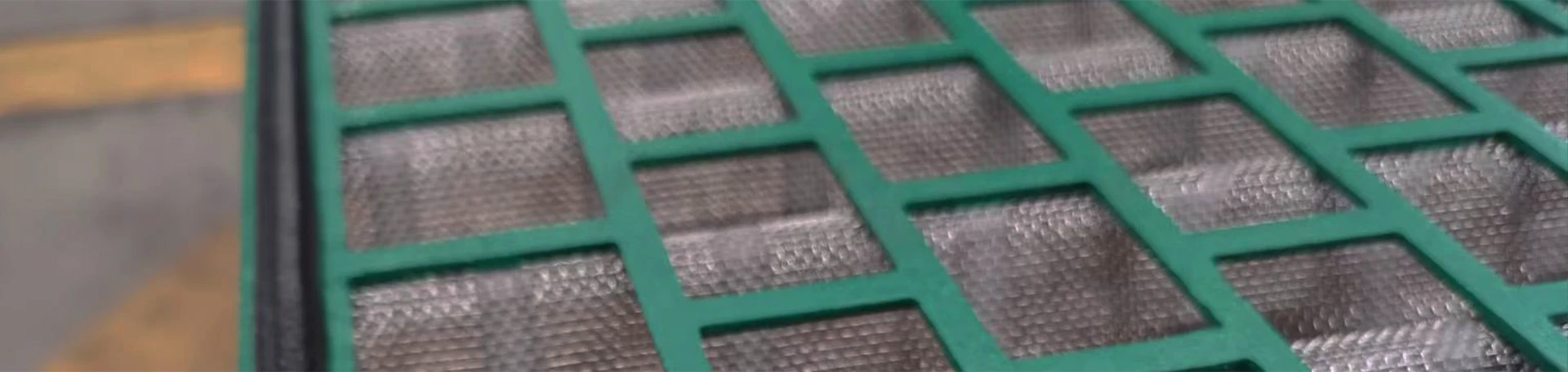
Now, what sets Brandt’s shaker screens apart? It’s a blend of design innovation and material choice. Their screens typically feature multi-layered stainless steel wire cloth. This layering means better wear resistance and longer life expectancy — a must when you’re processing abrasive drilling fluids continuously. Also, Brandt screens often come with reinforced mesh that helps prevent tearing and blinding, which, in real terms, translates to fewer replacements and more uptime.
One thing I noticed over the years is that surface tension and aperture precision are vital for effective solids removal. Brandt screens use tight tolerances to ensure these specs are spot-on. Sort of the “if you get the mesh wrong, none of the rest matters” consensus among engineers I’ve talked to. It’s reassuring when a vendor understands that detail.
| Brandt Shaker Screen Specifications | Details |
|---|---|
| Material | 304 / 316 Stainless Steel Multi-Layer Mesh |
| Mesh Sizes | API 20 – API 325 |
| Screen Type | Hookstrip, Linear, and Custom Options |
| Frame | Aluminum or Steel (depending on model) |
| Compatibility | Brandt, Vermeer, and many other shakers |
| Typical Lifespan | 3–8 months under average drilling conditions |
Customization — that’s a word I toss around a lot because every drilling site presents its own quirks. For example, once I helped a client who needed an unusually fine mesh for a particularly sensitive shale formation. Brandt’s team actually worked with us to tweak mesh layers and frame design. That kind of service, alongside dependable quality, made switching back and forth between operators a breeze.
To be honest, though, there are a handful of competitors worth checking out. Some offer tempting price points or specialty screens for niche applications. Here’s a quick rundown I put together after a few months researching options:
| Vendor | Price Range | Screen Material | Customization | Warranty |
|---|---|---|---|---|
| Brandt | $$$ | Multi-layer Stainless Steel | Extensive | 6 Months |
| DrillTech Screens | $$ | Stainless Steel, Single Layer | Limited | 3 Months |
| SolidScreen Inc. | $$$ | Composite Mesh Options | Moderate | 6 Months |
| EZ Screen Co. | $ | Steel Wire Mesh | Minimal | 1 Month |
Among these, Brandt often stands out for a reason: consistent quality in pretty tough conditions, coupled with responsive support. One time, after a shipment delay, their team went the extra mile and sent expedited replacements — because they knew how critical uptime is. That, in the end, builds trust you just don’t get from piecemeal online purchases.
Buying shaker screens isn’t just a transactional thing. It’s about matching your operational needs with equipment that won’t quit in the middle of a project — and yes, saving both time and headaches. Obviously, pricing and delivery factors matter. But I feel it’s worth investing a little more upfront to avoid costly downtime later.
So if you’re seriously considering where to buy Brandt shaker screens, my advice is: do your homework, look at real user feedback, and find a supplier who’s willing to get hands-on if needed — it pays off.
At the end of the day, shaker screens are the unsung heroes of solids control. Getting the right ones — like Brandt’s — means your drilling operations run smoother, safer, and often, cheaper in the long run. You know, it’s those little details behind the scenes that make all the difference.
One last thought: If your site has unique requirements, don’t shy away from reaching out directly to manufacturers or reputable vendors. I’ve found most are surprisingly open to conversations, which is a refreshing break from industry stereotypes of stonewalling and jargon.
References:
1. Brandt Group Official Technical Specs
2. Industry Whitepapers on Solids Control Technologies 2021
3. Interviews with Field Engineers and Maintenance Leads, 2019-2023