Shaker screen sizes are a critical component in solids control processes across diverse industries, notably oil and gas drilling, mining, and wastewater treatment. Understanding these sizes isn't merely about selecting the right mesh; it's about optimizing efficiency, reducing operational costs, and minimizing environmental impact. Properly sized shaker screens directly influence the quality of separated solids, the cleanliness of returning fluids, and the overall lifespan of downstream equipment.
The global market for shaker screens, and therefore a nuanced understanding of their sizes, is substantial and growing. According to industry reports, the solids control equipment market is projected to reach billions of dollars in the coming years, driven by increased drilling activities and stringent environmental regulations. The need for efficient and reliable solids removal is paramount, especially in environmentally sensitive areas and deepwater drilling operations.
Ultimately, recognizing the importance of shaker screen sizes empowers engineers and operators to make informed decisions, leading to significant improvements in process performance, cost savings, and sustainability. It's a foundational aspect of efficient and responsible resource management in numerous industries worldwide, and a key to managing operational risks.
Introduction to shaker screen sizes
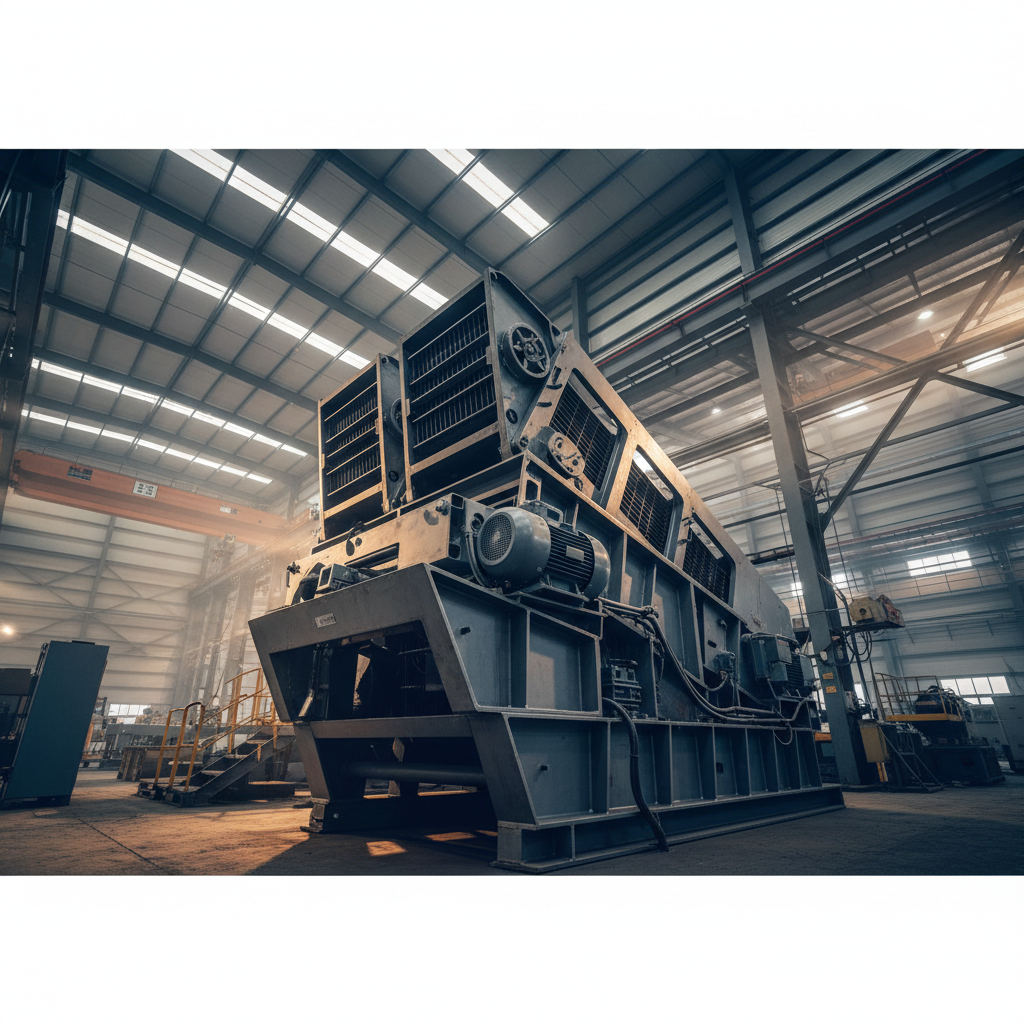
Shaker screens are the first line of defense in solids control, and their sizes are paramount to effective separation. These screens, often constructed from interwoven metal wires or synthetic materials, are designed to remove drill cuttings, sand, and other unwanted solids from drilling fluids. Accurate selection of shaker screen sizes is crucial for preventing damage to downstream equipment and maintaining optimal fluid properties.
The efficacy of a shaker screen is directly linked to the aperture size - the openings within the screen mesh. Different sizes cater to different particle sizes, and a thoughtful approach to sizing considers the specific characteristics of the solids being removed, the flow rate of the fluid, and the desired level of separation. Understanding this interplay is fundamental to any efficient solids control system.
Defining shaker screen sizes
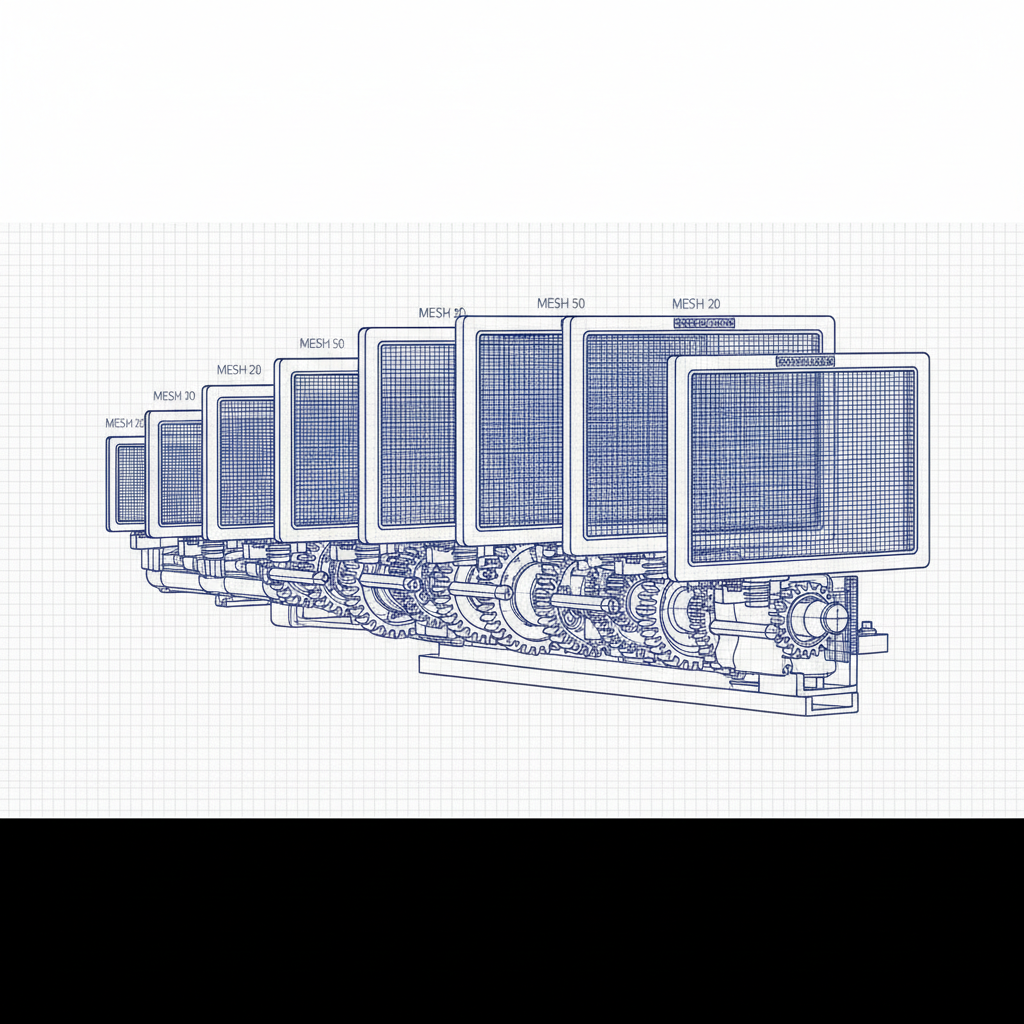
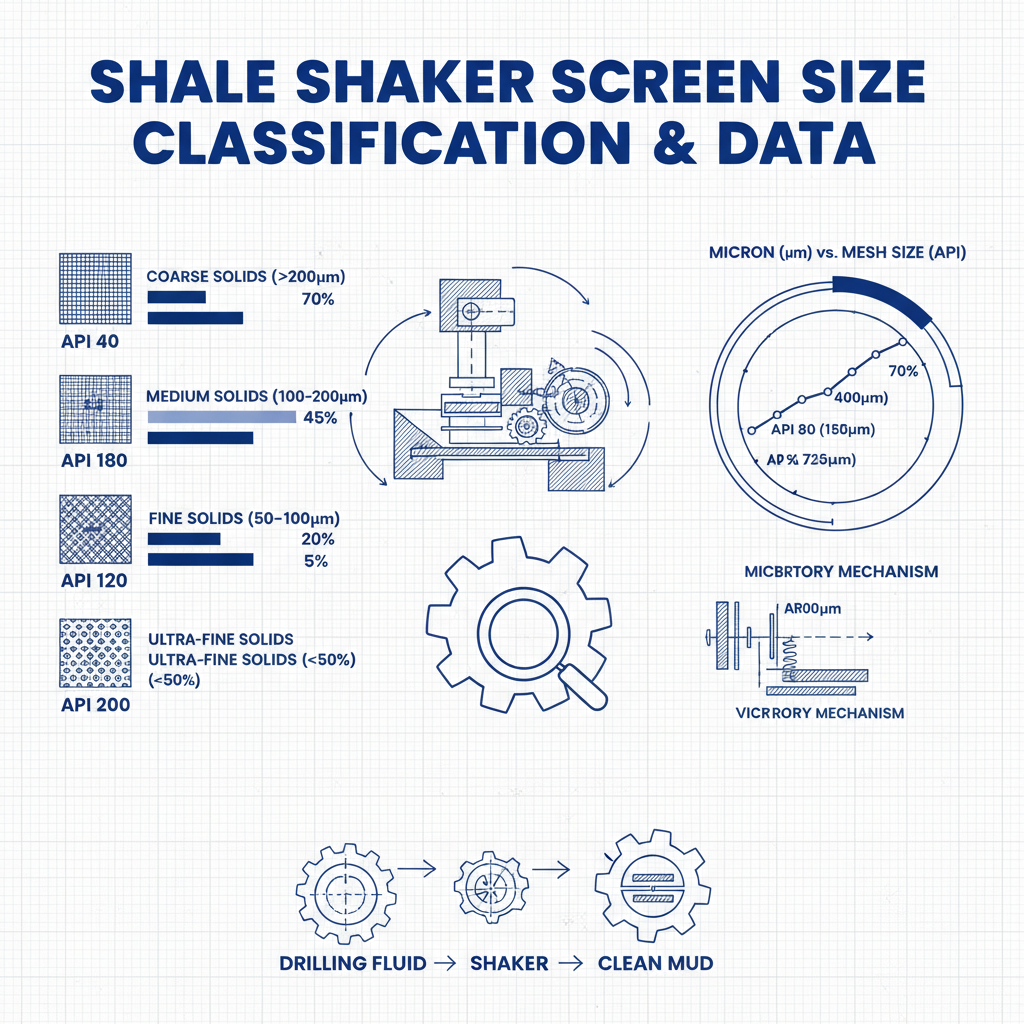
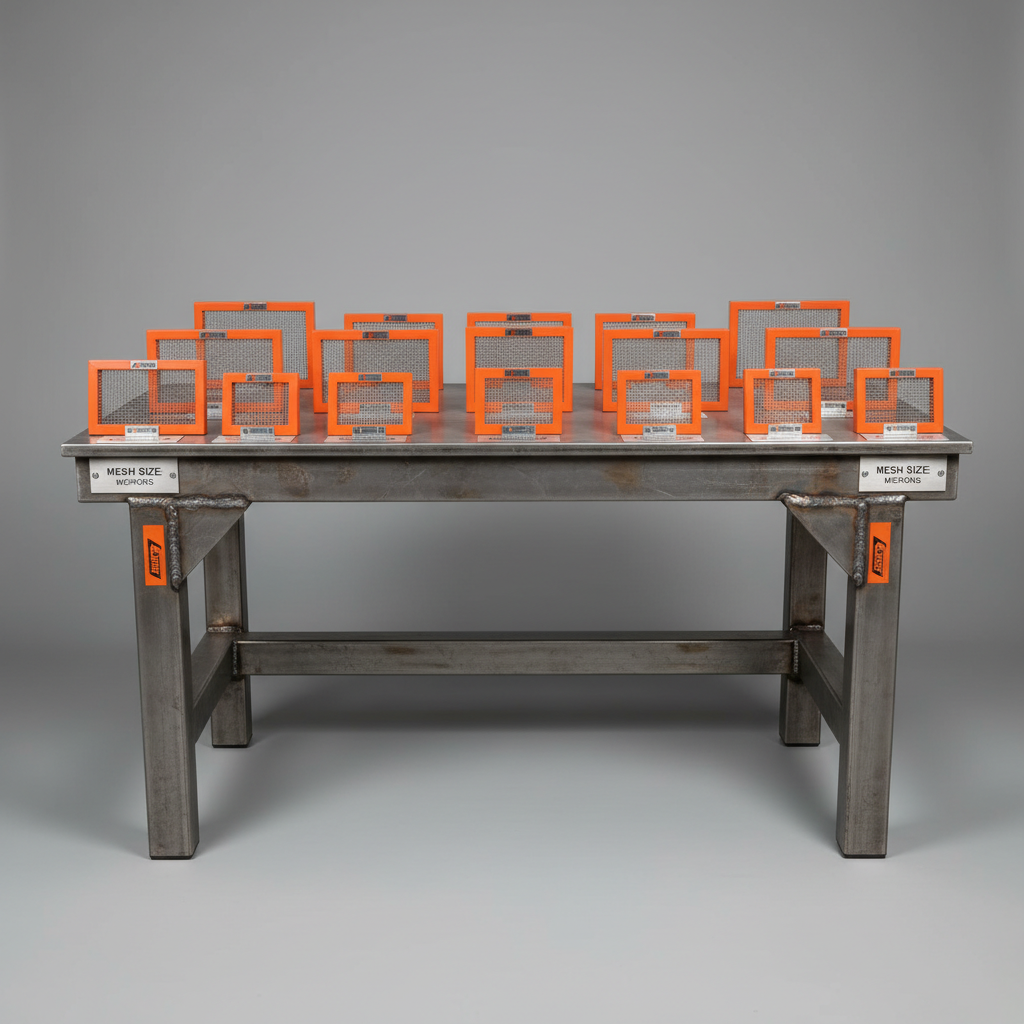
Shaker screen sizes are typically denoted by the mesh count per inch. This indicates the number of openings (meshes) present in one linear inch of the screen. For example, a 100-mesh screen has 100 openings per inch, meaning the apertures are smaller than a 50-mesh screen, which has only 50 openings per inch. Smaller mesh sizes are used for finer particle removal, while larger mesh sizes handle coarser materials.
It's also important to consider the screen’s ‘opening area’—the total percentage of the screen surface open for fluid passage. Higher opening areas promote greater flow rates but may allow more fine particles to pass through. Conversely, lower opening areas provide better separation but can reduce flow capacity. The appropriate balance depends on the application.
Beyond mesh count, screen sizes also consider the physical dimensions of the screen panel – length and width – which must be compatible with the specific shaker equipment being used. This ensures a proper fit and prevents bypass of fluids around the screen surface.
Key Factors Influencing shaker screen sizes
Several factors govern the selection of appropriate shaker screen sizes. The type of fluid being processed plays a significant role; water-based muds often require different screen sizes than oil-based muds due to their differing viscosities and particle characteristics. The geological formation being drilled also impacts the solids content and particle size distribution, influencing screen size requirements.
Flow rate is a critical consideration. Higher flow rates necessitate larger screen openings to prevent excessive pressure drop and maintain efficient solids removal. Conversely, lower flow rates allow for the use of finer mesh screens for more precise separation. The capacity of the downstream equipment – hydrocyclones, centrifuges, etc. – must also be factored in, ensuring they aren't overloaded with solids.
Finally, environmental regulations and disposal costs influence screen selection. Utilizing finer mesh screens to recover more solids for proper disposal can minimize environmental impact and reduce waste management expenses. Optimization of shaker screen sizes contributes to sustainable operational practices.
The Impact of shaker screen sizes on Operational Efficiency
Selecting the correct shaker screen sizes directly impacts the efficiency of the entire solids control system. Undersized screens – those with too fine a mesh – can quickly become plugged, reducing flow rates and increasing pressure drop. This leads to decreased separation efficiency and potential damage to the shaker itself.
Conversely, oversized screens may allow too many fine particles to pass through, increasing the solids content in the circulating fluid. This can accelerate wear on downstream equipment, compromise drilling performance, and increase the risk of stuck pipe.
Shaker Screen Size Performance Comparison
Global Applications of shaker screen sizes
The need for effective solids control, and therefore properly sized shaker screens, extends across a diverse range of industries globally. In the oil and gas sector, particularly offshore drilling operations, maintaining clean drilling fluids is paramount to prevent equipment failure and ensure safe and efficient operations. These screens are used extensively in the North Sea, Gulf of Mexico, and throughout Southeast Asia.
Mining operations also heavily rely on shaker screens to separate valuable minerals from waste rock. In remote locations like the Australian outback and the Chilean Andes, robust and reliable solids control is essential for maximizing resource recovery and minimizing environmental disturbance. Furthermore, the wastewater treatment industry utilizes shaker screens for preliminary solids removal, protecting downstream treatment processes.
Advantages and Long-Term Value of Optimized shaker screen sizes
Optimizing shaker screen sizes delivers tangible benefits, starting with reduced operating costs. By minimizing equipment wear and tear, extending the lifespan of drilling fluids, and decreasing waste disposal expenses, significant savings can be realized. Improved drilling performance – faster penetration rates and reduced downtime – further contributes to cost-effectiveness.
Beyond economics, correctly sized screens enhance environmental sustainability. More efficient solids removal minimizes the discharge of pollutants into the environment, aligning with increasingly stringent regulations. The reliability and safety of operations are also improved, reducing the risk of accidents and protecting personnel.
Future Trends and Innovations in shaker screen sizes
The future of shaker screen technology is focused on enhanced efficiency, durability, and automation. Research and development efforts are centered on new materials, such as advanced polymers and composite alloys, that offer improved resistance to abrasion and corrosion. Smart screens equipped with sensors and data analytics are also emerging, allowing for real-time monitoring of performance and automated adjustments to optimize separation.
Furthermore, advancements in screen design – including variable aperture screens and self-cleaning mechanisms – promise to further enhance performance and reduce maintenance requirements. The integration of digital twins and predictive maintenance algorithms will enable proactive identification of potential issues and prevent costly downtime.
Overview of shaker screen size selection criteria and performance metrics
| Screen Mesh Size (API) |
Typical Applications |
Particle Removal Efficiency (Score 1-10) |
Flow Rate Impact (Low, Medium, High) |
| 80-120 |
Initial solids removal, coarse cuttings |
6 |
High |
| 150-200 |
Intermediate solids removal, fine sand |
8 |
Medium |
| 230-400 |
Polishing stage, very fine solids |
9 |
Low |
| 400-600 |
Fluid Clean up, removing extremely fine particles |
7 |
Very Low |
| Variable Aperture |
Adaptable to changing solids loads |
8.5 |
Medium |
| Hybrid Mesh |
Combination of coarse and fine removal |
9.2 |
Medium-High |
FAQS
Mesh count refers to the number of openings per inch, defining the aperture size, while opening area represents the percentage of the screen surface available for fluid passage. A higher mesh count means smaller openings, while a higher opening area allows for greater flow but may compromise fine particle removal. Both factors are critical in selecting the right screen for a specific application.
The frequency of shaker screen replacement depends on several factors, including solids content, flow rate, and screen material. Regular visual inspections are crucial. Screens should be replaced when they become significantly worn, damaged, or clogged, impacting separation efficiency. Preventative maintenance schedules based on operational hours or fluid quality are also recommended.
Using a series of shaker screens with progressively finer mesh sizes allows for staged solids removal. This approach protects finer screens from being prematurely plugged by larger particles, improving overall efficiency and extending screen lifespan. It also provides more precise separation, maximizing fluid cleanliness.
No. The screen material must be compatible with the fluid being processed and the operating conditions. Stainless steel is common for water-based fluids, while synthetic materials are often preferred for oil-based muds. Compatibility ensures the screen doesn't degrade or react with the fluid, maintaining its integrity and performance.
Higher viscosity fluids require larger screen openings to maintain flow rates and prevent excessive pressure drop. Lower viscosity fluids allow for the use of finer mesh screens for more efficient particle removal. Selecting the appropriate size based on fluid viscosity is critical for optimizing solids control performance.
Choosing a reputable supplier is essential for ensuring quality and compatibility. Look for suppliers with extensive experience, a wide range of screen sizes and materials, and a commitment to customer service. You can find high-quality shaker screens at Solid Control Parts.
Conclusion
In conclusion, a thorough understanding of shaker screen sizes is fundamental to efficient and cost-effective solids control across a wide range of industries. From selecting the appropriate mesh count and opening area to considering fluid properties and flow rates, careful consideration of these factors is crucial for maximizing separation efficiency, protecting equipment, and minimizing environmental impact. Optimizing shaker screen sizes isn't merely about choosing a component; it’s about optimizing an entire process.
Looking ahead, continued innovation in screen materials, design, and automation will further enhance performance and reduce operational costs. By embracing these advancements and prioritizing proper screen selection and maintenance, industries can unlock significant benefits in terms of productivity, sustainability, and safety. Visit our website at www.solidcontrolpart.com to explore our complete range of shaker screen solutions and expert guidance.