Shaker screen mesh plays a crucial role in various industrial processes, most notably in solids control within the oil and gas industry. Its function centers around separating fine solids from drilling fluids, ensuring efficient operations and minimizing environmental impact. Globally, the demand for effective solids management solutions is constantly increasing alongside exploration and production activities, driven by a need for cost reduction and adherence to stringent environmental regulations. Understanding the nuances of shaker screen mesh – its materials, construction, and applications – is therefore paramount for industry professionals and researchers alike.
The significance of efficient solids control extends beyond the oilfield. Applications are found in wastewater treatment, mineral processing, and even food and beverage industries, where separation of particulate matter is vital. The global market for solids control equipment, including shaker screens, is projected to grow substantially in the coming years, fueled by technological advancements and expanding industrialization in developing economies. The development of more durable and efficient shaker screen mesh is critical to meeting these demands and addressing emerging environmental concerns.
Furthermore, the increasing focus on sustainable practices is driving innovation in materials and manufacturing processes for shaker screen mesh. The need for reduced waste, longer lifespan, and environmentally friendly disposal options necessitates a comprehensive understanding of the entire lifecycle of these components. Effective implementation of shaker screen mesh directly translates to economic benefits, reduced operational downtime, and minimized environmental liabilities for businesses worldwide.
Introduction to Shaker Screen Mesh
Shaker screen mesh is a fundamental component in solids control equipment, employed across a wide spectrum of industries. Its primary function is to separate solid particles from liquids, facilitating efficient operation and minimizing waste. The mesh itself is typically constructed from interwoven metal strands, synthetic fibers, or a combination of both, selected based on the specific application requirements.
The effectiveness of shaker screen mesh relies on factors such as mesh size (aperture), material composition, and tensile strength. Selecting the correct mesh is crucial to achieving optimal separation efficiency while preventing premature wear and tear. The ongoing pursuit of improved performance and longevity drives constant innovation in mesh design and manufacturing techniques.
Global Relevance and Industry Challenges
The global demand for shaker screen mesh is intrinsically linked to the growth of industries reliant on solids control, particularly oil and gas extraction, wastewater treatment, and mineral processing. Emerging economies with rapidly expanding industrial sectors are driving much of this demand. However, maintaining consistent supply and quality control presents significant logistical challenges, especially in remote locations.
Furthermore, the increasing emphasis on environmental sustainability creates pressure to minimize waste and reduce the environmental footprint of operations. Traditional manufacturing processes for shaker screen mesh can be resource-intensive and generate substantial waste. Addressing these challenges requires innovation in material selection and manufacturing techniques, alongside robust supply chain management.
According to reports from the ISO, efficient solids control systems – of which shaker screen mesh is a vital component – can significantly reduce waste disposal costs and improve overall operational efficiency by up to 15-20%. This economic benefit underscores the importance of investing in high-quality and appropriately sized shaker screens.
Defining Shaker Screen Mesh and its Applications
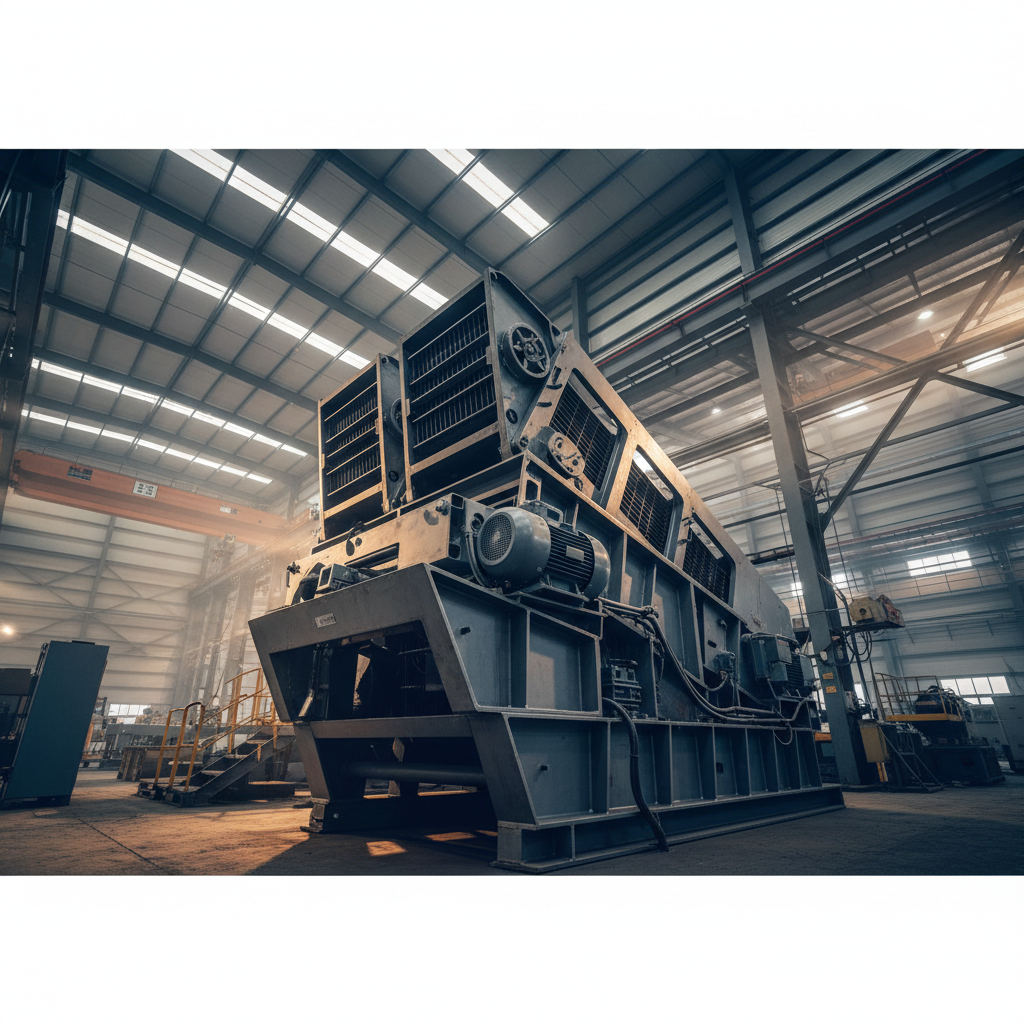
Shaker screen mesh, at its core, is a filtering medium designed to separate solid particles from fluids through vibration. The mesh is stretched tightly over a frame and agitated by a shaker mechanism, allowing liquids to pass through while retaining solids. It's an essential component in shale shakers, devices widely used in the oil and gas industry to clean drilling fluids, also known as drilling mud.
Beyond oil and gas, applications extend to wastewater treatment plants, where it removes suspended solids from sewage and industrial effluent. In mineral processing, it aids in separating valuable minerals from waste rock. Even in the food and beverage industry, shaker screen mesh is employed for clarification and purification processes, such as juice filtering and wine making.
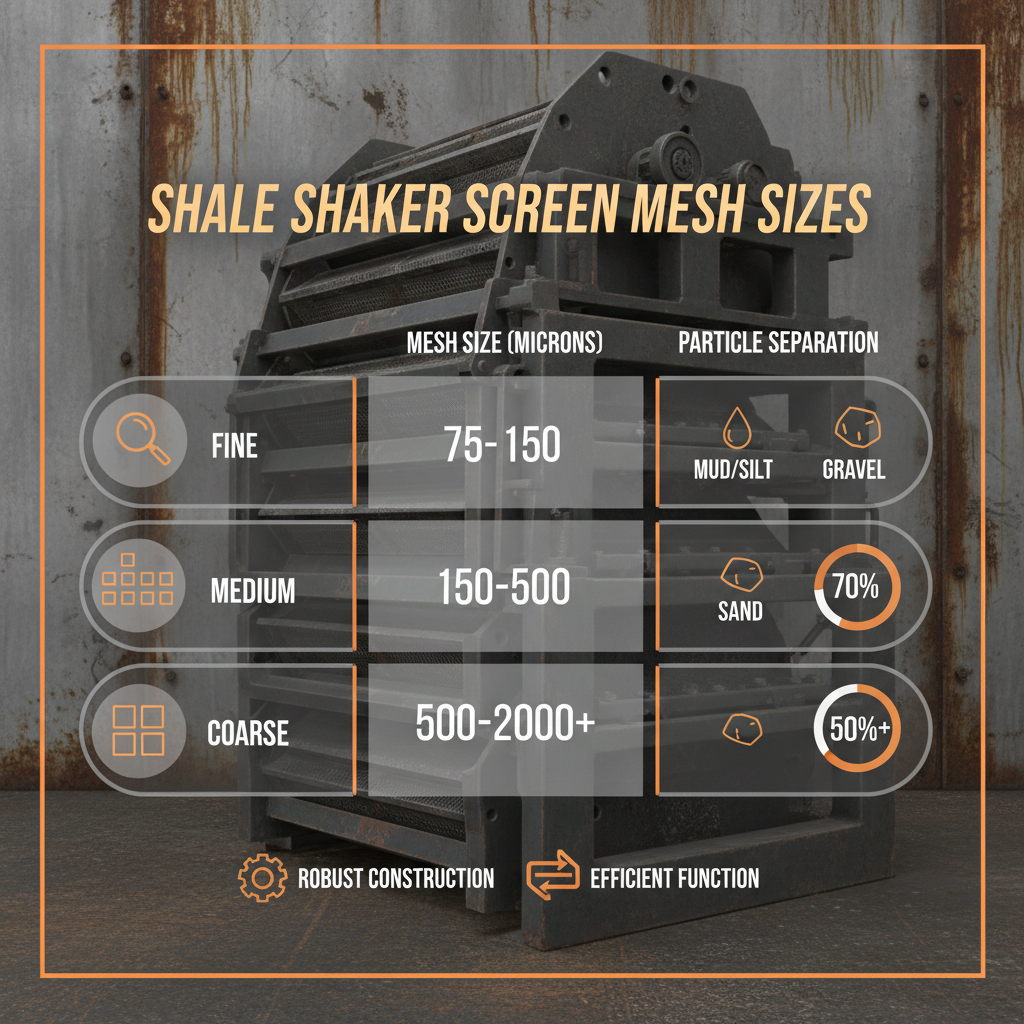
The mesh itself varies significantly in material, aperture size, and construction. Materials range from stainless steel and alloy steels for demanding applications to synthetic polymers for less aggressive environments. Aperture size determines the smallest particle size that can be retained, and is carefully chosen based on the specific separation requirements of the process.
Key Factors Influencing Shaker Screen Mesh Performance
Several key factors contribute to the overall performance and longevity of shaker screen mesh. Durability is paramount, particularly in harsh environments where the mesh is subjected to abrasive materials and high stress levels. The material's resistance to corrosion, erosion, and fatigue significantly impacts its lifespan and replacement frequency.
Scalability, or the ability to accommodate varying flow rates and solids loads, is another crucial consideration. Selecting a mesh with an appropriate aperture size and open area ensures efficient separation without compromising flow capacity. Cost efficiency is also essential, as frequent replacements can significantly impact operational expenses.
Shaker Screen Mesh Performance Comparison
Worldwide Applications of Shaker Screen Mesh
In the oil and gas industry, shaker screen mesh is a cornerstone of drilling operations worldwide, from the North Sea to the Gulf of Mexico and across the Middle East. Its effectiveness in removing drill cuttings and maintaining mud quality is essential for safe and efficient drilling.
Wastewater treatment plants globally employ shaker screen mesh to remove large debris and suspended solids prior to further treatment stages. This is particularly crucial in industrial wastewater processing, where contaminants can be highly diverse and potentially harmful. The technology finds widespread use in Europe, North America, and increasingly in Asia’s rapidly developing urban centers.
Advantages and Long-Term Value Proposition
The advantages of utilizing high-quality shaker screen mesh are multifaceted. Economically, it reduces downtime by maintaining consistent fluid quality, leading to fewer operational interruptions. Environmentally, it minimizes waste disposal costs and reduces the risk of spills and contamination.
From a safety perspective, effective solids control enhances workplace safety by minimizing the risk of equipment failure and exposure to hazardous materials. The long-term value proposition extends beyond immediate cost savings to encompass improved sustainability, increased operational reliability, and enhanced corporate social responsibility.
Investing in durable and efficient shaker screen mesh builds trust with stakeholders, demonstrating a commitment to responsible environmental practices and operational excellence. This intangible benefit can be invaluable in maintaining a positive brand reputation and securing future business opportunities.
Future Trends and Innovations in Mesh Technology
The future of shaker screen mesh is likely to be shaped by advancements in materials science and manufacturing technologies. The development of self-cleaning meshes, utilizing nano-coatings or electrostatic principles, promises to reduce clogging and extend lifespan. Automation and sensor integration will also play a key role, enabling real-time monitoring of mesh condition and predictive maintenance.
Furthermore, the increasing demand for sustainable solutions is driving research into biodegradable and recyclable mesh materials. Utilizing bio-based polymers and exploring closed-loop manufacturing processes are critical steps toward minimizing the environmental impact of shaker screen mesh production and disposal.
Digitalization and data analytics will further optimize mesh performance through the implementation of machine learning algorithms. These algorithms can analyze historical data to predict mesh failure rates, optimize replacement schedules, and improve overall system efficiency.
Summary of Challenges and Potential Solutions for Shaker Screen Mesh
| Challenge |
Impact on Performance |
Potential Solution |
Implementation Cost (1-10) |
| Clogging due to high solids loading |
Reduced flow rate, decreased separation efficiency |
Self-cleaning mesh technology, automated backflushing systems |
7 |
| Premature wear and tear in abrasive environments |
Frequent replacements, increased operational costs |
Use of abrasion-resistant materials (e.g., tungsten carbide coatings) |
6 |
| Inconsistent mesh quality from suppliers |
Variable performance, reduced reliability |
Rigorous quality control procedures, supplier audits |
4 |
| Environmental impact of mesh disposal |
Landfill waste, potential for environmental contamination |
Use of biodegradable materials, recycling programs |
5 |
| Lack of real-time mesh condition monitoring |
Unscheduled downtime, inefficient maintenance |
Integration of sensors and data analytics platforms |
8 |
| High initial investment cost for advanced mesh technologies |
Barrier to adoption for smaller operators |
Government incentives, leasing options, collaborative purchasing agreements |
3 |
FAQS
The lifespan of shaker screen mesh in oil and gas drilling varies significantly based on factors like the abrasiveness of the drill cuttings, the drilling fluid’s composition, and the operating conditions. Generally, mesh can last anywhere from a few hours to several days, with typical ranges falling between 24-72 hours. Regular inspection and timely replacement are crucial to maintaining optimal performance and preventing damage to downstream equipment.
Selecting the correct mesh size involves considering the particle size distribution of the solids you’re trying to remove. Smaller apertures effectively remove finer particles but can clog more easily, reducing flow rate. Larger apertures allow for higher flow but may let some fine particles pass through. A careful assessment of your process requirements and potential trade-offs is essential, often requiring consultation with a solids control specialist.
Yes, research and development are focused on creating more sustainable shaker screen mesh materials. Biodegradable polymers and recycled materials are emerging as viable alternatives to traditional metal alloys and synthetic fibers. While these alternatives may have limitations in terms of durability, ongoing innovation is addressing these challenges and making eco-friendly options increasingly attractive.
Mesh tension is a critical factor influencing performance. Proper tension ensures the mesh maintains its shape and effectively traps solid particles. Insufficient tension can lead to sagging, reduced separation efficiency, and premature failure. Excessive tension can also cause damage, such as tearing or stretching. Maintaining optimal tension is essential for maximizing the lifespan and effectiveness of the mesh.
Composite shaker screen mesh, combining multiple materials, offers enhanced performance characteristics. For instance, a mesh combining stainless steel and synthetic fibers can leverage the strength and corrosion resistance of steel with the flexibility and abrasion resistance of the synthetic material. This results in improved durability, longer lifespan, and enhanced separation efficiency.
Several practices can extend the life of shaker screen mesh. These include monitoring drilling fluid properties, optimizing shaker operating parameters (amplitude and frequency), preventing excessive solids loading, and promptly repairing any damage. Regular inspection and cleaning are also essential to remove accumulated debris and maintain optimal performance. Implementing a preventative maintenance program can significantly reduce downtime and replacement costs.
Conclusion
In conclusion, shaker screen mesh remains an indispensable component in a wide range of industrial processes, playing a critical role in solids control, fluid purification, and waste minimization. Its performance directly impacts operational efficiency, environmental sustainability, and overall cost-effectiveness. Understanding the key factors influencing mesh selection, maintenance, and future trends is essential for professionals across diverse industries.
Looking ahead, continued innovation in materials science, manufacturing techniques, and sensor technology will drive further advancements in shaker screen mesh performance. The transition towards more sustainable and environmentally friendly solutions will be a key focus, shaping the future of this vital industrial component. For expert advice and a comprehensive range of shaker screen mesh solutions, visit our website today.